
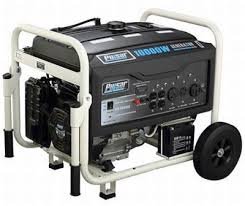
Generators are extremely useful in Pakistan, where power interruptions can affect homes, offices, shops, factories, schools, hospitals, and other facilities. A properly installed generator can keep essential equipment operating when the main electricity supply fails. But a generator is also a machine that combines fuel, heat, electricity, moving parts, and exhaust gases—all of which can create serious hazards if they are not managed correctly.
The safety secret many people overlook is simple: generator safety is not only about maintaining the generator itself. It is about controlling the entire environment around it.
A generator may be mechanically sound but still create a fire or electrical hazard if it is installed too close to combustible materials, connected incorrectly, poorly ventilated, overloaded, or operated without an emergency plan.
Pakistan’s Building Code of Pakistan – Fire Safety Provisions 2016 addresses electrical fire safety, while newer Pakistan Engineering Council building-code material includes requirements for generator installations in certain building types.
This guide explains the most important generator safety principles for homes and businesses in Pakistan, including installation, fuel handling, ventilation, electrical protection, maintenance, fire detection, and emergency preparedness.
Why Generator Safety Matters
A generator produces electricity by converting mechanical energy into electrical energy, usually through an internal combustion engine. During operation, the engine produces considerable heat and exhaust.
That creates several potential hazards:
- Fuel leakage and ignition
- Electrical shock
- Short circuits
- Overloading
- Carbon monoxide exposure
- Hot engine components
- Improper fuel storage
- Poor ventilation
- Damaged cables
- Incorrect electrical connections
- Fire spreading from the generator area
The risks become more serious when generators are installed in crowded or poorly ventilated locations.
For example, placing a generator inside a closed garage may appear convenient because it protects the equipment from weather. However, the enclosed environment can allow dangerous exhaust gases and heat to accumulate.
Generator safety therefore begins with where and how the equipment is installed, not just how it is switched on.
1. Choose the Right Location
One of the most important safety decisions is the generator’s location.
A generator should be positioned in a suitable, well-ventilated area away from doors, windows, air intakes, combustible materials, and places where people spend extended periods.
Avoid placing generators:
- Inside bedrooms
- Inside living rooms
- In enclosed garages
- In stairwells
- Near fuel-storage areas
- Immediately beside combustible waste
- Where exhaust can enter a building
- In areas vulnerable to flooding or standing water
The exact installation requirements depend on the generator type, building, fuel system, and applicable regulations.
For larger buildings, generator rooms may require dedicated fire-resistance measures. Pakistan Engineering Council building-code material, for example, specifies requirements for certain high-rise emergency or standby generator installations, including separate rooms protected by fire barriers and specific fuel-line protection.
2. Never Ignore Ventilation
Ventilation is one of the most commonly underestimated generator-safety issues.
A running generator produces exhaust gases, including carbon monoxide. Carbon monoxide is particularly dangerous because it is colorless and odorless, meaning people cannot reliably detect it without an appropriate detector.
Good ventilation helps:
- Remove exhaust gases
- Reduce heat buildup
- Protect equipment
- Reduce the risk of overheating
- Improve operating conditions
However, simply opening a small window may not be enough for a larger generator installation.
Generator rooms and enclosed installations should be designed by qualified professionals according to the equipment manufacturer’s requirements and applicable building and safety standards.
3. Treat Fuel as a Major Fire Hazard
Generators commonly use diesel, petrol, natural gas, or other fuels depending on the equipment.
Fuel management should therefore be treated as part of the fire-prevention strategy.
Important practices include:
- Store fuel only in suitable, approved containers.
- Keep fuel away from ignition sources.
- Do not smoke while refueling.
- Switch the generator off before refueling.
- Allow hot components to cool where required by the manufacturer.
- Clean fuel spills immediately using appropriate procedures.
- Regularly inspect fuel lines, tanks, caps, and connections.
- Keep unnecessary combustible materials away from the generator.
Never assume that a small fuel leak is harmless. A leaking fuel line combined with a hot engine surface or electrical fault can create a dangerous situation.
4. Don’t Refuel a Hot or Running Generator
Refueling requires particular care.
A running generator contains hot surfaces and ignition sources. Fuel spilled during refueling can potentially ignite.
A safer procedure is to:
- Turn the generator off.
- Follow the manufacturer’s shutdown instructions.
- Allow the equipment to cool as recommended.
- Keep flames, cigarettes, and other ignition sources away.
- Refuel carefully without overfilling.
- Clean up spills before restarting.
- Check for leaks before operation.
This simple habit can prevent a preventable fuel-related incident.
5. Electrical Connections Need Professional Attention
A generator does not simply need to “produce electricity.” It must deliver that electricity safely to the building.
Improper wiring can result in:
- Electric shock
- Equipment damage
- Fire
- Backfeeding
- Circuit overload
- Damage to the generator
- Damage to utility infrastructure
Generator connections should therefore be designed and installed by qualified electrical professionals.
The Building Code of Pakistan – Fire Safety Provisions 2016 states that electrical wiring, fixtures, appliances, and equipment fall under its electrical fire-safety provisions, with new electrical installations to follow applicable approved standards.
6. Avoid Dangerous Backfeeding
One particularly dangerous practice is connecting a portable generator directly to building wiring through an improvised cable or outlet connection.
This can cause electricity to flow into circuits that were never designed for that connection.
Backfeeding can create serious hazards for:
- Occupants
- Electricians
- Utility workers
- Neighbors
- Electrical equipment
A properly designed transfer switch or other approved system should be used where required.
For commercial buildings and larger facilities, generator and emergency-power systems should be designed according to the building’s occupancy, electrical requirements, applicable codes, and manufacturer specifications.
7. Don’t Overload the Generator
Every generator has a rated electrical capacity.
Connecting too many appliances can overload the generator and potentially cause overheating, voltage problems, equipment damage, or electrical fires.
Before operating a generator, determine:
- Generator rated output
- Starting load of motors
- Continuous load
- Essential equipment
- Nonessential equipment
- Maximum allowable load
Large appliances such as air conditioners, pumps, refrigerators, compressors, and motors can require substantial starting power.
Instead of connecting everything at once, prioritize essential loads.
A simple load-management plan can make generator operation safer and more reliable.
8. Keep Combustible Materials Away
Generators produce heat.
That means cardboard boxes, paper, plastic, fabric, wood, chemicals, packaging materials, and other combustible items should not be stored around the equipment.
A generator area should be kept:
- Clean
- Uncluttered
- Accessible
- Properly ventilated
- Free from unnecessary combustible storage
This also makes maintenance easier and gives technicians adequate access to the equipment.
9. Maintenance Is a Fire-Safety Measure
Maintenance isn’t only about keeping a generator running.
It is also about identifying conditions that could cause an accident.
A maintenance program should include inspection of:
Fuel system
Look for leaks, damaged hoses, loose connections, and deterioration.
Electrical system
Inspect cables, terminals, grounding, connections, breakers, and associated equipment.
Cooling system
Check coolant levels, radiators, fans, and airflow.
Exhaust system
Inspect exhaust pipes and connections for damage or leakage.
Battery
Check terminals, condition, mounting, and charging equipment.
Engine
Follow the manufacturer’s recommendations for oil, filters, belts, and other service components.
Maintenance intervals should be based on the manufacturer’s instructions and actual operating conditions.
10. Generator Rooms Need More Than a Generator
For commercial buildings, simply putting a generator in a room is not a complete safety strategy.
The room may need consideration for:
- Fire-resistant construction
- Ventilation
- Exhaust routing
- Fuel-line protection
- Emergency shutdown
- Electrical isolation
- Access control
- Fire detection
- Fire extinguishing provisions
- Drainage
- Maintenance access
The applicable requirements depend on the building and generator installation.
For certain high-rise applications, Pakistan Engineering Council provisions specify that generator systems located inside buildings be placed in separate rooms with fire barriers and provide protection for fuel lines.
This illustrates an important principle: generator safety is an integrated building-safety issue.
11. Fire Detection Should Not Be an Afterthought
A generator can be a source of heat and electrical energy, so early detection of abnormal conditions can be valuable.
Depending on the building and risk profile, fire detection may include:
- Smoke detection
- Heat detection
- Manual call points
- Fire alarm control panels
- Audible alarms
- Visual alarm indicators
- Monitoring systems
The appropriate detection method should be selected based on the environment.
For example, a generator room may have different environmental conditions from an office, meaning detector selection should consider heat, dust, airflow, and other factors.
A properly designed fire alarm system in Pakistan can form part of a broader building fire-safety strategy, but it should not be viewed as a substitute for safe generator installation, maintenance, ventilation, or electrical protection.
PEC’s building-code material recognizes automatic fire detection and fire alarm systems as important emergency-power loads in relevant building applications.
12. Fire Extinguishers Should Be Appropriate for the Hazard
Fire extinguishers should be selected according to the types of fire that could reasonably occur.
Generator areas may involve electrical equipment and combustible or flammable fuels, so extinguisher selection should be based on a proper fire-risk assessment.
Employees should also understand:
- Where extinguishers are located
- Which extinguisher is appropriate
- How to raise an alarm
- When evacuation is safer than firefighting
An extinguisher should never encourage an untrained person to fight a rapidly developing fire.
If flames are spreading, smoke is heavy, or escape is threatened, evacuation should take priority.
13. Create a Generator Emergency Plan
A generator emergency plan doesn’t have to be complicated.
It should answer a few basic questions:
Who is authorized to operate the generator?
Only trained personnel should operate larger or more complex equipment.
Who shuts it down during an emergency?
The responsible person should know the correct emergency shutdown procedure.
Where is the main electrical isolation point?
Personnel should know how the generator is isolated when necessary.
Where are the fire extinguishers?
They should be visible, accessible, and maintained.
What happens if the generator room catches fire?
Employees should know the evacuation route and emergency communication procedure.
Who contacts emergency services?
Responsibilities should be clearly assigned.
NDMA maintains national fire-safety and urban-fire guidance, emphasizing the importance of preparedness and safety awareness in Pakistan.
14. Train the People Who Use the Generator
Even a well-installed generator can become dangerous if employees operate it incorrectly.
Training should cover:
- Starting and stopping procedures
- Load limitations
- Refueling precautions
- Electrical hazards
- Fuel-leak recognition
- Exhaust hazards
- Emergency shutdown
- Fire-extinguisher awareness
- Evacuation procedures
- Reporting faults
Training should also be repeated when new employees take responsibility for generator operation.
15. Don’t Let Weather Change Your Safety Standards
Pakistan experiences extreme heat, heavy rainfall, dust, storms, and other environmental conditions.
These conditions can affect generator operation.
During hot weather, pay particular attention to:
- Ventilation
- Cooling systems
- Engine temperature
- Fuel storage
- Electrical connections
During rain or flooding, protect electrical equipment from water exposure. Never operate electrical equipment in unsafe standing water conditions.
A generator should be installed and protected in a way that considers the local environment while still maintaining adequate ventilation and exhaust clearance.
The Generator Safety Checklist
Before operating a generator, ask:
Installation
- Is it installed in an appropriate location?
- Is adequate ventilation provided?
- Is the exhaust safely routed?
- Are combustible materials kept away?
Fuel
- Are fuel lines and tanks free from leaks?
- Is fuel stored safely?
- Is refueling performed only when the generator is safely shut down?
Electrical
- Is the generator professionally connected?
- Is appropriate isolation/transfer equipment installed?
- Is the generator protected from overload?
- Are cables and connections in good condition?
Fire protection
- Is appropriate fire detection provided where required?
- Are suitable extinguishers available?
- Are alarms and emergency procedures understood?
Maintenance
- Are inspections being documented?
- Are manufacturer-recommended services being completed?
- Are defects repaired promptly?
If the answer to any of these questions is “no,” the generator installation deserves further attention.
The Safety Secret: Think Beyond the Generator
The biggest generator-safety mistake is focusing exclusively on the machine.
A generator doesn’t operate in isolation.
Its safety depends on the interaction between:
Generator + fuel + electrical system + ventilation + building + people + fire protection + maintenance.
If one part is neglected, the entire system can become more vulnerable.
For example, installing an expensive generator will not solve the problem if its wiring is unsafe. Similarly, a sophisticated alarm system cannot compensate for poor fuel storage or inadequate ventilation.
The strongest approach is therefore layered protection.
That means preventing hazards where possible, detecting problems early, limiting fire development, protecting occupants, and having a clear emergency response plan.
For businesses and building owners in Pakistan, professional assessment can help determine what combination of electrical protection, fire detection, emergency power, and maintenance is appropriate for the specific facility.
For additional fire-safety information and professional resources, you can explore .
Final Thoughts
Generators provide an important backup when electricity is unavailable, but their benefits come with responsibilities.
Safe generator operation begins with proper installation and continues through fuel management, electrical protection, ventilation, maintenance, fire detection, employee training, and emergency planning.
The most important lesson is that generator safety is a complete system, not a single precaution.
When every part of that system receives attention, generators can provide reliable backup power while reducing unnecessary risks to people, buildings, equipment, and surrounding communities.
Frequently Asked Questions
1. Can a generator be operated inside a garage?
Generators should not be operated in enclosed spaces such as garages because exhaust gases can accumulate and ventilation may be inadequate. A generator should be installed and operated according to the manufacturer’s requirements and applicable safety regulations.
2. How far should a generator be from a building?
There is no single distance that applies to every generator and building. Required clearances depend on the generator type, fuel, exhaust arrangement, building construction, manufacturer’s instructions, and applicable regulations. A qualified professional should assess the installation.
3. Can I connect a generator directly to a wall outlet?
No. Improvised connections can create dangerous backfeeding and electrical hazards. Generator connections should use an appropriately designed transfer or isolation system installed by a qualified electrical professional.
4. Does a fire alarm protect a generator?
A fire alarm system can provide early warning when properly designed for the environment, but it does not prevent generator fires by itself. Safe installation, fuel management, ventilation, electrical protection, maintenance, and appropriate firefighting equipment remain essential.
5. How often should a generator be maintained?
Maintenance frequency depends on the generator model, operating hours, environment, fuel type, and manufacturer’s recommendations. Routine inspections should be combined with scheduled professional servicing, and any fuel, electrical, exhaust, cooling, or mechanical defect should be addressed promptly.