
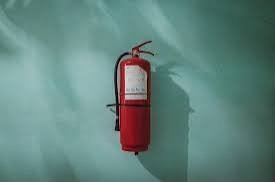
Fire safety training teaches people how to recognise fire risks, reduce the chance of an incident and respond safely when an emergency occurs. It is important in homes, schools, offices, factories, hospitals, shops and other places where people gather.
Fire safety is not only about installing extinguishers or alarms. Equipment can provide protection, but people also need to understand what warning signals mean, where emergency exits are located and how to evacuate without creating confusion.
In Pakistan, organisations such as Civil Defence provide fire safety and evacuation training for different groups. The Pakistan Engineering Council’s Building Code of Pakistan Fire Safety Provisions 2016 also provides an important reference for building fire safety planning.
This guide explains fire safety training in plain English, describes the topics it should cover and shows how organisations can make safety awareness part of everyday practice.
1. What Is Fire Safety Training?
Fire safety training is a learning process that prepares people to prevent common fire hazards and respond appropriately if a fire occurs. It explains basic safety responsibilities in language that participants can understand and apply.
Training may be designed for employees, students, teachers, security personnel, building managers, contractors or members of the general public. The content depends on the location and the risks involved.
For example, office employees may need to understand electrical safety, alarm signals and evacuation routes. Factory workers may require additional awareness of machinery, storage areas and workplace procedures. School staff may need to understand how to guide children during an evacuation.
The main objectives are to:
- Recognise common fire hazards.
- Understand basic fire prevention practices.
- Know how to report a fire or unsafe condition.
- Recognise fire alarm signals.
- Identify emergency exits and assembly points.
- Understand the building’s evacuation procedure.
- Know when to leave rather than attempt to deal with a fire.
- Follow instructions from responsible staff and emergency responders.
Fire safety training should be practical, understandable and appropriate for the people receiving it.
2. Why Is Fire Safety Training Important?
A fire emergency can create confusion, particularly when people do not know what to do. Someone may ignore an alarm, use an unsuitable exit or delay leaving because they are unsure whether the warning is genuine.
Training helps reduce uncertainty by explaining the actions people should take before an emergency happens.
It also helps organisations identify weaknesses in their safety arrangements. During training and evacuation practice, managers may discover that exit signs are difficult to see, corridors are blocked or employees do not understand the alarm procedure.
The benefits include:
Better hazard awareness: People become more familiar with common risks, such as damaged electrical equipment, poor housekeeping and unsafe storage.
Improved emergency response: Participants learn how to report an incident, raise the alarm and follow evacuation instructions.
Safer evacuation: People become familiar with exits, routes and assembly points.
Clearer responsibilities: Employees understand who is responsible for communicating instructions and coordinating emergency arrangements.
Greater confidence: Familiarity with procedures can help people respond more calmly and avoid unnecessary delays.
Training does not guarantee that every emergency will be prevented. However, it can help people make safer decisions and improve an organisation’s overall preparedness.
3. Understanding Common Fire Hazards
A useful training programme begins by explaining how fires can start and what conditions may increase the risk.
Fire hazards vary between buildings, but common examples include:
Electrical hazards
Damaged cables, unsuitable connections, overloaded sockets and poorly maintained electrical equipment can create fire risks. Employees should know how to report visible damage and avoid using equipment that appears unsafe.
Electrical repairs should be handled by qualified professionals. Staff should not attempt to open electrical panels or repair wiring without suitable training and authorisation.
Cooking and heating equipment
Kitchens, canteens and areas using heating appliances require appropriate safety arrangements. Training should explain the importance of keeping combustible materials away from heat sources and following equipment instructions.
Poor housekeeping
Waste paper, cardboard, packaging and other combustible materials can contribute to fire risks when stored carelessly. Workplaces should maintain organised storage and remove unnecessary waste.
Flammable materials
Some workplaces use paints, solvents, fuels and other combustible products. Employees should understand that these materials require suitable storage and handling arrangements based on product information and workplace procedures.
Blocked escape routes
Furniture, cartons, equipment and temporary storage can obstruct corridors and emergency exits. Everyone should understand that escape routes must remain accessible.
Recognising these hazards helps employees report problems before they become more serious.
4. Learn How Fire Detection and Alarm Systems Work
A fire detection and alarm system is an important part of many building safety arrangements. It is designed to detect signs of fire or allow someone to raise an alarm so that occupants can be warned.
Depending on the building and its design, a system may include smoke detectors, heat detectors, manual call points, audible warning devices, visual indicators and a control panel.
A suitable fire alarm system in Pakistan should be selected according to the building’s size, occupancy, layout, risks and applicable requirements. A small office may have different needs from a hospital, factory or multi-storey commercial building.
Training should explain:
- What the building’s alarm signal sounds or looks like.
- What people should do when the alarm activates.
- How to report a fire or suspected fault.
- Where the nearest safe exits are located.
- Which assembly point should be used.
- Who is responsible for coordinating the evacuation.
People should never assume that an alarm is false simply because they cannot see smoke or flames. They should follow the approved emergency procedure unless authorised personnel have confirmed that the signal is part of a planned test.
Building managers should ensure that alarm systems are inspected, tested and maintained by competent people according to the manufacturer’s instructions and applicable requirements.
5. Understand Fire Prevention in Everyday Work
Fire prevention should be part of normal workplace behaviour rather than something discussed only during an annual training session.
Small unsafe conditions can become more serious when they are ignored. Employees should therefore understand their role in keeping work areas safe.
Good daily practices include:
- Keeping corridors and exits clear.
- Reporting damaged electrical equipment.
- Avoiding unauthorised electrical connections.
- Storing combustible materials appropriately.
- Following workplace smoking rules.
- Keeping work areas clean and organised.
- Reporting unusual smells, smoke or signs of overheating.
- Following instructions for heating and cooking equipment.
Managers should encourage employees to report hazards without fear of being blamed for identifying a problem.
A simple reporting process can help organisations respond quickly. For example, employees should know whom to contact if they notice a blocked exit, damaged cable or faulty alarm indicator.
6. Learn the Importance of Emergency Exits and Evacuation Plans
An evacuation plan explains how people can leave a building safely during an emergency. It should identify suitable exits, routes and an assembly point outside the building.
Training should make sure that people know the plan before they need it.
Employees should understand that:
- They must take fire alarms seriously.
- They should use the nearest safe exit.
- Lifts should not be used during a fire evacuation.
- They should not stop to collect personal belongings.
- They should follow instructions from authorised staff.
- They should go to the designated assembly point.
- They should not re-enter until emergency responders confirm it is safe.
An evacuation plan should consider the needs of children, older people, visitors and people with disabilities or limited mobility.
Workplaces should also identify any areas where visitors or contractors may need additional guidance. Clear signs and simple instructions can help people who are unfamiliar with the building.
7. What Is a Fire Drill?
A fire drill is a planned exercise that allows people to practise the building’s evacuation procedure. It helps participants become familiar with warning signals, exits, routes and assembly points.
A drill can also help management assess whether the emergency plan works as intended.
During an exercise, responsible observers may identify problems such as:
- People not recognising the alarm.
- Confusion about which exit to use.
- Blocked or difficult-to-access routes.
- Poor communication between staff.
- Unclear assembly arrangements.
- Difficulties supporting people who need assistance.
The purpose is to identify improvements, not to frighten participants or create unnecessary panic.
Drills should be planned appropriately for the building and conducted in coordination with relevant authorities where required. Records of exercises and corrective actions can help management track improvements.
The Building Code of Pakistan Fire Safety Provisions 2016 addresses emergency evacuation and drill arrangements. Requirements can vary according to occupancy and other building conditions, so organisations should confirm the provisions applicable to their premises.
8. Understand the Responsibilities of Fire Wardens
Some workplaces appoint fire wardens or other designated staff members to support emergency arrangements.
Their responsibilities depend on the organisation’s plan and the training they receive. They may help communicate warnings, direct people towards exits, report problems and support the assembly process.
A fire warden is not automatically a professional firefighter. Their role should not involve taking unnecessary risks or attempting dangerous rescue activities beyond their competence.
A workplace may assign responsibilities such as:
Emergency communication: Passing on information through the approved procedure.
Evacuation guidance: Helping occupants understand where to go.
Assembly support: Directing people towards the designated meeting area.
Reporting concerns: Informing management about blocked routes or other safety issues.
Visitor awareness: Helping visitors understand the building’s evacuation arrangements.
Organisations should appoint suitable people and provide role-specific training. There should also be backup arrangements in case a designated person is absent.
9. Who Needs Fire Safety Training?
Fire safety training is relevant to almost everyone, but the content should reflect each group’s responsibilities and environment.
Office employees
Office staff should understand electrical safety, alarm signals, escape routes and reporting procedures.
Factory and industrial workers
Industrial employees may need additional awareness of machinery, production areas, storage arrangements and site-specific emergency procedures.
School staff and students
Teachers and school staff should understand how to guide students during an evacuation. Information for students should be age-appropriate and easy to remember.
Hospital and healthcare staff
Healthcare settings may have patients who cannot evacuate independently. Staff need procedures that reflect the building’s layout, patient needs and emergency responsibilities.
Security personnel
Security staff may have responsibilities for communicating an alarm, controlling access for emergency responders and following the site’s emergency plan.
Contractors and temporary workers
People who work temporarily at a site may not know its exits or safety procedures. They should receive suitable instructions before starting work.
Training should be accessible to everyone who may be present in the building, including part-time employees and relevant contractors.
10. What Should a Good Fire Safety Training Programme Include?
A useful programme should cover the risks and procedures that participants are likely to encounter.
The following subjects are commonly relevant:
Introduction to fire safety: Explain why prevention and early warning matter.
Hazard awareness: Identify common sources of fire risk in the building.
Housekeeping: Explain how waste, storage and blocked routes affect safety.
Alarm awareness: Teach participants to recognise the warning signal and follow the emergency procedure.
Evacuation planning: Explain exits, routes and assembly arrangements.
Communication: Show how to report an incident and contact responsible personnel.
Role-specific responsibilities: Explain the duties of managers, wardens and other designated staff.
Review and practice: Use appropriate exercises to check whether people understand the plan.
Training should be delivered by a competent person who understands the subject and the building’s arrangements. A generic presentation may not be enough if employees need to learn procedures specific to their workplace.
11. Where Can People Find Fire Safety Training in Pakistan?
People and organisations in Pakistan can explore training through relevant government departments and established safety organisations.
Directorate General of Civil Defence
The Directorate General of Civil Defence publishes information about training opportunities, including fire prevention and safety courses. Its training schedule has listed courses at different locations, including Islamabad and Civil Defence training schools in several cities.
Visit the official website to check current course information and eligibility:
Punjab Civil Defence
Punjab Civil Defence provides training and awareness activities covering fire safety, firefighting, first aid and evacuation drills. Its published information identifies educational institutions, industrial units, government departments and members of the public among its target groups.
Official information:
National Institute of Fire Technology
The National Institute of Fire Technology is associated with specialist fire prevention and safety training under the Civil Defence framework. People seeking professional development should check the Directorate General of Civil Defence for current course details and admission information.
Fire Protection Industry of Pakistan Academy
The Fire Protection Industry of Pakistan Academy lists training subjects such as fire safety awareness, fire risk assessment, evacuation drills, fire alarm systems and building fire safety.
Its training information can be reviewed at:
Pakistan Safety Council
The Pakistan Safety Council lists safety-related programmes, including fire safety warden training and occupational safety courses. Prospective participants should confirm course details, recognition and suitability before enrolling.
Official information:
Course availability, fees, schedules and eligibility can change. Always verify current details directly with the training provider.
12. How Organisations Can Improve Their Training Programmes
A training programme should be reviewed regularly to make sure it remains relevant.
Management can begin by assessing the building and identifying the people who need training. The content should reflect the site’s hazards, occupancy, equipment and emergency arrangements.
Useful improvement steps include:
- Provide safety induction for new employees.
- Explain emergency procedures to contractors and temporary staff.
- Arrange refresher sessions as appropriate.
- Review the evacuation plan when the building layout changes.
- Conduct suitable evacuation exercises.
- Record training and drill participation.
- Review problems identified during exercises.
- Update instructions when equipment or procedures change.
Organisations should also consider staff turnover. New employees may join after the original training session, while experienced employees may forget procedures if they are not reviewed.
A short, clear refresher can help keep important information familiar.
13. Common Mistakes to Avoid
Some organisations treat fire safety training as a formality rather than an important part of workplace management.
Common mistakes include:
Training only once: People may forget procedures, and new employees may never receive suitable instructions.
Using complicated language: Participants need to understand what they should do, not simply learn technical terms.
Ignoring building-specific risks: Training should reflect the actual premises rather than relying only on general information.
Forgetting contractors and visitors: Temporary occupants may also need safety instructions.
Failing to practise evacuation: People may not understand the route until they have reviewed or practised it.
Ignoring drill findings: Identifying a problem is useful only when management takes steps to correct it.
Confusing staff roles: People should know who coordinates communication and evacuation, without being encouraged to take risks beyond their training.
Avoiding these mistakes can make safety education more useful and improve preparedness across the organisation.
14. Fire Safety Training and Legal Responsibilities in Pakistan
Fire safety responsibilities depend on the building, its use and the relevant local or provincial rules. The Building Code of Pakistan Fire Safety Provisions 2016 is an important national reference for building fire safety and includes provisions concerning emergency planning and evacuation.
Punjab Civil Defence also describes inspections of fire safety measures in relevant industrial, commercial and high-rise premises. Its listed measures include fire detection and alarm systems, firefighting arrangements, fire safety plans and emergency exits.
Organisations should consult the authority responsible for their location to understand applicable requirements. They should also retain appropriate records of inspections, maintenance, training and evacuation exercises.
Training is one part of a wider safety programme. It should work alongside suitable building design, maintained equipment, clear exits and appropriate emergency arrangements.
Conclusion
Fire safety training is a practical way to help people understand common hazards, recognise warning signals and respond appropriately during an emergency. It is relevant to homes, schools, offices, factories and other buildings throughout Pakistan.
A good programme explains prevention, alarm awareness, evacuation routes, emergency communication and individual responsibilities in clear language. It also gives people opportunities to review the procedures that apply to their own building.
Fire alarm systems, extinguishers and other safety equipment are important, but they cannot replace informed occupants and a suitable emergency plan. Organisations should provide relevant training, maintain their equipment and review their arrangements regularly.
The goal is simple: reduce avoidable risks, make emergency procedures understandable and help everyone know how to reach safety.
Frequently Asked Questions (FAQs)
1. What is fire safety training in simple words?
Fire safety training teaches people how to recognise fire hazards, reduce risks, respond to alarms and leave a building safely during an emergency. It helps people understand their responsibilities before an incident occurs.
2. Who should receive fire safety training?
Employees, students, teachers, security staff, contractors, building managers and other people who use a building may need suitable training. The content should reflect their environment and responsibilities.
3. How often should fire safety training be provided?
Training frequency depends on the workplace, its risks and applicable requirements. New employees should receive appropriate induction, while refresher training and evacuation exercises should be arranged as needed and in accordance with relevant rules.
4. Why is fire alarm awareness included in fire safety training?
People need to recognise the building’s warning signal and understand what action to take when it activates. Training helps occupants respond promptly and follow the approved evacuation procedure.
5. Where can I find fire safety training in Pakistan?
You can check training information from the Directorate General of Civil Defence, Punjab Civil Defence, the National Institute of Fire Technology, the Fire Protection Industry of Pakistan Academy and established safety organisations. Confirm current schedules and course details directly with each provider.