
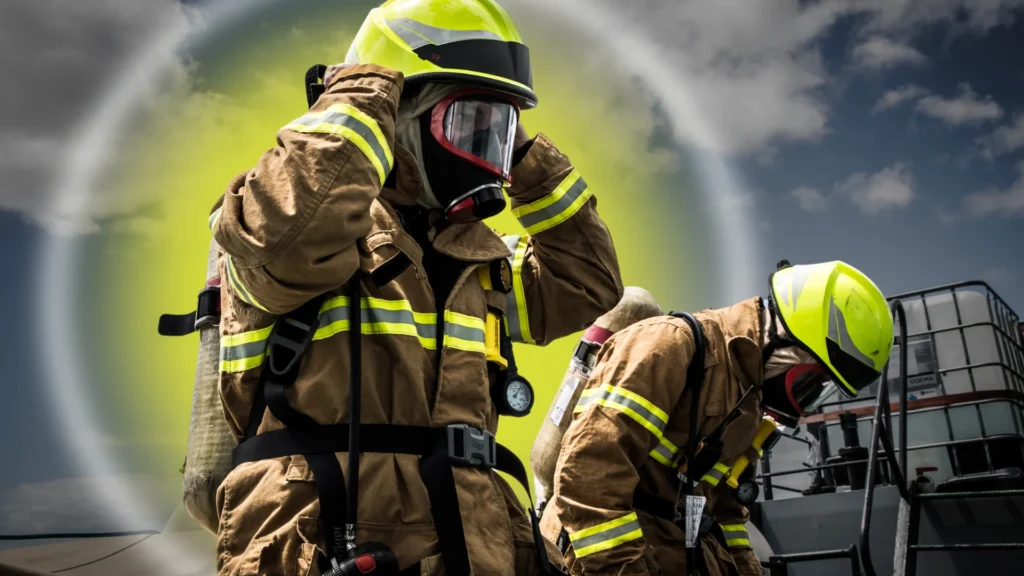
Textile mills contain several materials and processes that can contribute to fire risk, including cotton, yarn, fabric, packaging materials, machinery, electrical equipment, and accumulated textile dust. Large production areas can also contain extensive machinery and storage spaces, making early detection and organized evacuation particularly important.
Fire safety in a textile mill should therefore be approached as a complete system rather than as a collection of individual extinguishers. Prevention, detection, alarm notification, emergency communication, suppression, evacuation, training, and regular maintenance all have a role.
The Building Code of Pakistan Fire Safety Provisions 2016, maintained among Pakistan Engineering Council’s building-code resources, provides an important reference for fire-safety requirements in Pakistan. The provisions address subjects including building construction, fire protection, detection and alarm systems, emergency egress, and fire-safety equipment.
Identify the Main Fire Risks in a Textile Mill
Before designing or improving fire protection, a textile mill should identify the hazards present in its individual areas.
Potential risk areas can include:
- Raw-material storage
- Cotton and fiber handling
- Spinning areas
- Weaving departments
- Dyeing and finishing sections
- Fabric storage
- Packaging areas
- Electrical rooms
- Machinery areas
- Boiler or utility areas
- Workshops
- Warehouses
- Offices and staff facilities
Not every area has exactly the same risk. A storage warehouse may require a different fire-protection approach from a spinning room or electrical room.
A professional risk assessment can help determine which detection and suppression arrangements are appropriate for each section.
Control Combustible Dust and Fibers
Textile processes can generate lint, fibers, and dust. Accumulation of combustible material around machinery, electrical equipment, ventilation systems, or other surfaces can increase fire concerns.
Good housekeeping should therefore be part of the fire-safety program.
Routine cleaning and maintenance should prevent unnecessary accumulation of textile waste. Waste materials should be handled through appropriate procedures rather than allowed to collect around production equipment.
The objective is not simply to make the factory look clean. Good housekeeping can reduce the amount of combustible material available to contribute to a fire.
Electrical Safety Is Essential
Electrical equipment is an important consideration in industrial fire prevention.
Textile mills can contain motors, control panels, production machinery, wiring, lighting, and other electrical systems operating for long periods.
Electrical installations should be appropriately designed, maintained, inspected, and repaired by qualified personnel. Damaged cables, overloaded circuits, poor connections, or unsuitable equipment should not be ignored.
Regular electrical inspections can help identify potential problems before they develop into serious incidents.
Use Appropriate Fire Detection
Early detection is particularly valuable in a large industrial building because a fire may begin in an area that is not continuously occupied.
A professionally designed fire alarm system in Pakistan can provide early warning through appropriate detection and notification equipment. Depending on the building and risk assessment, systems can use smoke detectors, heat detectors, manual call points, control panels, and other notification devices.
Flame Defender states that it designs and installs conventional and addressable fire alarm systems for industrial, commercial, and residential properties across Pakistan. Its services include site assessment, installation, testing, maintenance, and upgrades.
The correct detection technology should be selected according to the environment rather than simply choosing the most advanced system available.
Consider the Textile Mill’s Environment
Textile production areas can contain dust, fibers, heat, humidity, and machinery vibration. These conditions can affect detection equipment and should be considered when designing and maintaining an alarm system.
Detector selection and placement should therefore be based on the specific environment.
For example, an area with conditions that could interfere with a particular type of detector may require a different detection approach. Professional system designers can evaluate these factors and determine suitable equipment.
A detector should also be maintained according to the manufacturer’s requirements and applicable standards.
Addressable Fire Alarm Systems for Large Facilities
Large textile mills may have numerous production rooms, warehouses, utility areas, and other zones.
An addressable system can provide detailed information about the location of an activated device, which can help responsible personnel identify the affected area more quickly.
Flame Defender describes addressable systems as suitable for larger buildings where identifying the location of a triggered detector can support faster response.
The appropriate system still depends on the building’s design, risk assessment, applicable requirements, and professional engineering judgment.
Ensure Alarm Notification Can Reach Workers
Detecting a fire is only useful if people are informed.
Textile mills can be large and noisy workplaces, with machinery potentially making ordinary alarm sounds difficult to hear in some areas.
The notification strategy should therefore consider the entire facility, including production areas, warehouses, offices, workshops, and other occupied spaces.
Depending on the building and applicable requirements, audible and visual notification devices may be used together.
The system should be tested to verify that notifications reach the areas they are intended to cover.
Emergency Communication Matters
Large industrial facilities may also benefit from clear emergency communication.
A public-address system can allow responsible personnel to provide evacuation information across different areas of a facility. Flame Defender describes PA systems that can be integrated with fire alarm and evacuation planning in factories and other large buildings.
Clear emergency communication can be particularly useful in a textile mill because workers may be distributed across large production areas.
Any emergency communication arrangement should be designed around the building’s evacuation plan.
Plan Multiple Evacuation Routes
Textile mills should have clearly identified evacuation routes appropriate for their building layout and occupancy.
The Building Code of Pakistan Fire Safety Provisions contains requirements concerning means of egress and emergency evacuation. It also states that means of egress should be maintained free and unobstructed.
Routes should not be used as storage areas.
Workers should be able to identify the appropriate exits without having to search for them during an emergency.
Evacuation arrangements should also consider visitors, contractors, temporary workers, and anyone who may be unfamiliar with the facility.
Keep Emergency Exits Accessible
An emergency exit that is blocked, difficult to identify, or poorly maintained can become a serious problem during an emergency.
Management should regularly check:
- Exit doors
- Escape corridors
- Stairways
- Exit signs
- Emergency lighting
- Access routes
- Assembly areas
Changes to machinery layouts or storage arrangements should not unintentionally obstruct established evacuation routes.
Regular inspections can help identify these problems before an emergency occurs.
Establish an Assembly Area
Workers need to know where they should go after leaving the building.
A predetermined assembly location can help management account for employees and identify whether anyone may still be inside.
The Building Code of Pakistan Fire Safety Provisions includes requirements concerning emergency drills and relocation to predetermined locations for applicable occupancies.
The assembly area should be selected as part of the facility’s emergency planning and should not create additional hazards.
Fire Extinguishers Should Match the Risk
Fire extinguishers are useful components of a fire-safety system, but the type and placement should be appropriate for the hazards present.
A textile mill may contain different fire risks in different departments. Electrical areas, general combustible materials, machinery, and other hazards may require different fire-protection considerations.
Extinguishers should be:
- Appropriate for the identified hazards
- Clearly identified
- Accessible
- Properly maintained
- Inspected according to applicable requirements
Workers should also receive appropriate safety training. People should never be encouraged to approach a rapidly spreading or dangerous fire simply because an extinguisher is nearby. Evacuation and emergency response should remain the priority.
Consider Automatic Fire Suppression
Some areas of a textile facility may require automatic suppression depending on their hazards and risk assessment.
Suppression technologies can include water-based systems and specialized systems designed for particular environments.
Flame Defender describes fire suppression solutions for industrial and manufacturing sites and lists services including risk assessment, system design, installation, commissioning, inspection, testing, preventive maintenance, and annual servicing.
The appropriate system should be selected by qualified professionals based on the actual hazard, building configuration, equipment, and applicable requirements.
Protect Storage Areas
Textile mills may store raw materials, finished fabrics, packaging, and other combustible goods.
Storage arrangements should allow appropriate access and should not interfere with fire protection or evacuation systems.
Management should regularly review whether storage has expanded beyond its original arrangement.
Changes in storage height, density, material type, or location can affect fire risk and may require the fire-protection strategy to be reviewed.
Separate High-Risk Areas Where Appropriate
Some areas may present different risks from ordinary production spaces.
Examples can include electrical rooms, workshops, utility areas, chemical-handling areas, and other specialized sections.
Where appropriate, these areas may require specific fire-resistant construction, detection, suppression, ventilation, or access arrangements.
The Building Code of Pakistan Fire Safety Provisions contains requirements concerning fire-safety construction features and fire-resistance ratings.
A professional fire-safety assessment can determine which measures are appropriate for individual areas.
Maintain Machinery and Production Equipment
Fire prevention should include machinery maintenance.
Poorly maintained machinery can create excessive heat, mechanical problems, or other conditions that may contribute to an incident.
Maintenance programs should follow manufacturer requirements and the facility’s industrial safety procedures.
Areas around machinery should also be kept sufficiently clear for safe operation, inspection, and emergency access.
Maintain the Fire Alarm System
Installing a detection system is not enough.
Fire alarm equipment needs regular inspection, testing, and maintenance. Dust, humidity, component aging, wiring problems, battery deterioration, or other faults can affect system performance.
Flame Defender notes that scheduled fire alarm maintenance can involve cleaning, testing, and calibration and can help identify faults before they become more serious.
Maintenance records should document inspections, faults, repairs, and other relevant work.
For a large textile facility, keeping detailed records can make it easier to identify recurring problems and plan system upgrades.
Test Emergency Procedures
A fire-safety plan should not exist only on paper.
Workers should receive appropriate information about emergency procedures, alarm signals, evacuation routes, and assembly arrangements.
Where drills are required or appropriate, they should be conducted safely and according to the facility’s emergency plan. Drills should never use real flames, smoke, or other dangerous simulations.
The Building Code of Pakistan Fire Safety Provisions includes provisions for emergency egress and relocation drills for applicable occupancies and calls for written records of such drills.
A safe drill can help management identify issues such as unclear routes, poor communication, or difficulties accounting for workers.
Train Workers and Supervisors
Textile mills may employ large numbers of workers across multiple shifts.
Training should therefore be organized so that workers on different shifts receive appropriate safety information.
Training can cover:
- What the fire alarm means
- How to report an emergency
- Evacuation routes
- Assembly arrangements
- Emergency communication
- General fire-prevention practices
- How to respond to alarms
Training should focus on safe evacuation and appropriate reporting rather than encouraging workers to take unnecessary risks.
Supervisors should understand their responsibilities under the facility’s emergency plan.
Plan for Different Shifts
A textile mill operating around the clock needs fire protection that works for every shift.
A system that is well supervised during daytime operations should not become less effective at night simply because fewer managers are present.
Management should consider:
- Night-shift staffing
- Alarm audibility
- Emergency lighting
- Access to exits
- Emergency contacts
- Security personnel
- Maintenance arrangements
- Evacuation responsibilities
The emergency plan should be practical for the actual number of workers present during each shift.
Maintain Fire Protection Equipment
Fire equipment can deteriorate if it is ignored.
Regular maintenance should cover relevant systems such as alarms, detectors, extinguishers, suppression systems, emergency lighting, and other equipment installed at the facility.
Pakistan’s fire-safety provisions include requirements related to continuous maintenance and periodic inspection and testing of required fire-safety equipment and systems.
A maintenance schedule should clearly identify what needs to be inspected, who is responsible, when it was last checked, and what corrective action was required.
Keep Fire Safety Records
Documentation helps demonstrate that safety systems are being managed rather than simply installed.
A textile mill should maintain appropriate records of:
- Fire alarm testing
- Detector maintenance
- Extinguisher servicing
- Suppression-system inspections
- Electrical inspections
- Fire drills
- Worker training
- Repairs
- Equipment replacement
- Fire-safety audits
Good records can also help identify repeated faults and support future safety planning.
Review Fire Safety After Expansion
Textile mills often change over time. Production capacity may increase, new machinery may be installed, warehouses may expand, or building layouts may change.
Every major change should prompt a review of the existing fire-safety arrangements.
A system designed for a smaller facility may not provide adequate coverage after expansion.
Changes to production processes can also introduce new hazards that were not present when the original system was designed.
Integrate Prevention, Detection, and Response
The strongest fire-safety programs do not rely on one piece of equipment.
A textile mill’s approach should bring together:
Prevention → Detection → Alarm → Communication → Evacuation → Emergency Response → Recovery
Prevention reduces the likelihood of an incident. Detection identifies a developing fire. Alarm systems notify occupants. Communication provides information. Evacuation moves people away from danger. Emergency responders handle the incident. Recovery involves restoring safe operations and reviewing what happened.
Each stage supports the others.
Work With Qualified Fire Safety Professionals
Industrial fire protection can be technically complex, particularly in large textile facilities.
Professional fire-safety engineers and qualified technicians can assess the building, identify hazards, design suitable systems, and conduct appropriate testing and maintenance.
The Pakistan Engineering Council recognizes fire detection, alarm, and suppression installation, commissioning, and maintenance as a specific engineering specialization.
When selecting a service provider, textile mills should consider technical qualifications, relevant industrial experience, system design capabilities, maintenance support, documentation, and familiarity with applicable standards.
Final Thoughts
Textile mill fire safety requires a complete approach because these facilities can contain combustible fibers, fabrics, packaging materials, machinery, electrical equipment, and large production or storage areas.
A strong safety program should begin with risk assessment and continue through prevention, housekeeping, electrical safety, early detection, alarm notification, emergency communication, evacuation planning, suppression, worker training, and regular maintenance.
A reliable fire alarm system in Pakistan can provide valuable early warning, but an alarm is only one component of an effective industrial fire-safety strategy. It needs to work alongside appropriate detection, evacuation procedures, fire equipment, emergency communication, and professional maintenance.
The Building Code of Pakistan Fire Safety Provisions 2016 provides an important reference for fire-safety requirements in Pakistan, while professional providers such as Flame Defender offer fire alarm, suppression, testing, and maintenance services for industrial properties.
For textile mills, the ultimate objective is straightforward: reduce preventable risks, provide early warning, maintain reliable protection systems, and make sure workers have a clear and safe emergency plan.
FAQs
1. Why is fire safety especially important in textile mills?
Textile mills can contain fibers, fabrics, packaging materials, machinery, electrical equipment, and large storage areas. These conditions make effective prevention, early detection, alarm notification, and emergency planning important.
2. What type of fire alarm system is suitable for a textile mill?
There is no single system suitable for every textile mill. The appropriate solution depends on the building size, layout, environmental conditions, production processes, storage areas, and applicable requirements. A professional risk assessment should determine the appropriate detection and alarm arrangement.
3. How can textile mills reduce fire risks?
Good housekeeping, proper electrical maintenance, appropriate storage, machinery maintenance, regular inspection of fire equipment, worker training, and professional fire detection and suppression systems can all contribute to reducing fire risks.
4. Does a textile mill fire alarm system require regular maintenance?
Yes. Fire alarm systems should be appropriately inspected, tested, and maintained. Regular maintenance can identify detector, battery, control-panel, wiring, and notification problems before they affect system reliability.
5. Should textile workers fight a fire themselves?
Workers should follow the facility’s emergency procedures and prioritize safe evacuation. They should not approach a dangerous or rapidly spreading fire. Firefighting should be left to appropriately trained personnel and emergency responders. :::