
Renting a home, apartment, portion, or room does not remove the responsibility to think about fire safety. Renters may not own the building, but they live in the property and are often the first people who will need to respond if smoke or fire is detected.
A safe rental property depends on several factors: suitable fire detection, clear exits, safe electrical systems, responsible cooking practices, emergency planning, and cooperation between tenants and property owners. Pakistan’s Building Code of Pakistan Fire Safety Provisions 2016 places responsibilities on owners, operators, lessees, and occupants regarding compliance and the maintenance and testing of fire protection systems.
Understand Your Rental Property
When moving into a rented property, fire safety should be one of the things you check along with water, electricity, doors, and other basic facilities.
Take some time to understand the layout of the property. Identify the main entrance, alternative exits, stairways, balconies where relevant, and any other route that may provide access to safety.
Renters should also notice whether doors and passageways are accessible or blocked by stored items. A clear route can be particularly important in apartments and multi-story buildings.
The goal is not to inspect the property like a professional engineer. Instead, renters should become familiar with their surroundings so they are not trying to understand the building for the first time during an emergency.
Check the Fire Alarm Arrangement
One of the first things renters should ask about is the property’s fire detection and alarm arrangement.
A suitable fire alarm system in Pakistan can provide early warning when smoke, heat, or another fire-related condition is detected. Flame Defender states that it designs and installs fire alarm systems for residential structures as well as commercial and industrial properties across Pakistan. Its services include installation, testing, maintenance, and upgrades.
Renters should know:
- Where alarms or smoke detectors are located.
- What the alarm sounds like.
- Whether the alarm appears to be functioning.
- Who is responsible for maintenance.
- Who should be contacted if a fault is noticed.
Tenants should never disable an alarm simply because it is inconvenient or produces an occasional nuisance alarm. A recurring problem should be reported to the landlord, property manager, or appropriate maintenance provider.
Talk to the Landlord About Fire Safety
Communication between renters and landlords can make a significant difference.
Before or shortly after moving in, tenants can ask reasonable questions such as:
- Are smoke detectors installed?
- When were the alarms last checked?
- Are emergency exits accessible?
- Is there a building evacuation plan?
- Who should be contacted if safety equipment develops a fault?
- Are there building-specific fire safety instructions?
The Pakistan Engineering Council’s fire safety provisions identify owners, operators, lessees, and occupants as having responsibilities related to compliance. The provisions also require records of relevant maintenance, inspections, testing, evacuation drills, and emergency action plans where applicable.
This means fire safety should be treated as a shared responsibility rather than something tenants and property owners simply assume someone else will handle.
Keep Escape Routes Clear
Renters should avoid placing furniture, boxes, bicycles, shoes, or other belongings in corridors, stairways, doorways, or other areas that could be needed for evacuation.
This is particularly important in apartment buildings where residents may share common stairways and corridors.
A clear route is easier to use during an emergency, especially when visibility is reduced or people are under stress.
Tenants should also avoid making unauthorized changes that could obstruct an exit. If a building’s normal exit is blocked or damaged, the issue should be reported to the responsible property manager.
Learn the Building’s Emergency Exits
A rental property may have more than one possible route to safety.
Residents should understand where the main exits and designated emergency routes are located. In apartment buildings, this may include knowing the location of emergency stairways and the route from the apartment to the outside.
Do not assume that the route used every day is the only available route.
The Building Code of Pakistan emphasizes means of egress and requires appropriate arrangements to help occupants reach a place of safety.
If an exit is locked, blocked, damaged, or difficult to access, tenants should report the issue rather than waiting for an emergency.
Make a Personal Evacuation Plan
Every renter can create a simple personal evacuation plan.
Think about:
- Which exit is closest to your room?
- What alternative route is available?
- Where should you go after leaving?
- Who should you contact?
- Are there family members who may need assistance?
For families renting a property, everyone should understand the basic plan. Children should receive simple, age-appropriate instructions and should know that a fire alarm is a warning that requires immediate attention.
The plan should focus on getting people to safety rather than protecting furniture or other belongings.
Be Careful With Cooking
Cooking is a normal part of daily life, but it requires attention because it involves heat and electrical or gas equipment.
Renters should follow the manufacturer’s instructions for appliances and avoid leaving cooking unattended.
Basic precautions include:
- Keep combustible materials away from cooking equipment.
- Keep the cooking area clean.
- Avoid using damaged appliances.
- Keep children away from dangerous cooking equipment.
- Do not ignore unusual smells, sparks, or overheating.
- Make sure appliances are switched off when they are no longer needed.
If a cooking-related situation becomes dangerous, the priority should be getting people away from the hazard and seeking appropriate emergency assistance.
Pay Attention to Electrical Safety
Electrical safety is especially important in rental properties because tenants may not know the history or age of the property’s wiring.
Renters should report issues such as:
- Damaged electrical cables
- Broken plugs
- Sparks
- Burning smells
- Repeated electrical faults
- Overheating sockets
- Unusual behavior from appliances
Avoid making unauthorized electrical modifications. Electrical work that requires technical knowledge should be handled by an appropriately qualified professional.
Tenants should also avoid overloading outlets with multiple high-power appliances.
Do Not Ignore a Faulty Alarm
A fire alarm that repeatedly gives warning signals or appears to have a fault should not simply be ignored.
Instead, tenants should inform the landlord, building manager, or responsible maintenance provider.
Flame Defender explains that dust, humidity, and normal wear can affect fire alarm detectors and control equipment, which is why regular maintenance, testing, cleaning, and calibration are important.
A tenant does not normally need to diagnose the technical cause of an alarm fault. Reporting the problem is the safer approach.
Know Who Is Responsible for Maintenance
Renters may not own the fire safety equipment, but they should know whom to contact when something goes wrong.
For example, a landlord or building management company may be responsible for arranging maintenance of shared systems. In some properties, tenants may have responsibilities for specific equipment inside their rented space.
The exact arrangement can vary depending on the property and rental agreement.
Keeping communication clear can help prevent a small maintenance issue from being overlooked.
Keep Fire Doors and Safety Doors Accessible
Some apartment and multi-unit buildings use fire-resistant doors as part of their overall fire safety design.
Renters should not wedge fire doors open, remove door-closing devices, or make unauthorized modifications to them.
If a safety door does not close properly or appears damaged, the problem should be reported to building management.
The purpose of these building features is to support the wider fire protection strategy and evacuation arrangements.
Be Careful With Portable Heating Equipment
Portable heaters and similar appliances should be used according to their instructions.
They should be positioned safely and kept away from materials that could be damaged by heat.
Renters should never modify heating equipment or use damaged appliances.
When moving into an unfamiliar property, it is also useful to check whether the home’s electrical system is appropriate for the appliances being used.
Understand Shared Building Risks
Renting an apartment or portion of a larger building means that fire safety may involve areas outside your own room or apartment.
A fire can potentially affect shared corridors, stairways, utility spaces, parking areas, or neighboring units.
For this reason, renters should pay attention to building-wide safety instructions and avoid blocking shared escape routes with personal belongings.
If building management organizes evacuation information or drills, residents should take the information seriously.
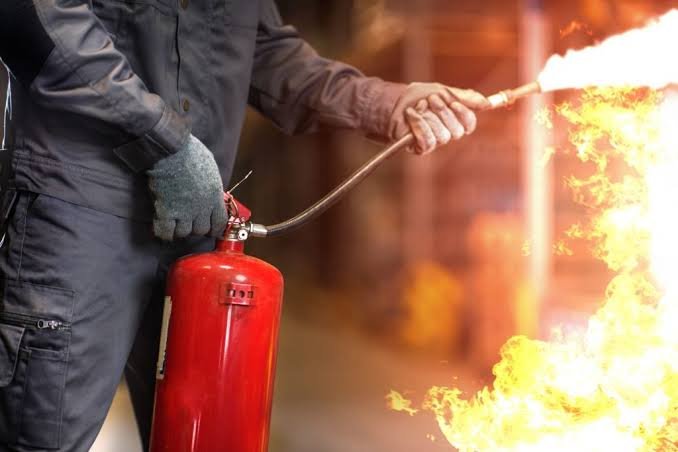
What About Fire Extinguishers?
Some rental properties provide portable fire extinguishers in common areas or inside individual units.
Tenants should know where these are located and whether the building provides instructions for their use.
However, having an extinguisher does not mean a renter should attempt to tackle every fire. If the fire is spreading, smoke is heavy, or there is any doubt about personal safety, leaving the building and contacting emergency services should take priority.
Flame Defender provides inspection, refilling, testing, and maintenance services for fire extinguishers.
Fire equipment should always be treated as part of a larger safety plan.
Create an Emergency Contact List
Renters should keep important emergency information easy to access.
This can include:
- Local emergency service information
- Landlord’s contact details
- Property manager’s number
- Building maintenance contact
- Important family contacts
People may become stressed during an emergency, so having essential information available can make communication easier.
Family members should also know the property’s complete address so they can communicate it clearly when requesting emergency assistance.
Consider Children and Other Household Members
A renter’s fire safety plan should take everyone in the household into account.
Children may need simple instructions and supervision. Older adults or people who have difficulty moving quickly may require additional planning.
If several people share a rental property, household members should discuss who may need assistance and where everyone should meet after leaving.
Fire safety is more effective when the plan reflects the actual people living in the property.
What Renters Should Do When Moving In
A short safety review when moving into a new rental can be useful.
Moving-in checklist:
- Locate smoke detectors and alarms.
- Identify main and alternative exits.
- Check that escape routes are not blocked.
- Ask about the building’s emergency procedures.
- Save the landlord or property manager’s contact information.
- Look for obvious electrical problems.
- Understand the location of fire extinguishers where provided.
- Discuss an evacuation plan with household members.
- Report obvious safety concerns promptly.
This does not replace a professional inspection, but it helps renters become familiar with their new surroundings.
Keep Records of Reported Problems
If a renter reports a fire safety problem to the landlord or property manager, keeping a record of the communication can be useful.
For example, a tenant might record the date and nature of a reported alarm fault or blocked exit.
This encourages clear communication and makes it easier to follow up if the issue has not been addressed.
The Building Code places importance on maintaining records related to inspections, testing, and maintenance of fire protection systems and other safety measures where required.
Fire Safety in Shared Accommodation
People living in shared houses, hostels, rented rooms, or apartment buildings should be especially aware of communal safety.
Shared kitchens, corridors, staircases, and electrical facilities can affect everyone living in the building.
Residents should avoid leaving personal belongings in common escape routes and should communicate important safety concerns to the person responsible for the property.
Everyone should know what the building’s alarm sounds like and understand what to do if it activates.
Do Not Make Unauthorized Safety Changes
Renters may want to make their accommodation more comfortable, but modifications should not compromise fire safety.
For example, tenants should not:
- Block exits.
- Disable alarms.
- Remove safety equipment.
- Tamper with building fire protection systems.
- Make unsafe electrical modifications.
- Lock or obstruct emergency routes.
If a safety feature is inconvenient or appears defective, the better approach is to report the issue to the landlord or property manager.
Professional Fire Safety Support
Landlords and property managers may need professional assistance when installing, inspecting, maintaining, or upgrading fire protection systems.
Flame Defender states that its fire alarm services cover residential properties and include site assessment, system design, installation, testing, maintenance, and upgrades.
For renters, the main point is not to carry out technical work themselves. Instead, they should identify problems and report them to the person responsible for maintaining the property.
Fire Safety Is a Shared Responsibility
Renters sometimes assume that fire safety is entirely the landlord’s responsibility because they do not own the building. Property owners and managers certainly have important responsibilities, but occupants also have a role in maintaining a safe environment.
Tenants can contribute by:
- Keeping exits clear
- Reporting faults
- Using appliances responsibly
- Following building safety instructions
- Learning evacuation routes
- Taking alarms seriously
- Avoiding actions that compromise safety equipment
The Building Code specifically identifies the owner, operator, lessee, and occupant in its fire safety responsibility provisions.
Conclusion
Being a renter does not mean being powerless when it comes to fire safety. Tenants can take several simple steps to make their living environment safer, from learning the building’s escape routes to reporting faulty alarms and keeping shared exits clear.
A properly designed and maintained fire alarm system in Pakistan can provide an important layer of early warning, but effective fire safety also depends on responsible occupants, appropriate maintenance, clear evacuation arrangements, and cooperation between tenants and property owners.
The most important rule is simple: know your surroundings, take warnings seriously, keep escape routes clear, and put people’s safety before property.
Frequently Asked Questions
1. Are renters responsible for fire safety?
Fire safety responsibilities can be shared between owners, landlords, property managers, lessees, and occupants depending on the property and applicable requirements. Renters should follow safety rules, report hazards, and avoid interfering with safety equipment.
2. What should renters check when moving into a new property?
They should identify alarms and exits, check that escape routes are clear, ask about emergency procedures, save the landlord’s contact information, and report obvious safety concerns.
3. Can renters install a fire alarm themselves?
Some simple household detection devices may be suitable for tenant installation, but larger or integrated systems should be assessed and installed by qualified professionals. The appropriate arrangement depends on the property and its requirements.
4. What should I do if the fire alarm in my rented home is faulty?
Report the problem promptly to the landlord, property manager, or responsible maintenance provider. Do not disable or tamper with the system to stop nuisance alarms.
5. Should renters use a fire extinguisher during a fire?
Personal safety should always come first. If a fire is spreading, producing significant smoke, or the situation is unsafe, occupants should evacuate and seek professional emergency assistance rather than taking unnecessary risks.