
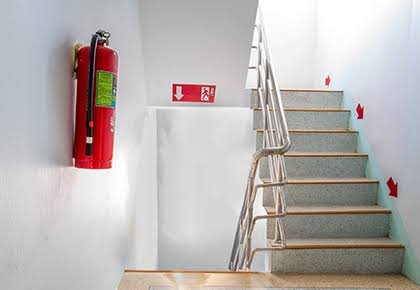
High-rise buildings have become an important part of modern living in Pakistan. Families increasingly live in apartment complexes, while offices, hotels, shopping centres, and mixed-use buildings occupy multiple floors in major cities. These buildings offer convenience and make efficient use of space, but they also require careful fire safety planning.
A fire in a high-rise building can create challenges that are different from those in a single-storey house. Smoke may spread through corridors and stairwells, residents may be unfamiliar with emergency exits, and reaching people on upper floors can take additional time. For families, knowing what to do before an emergency occurs can make a significant difference.
Fire safety is not only the responsibility of building management or emergency responders. Residents also need to understand alarm signals, keep escape routes clear, and prepare a plan for children, older family members, and anyone who may need assistance.
A reliable Fire alarm system in Pakistan, when properly designed, installed, tested, and maintained, can help alert occupants to a potential fire. However, an alarm is only one part of a complete safety strategy. Fire-resistant construction, firefighting equipment, safe exits, emergency procedures, and family preparedness are equally important.
This guide explains the essential fire safety measures every family should know when living in or visiting a high-rise building in Pakistan.
1. Understand the Fire Risks in High-Rise Buildings
High-rise buildings contain many interconnected spaces, including apartments, corridors, stairwells, lift lobbies, service rooms, parking areas, and utility spaces. A fire can begin in several places, such as a kitchen, an electrical room, a generator area, or a storage space.
Some hazards may be more common in buildings where electrical systems, backup power supplies, cooking equipment, and shared facilities receive inadequate maintenance.
Smoke is a particularly serious concern. It can reduce visibility, irritate the eyes and lungs, and make escape difficult. Open doors, unprotected service openings, and poorly maintained fire barriers may allow smoke to spread between areas.
Families should understand that fire risk is not determined by building height alone. The condition of electrical installations, fire protection systems, escape routes, maintenance practices, and residents’ preparedness all matter.
What families should check
- Learn where the nearest approved emergency stairways are located.
- Identify at least one alternative route if the usual route becomes unsafe.
- Find out how the building communicates fire emergencies.
- Ask management how residents should respond to an alarm.
- Keep corridors, doorways, and stairwell entrances free of personal belongings.
Never assume that a building is safe simply because it looks modern or has security staff at the entrance.
2. Know How the Fire Alarm System Works
A fire alarm system is designed to detect or receive notification of a possible fire and alert people who may be affected. Depending on the building, it may include smoke detectors, heat detectors, manual alarm points, audible alarms, visual indicators, control panels, and voice communication equipment.
In a large residential building, the alarm arrangement should be suitable for the building’s layout, occupancy, and fire safety design. Some systems may provide voice instructions or notify designated staff in addition to sounding an alarm.
The Pakistan Engineering Council’s Building Code of Pakistan: Fire Safety Provisions 2016 addresses fire alarms, occupant notification, means of escape, and protection against the spread of smoke and fire. The exact requirements applicable to a particular property should be confirmed with the relevant authority. Source: Pakistan Engineering Council’s Fire Safety Provisions.
Why maintenance matters
An installed alarm cannot provide dependable protection if its components are damaged, incorrectly configured, or poorly maintained. Building management should arrange appropriate inspections, testing, and servicing according to the system design, manufacturer instructions, and applicable requirements.
Families should know what the building’s alarm sounds like and what action is expected when it activates.
Never disable a detector, cover an alarm device, or ignore an alarm because previous activations turned out to be false. Repeated unwanted alarms should be investigated by authorised personnel.
When choosing or reviewing a Fire alarm system in Pakistan, building owners should consider the building’s needs, the quality of the installation, technical documentation, maintenance arrangements, and local compliance requirements.
3. Create a Family Emergency Plan
Every household should discuss fire safety before an emergency occurs. During a real incident, people may feel confused or worried, so simple, familiar instructions can help everyone respond more effectively.
A family plan should reflect the building’s actual evacuation procedures rather than relying on assumptions about what to do.
Include these points in your plan
Identify the exits. Walk through the building’s designated escape routes with family members. Explain where the stairs are and how to recognise emergency exit signs.
Choose a meeting place. Select a safe outdoor location away from the building and emergency vehicle access routes. Everyone should know where to meet if the family becomes separated.
Assign responsibilities. Adults can agree on how to support younger children or family members who need assistance, provided doing so does not place anyone in additional danger.
Keep emergency contacts available. Make sure family members know how to contact local emergency services and building management.
Plan for separation. Children should know how to seek help from an authorised adult or emergency responder rather than searching the building for family members.
Review the plan when the family moves into a new apartment, when the building changes its procedures, or when household needs change.
4. Learn When and How to Evacuate
One of the most important aspects of high-rise fire safety is understanding that evacuation procedures can vary from building to building.
Some buildings are designed for occupants to evacuate when an alarm activates. Other buildings may have specific procedures for different areas or situations. The correct response depends on the building’s design, the location of the fire, the alarm instructions, and directions from emergency responders.
Families should obtain the building’s official fire action plan rather than assuming that one procedure applies everywhere.
If an alarm sounds or officials instruct residents to leave, follow the building’s emergency procedure. Use a designated safe escape route and do not delay to collect possessions.
If smoke, flames, or heat make a route unsafe, do not enter it. Follow the emergency plan and contact emergency services for instructions.
Why lifts should generally be avoided
Ordinary passenger lifts may stop working, lose power, or open onto a floor affected by smoke or fire. Unless emergency responders specifically direct otherwise, use the designated emergency stairways rather than ordinary lifts during a fire.
Specially designed fire-service lifts are intended for authorised emergency operations and should not be confused with ordinary passenger lifts.
Families should practise recognising stairwell entrances and learn which routes are intended for emergency use.
5. Keep Corridors and Emergency Exits Clear
A safe exit route is useful only if people can reach it. In apartment buildings, residents sometimes leave shoes, bicycles, furniture, rubbish, or storage items in shared corridors and stairwells. Even seemingly small obstacles can slow movement or create trip hazards.
Fire doors and exit doors also need to function as intended. Propping open a fire door may allow smoke and flames to spread into areas that are supposed to provide protection.
What residents should do
- Keep the area outside the apartment entrance clear.
- Never store personal belongings in emergency stairwells.
- Report damaged, obstructed, or inaccessible exit doors.
- Do not wedge fire doors open.
- Check that emergency exit signs are visible.
- Inform building management about failed emergency lighting or other safety defects.
Management should arrange regular inspections of shared spaces and correct problems promptly. Residents should not modify fire doors, locks, or other safety equipment themselves.
In Pakistan, Punjab Civil Defence lists fire detection and alarm systems, firefighting arrangements, fire safety plans, emergency control rooms, and emergency exit and evacuation plans among the measures considered during fire safety inspections. Source: Punjab Civil Defence.
6. Understand the Danger of Smoke
Smoke can make a fire dangerous even when flames are not visible nearby. It can travel through corridors, service openings, ventilation systems, and other routes, depending on the building’s design and the condition of its fire protection features.
Families should never assume that a corridor is safe simply because they cannot see flames.
If smoke is present along an escape route, do not enter it. Follow the building’s emergency procedure and seek instructions from emergency services.
Keep apartment doors closed when appropriate, especially if doing so helps limit the spread of smoke. Never open a door if there are signs that fire or dangerous heat may be immediately behind it.
If you cannot safely leave your apartment, follow the building’s emergency plan for occupants who cannot evacuate. Contact emergency services, clearly explain your location and situation, and follow their instructions. Do not improvise a route through windows or exterior walls.
The safest action depends on the actual circumstances and the building’s design. This is why residents should learn the official procedure before an incident occurs.
7. Prevent Fires Inside Your Apartment
Everyday household activities can create fire hazards. Careful habits can reduce the likelihood of a fire starting in the first place.
Kitchen safety
Never leave active cooking unattended. Keep flammable items such as paper towels and loose fabric away from cooking appliances. If cooking oil catches fire, do not pour water onto it. If the fire is not immediately and safely manageable, leave the area, close the door if safe to do so, and raise the alarm.
Electrical safety
Avoid overloading sockets and using damaged plugs, cables, or extension leads. Arrange repairs through a qualified electrician if you notice burning smells, unusual heat, damaged wiring, or repeated circuit-breaker trips.
Charging and appliances
Follow the manufacturer’s instructions for electrical appliances and charging equipment. Keep equipment away from materials that could catch fire, and stop using devices that show signs of damage.
Storage and housekeeping
Do not accumulate unnecessary combustible materials near electrical equipment or cooking areas. Keep hallways and exits clear, and store household products according to their labels.
Prevention is most effective when families build these habits into daily routines instead of waiting for a warning sign.
8. Know What Fire Safety Equipment Your Building Has
A high-rise building may contain several types of fire protection equipment. The exact arrangement depends on the building’s size, use, design, and applicable requirements.
Common systems may include:
- Fire alarms and detectors: Provide warning of a potential fire.
- Fire extinguishers: Designed for particular types of fire and intended for appropriate use by trained people when safe.
- Fire hydrants and hose systems: Provide firefighting water supplies for authorised use.
- Automatic sprinklers: Where installed, help control or suppress fires in accordance with the system design.
- Emergency lighting and exit signs: Help occupants identify escape routes if normal lighting fails.
- Fire doors and protected stairways: Help preserve safer routes by limiting the spread of fire and smoke.
Families should ask building management what equipment is available, where it is located, and how residents are expected to respond during an emergency.
Do not handle equipment unless you understand its purpose and can do so safely. Never block, damage, or tamper with fire protection devices.
9. Prepare Children, Older Adults, and Family Members Who Need Assistance
Not every family member can respond to an emergency in the same way. Young children may not recognise alarm sounds, older adults may need extra time to move, and some people may have mobility, hearing, vision, or other accessibility needs.
A family plan should take these circumstances into account before an emergency occurs.
Teach children what an alarm means and where they should go when instructed to evacuate. Explain that they should never hide during a fire or return to the apartment to collect toys or belongings.
For a family member who needs assistance, discuss practical arrangements with building management. Ask whether accessible escape routes or designated assistance procedures exist and how emergency responders will be informed.
Where appropriate, make sure important communication needs are known to the people responsible for managing emergencies.
Do not rely on an ordinary passenger lift as an evacuation solution unless the building’s approved plan specifically provides for its use under authorised conditions.
The goal is to create a realistic plan that protects everyone without expecting family members to take unsafe risks.
10. Understand the Responsibilities of Building Management
Residents play an important role, but many fire safety measures must be managed at the building level.
Building management should arrange appropriate inspections and maintenance of alarms, firefighting systems, emergency lighting, fire doors, and escape routes. It should also make the emergency plan available to residents and communicate any important changes.
Other responsibilities may include organising suitable drills, maintaining inspection records, correcting identified hazards, and coordinating with relevant authorities.
Questions families can ask management
- What should residents do when the fire alarm activates?
- Where are the designated emergency exits?
- How are alarm and firefighting systems maintained?
- Are corridors, stairwells, and exit doors inspected regularly?
- What procedure applies to residents who need evacuation assistance?
- How can residents report a damaged alarm, blocked exit, or other hazard?
These questions are especially useful when moving into a new apartment building. A professional appearance or a security desk does not, by itself, confirm that fire safety measures are adequate.
11. Understand Fire Safety Requirements in Pakistan
Pakistan’s Building Code of Pakistan: Fire Safety Provisions 2016 provides a national reference for fire prevention and life safety. The code addresses matters such as occupant notification, means of escape, fire protection systems, and the responsibilities of the authority having jurisdiction.
Local implementation and other applicable requirements can vary by location and building type. Families should not assume that a single rule applies identically to every apartment complex.
Building owners and managers should consult the relevant authority to determine which provisions apply to their premises. Depending on the location, this may involve Civil Defence, municipal or building control authorities, fire services, or other responsible agencies.
For residents, the practical priority is to understand the building’s emergency arrangements and report hazards rather than trying to assess technical compliance independently.
When a building’s fire alarm or safety equipment appears damaged or inactive, notify management promptly. If there is an immediate danger, contact the appropriate emergency service rather than waiting for a routine maintenance visit.
12. A Simple High-Rise Fire Safety Checklist for Families
Use this checklist when moving into an apartment or reviewing your household’s preparedness.
- [ ] Every family member knows the building’s fire action procedure.
- [ ] The nearest designated emergency stairway has been identified.
- [ ] An alternative route has been discussed where applicable.
- [ ] Family members recognise the building’s fire alarm signal.
- [ ] The outdoor meeting place is known to everyone.
- [ ] Emergency contact information is available.
- [ ] Children understand how to respond to an alarm.
- [ ] Assistance needs have been discussed with management.
- [ ] Apartment exits and shared corridors are kept clear.
- [ ] Smoke alarms or other required equipment are not obstructed or tampered with.
- [ ] Household electrical and cooking hazards are managed.
- [ ] Building management has explained how to report safety problems.
Review this checklist periodically and whenever the building changes its emergency arrangements.
Conclusion
Fire safety in high-rise buildings begins long before a fire occurs. Families need to understand the alarm system, learn the approved evacuation procedure, keep exits clear, and take practical steps to prevent fires inside their apartments.
Building management also has an important role in maintaining alarms, firefighting equipment, protected escape routes, and emergency plans. In Pakistan, the applicable fire safety provisions and local requirements should be checked for each building rather than assumed.
A dependable fire alarm system can provide an important early warning, but it must form part of a broader approach that includes maintenance, prevention, preparedness, and clear communication.
By learning the building’s procedures and preparing together, families can make better-informed decisions and improve their readiness for a fire emergency.
For more information about fire protection products and safety planning, visit Flame Defender at https://flame-defender.com/.
Frequently Asked Questions (FAQs)
1. What should a family do when a fire alarm sounds in a high-rise building?
Follow the building’s official fire action plan and any instructions from emergency responders. If evacuation is required, use the designated safe stairway rather than an ordinary passenger lift. If smoke or fire blocks the route, do not enter it; contact emergency services and follow their instructions.
2. Are fire alarm systems required in high-rise buildings in Pakistan?
The Building Code of Pakistan: Fire Safety Provisions 2016 addresses fire alarm and occupant notification requirements, including provisions relevant to high-rise buildings. The exact requirements for a particular property should be confirmed with the relevant local authority and a qualified fire safety professional.
3. Should residents use lifts during a high-rise fire?
Residents should generally avoid ordinary passenger lifts during a fire because they may fail or expose occupants to smoke and fire. Follow the building’s emergency procedure and use designated escape routes. Special fire-service lifts are intended for authorised emergency operations unless an approved plan specifically states otherwise.
4. What should a family do if smoke blocks the escape route?
Do not enter a smoke-filled or visibly unsafe route. Follow the building’s emergency plan for occupants who cannot safely evacuate, contact emergency services, explain your location, and follow their instructions. Avoid improvising dangerous escape routes through windows or exterior walls.
5. How can families improve fire safety in an apartment building?
Learn the evacuation plan, identify emergency stairways, keep exits clear, practise household fire procedures, manage electrical and cooking hazards, and report damaged equipment or blocked routes to management. Families should also understand how alarms work and ask management about maintenance and emergency assistance arrangements.