
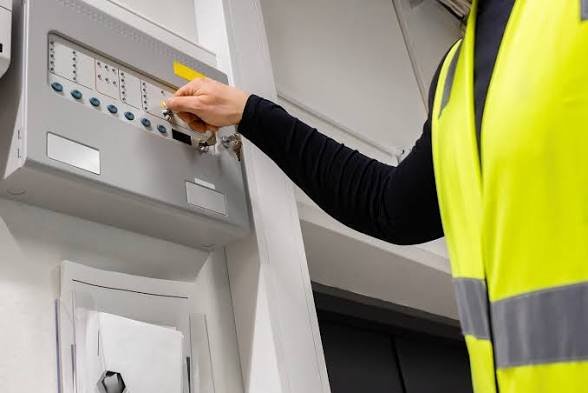
Small businesses are an important part of Pakistan’s economy. From retail shops and restaurants to offices, workshops, warehouses, salons, schools, and small manufacturing units, these businesses serve customers and provide employment every day. Yet fire safety is sometimes treated as an expense that can be postponed until the business becomes larger.
This approach can create serious risks. A small fire can quickly damage equipment, stock, electrical systems, documents, and the building itself. More importantly, it can put employees, customers, and visitors in danger. The Pakistan Engineering Council’s Building Code of Pakistan Fire Safety Provisions emphasizes life safety, property protection, multiple safeguards, and suitable means of escape.
For a small business, fire safety does not necessarily mean making a huge investment. A carefully planned combination of prevention, early detection, suitable equipment, maintenance, and staff awareness can make a significant difference.
Why Fire Safety Matters for Small Businesses
Small businesses often operate in limited spaces where combustible materials, electrical equipment, cooking appliances, packaging, chemicals, or other fire hazards may be present. When several risks exist in the same area, a small incident can develop quickly.
The financial consequences can also extend beyond the physical damage. A business may lose inventory, important records, customer information, machinery, furniture, or working equipment. Even if the building can be repaired, temporary closure can affect income and customer relationships.
A basic fire safety plan helps reduce these risks. The objective is not simply to have equipment on the premises. The business should have a complete approach that includes prevention, detection, notification, evacuation, and regular inspection.
Small Investment Can Prevent Large Losses
Many business owners hesitate to spend money on fire safety because they focus on the immediate cost of equipment and installation. However, the better question is what the business could lose if a fire occurs without adequate protection.
Consider a small retail store. Its fire-related losses could include:
- Stock and merchandise
- Computers and electronic equipment
- Furniture and fixtures
- Business records
- Electrical systems
- Interior finishes
- Customer property
- Lost income during closure
A fire alarm, suitable extinguishers, emergency lighting where required, clear exits, staff training, and routine maintenance may cost far less than rebuilding a damaged business.
The principle of using multiple safeguards is also reflected in Pakistan’s fire-safety provisions. A building should not depend entirely on one safety measure; additional safeguards can help when one system fails or becomes ineffective.
Start With a Simple Fire Risk Assessment
Before buying equipment, a small business should understand where its greatest fire risks are.
A basic assessment can examine:
Electrical Equipment
Overloaded sockets, damaged cables, unsuitable extensions, defective appliances, and poorly maintained electrical equipment can increase fire risk. Electrical installations should be kept in good condition and inspected by qualified professionals when necessary.
Cooking Areas
Restaurants, cafés, bakeries, and businesses with kitchens have additional risks from cooking equipment, oils, heating appliances, and gas systems. Cooking areas should receive particular attention in the business’s fire safety plan.
Combustible Materials
Paper, cardboard, textiles, plastics, packaging, wood, and other combustible materials should not be unnecessarily stored close to heat sources.
Storage Areas
Stock rooms and warehouses should be organized so that emergency exits and access routes remain clear. Materials should be stored safely and according to their characteristics.
Human Factors
Fire safety also depends on people. Employees should know what the alarm means, where exits are located, how to report an emergency, and where to assemble after evacuation.
The Importance of Early Fire Detection
One of the most valuable improvements a small business can make is providing reliable early warning.
A properly designed fire alarm system in Pakistan can detect signs such as smoke or excessive heat and alert people inside the building. Early notification provides occupants with more time to leave safely and allows emergency response procedures to begin sooner.
Pakistan’s Building Code framework recognizes fire alarm systems as an important safety measure where required by the applicable fire-safety provisions.
Professional fire alarm systems can include detectors, manual activation points, control panels, sounders, visual notification devices, and other components depending on the building and risk.
For small premises, the right system depends on factors such as building size, layout, occupancy, risk level, and applicable requirements. It is better to have a system designed for the actual property than to choose equipment based only on price.
provides fire alarm installation services in Pakistan, including conventional and addressable systems, detectors, control panels, testing, maintenance, and upgrades.
Choosing the Right Fire Alarm System
Not every small business has the same requirements.
A small shop with a simple layout may have different needs from a restaurant, warehouse, school, office, or workshop. Fire alarm system selection should therefore consider the building’s design and the type of hazards present.
Conventional Systems
Conventional systems divide a property into zones. They can be appropriate for smaller buildings with relatively simple layouts, depending on the risk assessment and applicable requirements.
Addressable Systems
Addressable systems can identify the particular detector or device that has activated. This can be useful in larger or more complex premises because the location of an alarm can be identified more precisely.
Wireless Systems
Wireless systems can be useful in certain buildings where extensive cabling would be difficult or disruptive. Their suitability depends on the property and technical assessment.
The important point is that businesses should not select a system solely because it is inexpensive. Reliability, appropriate design, professional installation, testing, and maintenance are all important.
Fire Extinguishers Are Still Important
Fire alarms provide warning, but they are not a replacement for other fire protection measures.
Suitable fire extinguishers can be an important part of a business’s fire safety arrangements. The type and quantity should be selected according to the potential fire hazards and applicable requirements.
For example, electrical equipment, cooking oils, paper products, and flammable materials can present different risks. A qualified fire-safety professional can help determine what equipment is appropriate.
Employees should also receive basic awareness training so they understand the emergency procedure. They should never be expected to take unnecessary risks or attempt to fight a dangerous or rapidly spreading fire. Evacuation and contacting emergency services should remain the priority.
Keep Emergency Exits Clear
An effective alarm is only useful if people can leave safely.
Pakistan’s fire-safety provisions state that means of egress should be maintained free and unobstructed, while exit routes should be clearly indicated.
Small businesses should regularly check that:
- Exit doors are accessible.
- Corridors are not blocked by boxes or stock.
- Emergency routes are clearly identified.
- Customers and employees can reach exits quickly.
- Storage does not reduce available escape routes.
- Exit signs and emergency lighting are maintained where required.
Businesses should also avoid using emergency routes as permanent storage areas. A few boxes may seem harmless, but during an emergency, even small obstructions can create confusion and delays.
Fire Safety Training for Employees
Equipment alone cannot create a safe workplace.
Employees should understand the basic emergency plan before an incident occurs. Training can cover:
- How to recognize the fire alarm
- How to report a fire
- Where the emergency exits are
- Where to assemble after evacuation
- Who is responsible for calling emergency services
- How to assist customers or visitors
- What to do if an exit is unavailable
- When evacuation is required
Training should be appropriate to the workplace and employee responsibilities.
Regular drills can also help employees become familiar with evacuation procedures. Pakistan’s fire-safety provisions include requirements concerning evacuation and drills where applicable, including keeping written records of drills.
Maintenance Is as Important as Installation
Buying fire-safety equipment once and forgetting about it is not enough.
Dust, environmental conditions, electrical faults, damaged components, depleted batteries, and other problems can affect fire alarm performance. Regular inspection and testing help identify problems before an emergency occurs.
The Pakistan Engineering Council’s fire-safety provisions include inspection, testing, and maintenance as part of fire protection requirements.
A maintenance program may include checking:
- Smoke and heat detectors
- Manual call points
- Alarm sounders
- Visual indicators
- Control panels
- Backup batteries
- Wiring and connections
- Fire extinguishers
- Emergency lighting
- Exit signs
- Other installed fire-protection equipment
Maintenance should be performed according to the system manufacturer’s requirements, applicable standards, and the recommendations of qualified professionals.
Protecting Business Continuity
Fire safety is not only about preventing injuries and property damage. It also helps protect business continuity.
A fire can force a small business to close temporarily. During that period, the company may lose sales while continuing to face rent, salaries, supplier payments, and other expenses.
Customers may also move to competitors if a business remains closed for an extended period.
Early detection and an organized emergency response can help limit the consequences of an incident. A fire alarm can provide an early warning, while clear evacuation procedures and suitable protection systems can support a faster and safer response.
Documentation Should Not Be Ignored
Small businesses should keep records related to their fire safety arrangements.
Useful records can include:
- Equipment installation documents
- Inspection reports
- Maintenance records
- Alarm testing results
- Fire drill records
- Staff training records
- Equipment replacement dates
- Identified faults and corrective actions
Good documentation helps business owners understand the condition of their safety systems and demonstrates that fire safety is being actively managed.
It can also make it easier for qualified professionals to identify recurring problems.
Fire Safety During Renovation or Expansion
A business may begin with a small office or shop and gradually expand. New rooms, additional electrical equipment, storage areas, kitchens, machinery, or changes in occupancy can alter the property’s fire risks.
Whenever the layout or use of a premises changes, its fire safety arrangements should be reviewed.
For example, adding a storage area may introduce more combustible materials. Installing additional electrical equipment may increase electrical risks. Expanding the number of employees or customers may also change evacuation requirements.
Fire safety should therefore be considered whenever a business renovates, expands, relocates, or changes how its premises are used.
Professional Installation Makes a Difference
Fire protection systems need to be appropriate for the property and correctly installed.
The Pakistan Engineering Council identifies fire detection, alarm, and suppression system installation, commissioning, and maintenance as a specialized engineering area under ME02.
Professional assessment can help a business determine:
- Which detection technology is suitable
- Where detectors should be positioned
- What type of alarm system is appropriate
- How notification should work
- What maintenance schedule is required
- Whether existing equipment needs upgrading
- How the system should interact with other safety measures
This can prevent businesses from spending money on unsuitable equipment or creating gaps in coverage.
A Practical Fire Safety Checklist for Small Businesses
A small business can use the following checklist as a starting point:
Fire prevention
- Check electrical equipment regularly.
- Keep combustible materials away from heat sources.
- Maintain cooking and heating equipment.
- Keep storage areas organized.
- Avoid unnecessary accumulation of waste.
Fire detection
- Install an appropriate alarm system where required.
- Test the system regularly.
- Investigate faults promptly.
- Keep detectors and other devices unobstructed.
Fire protection
- Provide appropriate fire extinguishers.
- Ensure equipment is accessible.
- Arrange regular inspection and maintenance.
- Replace damaged or expired equipment when necessary.
Evacuation
- Keep emergency exits clear.
- Mark escape routes appropriately.
- Establish an assembly area.
- Make employees familiar with the evacuation plan.
Training
- Train staff on emergency procedures.
- Conduct drills where required.
- Maintain records of training and drills.
- Review procedures after changes to the premises.
Making Fire Safety Part of Everyday Business
Fire safety works best when it becomes part of normal business management rather than something considered only during an inspection.
Managers can include simple fire-safety checks in routine workplace inspections. Employees can be encouraged to report damaged electrical equipment, blocked exits, unusual smells, alarm faults, or other potential hazards.
Regular attention can identify small problems before they become serious ones.
For a small business, this approach can be much more practical than waiting for a major incident and then trying to improve everything at once.
Final Thoughts
Fire safety does not have to be an overwhelming expense for a small business. The most important step is to understand the risks and build a sensible safety system around the property.
A combination of prevention, early detection, suitable fire-protection equipment, clear escape routes, employee training, regular drills, and professional maintenance can significantly improve workplace safety.
A properly selected fire alarm system in Pakistan can be an important part of this approach because early warning gives occupants valuable time to respond and evacuate. However, an alarm should be viewed as one part of a wider fire-safety strategy rather than a complete solution on its own.
For small businesses, the message is simple: a small investment in fire safety today can prevent a much bigger loss tomorrow.
Frequently Asked Questions
1. Why is fire safety important for small businesses?
Fire safety helps protect employees, customers, property, equipment, stock, and business operations. Even a small fire can cause significant financial losses and interrupt business activities.
2. Does a small business need a fire alarm system?
The requirement depends on the type, size, occupancy, layout, and applicable regulations for the premises. A qualified fire-safety professional can assess the property and recommend an appropriate system.
3. How often should a fire alarm system be maintained?
Fire alarm systems should be inspected, tested, and maintained regularly according to applicable requirements, manufacturer instructions, and the recommendations of qualified professionals. Regular maintenance helps identify faults before an emergency.
4. What other fire-safety measures should businesses have?
Depending on the property, businesses may need suitable fire extinguishers, clear escape routes, emergency lighting and signs, employee training, evacuation procedures, fire drills, and other fire-protection systems.
5. Can an existing small business install a fire alarm system?
Yes. Fire alarm systems can be designed and installed in existing premises. A professional assessment can determine the appropriate equipment, detector locations, control arrangements, and installation requirements for the building.