
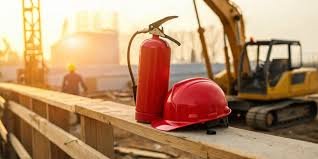
Construction projects help communities grow by providing new homes, offices, schools, hospitals, and commercial buildings. However, construction work can also create fire hazards that affect workers, contractors, nearby residents, and entire neighbourhoods. Temporary electrical connections, welding activities, flammable materials, and poorly managed waste can increase the risk of fire before a building is completed.
In Pakistan, construction projects range from small residential renovations to large commercial developments and high-rise buildings. Every project needs suitable fire prevention measures based on its size, activities, materials, and surroundings. Families living near a construction site should also understand the potential risks and know how to respond if an emergency occurs.
Fire safety is not only the responsibility of construction workers. Contractors, site managers, property owners, safety officers, and nearby residents all have a role in reducing preventable hazards.
This guide explains the major causes of construction-site fires, practical prevention methods, the importance of alarms and firefighting equipment, and the steps families can take to protect themselves.
1. Why Is Fire Safety Important on Construction Sites?
Construction sites change continuously. A building may have incomplete walls, temporary stairways, exposed wiring, unfinished electrical systems, and materials stored in different locations. These changing conditions can make it difficult to identify hazards or evacuate workers quickly.
Combustible materials such as timber, cardboard, insulation, packaging, paints, and certain adhesives can contribute to fire growth. Welding and cutting activities can introduce sparks, while temporary electrical equipment may create ignition risks when damaged or improperly installed.
A construction fire can cause several problems:
- Injuries to workers and people nearby.
- Damage to equipment, materials, and unfinished structures.
- Delays that affect project schedules and costs.
- Smoke exposure for neighbouring homes and businesses.
- Damage to adjoining buildings and community infrastructure.
- Disruption to roads, utilities, and emergency access.
Good fire safety planning helps identify these risks before work begins. It also prepares workers to raise an alarm, evacuate safely, and contact emergency services when necessary.
2. Common Causes of Construction-Site Fires
Understanding the main causes of fire is the first step towards preventing an incident.
Electrical faults
Temporary wiring, overloaded extension leads, damaged plugs, faulty distribution boards, and unsuitable electrical equipment can create fire hazards. Construction sites often require temporary power for lighting, machinery, pumps, and tools.
Electrical installations should be designed, installed, inspected, and repaired by competent personnel. Damaged cables should be reported immediately, and electrical equipment should be protected from water, impact, and other site conditions.
Workers should never improvise electrical repairs or overload power connections to keep a project moving.
Welding, cutting, and other hot work
Hot work includes activities that generate heat, flames, or sparks, such as welding, metal cutting, and grinding. Sparks may reach combustible materials or travel through gaps in floors and walls.
Before hot work begins, responsible personnel should assess the surrounding area, remove or protect combustible materials, provide suitable firefighting equipment, and follow an approved permit procedure where required.
A designated fire watch may be necessary during the activity and for an appropriate period afterwards, depending on the hazards and site procedures.
Flammable liquids and gases
Paints, solvents, fuels, gas cylinders, and certain construction chemicals can increase fire risk when handled or stored incorrectly.
These materials should be kept in suitable, clearly identified storage areas away from ignition sources. Containers should remain properly closed when not in use, and incompatible materials should be separated according to their safety requirements.
Workers should follow product safety instructions and avoid storing more hazardous material in work areas than the task requires.
Poor housekeeping
Discarded packaging, wood scraps, oily waste, and other combustible rubbish can help a small fire spread. Clutter may also obstruct escape routes and prevent emergency responders from reaching the affected area.
Regular cleaning, organised material storage, and safe waste removal are therefore essential parts of a construction-site fire prevention programme.
3. Create a Practical Fire Safety Plan
Every construction project should have a fire safety plan appropriate to its activities, layout, workforce, and level of risk. The plan should be prepared before work begins and updated whenever site conditions change.
A useful plan identifies:
- Potential fire hazards and the people who may be exposed.
- Locations of firefighting equipment and alarm points.
- Emergency exits, stairways, and evacuation routes.
- Safe assembly points outside the danger area.
- Procedures for reporting a fire and contacting emergency services.
- Responsibilities of supervisors, safety officers, and workers.
- Arrangements for assisting visitors and people who may need additional support.
- Procedures for accounting for workers after evacuation.
The plan should be easy for workers to understand. Important instructions should be communicated in languages and formats appropriate for the workforce.
Emergency contact details and evacuation diagrams should be displayed in suitable, visible locations. Supervisors should explain the procedures during induction and repeat the training when site conditions or responsibilities change.
A written plan is useful only when workers know how to follow it.
4. The Role of Fire Detection and Alarm Systems
Early warning can give people valuable time to leave a hazardous area. Fire detection and alarm arrangements should therefore be considered during construction planning rather than postponed until a building is nearly complete.
The appropriate system depends on the building stage, occupancy, environmental conditions, and applicable requirements.
Possible measures include:
- Suitable smoke or heat detection in relevant areas.
- Manual alarm points where appropriate.
- Audible alarms or visible warning devices.
- Temporary warning arrangements where permanent systems are not yet operational.
- Regular testing and inspection by competent personnel.
- Clear procedures for responding to an alarm.
A properly designed fire alarm system in Pakistan should be selected and installed according to the project’s needs and applicable standards. Dust, humidity, temporary partitions, and ongoing construction work may affect detector placement and performance, so system design and maintenance require professional attention.
An alarm should never be treated as a substitute for evacuation planning, safe electrical installations, or suitable firefighting arrangements.
If a permanent system is being installed in stages, the site manager should establish appropriate interim precautions so that workers are not left without an effective means of receiving a fire warning.
5. Keep Escape Routes and Emergency Access Clear
A fire can become more dangerous when people cannot leave quickly. Construction sites may have changing layouts, temporary barriers, scaffolding, stored materials, and unfinished stairways, all of which can complicate evacuation.
Escape routes should be identified, maintained, and communicated to everyone working on site. Routes should lead towards safe areas and remain free from materials, equipment, and waste.
Site managers should pay particular attention to:
- Access to exits and stairways.
- Clear signs showing evacuation directions.
- Emergency lighting where required.
- Safe arrangements for temporary buildings and site offices.
- Access for fire and rescue vehicles.
- Assembly points away from likely fire and smoke exposure.
As construction progresses, the site layout should be reviewed regularly. A route that was safe during one stage of the project may become unsuitable after structural changes or the installation of temporary equipment.
Workers should never be instructed to use a route that has become unsafe because of fire, smoke, structural damage, or another emergency condition.
6. Store Construction Materials Safely
Good storage practices reduce the likelihood of a fire starting and help limit its spread.
Combustible materials should be organised rather than left in piles around work areas. Flammable liquids and gases should be stored in suitable locations with appropriate separation, ventilation, security, and protection from ignition sources.
The following practices can improve storage safety:
- Keep combustible waste away from hot-work areas.
- Store chemicals according to their safety data sheets.
- Secure gas cylinders and protect them from damage.
- Keep fuel and solvents away from unauthorised access and ignition sources.
- Separate incompatible materials.
- Remove unnecessary packaging and waste regularly.
- Keep firefighting equipment accessible.
The site team should also consider neighbouring homes, shops, and pedestrian routes when deciding where to store materials. Storage areas should not block public access or create avoidable hazards for people outside the site.
7. Provide Suitable Firefighting Equipment
Construction sites need firefighting equipment appropriate to the hazards present. The selection, number, and placement of extinguishers and other equipment should be determined by a competent person.
Depending on the project, arrangements may include portable fire extinguishers, hose reels, hydrants, or other approved fire protection measures.
Equipment should be easy to locate, accessible, inspected, and maintained according to the manufacturer’s instructions and applicable requirements.
Workers should receive training on raising the alarm, evacuating, and understanding the limitations of firefighting equipment. Only trained people should attempt to tackle a small fire when it is safe to do so, the correct equipment is available, and a clear escape route remains behind them.
Life safety must always come first. If a fire is spreading, smoke is increasing, or the situation is uncertain, workers should evacuate and alert emergency services rather than attempt to fight the fire.
Electrical equipment must not be approached with an unsuitable extinguishing agent. People should follow their training and the equipment’s instructions.
8. Train Workers and Conduct Emergency Drills
Fire safety training helps workers recognise hazards and respond appropriately. Every worker should understand how to report unsafe conditions, raise an alarm, follow evacuation instructions, and reach the designated assembly point.
Training should cover:
- Common site-specific fire hazards.
- Safe handling and storage of flammable materials.
- Hot-work precautions.
- Electrical safety and reporting damaged equipment.
- Alarm signals and evacuation procedures.
- Locations of exits and assembly points.
- The safe use and limitations of firefighting equipment.
- Procedures for accounting for workers and reporting missing persons.
Emergency drills allow the team to practise the plan before a real incident occurs. Drills should be organised at suitable intervals and reviewed afterwards to identify blocked routes, communication problems, or confusion about responsibilities.
Contractors should ensure that new workers and subcontractors receive the necessary induction before starting work. Visitors should also be told how to respond to an alarm and where to go.
9. How Can Families Living Near Construction Sites Stay Safe?
Families may be exposed to risks if a fire spreads beyond a construction boundary or produces smoke that reaches nearby homes. Residents can reduce uncertainty by understanding the surroundings and knowing what to do during an emergency.
Know the nearest safe routes
Identify ways to leave your home or building if an emergency affects the street or neighbouring property. Keep household exits clear and avoid relying on a single route if another safe option is available.
Take smoke warnings seriously
If smoke enters your home or neighbourhood, follow instructions from emergency services. Depending on the location and conditions, authorities may advise evacuation or remaining indoors with doors and windows closed. Do not assume one response is suitable for every incident.
Keep children away from construction areas
Children should never enter construction sites or play near stored materials, temporary electrical equipment, machinery, or fuel storage. Parents and caregivers should explain that barriers and warning signs mark areas where hazards may exist.
Report visible hazards
If you notice smoke, flames, a strong fuel smell, damaged barriers, or another immediate danger, move away and contact the relevant emergency service or site management from a safe location.
Do not enter the construction site to investigate or attempt to handle hazardous materials yourself.
Prepare a household emergency plan
Families can agree on a meeting point, identify emergency contacts, and explain how children should respond if separated from adults. Keep essential contact details accessible and follow local emergency instructions during an incident.
These measures do not replace the contractor’s responsibilities. They help families make informed decisions while those responsible for the site manage the hazards.
10. Fire Safety Responsibilities in Pakistan
Pakistan’s Building Code of Pakistan—Fire Safety Provisions 2016 provides a national framework addressing fire prevention, life safety, and fire protection for buildings and structures. Its application and enforcement depend on the relevant authority and applicable local arrangements.
The Punjab Civil Defence Department also identifies fire detection and alarm systems, firefighting arrangements, fire safety plans, and emergency exits among the measures considered during fire safety inspections of relevant premises.
For construction projects, owners, developers, contractors, and safety professionals should confirm which building codes, local bylaws, approvals, and inspection requirements apply to their specific site. Requirements can vary according to building type, location, project stage, and the authority having jurisdiction.
A project team should not assume that meeting one general checklist automatically satisfies every legal or technical obligation. Qualified professionals can help determine the appropriate fire protection measures, documentation, inspections, and testing.
11. A Simple Construction-Site Fire Safety Checklist
Site managers can use the following checklist during routine inspections:
- [ ] Temporary electrical installations are safe and inspected.
- [ ] Hot work is controlled through suitable procedures.
- [ ] Flammable materials are stored correctly.
- [ ] Combustible waste is removed regularly.
- [ ] Alarm and warning arrangements are available and tested as required.
- [ ] Firefighting equipment is accessible and maintained.
- [ ] Escape routes and emergency access remain clear.
- [ ] Workers understand the evacuation plan.
- [ ] Emergency contact information is displayed.
- [ ] Fire drills and training are documented.
- [ ] Site changes are reviewed for new fire hazards.
- [ ] Nearby residents can report urgent safety concerns.
The checklist should be adapted to the project rather than used as a replacement for a formal risk assessment or required inspection.
12. Why Regular Inspections Matter
Fire risks can change from one day to the next. New equipment may be connected, materials may arrive, walls may be removed, and hot work may move to another floor. Regular inspections help identify these changes before they lead to an emergency.
A useful inspection programme includes observations of electrical equipment, storage arrangements, waste management, alarm availability, escape routes, and firefighting equipment. Findings should be recorded, assigned to responsible personnel, and followed up until the hazards are corrected.
Supervisors should encourage workers to report unsafe conditions without fear of blame. Quick reporting makes it easier for the site team to respond before a minor issue becomes a serious incident.
Inspections should also take place after significant layout changes, new high-risk activities, or incidents that reveal weaknesses in existing controls.
Conclusion
Fire safety for construction sites protects more than the building under development. It helps safeguard workers, contractors, nearby residents, families, and the wider community.
The most effective approach combines hazard identification, safe material storage, electrical safety, controlled hot work, clear escape routes, suitable alarms, accessible firefighting equipment, worker training, and regular inspections.
In Pakistan, project teams should consult the applicable building code and local authorities to determine the requirements for their specific construction project. Families living nearby can contribute by keeping away from hazardous work areas, recognising warning signs, preparing household emergency plans, and reporting concerns from a safe location.
A well-managed construction site treats fire prevention as a daily responsibility, not a final step before a building opens.
Frequently Asked Questions (FAQs)
1. Why is fire safety important on construction sites?
Fire safety reduces the risk of injuries, property damage, project delays, and harm to nearby communities. Construction sites can contain temporary wiring, combustible waste, flammable materials, and hot-work activities that require careful management.
2. What are the most common causes of construction-site fires?
Common causes include electrical faults, welding and cutting sparks, improper storage of flammable liquids or gases, unsafe smoking practices, and accumulated combustible waste. Regular inspections and suitable safety procedures help control these hazards.
3. Are fire alarm systems necessary during construction?
Appropriate fire detection and warning arrangements can provide early notice of danger while a building is under construction. The system and any temporary measures should be selected according to the project stage, hazards, applicable requirements, and advice from competent fire safety professionals.
4. How can families stay safe near a construction site?
Families should keep children away from the site, know safe routes out of their homes, prepare household emergency contacts, and follow official instructions during a fire. They should report visible hazards from a safe location rather than entering the construction area.
5. Which fire safety rules apply to construction projects in Pakistan?
The Building Code of Pakistan—Fire Safety Provisions 2016 is an important national reference. The exact requirements for a project depend on the applicable codes, local bylaws, building type, and relevant authority. Developers should confirm their obligations with qualified professionals and the appropriate local authorities.