
A safe home is a place where families can relax without worrying about unexpected dangers. However, fire hazards can develop in any household, whether from cooking activities, electrical faults, heating equipment, or the unsafe storage of flammable materials. A small incident can quickly become a serious emergency if people do not have the right safety equipment or know how to respond.
Fire extinguishers are an important part of household fire protection. They are designed to control certain small fires when used correctly and when it is safe to do so. However, purchasing an extinguisher is only the beginning. Homeowners also need to understand which type is suitable, where it should be placed, how it should be maintained, and when evacuation is the safer option.
In Pakistan, where many households rely on electrical appliances, gas cooking equipment, and backup generators, understanding basic fire prevention is particularly valuable. A suitable extinguisher, working smoke alarms, an appropriate fire alarm system in Pakistan, and a clear escape plan can contribute to a safer living environment.
This guide explains the essentials of home fire extinguishers, helping families make informed decisions and develop better fire safety habits.
Why Are Fire Extinguishers Important at Home?
Fire extinguishers provide a way to tackle certain small fires before they spread. They contain an extinguishing agent designed for particular types of fire, such as burning paper, flammable liquids, or electrical equipment.
For example, a suitable extinguisher may help control a small fire involving an ordinary combustible material. However, a fire involving cooking oil, a gas cylinder, or electrical equipment requires special consideration because the wrong extinguishing agent can make the situation more dangerous.
A household extinguisher can offer several benefits:
- Early response: It may help control a small, contained fire before it grows.
- Protection of property: Appropriate use may limit damage to furniture, appliances, and other belongings.
- Improved preparedness: Keeping suitable equipment accessible encourages families to plan for emergencies.
- Greater awareness: Learning about extinguishers helps household members understand different fire hazards.
An extinguisher is not a replacement for smoke alarms, evacuation planning, or emergency services. Fire can spread rapidly, and smoke can make it difficult to see or breathe. If a fire is growing, producing heavy smoke, or blocking an exit, everyone should leave immediately rather than attempt to fight it.
Understanding Different Types of Fire Extinguishers
Not every extinguisher works on every fire. Choosing the right type is essential because an unsuitable agent may fail to control the flames or create additional hazards.
1. Water Fire Extinguishers
Water extinguishers are generally intended for Class A fires involving ordinary combustible materials, including wood, paper, and some fabrics.
They are not suitable for fires involving live electrical equipment or flammable liquids. Water can conduct electricity and may spread certain burning liquids, making the situation more hazardous.
For this reason, homeowners should never assume that a water extinguisher is suitable for every household fire.
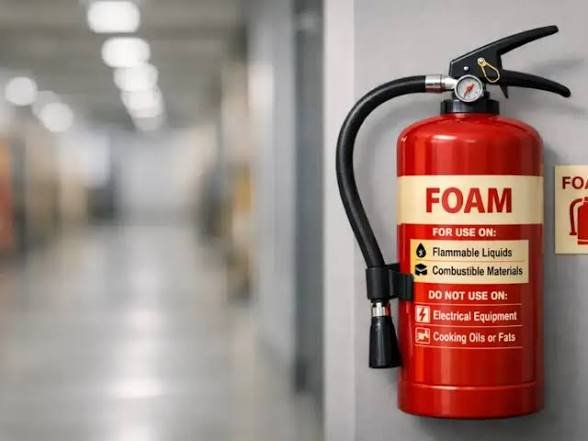
2. Foam Fire Extinguishers
Foam extinguishers are designed for certain fires involving ordinary combustible materials and flammable liquids, depending on the product’s rating and instructions.
They may be suitable for particular storage or workshop environments, but users must check the manufacturer’s specifications before choosing one for a home.
Standard foam extinguishers should not be used on live electrical equipment unless the product is specifically rated for that application.
3. Dry Chemical Powder Extinguishers
Multipurpose dry chemical powder extinguishers are commonly considered for residential and commercial fire protection. A suitable ABC-rated model can be used on many fires involving ordinary combustibles, flammable liquids, and electrical equipment, according to its rating.
These extinguishers can be useful where several types of hazards may be present. However, the powder can reduce visibility and leave residue that may damage sensitive electronics.
Always check the label and make sure the extinguisher is suitable for the hazards in your home.
4. Carbon Dioxide Extinguishers
Carbon dioxide (CO₂) extinguishers are commonly used for certain flammable-liquid and electrical-equipment fires. They leave little residue, which can be helpful around sensitive equipment.
However, they are not ideal for every household fire. They may be less effective on deep-seated materials that can reignite, and carbon dioxide can create an asphyxiation risk in confined spaces.
A CO₂ extinguisher should therefore be selected according to the specific risk rather than purchased as a universal solution.
5. Wet Chemical Extinguishers
Wet chemical extinguishers are designed primarily for fires involving cooking oils and fats, particularly in professional kitchens. Their suitability depends on the product’s classification and intended application.
A home with frequent frying or extensive cooking activities should assess kitchen fire risks carefully. Never use water on burning cooking oil, and never carry a burning pan to another location.
For more guidance on extinguisher types and their intended uses, consult the U.S. Fire Administration’s fire extinguisher guide.
How to Choose the Right Fire Extinguisher for Your Home
Choosing an extinguisher involves more than comparing prices or selecting the largest available model. The correct choice depends on the hazards present, the size of the area, and whether household members can safely operate the equipment.
Assess the Main Fire Risks
Start by identifying possible sources of ignition throughout your home.
The kitchen may contain cooking oil, gas appliances, and electrical equipment. Bedrooms and living rooms may contain charging devices, televisions, extension leads, and upholstered furniture. Garages or storage areas may contain fuel, paint, cleaning products, or tools.
This assessment helps determine which extinguisher classifications are appropriate.
Check the Fire Rating
Read the extinguisher label carefully. It should clearly identify the types of fires for which the equipment is suitable, along with its rating, operating instructions, and relevant safety information.
Do not purchase an extinguisher simply because a seller describes it as suitable for all fires. Verify the manufacturer’s information and seek advice from a qualified fire safety professional if necessary.
Consider Weight and Ease of Use
An extinguisher should be manageable for the adult expected to operate it. A model that is too heavy or difficult to handle may be unsuitable for the household.
Consider the needs of older residents and people with mobility limitations. Children should know how to raise the alarm and leave the building; they should not be expected to operate firefighting equipment.
Buy From a Reliable Supplier
Look for clear product identification, genuine manufacturer information, appropriate certification or conformity documentation, and access to professional servicing.
In Pakistan, homeowners should also check applicable local building and fire safety requirements. A qualified supplier can help explain which equipment is appropriate for the property’s specific risks.
Where Should Fire Extinguishers Be Placed?
Correct placement is important because an extinguisher is useful only when it can be reached safely during an emergency.
Near the Kitchen Exit
Cooking areas are common locations for household fire incidents. Consider placing a suitable extinguisher near an accessible exit, away from direct heat and grease buildup.
Do not position it where a person would have to reach across a cooker or move toward a fire to retrieve it. The priority is always to keep an escape route available.
In Utility and Electrical Areas
Homes with electrical distribution boards, backup power equipment, or other utility installations should assess the relevant fire risks. Choose equipment according to the hazard and any manufacturer’s restrictions.
Keep extinguishers accessible without placing them where leaks, moisture, excessive heat, or physical damage may affect their condition.
Near Garages and Storage Spaces
Garages and storage areas may contain combustible materials, paints, fuels, or other products that increase fire risk. An appropriate extinguisher may be helpful, but prevention and safe storage remain essential.
Keep equipment away from obstructions and ensure residents can identify its location quickly.
Keep Extinguishers Visible and Accessible
Mount or store extinguishers according to the manufacturer’s instructions and applicable requirements. Do not hide them behind furniture, cover them with stored items, or leave them where children can play with them.
Everyone in the household should know where the equipment is located and understand that evacuation takes priority over retrieving it.
Fire Extinguishers and Fire Alarm Systems Work Together
Fire extinguishers are only one part of a complete home fire safety plan. They require someone to recognise the fire, reach the equipment, and decide whether intervention is safe.
Smoke alarms provide an early warning that can help residents respond before conditions deteriorate. In suitable buildings, a fire alarm system in Pakistan may include detection devices, audible or visual alarms, a control panel, and backup power, depending on the building’s design and requirements.
For a typical household, working smoke alarms, safe electrical installations, suitable extinguishers, and clear escape routes form complementary layers of protection.
A few important practices can improve overall preparedness:
- Install smoke alarms in appropriate locations and test them according to the manufacturer’s guidance.
- Keep doors, corridors, and stairways clear.
- Prepare and practise a household escape plan.
- Ensure everyone knows how to alert other occupants.
- Identify a safe outdoor meeting point.
- Teach children to leave immediately when an alarm sounds and never return for belongings.
The Punjab Civil Defence fire safety guidance identifies fire detection and alarm systems, firefighting arrangements, and emergency evacuation planning among important fire safety measures for covered premises.
The precise requirements for a private residence may differ from those for commercial buildings or high-rise properties, so check the applicable rules for your location.
How to Use a Fire Extinguisher Safely
Using an extinguisher is appropriate only when the fire is small and contained, the equipment is suitable, and the person has a safe escape route. Alert other occupants and contact the relevant emergency service. Do not delay evacuation to attempt firefighting.
For adults who have received suitable instruction, the common PASS method describes four operating steps:
- Pull: Pull the safety pin or release the locking mechanism as instructed on the extinguisher.
- Aim: Direct the nozzle toward the base of the fire, following the product instructions.
- Squeeze: Press the operating handle to discharge the extinguishing agent.
- Sweep: Move the nozzle from side to side across the burning area as appropriate.
The PASS method is not a guarantee of safety. Different extinguishers may have different operating instructions, and some fires are unsuitable for portable extinguishers.
Never approach a fire that is spreading, producing heavy smoke, or threatening your exit. If the extinguisher does not control the fire promptly, leave immediately. Close doors behind you when safe to do so, and do not re-enter the building until emergency personnel say it is safe.
Essential Fire Extinguisher Maintenance Tips
An extinguisher that has been neglected may not work when needed. Regular checks help identify damage, loss of pressure, or other problems.
Inspect the Exterior
Look for dents, corrosion, leakage, damaged hoses, blocked nozzles, or signs of tampering. If the cylinder appears damaged, do not attempt to repair it yourself.
Check the Pressure Indicator
Where a pressure gauge is fitted, confirm that its indicator is within the manufacturer’s acceptable range. Some extinguisher types do not use the same pressure-gauge arrangement, so follow the product’s instructions.
Keep the Equipment Clean and Accessible
Remove dust and other surface dirt without damaging the label or components. Ensure the extinguisher remains visible and is not obstructed by household items.
Follow Professional Servicing Requirements
Inspection, servicing, recharging, and replacement schedules vary according to the extinguisher type, manufacturer, condition, and applicable standards.
Use a qualified service provider and keep records of professional maintenance where appropriate. Do not open, dismantle, recharge, or pressure-test a cylinder unless you are properly qualified and equipped to do so.
Replace or Service Used Equipment
Even a brief discharge can reduce an extinguisher’s readiness. After any use, arrange inspection and servicing or replacement according to the manufacturer’s instructions.
Never assume that an extinguisher is ready for another emergency simply because it still looks full.
Common Fire Extinguisher Mistakes to Avoid
Some mistakes reduce the effectiveness of household fire protection. Awareness can help prevent them.
Buying without checking the rating: A low price is not useful if the equipment cannot handle the hazards present.
Ignoring the instructions: Residents should understand the label before an emergency occurs.
Blocking access: Furniture, boxes, and other objects should never obstruct safety equipment.
Skipping maintenance: A damaged, discharged, or poorly maintained extinguisher may fail when required.
Using water on every fire: Water is dangerous for certain electrical and flammable-liquid fires and must never be poured onto burning cooking oil.
Attempting to fight a large fire: Portable extinguishers are intended for limited situations. Evacuation and emergency assistance take priority when the fire is beyond safe control.
Relying on equipment alone: Fire prevention, early warning, escape planning, and emergency communication remain essential.
Fire Safety Considerations for Homes in Pakistan
Households in Pakistan can face a range of fire risks, including overloaded sockets, damaged electrical wiring, unsafe cooking practices, poorly maintained appliances, and inappropriate storage of flammable materials.
Simple preventive steps can make a meaningful difference:
- Have electrical faults checked by a qualified electrician.
- Avoid overloading sockets and extension leads.
- Keep combustible items away from cooking equipment.
- Maintain gas appliances and follow safe cylinder-storage practices.
- Switch off equipment when appropriate and follow manufacturer guidance.
- Keep matches, lighters, and other ignition sources away from young children.
- Make sure all family members understand the escape plan.
Owners of apartments, rented homes, and multi-storey properties should also understand the building’s emergency procedures and keep shared exits clear.
Where local regulations apply, follow the relevant authority’s requirements for fire detection, alarms, extinguishers, and other protective systems. A qualified professional can help determine the appropriate equipment and installation arrangements.
A Simple Home Fire Safety Checklist
Use this checklist to review your household’s preparedness:
- [ ] Identify the main fire hazards in each room.
- [ ] Choose extinguishers suitable for the identified risks.
- [ ] Check that the equipment is genuine, undamaged, and within its service requirements.
- [ ] Place extinguishers where adults can access them without moving toward a fire.
- [ ] Install and maintain suitable smoke alarms.
- [ ] Keep exits, corridors, and stairways clear.
- [ ] Prepare an escape plan with a safe outdoor meeting point.
- [ ] Explain alarm and evacuation procedures to everyone in the home.
- [ ] Arrange professional inspection or servicing when required.
- [ ] Review the plan periodically and after significant changes to the property.
A checklist is most useful when it becomes part of a regular household routine rather than a one-time activity.
Conclusion
Fire extinguishers are an important starting point for a safer home, but selecting the correct equipment is only one part of effective fire protection. Homeowners must understand the different extinguisher types, assess their property’s hazards, choose suitable products, and maintain them according to professional guidance.
In Pakistan, combining appropriate extinguishers with smoke alarms, a suitable fire alarm system in Pakistan where required, safe electrical and cooking practices, and a well-planned escape route can improve household preparedness.
Most importantly, remember that personal safety comes first. An extinguisher is intended for limited situations where its use is safe—not as a reason to remain in a dangerous building. When in doubt, evacuate, alert others, and contact emergency services.
A safer home begins with awareness, preparation, and consistent attention to fire prevention.
Frequently Asked Questions (FAQs)
1. Which fire extinguisher is best for a home in Pakistan?
The best choice depends on the hazards in the property. A suitable multipurpose ABC dry chemical extinguisher may cover several common fire classes, but kitchens, electrical installations, and storage areas may require additional consideration. Check the product rating and consult a qualified fire safety professional when needed.
2. Where should a fire extinguisher be placed at home?
Place it in a visible, accessible location where an adult can reach it without approaching a fire or blocking an escape route. A location near an exit may be appropriate, depending on the hazard and the manufacturer’s installation instructions.
3. Can I use a fire extinguisher on an electrical fire?
Only use an extinguisher specifically rated for the electrical hazard and follow its instructions. Do not touch live equipment or approach a fire if doing so puts you at risk. Evacuate and seek emergency assistance if the situation is unsafe.
4. How often should a home fire extinguisher be checked?
Follow the manufacturer’s inspection and servicing schedule and all applicable local requirements. Check for visible damage, blocked access, and any pressure-gauge indication where fitted. Arrange professional servicing when required and after use.
5. Are fire extinguishers enough to protect a home from fire?
No. Extinguishers are one part of a wider safety plan. Smoke alarms, suitable fire detection and alarm arrangements, electrical maintenance, safe cooking practices, clear exits, and a household evacuation plan are also important. If a fire is spreading or escape is threatened, leave immediately rather than attempt to extinguish it.