
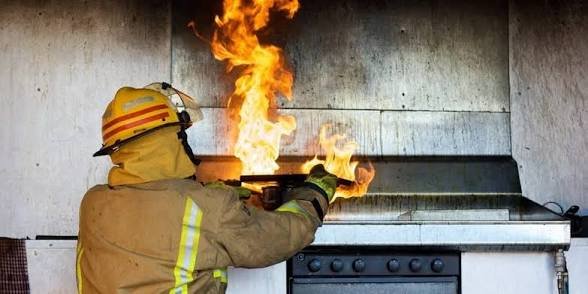
Fire extinguishers are among the most recognizable pieces of fire-safety equipment. They are commonly found in homes, offices, schools, shops, restaurants, factories, warehouses, and other buildings. However, simply having an extinguisher on a wall does not automatically mean a property is adequately protected.
Effective fire safety involves choosing suitable equipment, placing it where it can be accessed safely, maintaining it properly, and combining it with other measures such as detection, alarms, evacuation planning, and professional inspection.
Pakistan’s Building Code includes specific fire-safety provisions concerning the suitability, distribution, maintenance, and accessibility of fire extinguishers. The Pakistan Engineering Council lists the Building Code of Pakistan – Fire Safety Provisions 2016 within its building-code resources.
Why Fire Extinguishers Are Important
A fire extinguisher is intended to provide first-aid fire protection. When a small, manageable fire occurs and conditions are safe, the appropriate extinguisher may help prevent the incident from becoming larger.
However, an extinguisher is only one layer of protection. It should never be considered a replacement for evacuation procedures, fire alarms, automatic suppression systems, or emergency services.
The main value of an extinguisher is its availability during the early stage of an incident. This is why accessibility and maintenance matter just as much as purchasing the equipment.
For larger or rapidly developing fires, people should prioritize evacuation and contact emergency services rather than attempting to fight the fire themselves.
Fire Extinguishers and Fire Alarm Systems Work Together
Fire extinguishers and fire alarm systems have different purposes.
An extinguisher is designed to provide first-aid firefighting capability for an appropriate small fire. A fire alarm system is designed to detect and communicate a fire emergency so occupants can respond and evacuate.
A modern fire alarm system in Pakistan can use smoke detectors, heat detectors, control panels, and notification devices to provide early warning. Flame Defender describes conventional, addressable, wireless, intelligent, smoke-detection, and heat-detection systems among its fire-alarm solutions.
This means a comprehensive safety strategy may include both detection and portable firefighting equipment rather than relying on either one alone.
Choosing the Right Fire Extinguisher
Not every extinguisher is suitable for every type of fire. Different extinguishing agents are designed for different hazards.
Common categories include:
- Water extinguishers: generally associated with ordinary combustible materials such as paper, wood, and some textiles.
- Dry chemical powder (DCP): commonly used for a range of fire hazards depending on the specific classification and extinguisher rating.
- Carbon dioxide (CO₂): commonly used for certain electrical and flammable-liquid hazards.
- Foam extinguishers: designed for particular combustible and flammable-liquid applications.
- Wet chemical extinguishers: commonly associated with commercial cooking hazards.
Flame Defender lists DCP, CO₂, foam, water, and other extinguisher options and emphasizes selecting equipment according to the particular application.
The correct selection should be based on a fire-risk assessment and applicable standards rather than simply choosing the cheapest or most common model.
Location Is Just as Important as Equipment
An extinguisher cannot provide useful protection if people cannot reach it safely.
The Building Code of Pakistan requires free access to permanent, temporary, or portable first-aid fire equipment in the situations covered by its provisions.
Extinguishers should therefore be located in appropriate, clearly identifiable positions and should not be hidden behind furniture, stored goods, or other obstructions.
People responsible for a building should also know where the extinguishers are located. Regular checks can help identify situations where equipment has been moved or access has become blocked.
Fire Extinguisher Maintenance
A fire extinguisher can appear normal from the outside while still having a problem that affects its reliability.
Maintenance may involve checking its condition, pressure, seals, hose or nozzle, cylinder, and extinguishing agent. The exact servicing requirements depend on the extinguisher type and applicable standards.
Flame Defender states that professional extinguisher servicing can include inspection, refilling, testing, pressure testing, and maintenance.
Maintenance should be handled according to the manufacturer’s instructions and applicable fire-safety requirements.
Why Regular Inspection Matters
Regular inspection can identify problems before an emergency occurs.
A responsible inspection program can check whether:
- The extinguisher remains in its designated location.
- Access to it is clear.
- There is visible damage or corrosion.
- The operating components appear intact.
- Pressure indicators, where provided, are in the appropriate range.
- Seals and pins remain intact.
- Labels and instructions remain readable.
- The extinguisher has been serviced when required.
A professional inspection is particularly important when equipment is old, damaged, discharged, exposed to harsh conditions, or otherwise suspected of being unreliable.
Refilling After Use
A fire extinguisher that has been discharged should not simply be returned to its original location.
Even partial use can mean that the extinguisher is no longer ready for another emergency. It should be assessed and recharged or replaced as appropriate.
Flame Defender’s published guidance emphasizes refilling extinguishers after use and maintaining them so they remain ready for emergencies.
The exact servicing process depends on the type of extinguisher and its condition.
Environmental Conditions Can Affect Equipment
Fire extinguishers can be exposed to heat, humidity, dust, moisture, and other environmental conditions.
Over time, unsuitable conditions may contribute to corrosion or deterioration of components. This makes regular inspection particularly important in locations where equipment is exposed to challenging environmental conditions.
A suitable maintenance program helps identify problems before they affect reliability.
Fire Extinguishers in Offices
Offices commonly contain electrical equipment, paper products, furniture, computers, and other materials.
A workplace fire-safety assessment can determine which extinguishers are appropriate and where they should be positioned.
However, employees should not be expected to take unnecessary risks during an emergency. If a fire is growing, producing significant smoke, blocking an exit, or otherwise creating danger, evacuation should take priority.
Fire Extinguishers in Schools
Schools need fire-safety arrangements that protect students, teachers, staff, and visitors.
Extinguishers may form part of the school’s overall fire-protection system, but students should not be expected to fight fires. Staff responsibilities should be established through the school’s emergency plan.
Schools should also combine extinguishers with fire detection, alarms, evacuation routes, emergency communication, and regular drills.
Fire Extinguishers in Restaurants
Restaurants have particular hazards because kitchens may contain cooking equipment, heat sources, electrical appliances, gas equipment, and cooking oils.
The appropriate fire-protection equipment should therefore be selected according to the kitchen’s hazards. In some commercial kitchens, dedicated suppression systems may also be appropriate.
Fire extinguishers remain one component of a broader kitchen fire-safety strategy rather than a complete solution by themselves.
Fire Extinguishers in Factories and Warehouses
Factories and warehouses can contain large quantities of combustible materials, machinery, electrical equipment, chemicals, or other specialized hazards.
The size and complexity of these facilities can make professional fire-risk assessment especially important.
The Building Code’s construction provisions, for example, include requirements for approved extinguishers in certain construction-related situations and emphasize maintaining access to first-aid firefighting equipment.
Industrial facilities may also require fixed suppression, hydrant systems, detection systems, or other protection depending on their risk profile.
Fire Extinguishers During Construction
Construction sites can change rapidly. Temporary electrical systems, construction materials, workshops, storage areas, and unfinished structures can create changing fire risks.
Pakistan’s fire-safety provisions specifically address first-aid firefighting equipment during construction and require appropriate extinguishers in certain locations as combustible materials accumulate.
Construction managers should therefore review fire protection as the project progresses rather than treating it as a one-time installation.
Fire Safety Should Not Depend on Extinguishers Alone
One of the most important principles of fire safety is using multiple layers of protection.
A building may require a combination of:
- Fire prevention procedures
- Fire detection
- Alarm notification
- Portable extinguishers
- Automatic suppression where appropriate
- Emergency exits
- Emergency lighting and signs where required
- Staff training
- Evacuation plans
- Regular inspection and maintenance
This layered approach helps reduce reliance on any single piece of equipment.
The Building Code of Pakistan similarly emphasizes that fire safety should not depend on a single safeguard and that additional safeguards may be needed.
The Role of Fire Alarm Systems
Fire extinguishers are most effective as part of a broader fire-safety strategy.
A properly designed fire alarm system in Pakistan can help detect a fire and warn occupants before the situation becomes more serious. Flame Defender states that its fire-alarm services include site assessment, system design, installation, commissioning, testing, maintenance, and upgrades.
Detection and notification are particularly important because people may not be near the location where a fire begins.
An alarm can alert occupants so they can follow the building’s emergency procedure and evacuate when necessary.
Maintenance of Fire Alarm Systems
Like extinguishers, fire alarm systems require ongoing maintenance.
Dust, humidity, wear, electrical faults, and other issues can affect detectors and control equipment over time. Flame Defender recommends regular maintenance, testing, cleaning, and checking of fire-alarm components.
A building’s fire-safety program should therefore address both portable equipment and fixed systems.
Training and Awareness
Equipment is more useful when the people responsible for a building understand the emergency plan.
Organizations can provide appropriate safety awareness covering:
- Alarm signals
- Emergency exits
- Assembly locations
- Reporting procedures
- Fire-equipment locations
- Evacuation responsibilities
- Emergency communication
Training should be appropriate to the person’s role.
For young students, visitors, or members of the public, the priority should generally be recognizing alarms and following evacuation instructions rather than attempting firefighting.
Fire Safety Documentation
Good recordkeeping helps organizations manage their fire-protection responsibilities.
Records may include:
- Equipment inventories
- Inspection dates
- Maintenance reports
- Refilling records
- Testing records
- Repairs
- Fire drills
- Alarm-system servicing
- Risk assessments
Documentation also helps management identify recurring problems and determine when equipment needs professional attention.
Professional Inspection and Servicing
Professional servicing can be valuable because fire-protection equipment may require knowledge, tools, and procedures that ordinary visual checks cannot provide.
Flame Defender describes services including extinguisher installation, inspection, refilling, testing, maintenance, and pressure testing.
The appropriate servicing schedule should be determined by the equipment type, manufacturer requirements, applicable standards, environmental conditions, and local requirements.
Why Fire Extinguishers Are a Safety Investment
Calling fire extinguishers an investment does not mean they are guaranteed to stop every fire. Their value comes from being one part of a larger system designed to reduce risk and improve emergency readiness.
A suitable extinguisher can provide an additional layer of protection for a building. Proper placement makes it accessible, maintenance improves reliability, and staff awareness helps ensure people understand what to do during an emergency.
At the same time, investment should extend beyond portable extinguishers to include alarms, detection, evacuation planning, maintenance, and professional assessment.
Choosing a Reliable Fire-Safety Approach
When selecting fire-protection equipment, organizations should consider more than purchase price.
Important factors include:
- Type of hazard
- Building size and layout
- Occupancy
- Equipment location
- Extinguisher rating and suitability
- Applicable standards
- Maintenance requirements
- Environmental conditions
- Availability of professional servicing
- Integration with other fire-safety systems
A professional risk assessment can help identify the appropriate combination of equipment and systems.
The Role of Flame Defender
provides fire-safety equipment and services in Pakistan, including fire extinguishers, installation, inspection, refilling, testing, and maintenance. Its published extinguisher range includes DCP, CO₂, water, and foam options.
The company also provides fire-alarm installation and maintenance services, which can complement portable fire-protection equipment.
The correct solution should always be determined by the property’s specific risks and applicable requirements rather than by choosing equipment solely on brand or price.
Final Thoughts
Fire extinguishers are an essential part of many fire-safety plans, but owning one is only the beginning. The equipment needs to be appropriate for the hazards, correctly located, accessible, inspected, and maintained.
A complete safety strategy should also include fire detection, alarms, evacuation planning, emergency communication, training, and other protective systems where required.
For properties in Pakistan, the Building Code of Pakistan provides an important framework for fire-safety provisions, while professional inspection and maintenance can help organizations keep their equipment ready for emergencies.
A properly maintained extinguisher may provide valuable first-aid protection during a small emergency, but personal safety should always come first. When a fire is beyond safe control, occupants should evacuate and allow trained emergency responders to handle the situation.
FAQs
1. Why are fire extinguishers important?
Fire extinguishers provide an additional layer of first-aid fire protection for appropriate small fires. They should be used only when conditions are safe and as part of a broader fire-safety plan.
2. How do fire extinguishers and fire alarms work together?
A fire alarm is designed to detect and warn occupants about a fire emergency, while an appropriate extinguisher can provide first-aid firefighting capability for a manageable fire. Neither should be considered a complete replacement for the other.
3. What types of fire extinguishers are available?
Common types include water, dry chemical powder, CO₂, foam, and wet chemical extinguishers. The correct type depends on the specific fire hazards present.
4. Do fire extinguishers need regular maintenance?
Yes. Fire extinguishers should be inspected and maintained according to applicable standards, manufacturer requirements, and their operating environment. They should also be assessed and serviced after use.
5. Why is a fire alarm system important in Pakistan?
A fire alarm system in Pakistan can provide early warning by detecting conditions such as smoke or heat and notifying building occupants. It forms one part of a broader fire-protection strategy that can include extinguishers, evacuation procedures, suppression systems, and regular maintenance.