
Fire alarm systems are an important part of modern fire safety. They are designed to detect signs of fire, alert people inside a building, and provide an early warning so that occupants can follow the appropriate emergency procedure.
A fire alarm system is not simply a panel mounted on a wall. It is a complete system made up of detectors, manual activation devices, control equipment, notification devices, power supplies, wiring, and other components. All of these parts need to work together correctly.
For homes, offices, schools, hospitals, factories, warehouses, hotels, shopping centers, and other buildings, using the right system and maintaining it properly can make a significant difference during a fire emergency.
In Pakistan, fire-safety requirements depend on factors such as building type, occupancy, design, and applicable regulations. The Pakistan Engineering Council lists the Building Code of Pakistan 2021 and Building Code of Pakistan Fire Safety Provisions 2016 among its published building codes and standards.
What Is a Fire Alarm System?
A fire alarm system is a collection of devices designed to detect a potential fire and warn occupants.
Depending on the design, a system can detect:
- Smoke
- Heat
- Manual fire-alarm activation
- Other specified fire conditions
Once a detection device identifies a possible fire, it sends a signal to the fire alarm control panel. The control panel processes the signal and activates the appropriate notification devices.
These can include:
- Sounders
- Bells
- Sirens
- Visual notification devices
- Emergency communication systems
The exact arrangement depends on the building and its fire-safety design.
Why Fire Alarm Systems Matter
Fire can spread quickly, especially where combustible materials are present. People may also be asleep, working in another room, or located far from the point where a fire begins.
Early warning can help occupants recognize an emergency sooner.
The Building Code of Pakistan 2021 states that fire alarm systems are to be provided where required by the applicable Building Code of Pakistan Fire Safety Provisions 2016. It also identifies fire alarm and automatic fire-detection systems among emergency power loads in applicable situations.
A fire alarm does not extinguish a fire. Its main purpose is detection and notification.
Main Components of a Fire Alarm System
Understanding the main components makes it easier to understand how to use a system correctly.
Smoke Detectors
Smoke detectors identify smoke associated with a developing fire.
They are commonly used in offices, residential buildings, corridors, and other areas where smoke detection is suitable.
The type and location of detectors should be determined according to the building design and applicable requirements.
Heat Detectors
Heat detectors respond to temperature conditions rather than smoke.
They can be appropriate for certain areas where environmental conditions could make smoke detection unsuitable or more prone to unwanted alarms.
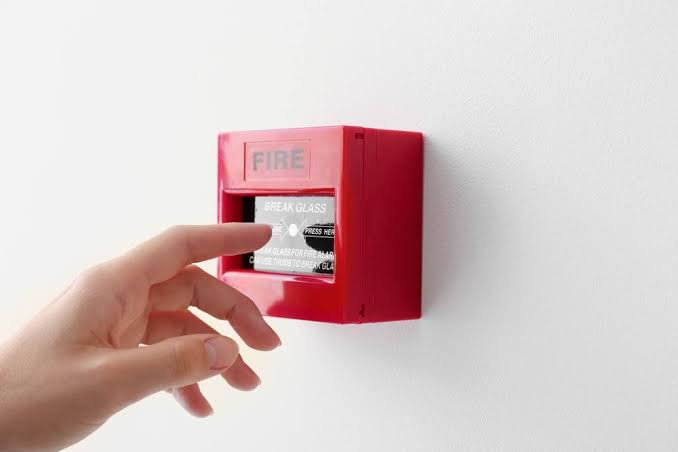
Manual Call Points
Manual call points allow a person who discovers a fire to activate the alarm manually.
These devices should remain accessible and clearly identifiable.
Fire Alarm Control Panel
The control panel is the central part of many fire alarm systems.
It receives signals from detectors and other devices, displays system conditions, and controls notification equipment.
It may also indicate faults, such as problems with wiring, power supplies, or connected devices.
Sounders and Visual Indicators
Sounders provide an audible warning.
Visual notification devices can provide additional warning where required, particularly in environments where an audible alarm alone may not be sufficient.
Conventional Fire Alarm Systems
A conventional system divides a building into zones.
When a detector or manual call point activates, the control panel identifies the affected zone rather than necessarily identifying the exact individual device.
Conventional systems can be suitable for smaller or simpler buildings where zone-level information is sufficient.
The appropriate system should always be selected according to the building’s requirements.
Addressable Fire Alarm Systems
Addressable systems can identify individual devices or specific points within the system.
This can make it easier to determine where an alarm or fault has occurred.
Addressable systems can be particularly useful in larger or more complex buildings such as:
- Hospitals
- Office towers
- Shopping centers
- Hotels
- Large factories
- Educational institutions
Flame Defender states that it installs both conventional and addressable fire alarm systems in Pakistan and provides design, installation, programming, commissioning, testing, maintenance, and upgrade services.
Wireless Fire Alarm Systems
Wireless systems use radio communication instead of relying entirely on traditional cabling.
They can be useful in certain existing buildings where installing new cables would be difficult or disruptive.
However, wireless systems still require proper design, installation, testing, and maintenance.
The building environment, communication reliability, device placement, and system requirements should all be considered before selecting this type of solution.
The Right Way to Use a Fire Alarm System
Using a fire alarm system correctly starts with understanding its purpose.
The system should not be treated as ordinary electrical equipment that can simply be switched off whenever it becomes inconvenient.
Occupants and building staff should understand:
- What the alarm sounds like
- What the warning indicators mean
- Where manual call points are located
- Which exits should be used
- Who is responsible for emergency procedures
- How system faults are reported
Clear instructions can help reduce confusion during an emergency.
Never Ignore a Fire Alarm
One of the most important rules is simple: take an alarm seriously.
People should not assume that an alarm is false simply because they cannot immediately see smoke or flames.
A fire may be developing in another room, floor, storage area, electrical room, or other location.
When an alarm activates, occupants should follow the building’s emergency plan and instructions from trained personnel or emergency responders.
False Alarms Need Attention
False or unwanted alarms can happen for different reasons.
Possible causes can include:
- Dust
- Steam
- Environmental conditions
- Maintenance activities
- Detector contamination
- Equipment faults
- Incorrect detector selection
- Changes to building use
The correct response is not to permanently disable the detector.
Instead, the cause should be investigated by appropriately trained personnel.
If a particular detector repeatedly causes unwanted alarms, the system design, detector type, location, or environmental conditions may need to be reviewed.
Do Not Disable Detectors
A detector may sometimes activate during construction, renovation, cooking, or other activities.
However, simply covering or disconnecting detectors without an appropriate safety procedure can leave an area without the intended protection.
If work must temporarily affect a fire alarm system, building management and qualified fire-safety personnel should follow an appropriate procedure to maintain protection during the work.
Keep Fire Alarm Equipment Accessible
Fire alarm equipment should not be hidden behind furniture, storage materials, decorations, or other objects.
Manual call points should be easy to reach.
Control panels should remain accessible to authorized personnel.
Sounders and visual notification devices should not be obstructed.
Good housekeeping supports the effectiveness of the entire system.
Proper Detector Placement Matters
Installing a large number of detectors does not automatically create a good fire alarm system.
Detectors need to be located appropriately for the spaces they protect.
Factors that can affect placement include:
- Ceiling design
- Room size
- Air movement
- Building layout
- Environmental conditions
- Potential fire hazards
- Type of detector
Professional design is therefore important.
A properly planned fire alarm system in Pakistan should consider the building’s actual layout, occupancy, risks, and applicable requirements rather than using a standard arrangement for every property.
Fire Alarm Systems and Evacuation
A fire alarm provides a warning, but people still need to know what to do after receiving that warning.
Every building should have an appropriate emergency plan.
Depending on the building, this may include:
- Recognizing the alarm.
- Stopping normal activities.
- Leaving through the designated route.
- Using appropriate stairs or exits.
- Following instructions from emergency personnel.
- Moving to the designated assembly area.
- Waiting for further instructions.
People should not delay evacuation to collect personal belongings.
Fire Alarm Systems in Residential Buildings
Homes and apartment buildings can benefit from appropriate smoke detection and alarm arrangements.
Residents should know:
- Where alarms are located
- What the alarm sounds like
- What to do if an alarm activates
- Which escape routes are available
- Where to meet after evacuation
Apartment management should also ensure that common fire-safety equipment is maintained and that emergency routes are kept clear.
Fire Alarm Systems in Offices
Office buildings can contain computers, electrical equipment, kitchens, storage areas, server rooms, and other potential fire hazards.
A suitable fire alarm system can help detect fire at an early stage and notify employees.
Office managers should ensure that:
- Detectors are maintained
- Manual call points remain accessible
- Alarm devices are not obstructed
- Fault indicators are investigated
- Employees know evacuation procedures
- Fire drills are conducted when appropriate
A fire alarm system should form part of the office’s wider emergency plan.
Fire Alarm Systems in Industrial Buildings
Factories and industrial facilities may contain machinery, electrical equipment, combustible materials, production processes, and other hazards.
Different areas may require different types of detection.
For example, a high-risk production area may require a different detection strategy from a normal office.
Professional fire-risk assessment and system design can help determine the appropriate arrangement.
Flame Defender describes fire alarm services for industrial zones, corporate facilities, residential properties, factories, warehouses, healthcare facilities, hotels, restaurants, and other building types in Pakistan.
Fire Alarm Systems in High-Rise Buildings
High-rise buildings have additional challenges because occupants may be located many floors above ground level.
A high-rise fire-safety strategy can include:
- Fire detection
- Alarm notification
- Protected stairways
- Smoke control
- Fire doors
- Emergency lighting
- Emergency power
- Fire pumps
- Emergency communication
The Building Code of Pakistan 2021 includes provisions relating to smoke control, fire alarms, means of egress, emergency power, and fire pumps for applicable building situations.
The alarm system should therefore be integrated into the building’s broader life-safety strategy.
Testing a Fire Alarm System
A fire alarm system should not simply be installed and forgotten.
Testing helps determine whether components continue to operate correctly.
Depending on the system, testing may involve:
- Detectors
- Manual call points
- Alarm sounders
- Visual indicators
- Control panels
- Batteries
- Wiring
- Communication interfaces
- Fault monitoring
Testing should be performed according to applicable requirements, manufacturer instructions, and the building’s maintenance program.
Regular Maintenance Is Essential
Maintenance helps identify problems before an emergency occurs.
Dust, humidity, aging components, damaged wiring, battery problems, and other conditions can affect system reliability.
Maintenance can include:
- Cleaning detectors
- Testing devices
- Checking batteries
- Inspecting wiring
- Reviewing fault indicators
- Testing notification devices
- Replacing damaged components
- Reviewing system records
Flame Defender describes scheduled maintenance involving cleaning, testing, calibration, fault identification, and replacement of components when necessary.
What Does a Fire Alarm Fault Mean?
A fire alarm control panel may show a fault even when there is no active fire.
A fault can indicate a technical problem that requires attention.
Examples can include:
- Battery problems
- Wiring issues
- Device faults
- Communication problems
- Power-supply issues
A fault should not simply be ignored or repeatedly reset without finding its cause.
Qualified personnel should investigate persistent faults.
Fire Alarm Systems and Emergency Power
Fire alarms need reliable power to operate.
For applicable building situations, Pakistan’s Building Code 2021 classifies fire alarm systems and automatic fire detection systems as emergency power loads.
This means emergency power planning can be an important part of building fire safety.
Backup batteries and other power arrangements should be maintained according to the system’s design and requirements.
Integrating Fire Alarms With Other Systems
Modern buildings may have several safety systems that need to work together.
A fire alarm system can potentially interact with:
- Emergency communication systems
- Smoke-control systems
- Access-control systems
- Fire suppression systems
- Building management systems
- Elevator controls
The exact interfaces depend on the building design and applicable requirements.
Integration should be designed and tested professionally because an incorrect connection can create unwanted behavior during an emergency.
Fire Alarm Systems Are Not Fire Extinguishing Systems
It is important to understand the difference.
A fire alarm system detects and reports a potential fire.
A fire suppression system is designed to control or extinguish fire using an appropriate extinguishing method.
Fire extinguishers are portable firefighting equipment.
These systems have different purposes but can work together as part of a comprehensive fire-safety strategy.
How to Reduce Unwanted Alarms
A reliable system should provide useful warnings without creating unnecessary alarms.
Good practices include:
- Selecting suitable detectors
- Installing them correctly
- Keeping detectors clean
- Reviewing environmental conditions
- Maintaining equipment
- Investigating repeated activations
- Updating the system when building use changes
For example, renovations can change room layouts or introduce new environmental conditions. These changes may require the fire alarm design to be reviewed.
Fire Alarm Systems During Renovation
Renovation work can affect an existing fire alarm system.
Walls may move, rooms may be added, ceilings may change, and construction dust may affect detectors.
Before making changes, building management should assess whether the existing system still provides appropriate coverage.
Fire alarm devices should not be removed, covered, or relocated casually.
Any temporary impairment should be managed through an appropriate safety procedure.
Choosing the Right Fire Alarm System
There is no single fire alarm system that is ideal for every building.
Selection should consider:
- Building size
- Occupancy
- Floor layout
- Fire risks
- Environmental conditions
- Number of occupants
- Existing infrastructure
- Maintenance requirements
- Applicable regulations
A small office may have very different requirements from a hospital, factory, hotel, or high-rise apartment building.
Professional assessment can help identify the appropriate system.
A Simple Fire Alarm Safety Checklist
Building owners and managers can use this checklist as a basic starting point:
- Are fire alarms operational?
- Are detectors clean and maintained?
- Are manual call points accessible?
- Are sounders unobstructed?
- Is the control panel showing faults?
- Are batteries maintained?
- Are emergency power arrangements tested?
- Are inspection records available?
- Are occupants familiar with evacuation procedures?
- Are fire exits clear?
- Have recent building changes affected detector coverage?
- Are recurring false alarms investigated?
- Is professional maintenance scheduled?
The exact inspection and testing requirements should be based on the building, equipment, manufacturer instructions, applicable standards, and local requirements.
The Right Way to Respond to an Alarm
If a fire alarm activates, occupants should follow the building’s established emergency plan.
A basic response includes:
- Take the alarm seriously.
- Stop normal activities.
- Follow the designated evacuation route.
- Use appropriate stairs or exits.
- Follow instructions from trained staff or emergency responders.
- Move to the designated safe location.
- Do not return until authorized.
People should not put themselves at risk by investigating a suspected fire or attempting to control a serious fire themselves.
Why Professional Installation Matters
A fire alarm system is only effective when its components are correctly selected, positioned, connected, programmed, tested, and maintained.
Professional installation can help address issues such as detector placement, cable routing, control-panel configuration, notification coverage, system programming, and testing.
The Pakistan Engineering Council’s online constructor/operator portal includes fire detection and suppression systems as a specific engineering category covering installation, commissioning, and maintenance of fire detection, alarm, suppression, and related equipment.
Final Thoughts
The right way to use a fire alarm system is to treat it as an essential life-safety system rather than ordinary building equipment.
A good system should be appropriately designed, professionally installed, regularly tested, properly maintained, and understood by the people who occupy the building.
A fire alarm system in Pakistan should take into account the building’s size, occupancy, layout, potential fire hazards, applicable requirements, and maintenance needs.
The alarm itself is only one part of fire safety. Safe evacuation routes, emergency lighting, fire doors, firefighting equipment, emergency power, staff training, and good fire-prevention practices all contribute to a stronger safety plan.
Pakistan Engineering Council publishes the Building Code of Pakistan 2021 and Building Code of Pakistan Fire Safety Provisions 2016 among its building-code resources.
For information about fire alarm installation, maintenance, testing, and related fire-safety services, visit Flame Defender.
Frequently Asked Questions
1. What is the main purpose of a fire alarm system?
The main purpose is to detect signs of fire and provide an early warning to occupants and responsible personnel. It can use devices such as smoke detectors, heat detectors, manual call points, control panels, and notification devices.
2. How often should a fire alarm system be maintained?
Fire alarm systems require regular inspection, testing, and maintenance. The appropriate schedule depends on the equipment, building, manufacturer instructions, applicable standards, and local requirements. Persistent faults should be investigated rather than ignored.
3. Can a fire alarm system detect smoke and heat?
Yes. Depending on its design, a system can include smoke detectors, heat detectors, or other specialized detection devices. The appropriate detector depends on the environment and fire risks in each area.
4. What should people do when a fire alarm sounds?
People should take the alarm seriously, follow the building’s emergency procedure, use the designated evacuation routes, and follow instructions from trained staff or emergency responders. They should not delay evacuation to collect belongings.
5. Is a fire alarm system enough to protect a building from fire?
No. A fire alarm provides detection and warning, but complete fire safety requires multiple measures. Depending on the building, these can include safe exits, fire doors, smoke control, emergency lighting, firefighting equipment, emergency power, fire prevention, maintenance, and occupant training.