
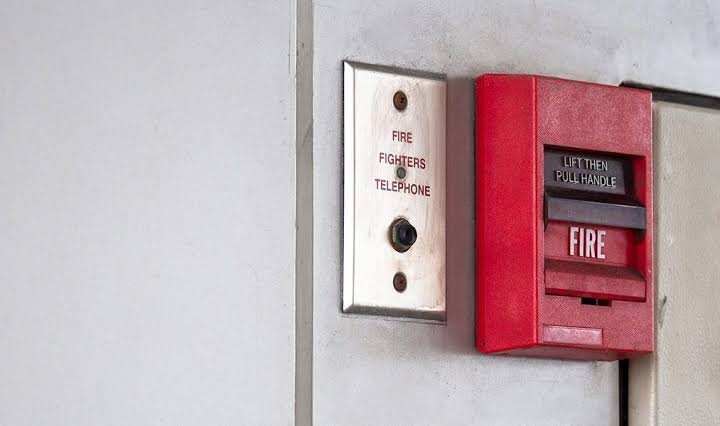
Home is where families expect to feel safe and comfortable. However, everyday activities such as cooking, using electrical appliances, charging devices, and operating heating equipment can sometimes create fire risks. A fire may begin in a kitchen, bedroom, electrical distribution board, storage area, or another part of a house. If nobody notices it early, smoke and flames can spread quickly and put everyone inside the property at risk.
A fire alarm system helps homeowners identify possible fire emergencies and alert occupants so they can respond promptly. Depending on the equipment installed, a system may detect smoke, unusual heat, or another sign of fire and produce an audible warning. More advanced systems can connect several detectors, warning devices, and a central control panel.
Understanding these systems is particularly useful for homeowners in Pakistan, where houses and apartments vary significantly in design, size, electrical infrastructure, and occupancy. A small house may need a different arrangement from a multi-storey home or a large residential building.
This guide explains how home fire alarm systems work, which types are available, where detectors should be installed, how to maintain them, and what to consider before choosing a suitable solution.
1. What Is a Fire Alarm System?
A fire alarm system is a collection of devices designed to detect signs of fire and warn people about a possible emergency. Its main purpose is to provide an early warning, giving occupants an opportunity to leave the building and contact emergency services.
A basic home setup may consist of one or more standalone smoke alarms. A larger installation may include several detectors connected to a control panel and audible warning devices throughout the property.
The main components can include:
- Smoke detectors: Identify smoke particles in the surrounding air.
- Heat detectors: Respond when temperature conditions reach specified limits or change unusually quickly, depending on the model.
- Control panel: Receives signals from connected devices and manages the alarm.
- Sounders or notification devices: Alert occupants when the system detects a potential fire.
- Manual call points: Allow people to activate an alarm manually where these devices are installed.
- Backup power: Helps suitable systems continue operating during a mains power failure.
Not every house needs every component. The correct arrangement depends on the home’s layout, potential hazards, applicable requirements, and the type of system selected.
2. Why Do Homeowners Need Fire Alarms?
A fire can develop while household members are asleep, working in another room, or away from the immediate area. Smoke may reach other parts of a building before anyone sees flames.
A working alarm can alert occupants earlier than they might otherwise notice a fire. This warning is especially important at night, when people may not recognise the danger until smoke has spread.
Important benefits include the following.
Early warning
Smoke alarms can detect smoke before a fire becomes obvious to occupants. Early warning gives people more time to begin evacuation.
Protection during sleep
An alarm with a sufficiently loud warning can help wake sleeping occupants. Homes with multiple bedrooms should have a carefully planned alarm arrangement so that the warning can be heard where people sleep.
Greater household preparedness
Installing alarms creates an opportunity to discuss escape routes, emergency contacts, and safe meeting points with family members.
Support for a broader fire safety plan
Alarms complement other precautions, including safe electrical installations, suitable fire extinguishers, clear exits, and regular maintenance.
A fire alarm does not prevent every fire or guarantee that everyone will escape safely. Its effectiveness depends on correct placement, reliable operation, and a household that knows how to respond.
3. Different Types of Fire Alarm Systems
Before selecting a system, homeowners should understand the basic options available.
Standalone smoke alarms
Standalone alarms operate independently and usually contain a built-in sounder. Some use replaceable batteries, while others have sealed long-life batteries or a mains supply with battery backup.
They can be practical for smaller homes because they do not necessarily require a central control panel. However, an alarm in one room may not provide a sufficiently clear warning throughout a large house.
Interconnected smoke alarms
Interconnected alarms communicate with one another. When one detects smoke, the connected units can sound together, depending on the product design.
This arrangement can be helpful in larger homes, multi-storey properties, and houses with bedrooms located far from the kitchen or living area.
Interconnection may be wired or wireless. Confirm compatibility before combining products from different manufacturers.
Conventional fire alarm systems
Conventional systems divide a building into detection zones. When a detector or manual call point activates, the control panel identifies the affected zone rather than necessarily showing the exact device.
These systems may be appropriate for certain larger properties, although the final choice depends on the building’s design and requirements.
Addressable fire alarm systems
An addressable system assigns an individual identity to each compatible detector or device. The control panel can indicate which specific device has activated, helping trained personnel investigate the situation.
Such systems are more commonly associated with larger or more complex buildings than with ordinary small homes. They may be relevant to large residences or properties with specialised fire protection needs.
Smart smoke alarms
Smart alarms can send notifications to a compatible mobile device or integrate with a home automation platform. Available functions vary by model and may depend on internet connectivity, an application, or a separate hub.
A mobile notification should not replace the local audible alarm. If internet service or power is interrupted, homeowners must understand which functions remain available.
4. Smoke Detectors or Heat Detectors: Which Is Better?
Smoke and heat detectors serve different purposes. Choosing between them depends on the room and the likely fire conditions.
Smoke detectors identify smoke particles and are widely used for residential early warning. They are particularly important in sleeping areas, hallways outside bedrooms, and other suitable parts of a home.
Heat detectors respond to temperature conditions. They may be useful in locations where cooking fumes, steam, dust, or other environmental conditions make a smoke alarm prone to nuisance activations.
A heat detector is not automatically a replacement for a smoke alarm throughout the house. It generally responds to different evidence of a fire and may provide warning later than a smoke detector in some situations.
For example, a kitchen may require a carefully selected detector to reduce nuisance alarms while still providing appropriate protection. Follow the manufacturer’s placement instructions and obtain professional advice if the layout is unusual.
Carbon monoxide alarms are another distinct category. Carbon monoxide is a poisonous gas produced by incomplete combustion, and an ordinary smoke alarm does not necessarily detect it. Where fuel-burning appliances create a carbon monoxide risk, consider an appropriate certified carbon monoxide alarm in addition to fire detection.
5. Where Should You Install Smoke Alarms at Home?
Correct placement is essential. Even a high-quality alarm may provide inadequate protection if it is installed in the wrong location.
For many homes, recognised residential fire safety guidance recommends installing smoke alarms:
- Inside each bedroom or sleeping room.
- Outside each separate sleeping area, such as a bedroom hallway.
- On every level of the house.
- In other appropriate areas identified through a fire safety assessment.
The National Fire Protection Association provides further guidance on smoke alarm placement and maintenance.
Smoke alarms are generally installed on ceilings or high on walls, following the instructions supplied with the device. Smoke typically rises, so placement near the ceiling helps the alarm detect it.
However, avoid placing an alarm where normal cooking fumes, shower steam, or airflow from fans may cause problems. Kitchens, bathrooms, and dusty areas require special consideration. The manufacturer’s instructions should determine the exact positioning and clearances.
For multi-storey houses in Pakistan, consider how occupants will hear an alarm from bedrooms, upper floors, and enclosed hallways. An interconnected arrangement may improve warning coverage.
If your home has a complicated layout, high ceilings, or a separate servant quarter or garage, ask a qualified fire safety professional to assess the best arrangement.
6. How to Choose a Fire Alarm System in Pakistan
Choosing a fire alarm system in Pakistan starts with understanding the property rather than buying the most expensive product available.
Assess the size of your home
Count the floors, bedrooms, hallways, and other relevant spaces. A small apartment may need a different arrangement from a large house with several wings.
Consider the main hazards
Think about cooking equipment, electrical distribution boards, fuel-burning appliances, workshops, and storage areas. The goal is to identify suitable detection and warning arrangements for the property’s risks.
Check product quality
Choose identifiable products with clear specifications, installation instructions, and maintenance information. Look for applicable certification or testing documentation and verify that it relates to the exact model.
Avoid relying solely on vague claims such as “best quality” or “international standard.” Ask the supplier to explain the product’s capabilities and limitations.
Review power requirements
Some alarms use batteries, while others connect to the mains supply. A mains-powered unit may include battery backup, but the arrangement varies by model.
Consider the reliability of the power supply in your area and understand what happens during a power outage. Replaceable batteries and backup arrangements should be maintained according to the manufacturer’s instructions.
Consider future maintenance
Before purchasing, check how the alarm will be tested, cleaned, serviced, and eventually replaced. A device that cannot be maintained properly may become unreliable over time.
Ask about installation support
Professional installation can be especially valuable for wired systems, interconnected alarms, and larger residential properties. An installer should explain how the system operates and demonstrate the testing procedure.
Homeowners researching fire protection solutions can visit Flame Defender to explore relevant information and discuss their property’s requirements with a suitable supplier.
7. Understanding Fire Alarm Requirements in Pakistan
Fire safety requirements depend on the building’s use, size, occupancy, design, and the rules enforced by the relevant authority. Homeowners should not assume that every residential property is subject to identical requirements.
The Building Code of Pakistan: Fire Safety Provisions 2016 is an important national reference for fire prevention, detection, and life safety in buildings. The code addresses fire alarm systems and other protective measures where required by the applicable provisions. Pakistan Engineering Council — Building Code of Pakistan: Fire Safety Provisions 2016
For an individual home, apartment, housing project, or building undergoing renovation, confirm which requirements apply through the relevant building control authority, development authority, housing society, or qualified fire safety professional.
Requirements may differ for an ordinary private residence, a multi-storey residential building, and a property containing commercial or mixed-use areas. Apartment owners should also understand the responsibilities of building management for shared corridors, staircases, common areas, and central fire alarm systems.
Compliance is important, but homeowners should not wait for a formal requirement before considering suitable smoke alarms and a household escape plan.
8. How to Maintain a Fire Alarm System
Installing an alarm is only the beginning. Regular maintenance helps ensure that the equipment remains ready to provide a warning.
Test alarms regularly
Follow the manufacturer’s instructions for testing. The National Fire Protection Association recommends testing smoke alarms at least once a month using the test button.
If an alarm fails to respond, check the instructions and power supply. Replace the battery when appropriate. If the device still does not work, repair or replace it according to the manufacturer’s guidance.
Clean the devices carefully
Dust can affect a detector’s performance. Clean it using the method recommended by the manufacturer. Avoid spraying cleaning products directly into the device or dismantling components that are not designed for user maintenance.
Monitor battery condition
Replace batteries when the device indicates that they are low, unless it uses a sealed battery designed for the alarm’s specified service life.
Never leave an alarm without power simply because it produces a low-battery warning. Resolve the problem promptly.
Replace old alarms
Smoke alarms do not last indefinitely. Many residential smoke alarms are designed for replacement after approximately ten years, but the exact service life depends on the product. Follow its manufacturing date and replacement instructions.
Arrange professional servicing where necessary
Larger systems may require scheduled inspection and testing by qualified personnel. Keep records of faults, tests, servicing, and component replacements.
For additional advice, consult the NFPA smoke alarm guidance.
9. Common Fire Alarm Mistakes Homeowners Should Avoid
Some problems arise not because an alarm is poor quality, but because it is installed or maintained incorrectly.
Installing too few alarms: A single detector may not adequately cover a multi-storey house or a home with several bedrooms.
Ignoring nuisance alarms: Repeated unwanted activations can tempt occupants to remove batteries or disconnect a device. Instead, investigate the cause and correct the placement or select a suitable detector.
Buying products without documentation: Missing specifications, unclear manufacturer information, and absent maintenance instructions make it difficult to assess quality.
Ignoring low-battery warnings: A warning sound often indicates that the alarm needs attention. Do not assume it is a harmless nuisance.
Blocking or painting detectors: Dust covers, paint, and other obstructions can interfere with operation. Keep devices clear and follow the cleaning instructions.
Assuming an alarm extinguishes a fire: A detection system warns occupants; it does not necessarily control flames. Evacuation, emergency assistance, and other suitable protective measures remain essential.
Failing to plan an escape route: Family members should know how to leave the property and where to meet outside. Keep doors and escape routes clear.
10. Create a Home Fire Escape Plan
An alarm is most useful when everyone knows what to do after hearing it.
Walk through the house with family members and identify the safest exits from bedrooms and common areas. Where possible, identify alternative escape routes in case the usual exit is blocked.
Choose an outdoor meeting point a safe distance from the building. Make sure children understand how to leave without stopping to collect belongings.
Discuss these important rules:
- Leave immediately when the alarm sounds and treat it as a real emergency.
- Do not waste time searching for the cause if doing so delays escape.
- Avoid lifts during a building fire.
- Stay low if smoke is present and it is necessary to move through a smoky area to escape.
- Call the local emergency service from a safe location.
- Never re-enter a burning building to retrieve belongings.
If a door feels hot or smoke is coming through it, avoid opening it and seek another safe escape route if available. If escape is blocked, close the door between yourself and the smoke, contact emergency services, and signal your location if possible.
Practise the plan periodically so that children, older adults, and visitors understand what to do.
11. Combine Fire Alarms With Other Safety Measures
A fire alarm is one part of a complete home fire safety strategy. Other precautions help reduce the chance of a fire starting and improve the household’s ability to respond.
Have damaged wiring, overloaded circuits, and faulty electrical appliances checked by a qualified electrician. Use electrical equipment according to its instructions, and avoid unsafe temporary connections.
Keep matches, lighters, and combustible materials away from children and sources of heat. Never leave cooking unattended when it creates a fire risk. Keep exits clear and ensure that household members can open doors and windows where these form part of the escape plan.
Depending on the home and its risks, suitable fire extinguishers may provide an additional layer of protection. Choose equipment appropriate for the hazards and make sure adults know its limitations. Do not attempt to fight a spreading fire or delay evacuation to use an extinguisher.
For homes with gas appliances, have installations inspected by qualified professionals and respond promptly to unusual smells or suspected leaks. Follow the relevant gas supplier’s safety instructions.
Conclusion
A well-chosen fire alarm system can help homeowners recognise a possible fire early and give occupants valuable warning to escape. The right solution depends on the home’s layout, number of floors, sleeping areas, likely hazards, power arrangements, and applicable safety requirements.
Before choosing a system, compare the available alarm types, review product documentation, plan suitable detector locations, and consider maintenance and installation needs. Test alarms regularly, replace batteries or devices as instructed, and make sure every household member understands the escape plan.
For homeowners in Pakistan, the best approach is to combine suitable fire detection with careful electrical maintenance, safe daily habits, and clear emergency procedures. For further information about fire safety solutions, visit Flame Defender and seek professional guidance when selecting equipment for your property.
Frequently Asked Questions
1. What is the best fire alarm system for a home in Pakistan?
The best option depends on the size and layout of the property. A smaller home may use suitable standalone smoke alarms, while a larger or multi-storey home may benefit from interconnected alarms. Larger or more complex buildings may require a professionally designed system based on applicable requirements.
2. Where should smoke alarms be installed in a house?
Residential guidance generally recommends smoke alarms inside bedrooms, outside separate sleeping areas, and on every level of the home. Install them according to the manufacturer’s instructions and avoid locations where cooking fumes or steam are likely to cause repeated nuisance alarms.
3. How often should a home fire alarm be tested?
Test residential smoke alarms at least once a month, following the manufacturer’s instructions. Also check the battery, clean the unit as recommended, and replace the alarm when it reaches the end of its specified service life.
4. Does a fire alarm system work during a power failure?
It depends on the design. Battery-operated alarms can continue working while their batteries have sufficient power. Mains-powered systems may use backup batteries or another backup arrangement. Check the product specifications and maintain the backup power according to the manufacturer’s instructions.
5. Is a fire alarm system compulsory in every house in Pakistan?
Requirements depend on the building type, applicable code provisions, and relevant local authority rules. Some residential buildings, particularly larger or multi-storey developments, may have specific fire detection and alarm requirements. Check with the appropriate building control authority or a qualified fire safety professional to confirm what applies to your property.