
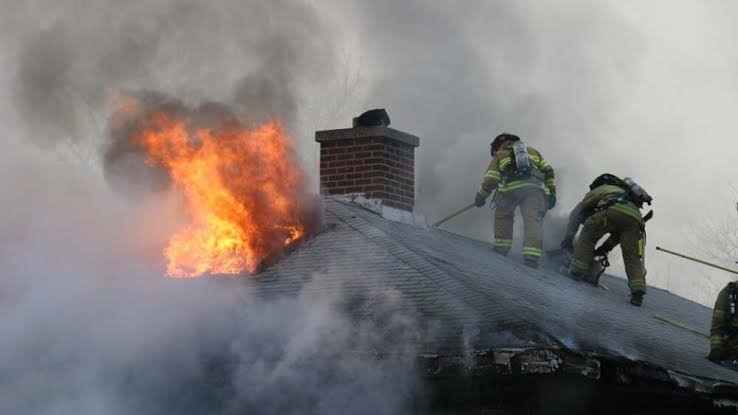
Fire safety is essential wherever flammable materials, electrical equipment, and heat sources are present. Textile mills face particular challenges because they handle cotton, yarn, fabric, lint, packaging, and other combustible materials throughout their daily operations. A small ignition source can become a serious emergency if it is not identified and controlled quickly.
Although the title asks whether you have textile mill fire safety at home, the subject is especially important for textile factories, workshops, warehouses, and businesses that store or process fabrics. Homes can also benefit from similar fire-prevention principles, particularly when people store large quantities of clothing, fabric, or other combustible items.
In Pakistan, where textile manufacturing and fabric-related businesses are important parts of the economy, proper fire protection helps safeguard workers, property, equipment, and business continuity. A complete safety strategy includes prevention, early detection, firefighting equipment, emergency exits, staff training, and regular inspections.
Understanding these measures can help property owners and managers make informed decisions about fire protection. If you are exploring a Fire alarm system in Pakistan, it is important to understand how detection and warning equipment fits into a broader fire-safety plan.
Why Is Textile Mill Fire Safety Important?
Textile facilities often contain large quantities of combustible stock. Cotton fibres, yarn, fabric rolls, cartons, and packaging can allow a fire to spread if suitable precautions are not in place.
Manufacturing processes may also involve machinery, electrical motors, heating equipment, boilers, generators, and chemical products. These create different risks that must be assessed according to the facility’s operations.
A fire can cause several types of damage:
- Risk to human life: Smoke, heat, and blocked escape routes can make evacuation difficult.
- Damage to machinery: Production equipment, electrical controls, and industrial machines can be expensive to repair or replace.
- Loss of raw materials: Cotton, yarn, fabric, and finished products may be damaged by fire, smoke, or water used during firefighting.
- Production delays: A damaged facility may be unable to fulfil orders on time.
- Financial pressure: Repairs, lost stock, interrupted operations, and insurance complications can create significant costs.
- Environmental impact: Smoke and contaminated firefighting water may affect surrounding areas.
Effective fire safety reduces avoidable risks and helps businesses prepare for emergencies before they happen.
Common Fire Hazards in Textile Mills
Recognising hazards is the first step towards preventing incidents. Every textile facility should conduct a risk assessment based on its machinery, materials, building layout, and work processes.
1. Electrical faults
Electrical equipment is widely used in textile manufacturing. Damaged cables, overloaded circuits, loose connections, defective motors, and poorly maintained electrical panels can create ignition risks.
Routine electrical inspections should be carried out by qualified professionals. Equipment must be installed and maintained according to applicable requirements, and faults should be corrected promptly.
2. Cotton dust and textile lint
Lint and fine textile dust can accumulate around machines, ventilation systems, ceilings, and concealed spaces. Certain airborne combustible dust conditions can create a serious fire or explosion hazard.
Facilities should use appropriate industrial cleaning methods, control dust accumulation, and maintain extraction systems. Compressed air should not be used in ways that disperse combustible dust into the workplace.
3. Hot machinery and friction
Moving parts, overheated bearings, poorly maintained machinery, and friction can produce heat. If combustible fibres or other materials accumulate nearby, ignition may become possible.
Preventive maintenance, temperature monitoring where appropriate, lubrication according to manufacturer guidance, and good housekeeping help reduce these risks.
4. Welding and other hot work
Maintenance activities such as welding, cutting, and grinding can generate sparks. These tasks require special precautions, including an authorised hot-work procedure, removal or protection of nearby combustibles, and appropriate fire-watch arrangements when required.
5. Chemical and fuel storage
Some textile processes use dyes, solvents, oils, cleaning products, or other chemicals. The hazards depend on the specific substances involved.
Materials should be labelled, segregated, and stored according to their safety data sheets and applicable requirements. Fuel supplies and heating equipment also need suitable separation, ventilation, and protection.
How Can a Fire Alarm System Improve Textile Mill Safety?
A fire alarm system helps identify a developing emergency and alerts people so that they can respond quickly. Early warning is particularly important in a noisy factory, a large warehouse, or a building with multiple work areas.
Depending on the facility’s design, a system may include automatic detectors, manual call points, alarm sounders, visual warning devices, a control panel, and backup power.
Automatic fire detection
Detectors identify signs of a possible fire, depending on their type and operating principle. Smoke detectors may be suitable in some areas, while heat detectors or other specialised devices may be more appropriate in environments with dust, steam, or other challenging conditions.
The correct choice depends on the risk assessment and environmental conditions. A detector designed for an office may not perform reliably in a dusty production area.
Manual call points
Manual call points allow a person who discovers a fire to activate the alarm. They should be positioned in suitable, accessible locations in accordance with the approved system design and applicable requirements.
Workers need to know how to raise the alarm without putting themselves at risk.
Audible and visual warnings
Industrial machinery can make it difficult to hear ordinary alarm sounders. Alarm coverage should therefore be assessed under actual operating conditions.
Visual warning devices may be appropriate in areas where noise levels are high or where some occupants might not hear an audible signal.
Control panels and backup power
The fire alarm control panel receives signals from connected devices and indicates the system’s status. Backup power helps maintain protection during a loss of normal electricity, subject to the system’s design and battery condition.
Routine inspection and testing are essential because an installed system cannot provide dependable protection if its components or power supply are faulty.
Businesses considering a Fire alarm system in Pakistan should select equipment and an installation plan appropriate to their building, operational hazards, and local compliance requirements.
Essential Fire Protection Equipment for Textile Facilities
An alarm provides warning, but it does not extinguish a fire. Textile mills may need several complementary fire-protection measures, selected according to a professional risk assessment and applicable regulations.
Fire extinguishers
Portable extinguishers can help trained personnel deal with small, early-stage fires when it is safe to do so and they have a clear escape route.
The type of extinguisher must match the fire hazard. Electrical equipment, combustible solids, flammable liquids, and other materials may require different approaches. Workers should never use water on electrical equipment that may remain energised or on burning substances for which water is unsuitable.
Extinguishers should be accessible, correctly identified, inspected, and maintained. Staff must understand when evacuation is safer than attempting to fight a fire.
Fire hydrants and hose reels
Larger industrial buildings may require hydrants, hose reels, or other fixed firefighting arrangements. Their suitability depends on the building’s design, water supply, fire risk, and requirements set by the relevant authority.
Access routes, valves, hoses, and related equipment should remain unobstructed and be maintained according to the approved maintenance programme.
Automatic sprinkler systems
Automatic sprinklers can control or suppress fires when designed, installed, and maintained for the relevant hazards. They may be particularly important in some industrial and storage environments.
The design must account for factors such as storage height, material type, building layout, and the arrangement of racks or machinery. A qualified fire-protection professional should determine whether sprinklers are required and what design is suitable.
Emergency lighting and exit signs
Workers need to identify escape routes if normal lighting fails or smoke reduces visibility. Emergency lighting and clearly visible exit signs can support evacuation.
Exit doors and escape routes should remain accessible. They must not be blocked by fabric rolls, cartons, equipment, or stored materials.
Creating an Effective Fire Emergency Plan
A written emergency plan turns safety equipment into a coordinated response. It should explain what employees must do when a fire is discovered or an alarm activates.
An effective plan should include the following elements:
- Raise the alarm: Explain how to activate the alarm and notify the responsible emergency team.
- Evacuate promptly: Identify the designated escape routes and alternative exits.
- Assign responsibilities: Appoint and train suitable personnel for emergency duties without expecting them to take unreasonable risks.
- Choose assembly points: Establish safe locations outside the building where employees can gather.
- Account for workers: Use a suitable process to determine whether people have reached safety and communicate missing-person information to emergency responders.
- Contact emergency services: Display the correct emergency contact information and make sure staff know how to report the incident.
- Support visitors and contractors: Explain evacuation procedures to anyone unfamiliar with the facility.
- Plan for people requiring assistance: Include appropriate arrangements for workers or visitors who may need help evacuating.
Employees should never return to a burning building to collect belongings or attempt to retrieve stock.
Fire Prevention Practices Every Textile Mill Should Follow
Fire protection becomes more effective when everyday working practices support it.
Maintain good housekeeping
Keep work areas, walkways, exits, and access to firefighting equipment clear. Remove accumulated lint and waste using suitable cleaning procedures. Store raw materials and finished products only in designated areas.
Inspect electrical installations
Arrange periodic inspections by qualified professionals. Repair damaged cables, investigate repeated electrical trips, and avoid unsafe temporary wiring or overloaded circuits.
Control smoking and ignition sources
Apply appropriate smoking restrictions and control ignition sources in designated areas. Hot work should follow an authorised procedure, including checks before and after the activity.
Maintain machinery
Follow manufacturer recommendations for inspection, cleaning, lubrication, and servicing. Address unusual heat, vibration, or burning smells promptly.
Manage chemical risks
Keep safety data sheets available, train relevant staff, and store chemicals according to their properties and compatibility. Do not assume that all textile chemicals present the same hazards.
Keep escape routes clear
Ensure that doors, stairs, corridors, and designated exits remain usable during every shift. Security arrangements must not prevent safe emergency escape.
Fire Safety Training and Drills
Even well-designed equipment can be ineffective if workers do not understand how to respond. Regular training helps employees recognise hazards, report faults, and evacuate calmly.
Training should cover alarm signals, emergency contacts, escape routes, assembly points, and the responsibilities assigned under the emergency plan. Selected employees may also receive practical extinguisher training where appropriate.
Fire drills should be conducted at planned intervals and whenever significant changes to the building or work processes make them necessary. Drills should be reviewed afterwards to identify problems, such as blocked exits, unclear instructions, or difficulty hearing alarms.
New employees, contractors, and temporary workers should receive suitable safety orientation before starting relevant work.
Understanding Fire Safety Requirements in Pakistan
Pakistan’s Building Code of Pakistan – Fire Safety Provisions 2016, published through the Pakistan Engineering Council, provides a framework for fire prevention, life safety, and fire protection in buildings and structures. Its implementation and enforcement depend on the relevant authority and applicable adoption arrangements. Requirements can vary according to the building, its use, and the jurisdiction.
Textile mill owners should consult the relevant building control authority, industrial estate administration, Civil Defence department, or other competent authority to confirm the rules that apply to their particular premises.
A compliance review may consider fire detection and alarm arrangements, firefighting systems, means of escape, emergency planning, maintenance, and inspection records. The exact requirements should be confirmed for the facility rather than assumed to be identical for every building.
Installing an alarm or purchasing extinguishers alone does not necessarily make a mill compliant. The overall system must be appropriately designed, installed, maintained, and inspected.
How to Conduct a Basic Textile Mill Fire Safety Review
A structured review helps management identify areas requiring professional attention. Use the following checklist as an initial screening tool, not as a replacement for a formal inspection.
- Check whether the fire risks of each production and storage area have been assessed.
- Confirm that alarms and detectors are suitable for the operating environment.
- Review the condition of alarm panels, power supplies, and warning devices.
- Inspect the accessibility and maintenance status of firefighting equipment.
- Check that exits, corridors, and emergency access routes are unobstructed.
- Review electrical maintenance, housekeeping, and dust-control practices.
- Confirm that chemical and fuel storage arrangements are appropriate.
- Check that emergency plans and evacuation diagrams are available where needed.
- Review staff training records and fire-drill findings.
- Keep records of inspections, faults, corrective actions, and servicing.
Where deficiencies are identified, assign responsibility for correcting them and establish realistic completion dates. Serious hazards should be addressed promptly.
Choosing a Fire Safety Provider in Pakistan
Selecting a fire safety provider requires more than comparing equipment prices. The provider should understand the building’s operational risks and be able to explain why the proposed solution is appropriate.
Before selecting a system, consider whether the provider can:
- Assess the premises and identify relevant fire hazards.
- Recommend suitable detection and alarm equipment for different areas.
- Explain system coverage, limitations, backup power, and maintenance needs.
- Provide installation documentation, testing, and commissioning.
- Offer a clear maintenance and inspection plan.
- Explain how the proposed arrangement relates to applicable local requirements.
Ask for a written proposal that identifies the equipment, installation scope, testing arrangements, and ongoing support. Avoid choosing a system solely because it is inexpensive or because a particular device is marketed as suitable for every environment.
For information about fire safety solutions, you can visit Flame Defender. Any final selection should be based on the facility’s assessed risks, professional advice, and applicable requirements.
What About Fire Safety at Home?
Although industrial fire safety needs are more complex, the same basic principles can help households. Homes that contain large quantities of clothing, fabric, cartons, or stored textiles should keep these materials away from heaters, cooking equipment, electrical faults, and other ignition sources.
Install suitable smoke alarms where appropriate, test them according to the manufacturer’s instructions, and maintain a clear escape route from sleeping areas. Keep matches and lighters away from children, and make sure everyone knows how to leave the building safely.
Never assume that a household smoke alarm can replace an industrial fire detection system, or that a textile mill’s equipment is automatically suitable for a home. Each setting needs protection suited to its own risks.
Conclusion
Textile mill fire safety requires a combination of prevention, early detection, suitable firefighting equipment, clear escape routes, staff training, and regular maintenance. Because mills handle combustible fibres and operate machinery, even a small fault can create serious consequences if hazards are not managed properly.
For businesses in Pakistan, the right approach begins with a site-specific risk assessment and a clear understanding of the requirements set by the relevant authorities. A suitable fire alarm system can provide an important early warning, but it must work as part of a complete fire-protection and emergency-response plan.
Whether you manage an industrial facility or want to improve fire safety at home, consistent maintenance and preparation are essential. Reviewing hazards today can help protect lives, property, and business operations tomorrow.
Frequently Asked Questions (FAQs)
1. Why is fire safety important in textile mills?
Textile mills store and process combustible materials such as cotton, yarn, fabric, lint, and packaging. Fire safety measures help reduce ignition risks, provide early warning, support evacuation, and limit damage to people, property, and production equipment.
2. What fire alarm system is suitable for a textile mill?
The suitable system depends on the building layout, dust levels, machinery, storage arrangements, and other environmental conditions. A qualified fire-protection professional should assess the facility and recommend appropriate detectors, alarm devices, control equipment, and backup power.
3. Is a fire alarm system enough to protect a textile factory?
No. A fire alarm system provides warning, but it does not replace other protection measures. A complete strategy may include extinguishers, sprinklers, hydrants, emergency lighting, clear exits, housekeeping, staff training, and an emergency response plan.
4. Are textile mills in Pakistan required to follow fire safety regulations?
Applicable requirements depend on the building, its use, the relevant jurisdiction, and the rules adopted or enforced by the competent authority. Owners should consult the relevant local building control authority, industrial estate administration, or Civil Defence department to confirm their obligations.
5. How often should textile mill fire safety equipment be inspected?
Inspection and maintenance schedules depend on the equipment, manufacturer instructions, applicable standards, and local requirements. Alarm systems, extinguishers, sprinklers, hydrants, and emergency lighting should be maintained and tested according to an appropriate documented programme, with records kept of faults and corrective actions.