
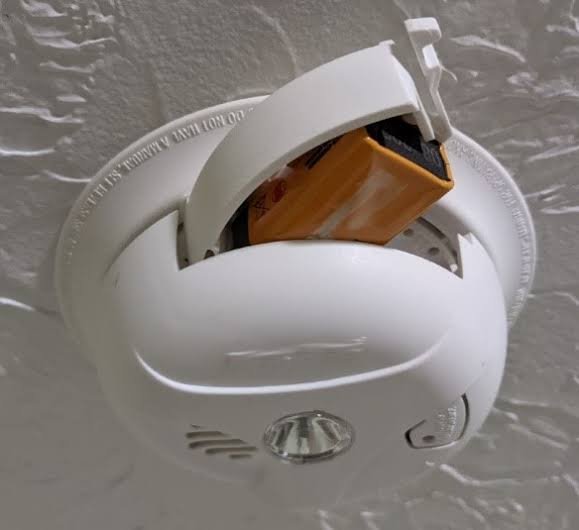
A smoke alarm is one of the simplest and most important fire-safety devices in a home. It can detect smoke at an early stage and warn people before a small fire becomes a serious emergency. However, installing a smoke alarm is not enough. The device must have a reliable power supply, a working battery where required, and regular maintenance.
Many households focus on buying smoke alarms but forget to check their batteries. Some people only notice a problem when the alarm starts making a repeated chirping sound. Others may remove a weak battery and forget to replace it. These small oversights can leave a home without an important early-warning system.
So, do you have suitable smoke alarm batteries at home? More importantly, do you know whether your alarms are working properly?
This guide explains why smoke alarm batteries matter, which types are available, when batteries should be replaced, and how households in Pakistan can maintain reliable smoke detection.
1. Why Smoke Alarm Batteries Matter
Smoke alarms are designed to detect smoke and produce an audible warning. This warning gives household members an opportunity to recognise danger, alert others, and leave the building.
A battery-powered smoke alarm depends on its battery to operate. If the battery becomes weak, is removed, or is incompatible with the device, the alarm may not work as intended.
A smoke alarm without a working power source offers no dependable protection. The United States Fire Administration (USFA) explains that a smoke alarm with a dead or missing battery is effectively the same as having no smoke alarm at all.
This is why battery maintenance should be part of every household’s fire-safety routine.
In Pakistan, homes may contain electrical appliances, cooking equipment, gas appliances, generators, and other potential sources of fire. A working smoke alarm can provide an important warning in the event of an emergency. It does not prevent every fire, but it can help people recognise danger earlier.
2. What Is a Smoke Alarm Battery?
A smoke alarm battery is the power source that allows a battery-operated alarm to function. It supplies electricity to the electronic components responsible for detecting smoke and producing a warning signal.
Different smoke alarm models use different power arrangements. Some operate entirely on replaceable batteries, while others connect to a building’s electrical supply and use a battery as backup.
The battery type and replacement schedule depend on the model. Therefore, homeowners should always read the manufacturer’s instructions instead of assuming that every smoke alarm uses the same battery.
Common arrangements include:
- Replaceable batteries: Some alarms use standard batteries, such as 9-volt or AA batteries. These need replacement according to the manufacturer’s instructions.
- Long-life sealed batteries: Certain alarms contain a sealed battery designed to last for the alarm’s stated service life, often up to ten years.
- Backup batteries: Mains-powered smoke alarms may contain a backup battery so that the device can continue operating during a power interruption.
Understanding the type of alarm installed in your home is the first step towards maintaining it correctly.
3. Different Types of Smoke Alarm Batteries
Not every smoke alarm uses the same battery. Choosing the correct replacement is important because an unsuitable battery may affect the device’s operation.
9-Volt Batteries
Some traditional smoke alarms use a 9-volt battery. These batteries are replaceable and should be checked regularly.
If your alarm uses this type, keep a compatible replacement available. Check the device’s label or manual to confirm the required battery specifications.
AA Batteries
Some modern smoke alarms use AA batteries. Depending on the model, an alarm may require one or more batteries.
Always follow the manufacturer’s instructions about battery type and quantity. Do not assume that any AA battery will be suitable for every model.
Long-Life Lithium Batteries
Some smoke alarms contain sealed lithium batteries designed to provide power for an extended period. Certain models are intended to operate for up to ten years.
These batteries are generally not designed for ordinary replacement by the homeowner. If the alarm gives an end-of-life warning or reaches its replacement date, follow the manufacturer’s instructions. The complete alarm may need replacing.
Backup Batteries in Hardwired Alarms
A hardwired smoke alarm receives its main power from the building’s electrical system. However, some models also have a backup battery.
This backup is important because electricity interruptions can occur. The backup battery should be inspected and replaced according to the product instructions.
A qualified electrician should handle electrical installation and any work involving fixed wiring.
4. How Often Should Smoke Alarm Batteries Be Replaced?
The correct replacement schedule depends on the type of battery and the smoke alarm model.
For many alarms using conventional replaceable batteries, the USFA recommends replacing the battery at least once a year. It also recommends testing smoke alarms monthly.
However, sealed long-life battery alarms follow a different schedule. Their batteries are designed to last for the stated service period, and the complete alarm may need replacement when that period ends.
A practical household routine should include:
- Check the manufacturer’s instructions when buying an alarm.
- Test the alarm every month using its test button.
- Replace conventional batteries at the recommended interval.
- Replace a battery promptly when the low-battery warning sounds.
- Check backup batteries in hardwired alarms.
- Replace the complete smoke alarm when it reaches the manufacturer’s stated service life or fails a test.
Many smoke alarms have a service life of approximately ten years, but the exact replacement date should be confirmed from the product label and instructions.
Do not wait for an emergency to discover that a battery is no longer working.
5. What Does a Chirping Smoke Alarm Mean?
A smoke alarm may produce different sounds to communicate different conditions. Understanding these sounds helps household members respond appropriately.
A short, repeated chirp at regular intervals often indicates that the battery is running low. Some models also use different signals to indicate a fault or that the alarm has reached the end of its service life.
A continuous or repeated emergency alarm signal may indicate detected smoke. The exact sound pattern varies by manufacturer, so check the user manual.
If the alarm gives a low-battery warning:
- Identify which alarm is producing the sound.
- Check its user manual and battery specifications.
- Arrange for a suitable replacement battery if the model uses a replaceable one.
- Follow the manufacturer’s instructions for replacement.
- Test the alarm using its test button.
If the warning continues after a compatible battery has been installed, the alarm may have another fault or may have reached the end of its service life. Consult the manufacturer or a qualified technician.
Never ignore repeated warning sounds. Most importantly, never leave an alarm without power simply because its chirping is inconvenient.
6. Why You Should Never Remove a Smoke Alarm Battery
One common mistake is removing a smoke alarm battery when the device makes an unwanted sound. This may happen during cooking or when steam reaches a detector.
Although an unexpected alarm can be frustrating, removing the battery disables an important safety device. If a real fire occurs while the alarm is disconnected, household members may not receive an early warning.
Instead, identify the reason for the unwanted alarm and follow the manufacturer’s guidance. If cooking fumes or steam repeatedly cause false alarms, the detector’s location or type may need professional assessment.
Smoke alarms should not be permanently disconnected or left without a working power supply. If a device repeatedly malfunctions, arrange for it to be inspected or replaced.
7. Where Should Smoke Alarms Be Installed at Home?
Having spare batteries is useful, but households also need smoke alarms in suitable locations.
The USFA recommends installing smoke alarms inside bedrooms, outside separate sleeping areas, and on every level of a home. The exact placement should follow the alarm manufacturer’s instructions and applicable local requirements.
Important locations to consider include:
Bedrooms
A smoke alarm inside a bedroom can provide a warning while someone is sleeping. This is particularly important because people may not notice smoke until an alarm alerts them.
Hallways Outside Sleeping Areas
An alarm outside bedrooms can warn people when smoke enters a shared sleeping-area corridor.
Living Areas
Living rooms and other commonly used spaces may contain electrical appliances and furniture. Suitable smoke detection can help provide earlier warning.
Every Floor of the House
Multi-storey homes should have suitable smoke detection on each level. This helps ensure that people are not relying on an alarm installed on a different floor.
Kitchen Placement
Smoke alarms should be positioned carefully around cooking areas to reduce unwanted alarms. Follow the manufacturer’s placement guidance and relevant fire-safety recommendations.
A qualified professional can help assess the best arrangement for a particular home.
8. How to Maintain Smoke Alarms Properly
Smoke alarm maintenance is not limited to replacing batteries. The complete device should be checked regularly.
A simple maintenance routine includes the following:
Monthly testing: Use the test button according to the manufacturer’s instructions. Make sure household members can hear the alarm.
Battery checks: Confirm that replaceable batteries are correctly installed and that backup batteries are maintained.
Cleaning: Dust and other particles can collect around an alarm. Clean it only as directed by the manufacturer.
Age checks: Look for the manufacturing date or replacement information on the alarm. Replace devices that have reached their stated service life.
Fault checks: If an alarm does not respond properly during testing, arrange for it to be inspected or replaced.
Household awareness: Make sure everyone knows what the alarm sounds like and understands that an emergency warning means they should leave the building and seek help.
These steps help maintain the reliability of a home smoke-detection system.
9. Keeping Spare Smoke Alarm Batteries at Home
Keeping compatible spare batteries can make routine maintenance easier. If an alarm gives a low-battery warning, the household may be able to arrange a replacement without unnecessary delay.
However, storing spare batteries requires some care.
- Keep batteries in their original packaging until needed.
- Store them in a cool, dry place.
- Keep them away from excessive heat and direct sunlight.
- Avoid storing loose batteries with metal objects that could cause contact between terminals.
- Keep batteries out of reach of young children.
- Check expiry dates and replace old stock when necessary.
- Follow the battery manufacturer’s storage instructions.
Do not buy batteries simply because they are inexpensive. Check compatibility, packaging, expiry information, and the reputation of the seller.
A spare battery is useful only when it is suitable for the alarm.
10. Choosing the Right Replacement Battery
Before purchasing a replacement, identify the smoke alarm’s brand and model. The required battery information may appear on the device, inside its battery compartment, or in its user manual.
Consider these points:
Compatibility: Select the battery type and specification recommended by the manufacturer.
Quality: Choose products from reliable manufacturers and established sellers.
Expiry date: Check that the battery has sufficient remaining shelf life.
Packaging: Avoid damaged, opened, or suspiciously labelled products.
Storage requirements: Follow the manufacturer’s advice to protect the battery before use.
Correct installation: Make sure the battery is fitted according to the instructions. If you are unsure, ask a responsible adult or qualified technician for help.
Never modify a smoke alarm or force an incompatible battery into its compartment.
11. Smoke Alarm Batteries and Power Outages in Pakistan
Power interruptions can affect households and businesses in different parts of Pakistan. This makes it important to understand whether a smoke alarm depends on mains electricity, replaceable batteries, or a backup power source.
A battery-operated alarm can operate independently of the home’s mains supply while its battery remains functional.
A hardwired alarm may continue operating during a power interruption if its backup battery is working and the model is designed for this purpose.
However, not all alarms have the same features. Homeowners should check the product specifications before purchasing or installing a device.
For larger properties, commercial buildings, offices, and apartment complexes, a complete fire-detection arrangement may involve several interconnected devices and a central control system. Such systems require professional design, installation, inspection, and maintenance.
A reliable fire alarm system in Pakistan should be selected according to the building’s size, use, layout, applicable requirements, and risk profile. A simple household smoke alarm and a commercial fire alarm system are not interchangeable.
12. The Role of Smoke Alarms in a Complete Fire-Safety Plan
Smoke alarms are important, but they are only one part of household fire safety.
A complete plan should also include:
- Clear and accessible exit routes.
- A family evacuation plan.
- A designated outdoor meeting point.
- Working emergency contact information.
- Awareness of electrical and cooking hazards.
- Regular checks of alarms and other safety equipment.
- Special arrangements for children, older adults, and people who may need assistance.
Everyone in the household should understand that an alarm is a warning to leave, not an invitation to investigate the source of smoke.
If an alarm sounds as an emergency warning, leave the building promptly, stay outside, and contact the local emergency service. Do not return inside until the authorities say it is safe.
Children should alert an adult and follow the household evacuation plan rather than attempting to inspect a fire or operate firefighting equipment.
13. Common Mistakes People Make With Smoke Alarm Batteries
Even households that own smoke alarms can make mistakes that reduce their reliability.
Forgetting Annual Battery Replacement
Some people only think about batteries when an alarm starts chirping. A planned maintenance schedule is more dependable.
Using an Incompatible Battery
A battery that looks similar may not meet the alarm’s specifications. Always check the manufacturer’s requirements.
Ignoring Low-Battery Warnings
Repeated chirping should never be treated as an ordinary background sound. Identify the cause and address it promptly.
Removing Batteries During Cooking
Disconnecting an alarm to stop an unwanted warning leaves the household without protection. Follow the manufacturer’s guidance to address nuisance alarms.
Forgetting Backup Batteries
Hardwired alarms may still depend on backup batteries. These should be included in routine maintenance.
Keeping an Old Alarm
A fresh battery does not make an outdated or faulty smoke alarm reliable. Check the manufacturing date and replace the complete device when required.
Never Testing the Alarm
A battery may be installed but the device may still have a fault. Monthly testing helps identify problems.
14. A Simple Smoke Alarm Battery Checklist for Families
A household checklist makes fire-safety maintenance easier to organise.
| Safety Check | Recommended Action |
|---|---|
| Alarm location | Check that alarms are installed in suitable areas |
| Battery type | Confirm the manufacturer’s specifications |
| Spare batteries | Keep compatible replacements where appropriate |
| Monthly test | Use the test button according to instructions |
| Low-battery warning | Address chirping promptly |
| Backup battery | Check hardwired alarm backup power |
| Cleaning | Follow the manufacturer’s cleaning guidance |
| Alarm age | Check the manufacturing and replacement dates |
| Emergency plan | Make sure everyone knows how to leave safely |
Families can assign a responsible adult to manage these checks and record the dates. A simple note on a household calendar can prevent maintenance from being forgotten.
15. Fire Alarm Awareness for Homes and Businesses in Pakistan
Fire-safety awareness is important in houses, apartments, schools, offices, shops, factories, and other buildings.
In Pakistan, the Building Code of Pakistan Fire Safety Provisions 2016 provides an important national reference for fire-safety planning. However, the requirements that apply to a particular building can depend on its occupancy, design, size, and the relevant local authority.
Homeowners should understand the difference between a standalone smoke alarm and a larger fire alarm system. Businesses and building managers may need professionally designed detection and notification arrangements, including suitable backup power and scheduled inspections.
A reliable supplier or service provider should be able to explain the equipment specifications, provide manufacturer documentation, and clarify maintenance requirements.
For a home, the first priority is to ensure that suitable smoke alarms are installed and maintained. For larger buildings, professional assessment is important to determine the appropriate system.
Flame Defender can help readers understand fire-safety equipment and the importance of maintaining reliable detection arrangements. The right equipment, combined with regular checks and household awareness, supports a safer environment.
Conclusion
Smoke alarm batteries may be small, but their role in home fire safety is significant. A smoke alarm can only provide a dependable warning when its power supply is working and the device is properly maintained.
Every household should know which type of smoke alarm it has, which battery it requires, and when that battery or the complete alarm needs replacing. Monthly testing, prompt attention to low-battery warnings, and following manufacturer instructions are simple habits that can improve household preparedness.
Whether you live in a small house or a multi-storey building, do not overlook smoke alarm maintenance. Check your alarms, keep suitable replacement batteries where needed, and make sure everyone understands the household evacuation plan.
A little attention today can help your family respond more safely to an emergency tomorrow.
Frequently Asked Questions (FAQs)
1. How often should smoke alarm batteries be replaced?
For many smoke alarms using conventional replaceable batteries, replacement is recommended at least once a year or sooner if a low-battery warning occurs. Always follow the manufacturer’s instructions because some models use sealed long-life batteries.
2. Can I use any battery in my smoke alarm?
No. Smoke alarms have specific battery requirements. Check the manufacturer’s label or user manual before purchasing a replacement. An incompatible battery may affect the alarm’s operation.
3. What does it mean when a smoke alarm keeps chirping?
A regular short chirp often indicates a low battery, but the meaning can vary by model. Check the user manual and address the warning promptly. If it continues after the correct battery is installed, the device may need professional inspection or replacement.
4. Do hardwired smoke alarms need batteries?
Some hardwired smoke alarms include backup batteries to provide power during an electricity interruption. Check your model’s specifications and maintain the backup battery according to the manufacturer’s instructions.
5. How long does a smoke alarm last?
Many smoke alarms have a recommended service life of around ten years. However, the exact replacement date depends on the model. Check the manufacturing date and replace the complete alarm when required or if it fails a test.