
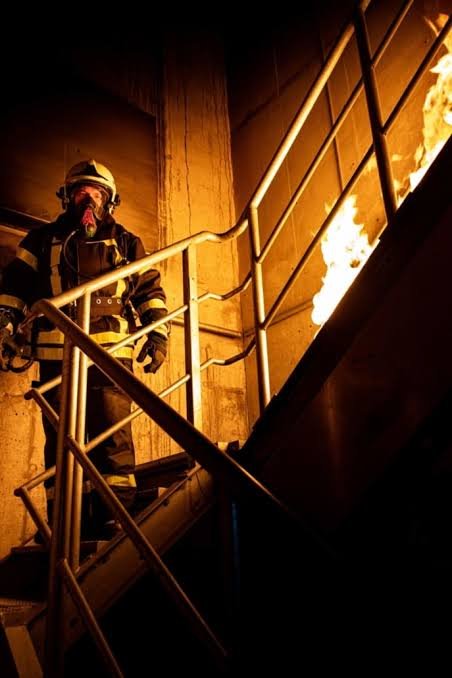
Office fire safety is an essential responsibility for every business, regardless of its size or industry. Offices contain electrical equipment, computers, printers, paper documents, furniture, kitchen appliances, and other materials that can contribute to a fire. Although many workplaces appear safe during normal operations, overlooked hazards and incorrect assumptions can leave employees and visitors at risk.
One of the biggest challenges in workplace safety is the belief that fires happen only in factories, warehouses, or buildings with obvious hazards. In reality, an ordinary office can experience a fire because of faulty electrical equipment, overloaded sockets, unsafe cooking practices, or inadequate maintenance.
Another common problem is assuming that a fire extinguisher, an emergency exit, or a fire alarm alone provides complete protection. Effective fire safety depends on several measures working together, including prevention, early warning, suitable equipment, staff training, and clear evacuation procedures.
For businesses in Pakistan, understanding office fire safety is particularly important because workplaces vary widely in building design, occupancy, electrical infrastructure, and maintenance practices. The Building Code of Pakistan (Fire Safety Provisions) 2016 provides an important reference for building fire protection and life safety.
A properly designed and maintained fire alarm system in Pakistan can help alert occupants when a fire is detected. However, its effectiveness depends on appropriate installation, regular testing, and an emergency plan that employees understand.
This article examines common office fire safety myths, explains why they are misleading, and outlines practical steps businesses can take to create safer workplaces.
Myth 1: Office Fires Are Rare, So We Do Not Need to Worry
Many office managers believe that fires are unlikely because their premises do not contain heavy machinery, industrial chemicals, or manufacturing processes. This assumption can lead to neglected maintenance and inadequate preparation.
Offices still contain potential ignition sources, including electrical wiring, computers, chargers, printers, air conditioners, heaters, and kitchen appliances. Paper, cardboard, furniture, curtains, and other combustible materials may provide fuel if a fire starts.
A small electrical fault or an unattended cooking appliance can become a serious problem when employees do not recognise the warning signs or the building lacks suitable protection.
The reality: Every workplace should assess its fire risks according to its activities, building layout, equipment, and occupancy.
Businesses can reduce avoidable hazards by inspecting electrical installations, maintaining appliances, controlling combustible storage, and ensuring that escape routes remain accessible.
A documented fire risk assessment helps identify weaknesses before they contribute to an emergency. The assessment should be reviewed whenever the office layout, equipment, occupancy, or business activities change significantly.
Myth 2: Fire Safety Is Only the Building Owner’s Responsibility
Another widespread misconception is that fire safety is entirely the landlord’s responsibility. Tenants may assume that because the building belongs to someone else, they do not need to consider fire prevention or emergency procedures.
In practice, responsibilities may be shared among building owners, landlords, tenants, property managers, employers, and maintenance contractors. The exact division depends on the lease, applicable regulations, and the responsibilities assigned to each party.
A landlord may manage shared fire protection systems, while an office tenant controls furniture placement, housekeeping, portable equipment, and employee training.
The reality: Everyone with responsibility for the building or workplace must understand their role in maintaining fire safety.
Office managers should clarify who is responsible for alarm testing, extinguisher servicing, emergency lighting, exit maintenance, and building-wide evacuation procedures.
Employees should also know how to report hazards, damaged equipment, blocked exits, and other safety concerns.
The Building Code of Pakistan (Fire Safety Provisions) 2016 addresses the responsibilities of building owners, operators, lessees, and occupants. Businesses should consult the relevant authority and qualified professionals to determine their specific obligations.
Myth 3: A Fire Extinguisher Is Enough to Protect an Office
Having a fire extinguisher on the wall can create a false sense of security. Some businesses assume that as long as an extinguisher is available, they are prepared for any fire emergency.
However, extinguishers have limitations. Different types are designed for different fire hazards, and using an unsuitable extinguisher can make a situation more dangerous.
For example, water should not be used on burning cooking oil or energised electrical equipment. A fire that is spreading rapidly or producing heavy smoke may also be too dangerous for occupants to approach.
The reality: Fire extinguishers are only one part of a wider fire protection plan.
Offices should select suitable extinguishers based on their identified hazards and applicable requirements. Equipment must be accessible, inspected, and maintained. Employees should receive appropriate training if their role includes using firefighting equipment.
A complete fire safety plan may also require fire detection, an alarm system, emergency lighting, clearly marked exits, evacuation procedures, and other measures based on the building’s design and risks.
The first priority during an emergency is to protect people. Employees should not attempt to fight a fire if doing so could expose them to danger or delay evacuation.
Myth 4: We Do Not Need a Fire Alarm System in a Small Office
Some small businesses believe that fire alarm systems are necessary only for large office towers, shopping centres, or industrial buildings. They may rely on employees noticing smoke or flames and warning everyone verbally.
This approach can be unreliable. A fire may begin in an empty room, electrical cupboard, storeroom, or kitchen. Employees on another floor or behind closed doors may not notice it immediately.
A suitable alarm system can provide a more organised warning, helping occupants respond according to the emergency plan.
The reality: Whether a formal fire alarm system is required depends on the building’s occupancy, size, design, and applicable regulations—not simply whether the business is small.
A fire alarm system in Pakistan may include automatic detectors, manual call points, a control panel, audible sounders, visual notification devices, and backup power, depending on the system design and requirements.
Small offices should assess their risks and consult qualified fire safety professionals to determine the appropriate arrangement. Some premises may need a building-wide system, while others may have different requirements.
Even where a particular system is not legally required, businesses should consider how occupants will receive prompt and reliable warning of a fire.
Myth 5: Fire Alarms Do Not Need Regular Maintenance
Installing a fire alarm is not the end of the process. Some businesses assume that once the equipment has been installed and activated, it will continue working indefinitely.
Over time, detectors can become dirty or damaged, batteries can deteriorate, wiring can develop faults, and control panels can indicate problems that go unnoticed.
A system that has not been properly maintained may fail to provide the warning occupants expect.
The reality: Fire detection and alarm equipment requires documented inspection, testing, and maintenance.
Office managers should arrange checks according to the manufacturer’s instructions, applicable standards, and local requirements. Testing should cover the relevant components of the system and be completed by competent personnel where specialist work is needed.
Maintenance records should document inspections, faults, repairs, and any equipment taken out of service.
If an essential alarm system develops a fault, responsible personnel should arrange prompt corrective action and appropriate interim safety measures. The problem should not be ignored simply because the office is operating normally.
Regular maintenance helps ensure that a fire alarm system in Pakistan remains suitable for its intended purpose.
Myth 6: Electrical Equipment Is Safe as Long as It Still Works
An electrical appliance may appear to work correctly while still presenting a potential hazard. Damaged cables, loose connections, overloaded sockets, and poor ventilation around equipment can increase the risk of overheating or electrical failure.
Offices frequently use computers, printers, photocopiers, chargers, extension leads, air conditioners, and other electrical devices. When equipment is added without reviewing the electrical supply, circuits may become overloaded.
The reality: Electrical safety requires regular inspection, correct installation, and prompt attention to faults.
Businesses should arrange appropriate inspections by qualified electricians and ensure that electrical systems are suitable for their intended load.
Employees should report damaged cables, unusual heating, burning smells, sparks, or repeated circuit interruptions. Faulty equipment should be taken out of service until it has been assessed and repaired.
Avoid connecting multiple high-power devices to unsuitable extension leads or outlets. Keep equipment ventilation openings clear, and follow the manufacturer’s instructions for use.
Electrical panels should remain accessible to authorised personnel and free from unnecessary storage.
Preventive maintenance can reduce electrical hazards and help businesses identify problems before they become emergencies.
Myth 7: Emergency Exits Can Be Used for Storage When the Office Is Busy
In crowded offices, corridors and exit areas may gradually become storage spaces. Boxes, spare furniture, office supplies, and delivery items can accumulate near doors and stairways.
Employees may assume that these items can be moved quickly if an emergency occurs. Unfortunately, a fire emergency is not the right time to discover that an escape route is obstructed.
The reality: Required escape routes must remain clear and usable whenever the building is occupied.
Office managers should regularly inspect corridors, stairways, exit doors, and routes leading to safe outdoor areas. Emergency signs must remain visible, and emergency lighting should be maintained where required.
Exit doors should operate as intended, and security arrangements must not prevent occupants from escaping safely during an emergency.
Businesses should also ensure that escape routes are suitable for the number of people using them and that employees know alternative routes where provided.
Keeping exits clear is a simple but essential responsibility. It helps reduce confusion and delays when people need to leave quickly.
Myth 8: Employees Will Automatically Know What to Do During a Fire
Some managers assume that employees will respond sensibly during an emergency without needing training. They may believe that common sense is sufficient to guide everyone towards safety.
However, an unexpected alarm can create uncertainty. Employees may not know which exit to use, where to assemble, who should contact emergency services, or whether they should attempt to collect belongings.
The reality: Employees need clear instructions, suitable training, and opportunities to practise the emergency plan.
Workplace fire safety training should explain how to raise an alarm, recognise evacuation signals, use designated escape routes, and report to the assembly point.
Staff should also understand that they must not return to the building until authorised personnel confirm it is safe.
Evacuation drills can help identify problems such as blocked corridors, confusing signs, or uncertainty about staff responsibilities. After each drill, management should review the results and make improvements where necessary.
Training should be appropriate for the workplace and repeated when there are significant changes to staff, the building, or emergency procedures.
Myth 9: Smoke Is Not Dangerous Until Flames Become Visible
People sometimes focus on visible flames and underestimate the dangers of smoke. This can lead to delayed evacuation or attempts to investigate a fire before raising the alarm.
Smoke can reduce visibility, interfere with breathing, and make it difficult to find an exit. It may also spread beyond the room where the fire started.
The reality: Smoke should be treated as a serious warning sign.
If smoke is discovered, employees should follow the emergency plan, raise the alarm, and evacuate as instructed. They should not enter a smoke-filled room to investigate or attempt to retrieve belongings.
Fire detection systems can provide warning before a fire becomes obvious to everyone. Appropriate detector selection and placement are important because different environments may require different detection methods.
A fire alarm system in Pakistan should be designed for the building’s actual conditions, with detectors and notification devices selected by competent professionals.
Employees should also know that lifts must not be used during a fire unless the building’s approved emergency arrangements specifically provide for designated evacuation lifts and trained procedures.
Myth 10: Fire Drills Waste Valuable Working Time
Businesses often operate under tight schedules and may view fire drills as an interruption to productivity. Some managers postpone them repeatedly or conduct them without checking whether the emergency plan works.
This can leave employees unfamiliar with the building’s evacuation arrangements.
The reality: Fire drills help employees practise what to do before a real emergency occurs.
A suitable drill allows management to review evacuation routes, communication methods, assembly points, and staff responsibilities. It can also reveal practical problems that may not be obvious during a routine office day.
The frequency and format of drills should reflect applicable requirements, the building’s risk assessment, and the needs of its occupants.
After a drill, managers should review the outcome, record any issues, and assign corrective actions. Repeated drills should not simply reproduce the same procedure without learning from previous results.
The aim is to build familiarity and confidence, not to create unnecessary disruption.
Myth 11: Fire Safety Equipment Does Not Need to Be Checked Until Something Goes Wrong
A common mistake is to postpone maintenance until a problem becomes visible. An extinguisher may remain unused for years, an emergency light may not be tested, or an alarm fault may be ignored because no emergency has occurred.
Unfortunately, safety equipment is intended to be ready before an incident happens.
The reality: Preventive maintenance is an essential part of workplace fire safety.
Office managers should establish a schedule for inspecting and servicing the building’s fire protection equipment. This may include extinguishers, fire alarms, detectors, emergency lighting, exit signs, and other installed systems.
The precise requirements vary by equipment type and applicable standards. Inspections and specialist servicing should be assigned to competent personnel, with records retained for review.
A maintenance register can help management track inspection dates, outstanding defects, completed repairs, and upcoming service requirements.
Where equipment is found to be defective, corrective action should be taken promptly. Essential protection should not be left impaired without appropriate measures being arranged by responsible personnel.
Myth 12: Office Fire Safety Rules Are the Same Everywhere
Businesses sometimes assume that a single general checklist covers every office. However, a small office on one floor may have very different risks from a multi-storey building with hundreds of occupants.
The requirements may also vary according to the building’s use, height, occupancy, layout, and local regulatory arrangements.
The reality: Fire safety planning must reflect the specific premises and applicable requirements.
In Pakistan, the Building Code of Pakistan (Fire Safety Provisions) 2016 provides an important reference for fire protection and life safety. The relevant authority determines how requirements apply and are enforced for a particular building.
Businesses should consult qualified fire safety professionals and the relevant building control or local authority when assessing compliance.
For offices, the assessment may consider alarm and detection systems, extinguishers, escape routes, emergency lighting, evacuation planning, and the maintenance of installed equipment.
The correct approach is to identify the building’s actual risks, confirm the applicable requirements, and address any shortcomings through a documented improvement plan.
Practical Office Fire Safety Checklist
Once common myths have been addressed, office managers can use a practical checklist to support ongoing safety.
Daily workplace habits
- Keep corridors and exits clear.
- Report damaged electrical equipment.
- Avoid unsafe use of cooking appliances.
- Dispose of waste appropriately.
- Keep combustible materials away from heat sources.
- Report suspected gas or electrical hazards immediately.
Scheduled maintenance
- Arrange appropriate electrical inspections.
- Check and service fire extinguishers as required.
- Test and maintain the fire alarm system according to applicable requirements.
- Inspect emergency lighting and exit signs.
- Keep records of inspections and corrective work.
- Review fire doors and escape routes for damage or obstruction.
Emergency preparedness
- Maintain a written fire emergency plan.
- Display clear evacuation instructions.
- Identify assembly points.
- Train employees on alarm signals and evacuation procedures.
- Conduct suitable drills and review the results.
- Ensure everyone knows how to contact emergency services.
Periodic management review
- Reassess risks after changes to the office layout or occupancy.
- Confirm that maintenance responsibilities are clear.
- Review unresolved faults and outstanding repairs.
- Consult relevant authorities or qualified professionals when needed.
- Update emergency arrangements when workplace conditions change.
This checklist provides a starting point. It should be adapted to the building’s risks, equipment, and applicable requirements rather than treated as a substitute for a professional assessment.
Why Office Fire Safety Matters for Businesses in Pakistan
Offices across Pakistan range from small rented premises to large commercial towers and shared business facilities. Their fire safety needs depend on the building’s design, number of occupants, electrical infrastructure, and the activities taking place inside.
A fire safety programme should consider both prevention and emergency response. Businesses need to reduce avoidable hazards while ensuring that occupants can receive a warning and leave safely if a fire occurs.
The Building Code of Pakistan (Fire Safety Provisions) 2016 includes provisions covering building safety, fire protection systems, maintenance responsibilities, and emergency arrangements. Owners and occupants should consult the official code and the relevant authority to confirm the requirements applicable to their premises.
A properly designed fire alarm system in Pakistan can support early warning, but it must be combined with suitable maintenance, clear exits, appropriate firefighting equipment, and staff training.
Businesses should also keep records of inspections, testing, maintenance, and emergency drills. These records help identify recurring problems and demonstrate that safety responsibilities are being managed systematically.
Office fire safety is not simply a compliance task. It is an ongoing commitment to protecting employees, visitors, property, and business continuity.
Conclusion
Office fire safety myths can create a false sense of security and cause businesses to overlook preventable hazards. Believing that office fires are rare, extinguishers are sufficient, alarms never fail, or employees will automatically know what to do can weaken a workplace’s emergency preparedness.
The solution is a practical, consistent approach. Businesses should identify hazards, maintain electrical equipment, keep escape routes clear, provide suitable firefighting equipment, and train employees to respond correctly.
A properly designed and maintained fire alarm system in Pakistan can provide an important warning when a fire is detected. However, alarms are only one part of a complete fire protection strategy that includes prevention, maintenance, evacuation planning, and regular review.
By replacing myths with reliable information and clear responsibilities, office managers can improve workplace safety and help employees respond more effectively in an emergency.
Frequently Asked Questions (FAQs)
1. What are the most common office fire safety myths?
Common myths include believing that office fires are rare, that extinguishers alone provide complete protection, that alarms do not require maintenance, and that employees will automatically know how to evacuate. These assumptions can leave important safety gaps.
2. Does a small office need a fire alarm system in Pakistan?
Requirements depend on factors such as the building’s size, occupancy, height, use, and applicable regulations. Office managers should consult the relevant local authority and a qualified fire safety professional to determine the appropriate arrangements.
3. How often should office fire safety equipment be inspected?
Inspection and servicing schedules depend on the equipment, manufacturer instructions, applicable standards, and local requirements. Businesses should maintain a documented schedule and arrange prompt repairs when faults are identified.
4. What should employees do when a fire alarm sounds?
Employees should follow the workplace emergency plan, use the designated safe escape route, and proceed to the assembly point. They should not delay evacuation to collect belongings or return to the building until authorised personnel confirm it is safe.
5. How can businesses improve office fire safety on a limited budget?
Start by keeping exits clear, reporting electrical faults, maintaining existing equipment, reducing combustible clutter, training employees, and reviewing evacuation procedures. A risk assessment can help management prioritise improvements according to their importance and applicable requirements.