
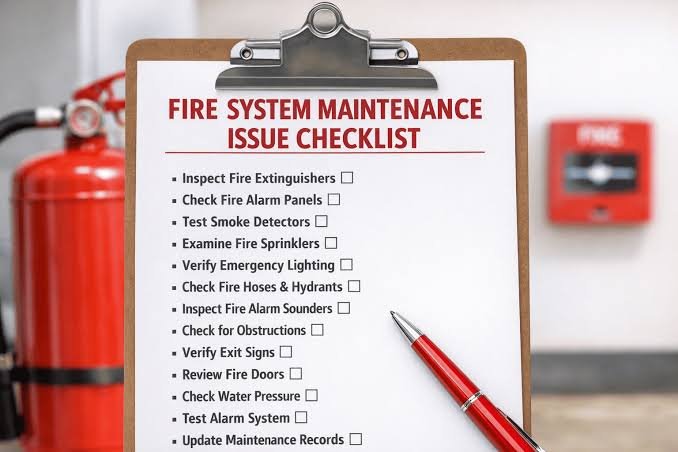
Fire safety is not limited to purchasing a fire extinguisher or installing an alarm. A safe building requires a coordinated approach that covers fire detection, warning systems, emergency exits, electrical safety, firefighting equipment, evacuation procedures, and regular inspections. A well-prepared fire safety checklist helps property owners, facility managers, businesses, and homeowners identify important safety requirements before an emergency occurs.
In Pakistan, fire safety requirements can vary according to the building type, occupancy, size, location, and applicable authority. The Building Code of Pakistan – Fire Safety Provisions 2016 applies to new and existing buildings and provides requirements relating to fire protection and life safety.
This guide explains what to look for when preparing or reviewing a fire safety checklist and how to use it when purchasing or maintaining fire protection equipment.
What Is a Fire Safety Checklist?
A fire safety checklist is a structured list of items that should be inspected to identify fire hazards and confirm that protective measures are available and maintained.
A useful checklist may cover:
- Fire detection and alarm systems
- Fire extinguishers
- Emergency exits
- Emergency lighting
- Electrical installations
- Fire doors
- Smoke and heat detection
- Fire pumps and water supplies
- Sprinkler and hydrant systems
- Evacuation plans
- Staff training and fire drills
- Storage of combustible materials
- Inspection and maintenance records
The purpose is not simply to tick boxes. Each item should help answer an important question: if a fire occurs, will people receive an early warning, have a safe route to leave, and have appropriate equipment available?
Why Fire Safety Checklists Matter
Fire hazards can develop gradually. Electrical equipment may become damaged, emergency exits can become blocked, extinguishers can lose pressure, and alarm components may require servicing.
Regular checklist-based inspections help identify these issues before they become more serious.
The Building Code of Pakistan states that fire alarm and detection systems, extinguishers, emergency response plans, and fire drills are among the minimum fire protection measures applicable to buildings where required.
A checklist also creates a record of inspections. This can help building managers track maintenance, identify repeated problems, and demonstrate that safety procedures are being reviewed.
1. Start With a Building Risk Assessment
Before buying equipment, understand the building itself.
Consider:
- Building size
- Number of floors
- Number of occupants
- Type of occupancy
- Electrical equipment
- Cooking facilities
- Storage areas
- Flammable or combustible materials
- Parking areas
- Generator rooms
- Server or electrical rooms
- Kitchens and workshops
- Emergency access for firefighters
Different environments can have different fire risks. An office, restaurant, warehouse, school, apartment building, and industrial facility should not automatically use the same checklist.
The applicable authority may also impose specific requirements. For example, Punjab has its own community safety building regulations and inspection process. The Punjab Emergency Service Department provides building safety resources and a building safety checklist through its official website.
2. Fire Alarm System Checklist
Early detection is an important part of building fire protection. A checklist should therefore include the complete alarm and detection system rather than focusing only on the control panel.
Check whether the building has appropriate:
- Smoke detectors
- Heat detectors
- Manual call points
- Audible alarm devices
- Visual notification devices where required
- Fire alarm control panels
- Backup power
- Appropriate wiring
- Zone or address identification
- Monitoring arrangements where applicable
The Building Code of Pakistan provides requirements for fire alarm systems where they are required by the applicable provisions. It also references NFPA 72 or another approved code or standard for relevant fire alarm installations.
When reviewing a fire alarm system in Pakistan, buyers should not look only at the purchase price. The system should be suitable for the building, compatible with its detection requirements, properly installed, and maintained according to applicable requirements and manufacturer instructions.
A good checklist should record the date of testing, problems identified, corrective action, and the person responsible for follow-up.
3. Fire Extinguisher Checklist
Fire extinguishers are another major part of a fire safety checklist.
Before purchasing or inspecting extinguishers, consider the types of fire risks present. Common extinguisher categories include equipment designed for ordinary combustibles, flammable liquids, electrical equipment, and cooking hazards.
A checklist can include:
- Correct extinguisher type
- Suitable capacity
- Accessible location
- Visible signage
- Correct mounting
- Pressure or condition indicator where applicable
- Intact safety seal
- No visible damage or corrosion
- Inspection label
- Maintenance record
- Appropriate travel distance
- Clear access
The exact number and placement should be determined according to the applicable building requirements and fire risk.
For example, Punjab’s community safety regulations include requirements concerning multipurpose dry chemical extinguishers, travel distances, and installation heights.
The important point for buyers is that simply having several extinguishers inside a building does not necessarily mean the building has adequate protection.
4. Emergency Exit Checklist
A fire safety checklist should always include escape routes.
Inspect:
- Exit doors
- Staircases
- Corridors
- Exit signs
- Emergency lighting
- Exit access
- Door operation
- Obstructions
- Evacuation routes
- Assembly areas
Emergency exits should remain accessible and clearly identified. Furniture, boxes, stock, machinery, or other materials should not obstruct escape routes.
Pakistan’s building provisions contain requirements relating to means of egress, while specific local regulations may establish additional requirements depending on the building and jurisdiction.
5. Electrical Safety Checklist
Electrical faults are an important fire-safety concern.
A basic inspection should consider:
- Damaged cables
- Loose connections
- Overloaded sockets
- Improper extension leads
- Damaged switches
- Electrical panels
- Generator installations
- Temporary wiring
- Appropriate circuit protection
- Equipment overheating
- Unauthorized electrical modifications
Electrical rooms and distribution panels should be kept accessible and free from unnecessary combustible storage.
Regular electrical inspection should be performed by appropriately qualified personnel rather than relying only on a visual checklist.
6. Kitchen and Cooking Area Checklist
Restaurants, hotels, homes, offices with kitchens, and other facilities with cooking areas require additional attention.
A checklist may include:
- Cooking equipment condition
- Gas connections
- Ventilation
- Grease accumulation
- Appropriate extinguishing equipment
- Emergency shut-off arrangements
- Clear access
- Staff awareness
- Cleaning schedules
Cooking areas can present different hazards from ordinary office spaces, so the equipment and inspection procedure should reflect the actual risk.
7. Fire Door Checklist
Fire doors can help limit the spread of fire and smoke when correctly designed, installed, and maintained.
Check:
- Door condition
- Frame condition
- Self-closing mechanism
- Hinges
- Hardware
- Door clearance
- Damage
- Signs of unauthorized modification
- Whether the door closes properly
- Whether it is being held open improperly
Do not assume that an ordinary door provides the same protection as a properly specified fire-rated assembly.
8. Sprinkler, Hydrant, and Hose Reel Checklist
Where these systems are required, the checklist should cover their physical condition and accessibility.
Inspect:
- Sprinkler heads
- Control valves
- Hydrant connections
- Hose reels
- Fire pumps
- Water tanks
- Pressure indicators
- Pipework
- Pump power supply
- Backup arrangements
- Access to equipment
Punjab’s building regulations, for example, contain requirements concerning hydrant systems, sprinkler systems, pumps, and dedicated water supplies for applicable buildings.
These systems should be tested and maintained according to applicable requirements and manufacturer specifications.
9. Emergency Lighting and Signage
A fire safety checklist should also verify whether people can identify escape routes if normal lighting is unavailable.
Check:
- Emergency lights
- Exit signs
- Directional signs
- Visibility
- Backup power
- Damaged fixtures
- Obstructed signs
Signs should be positioned so occupants can understand where to go during an emergency.
10. Fire Safety Training Checklist
Equipment alone cannot provide complete fire protection.
Employees, residents, security staff, and other occupants should understand:
- How to report a fire
- How to raise the alarm
- Where emergency exits are located
- Where assembly points are located
- Who is responsible for emergency coordination
- What to do when an alarm sounds
- When evacuation is required
Fire drills can help identify practical problems with evacuation routes and communication.
A checklist should record training dates, participants, observations, and corrective actions.
11. Maintenance and Inspection Records
One of the most overlooked parts of fire safety is documentation.
A useful record should include:
| Item | What to Record |
|---|---|
| Fire alarm | Test date, faults, corrective action |
| Extinguishers | Inspection and servicing dates |
| Emergency lights | Test results |
| Fire doors | Condition and repairs |
| Pumps | Testing and maintenance |
| Hydrants | Inspection and accessibility |
| Sprinklers | Inspection and servicing |
| Training | Date and participants |
| Fire drills | Date and observations |
Good documentation makes it easier to identify recurring problems and schedule maintenance.
12. What Buyers Should Check Before Purchasing Fire Safety Equipment
Price should not be the only consideration when buying fire safety equipment.
Before purchasing, ask:
- Is the equipment suitable for the building?
- Is it appropriate for the identified fire hazards?
- Does it meet applicable standards or approvals?
- Is technical documentation available?
- Are installation requirements clearly defined?
- Is replacement or maintenance support available?
- Are spare parts available when necessary?
- Can qualified technicians service the equipment?
- Does the supplier provide appropriate documentation?
- Is the equipment compatible with the existing system?
For a fire alarm installation, compatibility between detectors, control panels, notification devices, power supplies, and other components can be particularly important.
13. Create Separate Daily, Monthly, and Annual Checklists
Not every inspection needs to happen at the same frequency.
Daily or Routine Checks
Depending on the facility:
- Keep exits clear
- Keep fire equipment accessible
- Check for obvious hazards
- Remove combustible waste
- Check that emergency routes remain unobstructed
Monthly Checks
Possible monthly inspection items include:
- Fire alarm indicators
- Emergency lighting
- Extinguishers
- Fire doors
- Exit signs
- Fire pump status
- Hydrant accessibility
Scheduled Professional Maintenance
More detailed inspection and testing should be performed according to applicable codes, manufacturer instructions, and the requirements of the relevant authority.
This distinction is important because a simple visual inspection cannot replace professional testing of complex systems.
14. Consider Local Requirements in Pakistan
A checklist should not be copied from another country without checking local requirements.
The Building Code of Pakistan – Fire Safety Provisions 2016 provides a national reference framework, while provincial, municipal, development authority, and other applicable requirements can also affect a property’s fire safety arrangements.
Recent developments also show why local compliance matters. In September 2026, Punjab notified amendments to its community safety building regulations covering commercial, industrial, healthcare, residential multistorey buildings, and warehouses. The reported amendments include provisions relating to exits, extinguishers, fire alarm and detection systems, and evacuation arrangements.
Similarly, the Capital Development Authority reported in January 2026 that it had surveyed 6,500 buildings in Islamabad for fire safety and hazard control and identified issues involving fire safety plans and certificates.
Therefore, buyers should verify the requirements applicable to their specific city, building type, and authority.
15. A Simple Fire Safety Checklist for Buyers
Before considering a fire safety setup complete, review the following:
- [ ] Building fire risks have been identified
- [ ] Applicable local requirements have been reviewed
- [ ] Fire detection requirements have been assessed
- [ ] Fire alarm equipment is suitable
- [ ] Backup power is available where required
- [ ] Fire extinguishers are appropriate
- [ ] Extinguishers are accessible
- [ ] Emergency exits are clear
- [ ] Exit signs are visible
- [ ] Emergency lighting is functional
- [ ] Fire doors are maintained
- [ ] Electrical hazards have been addressed
- [ ] Cooking areas have appropriate protection
- [ ] Hydrants and hose reels are accessible where applicable
- [ ] Sprinkler systems are maintained where required
- [ ] Fire pumps and water supplies are maintained where applicable
- [ ] Employees know emergency procedures
- [ ] Fire drills are conducted where required
- [ ] Inspection records are maintained
- [ ] Corrective actions are followed up
Conclusion
A fire safety checklist is a practical tool for making purchasing and maintenance decisions more systematic. Instead of selecting equipment based only on price, building owners and managers can evaluate the actual risks, applicable requirements, equipment suitability, installation, maintenance, and emergency procedures.
For properties using a fire alarm system in Pakistan, the checklist should cover more than detectors and alarms. It should consider the entire fire protection arrangement, including emergency exits, extinguishers, electrical safety, evacuation procedures, backup power, maintenance, and relevant local requirements.
The most useful checklist is one that is regularly reviewed and updated as the building, occupancy, equipment, or regulations change. When purchasing fire safety equipment, always consider the property’s specific hazards and seek advice from qualified fire safety professionals where technical assessment or installation is required.
Frequently Asked Questions
1. What should a basic fire safety checklist include?
A basic checklist should cover fire alarms, smoke and heat detection, extinguishers, emergency exits, emergency lighting, electrical safety, fire doors, evacuation procedures, training, and maintenance records.
2. What should I check before buying fire safety equipment?
Check whether the equipment is suitable for the building’s hazards, meets applicable requirements or standards, can be properly installed, and can be maintained and serviced after installation.
3. How often should fire safety equipment be inspected?
Inspection frequency depends on the equipment, applicable regulations, manufacturer instructions, and building risk. Routine visual checks may be more frequent, while professional testing and servicing should follow the relevant requirements.
4. Are fire safety requirements the same throughout Pakistan?
Not necessarily. National building provisions provide an important framework, but provincial and local authorities may have additional requirements. Property owners should verify the rules applicable to their particular building and location.
5. Why is a fire alarm system important?
A fire alarm system can provide early warning and support emergency response. Depending on the building and applicable requirements, fire alarm systems can include automatic detection, manual alarm initiation, notification appliances, monitoring functions, and emergency control functions.