
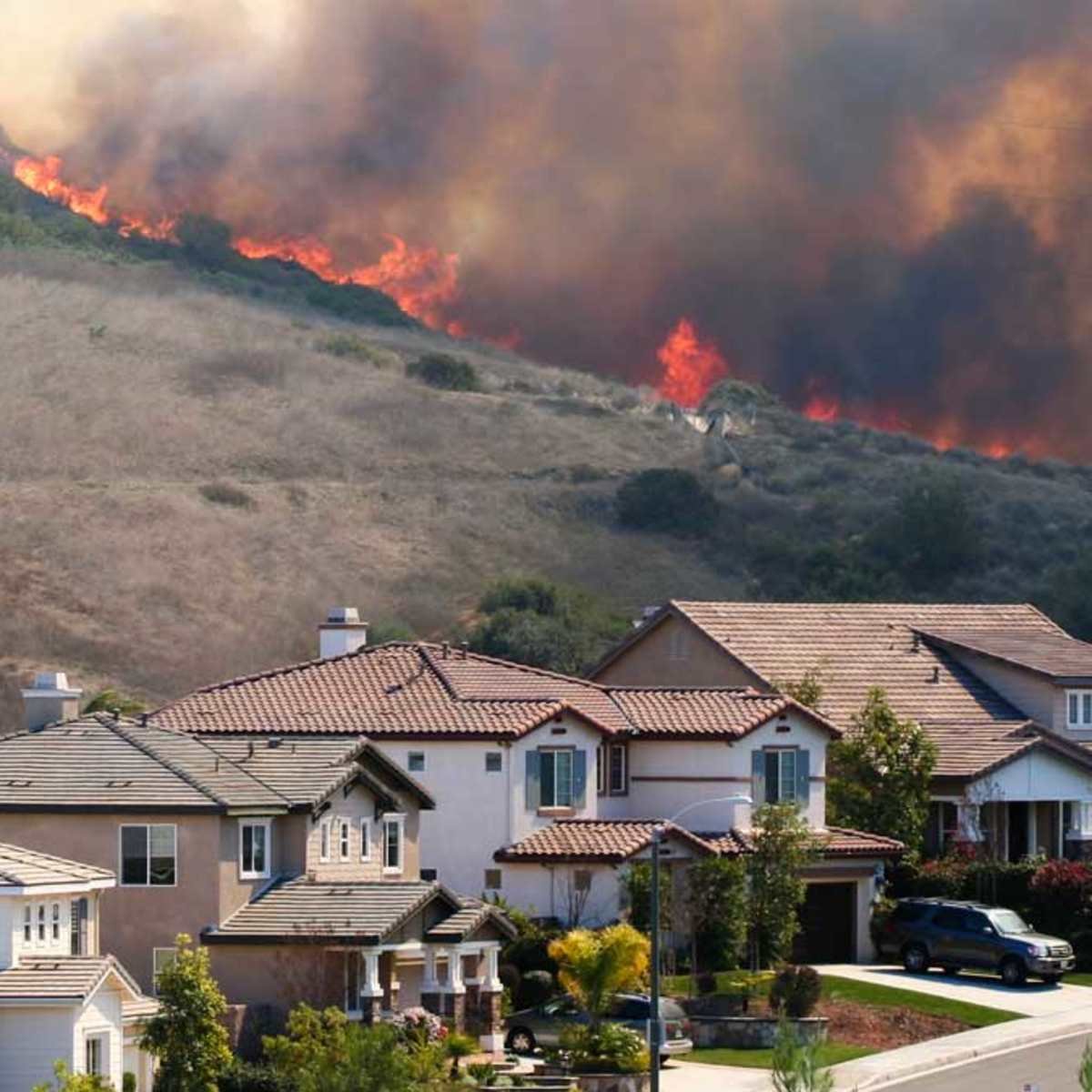
Wildfires are uncontrolled fires that spread through forests, grasslands, bushes, and other areas containing dry vegetation. They can begin in remote locations but may eventually threaten nearby homes, farms, roads, and communities. Strong winds, high temperatures, dry weather, and accumulated vegetation can make these fires particularly difficult to manage.
Homeowners who live near forests, hills, agricultural land, or open fields should understand how wildfires can affect their properties. Even people who live some distance from a fire may experience smoke, poor air quality, road closures, and disruptions to electricity or communication services.
In Pakistan, wildfire preparedness is important for communities near forested and mountainous areas, including parts of Khyber Pakhtunkhwa, Gilgit-Baltistan, Azad Jammu and Kashmir, and northern Punjab. Dry vegetation fires can also occur in other locations when weather and environmental conditions become favourable for fire spread.
Preparing a home does not mean trying to control a wildfire. It means reducing avoidable hazards, understanding official warnings, preparing family members, and knowing when to evacuate.
This guide explains how homeowners can improve wildfire preparedness, protect their surroundings, and make safer decisions during an emergency.
1. Understand What Causes Wildfires
A wildfire can begin through natural events or human activities. Lightning is one natural cause, while unattended fires, discarded cigarettes, unsafe outdoor activities, and other accidental or deliberate actions can also start vegetation fires.
The spread of a wildfire is influenced by three major factors.
Fuel: Dry leaves, grass, branches, bushes, and trees provide combustible material. Areas with large amounts of dry vegetation may have more material available to support a fire.
Weather: High temperatures, low humidity, limited rainfall, and strong winds can increase wildfire danger. Wind can also carry smoke and burning embers beyond the immediate fire area.
Terrain: Hillsides, steep slopes, valleys, and uneven landscapes can affect how a fire moves. Terrain can also make access difficult for emergency teams.
Pakistan’s provincial disaster management information identifies fuel, weather, and topography as important factors affecting forest fires. Understanding these factors helps homeowners recognise why local conditions matter.
2. Identify Wildfire Risks Around Your Home
Before making improvements, examine the surroundings of your property. The purpose is to understand which features may increase exposure to wildfire and which areas require routine maintenance.
Consider these points:
- Is the home close to a forest, grassland, or area with dense vegetation?
- Are dry leaves and branches collecting around the building?
- Are roofs and gutters regularly maintained?
- Is combustible waste stored near the property?
- Are access roads clear?
- Are there nearby buildings with unmanaged outdoor areas?
- Does the household know where to receive official emergency information?
Homes close to natural vegetation may need additional attention, particularly during periods of dry weather.
Property owners should also consider the wider neighbourhood. A wildfire can affect several properties, so preparedness should not be limited to one household.
3. Maintain the Area Around Your Property
Good property maintenance can reduce unnecessary combustible material around a home. NDMA’s summer contingency guidance recommends creating defensible spaces around residential areas by clearing flammable vegetation and debris from the immediate surroundings of buildings.
Homeowners can support this approach through regular maintenance.
Remove unnecessary dry vegetation
Dry leaves, dead branches, and accumulated garden waste should not be allowed to build up around the property. Arrange routine garden maintenance and dispose of waste responsibly.
Keep roofs and gutters clear
Leaves and small branches can collect on roofs and inside gutters. Regular inspection and cleaning help prevent unnecessary debris accumulation.
Manage outdoor storage
Wood, cardboard, packaging, and other combustible materials should be stored responsibly. Avoid allowing unnecessary materials to accumulate beside buildings.
Maintain access areas
Driveways and access roads should remain clear enough for residents and emergency vehicles. Do not use important access routes as storage areas.
Review garden arrangements
Homeowners can ask qualified local professionals about suitable landscaping and vegetation management, especially where properties are close to forested areas.
These measures do not guarantee that a property will be protected from wildfire. They are part of a broader approach to reducing avoidable risks.
4. Consider Fire Safety When Building or Renovating
The design and materials of a home can influence its vulnerability to external fire exposure. People planning construction or renovation should discuss fire safety with qualified architects, engineers, and building professionals.
NDMA’s guidance identifies metal roofing and concrete construction as examples of materials that may be considered when developing more fire-resistant buildings. The appropriate choice depends on the building design, local conditions, applicable codes, and professional assessment.
Homeowners should consider:
Roofing: Discuss suitable roofing materials and maintenance requirements with a qualified professional.
External walls: Select construction materials that meet applicable building requirements and are appropriate for the property’s location.
Windows and doors: Consider their condition, design, and suitability as part of the building’s overall protection.
Outdoor structures: Review sheds, fences, storage areas, and other structures that may contain combustible materials.
General maintenance: Repair damaged building components and address maintenance problems before they become more serious.
No building material makes a home completely immune to wildfire. Construction quality, surrounding vegetation, weather, and emergency planning all influence overall safety.
5. Prepare a Family Wildfire Emergency Plan
A family emergency plan helps everyone understand what to do when a wildfire threatens the area. It should be simple enough for every household member to understand.
A useful plan should include:
Emergency contact details
Keep important telephone numbers available. Include local emergency services, family contacts, and other relevant authorities.
Evacuation routes
Find out which roads and routes local authorities recommend for evacuation. Understand whether alternative routes are available if the usual road becomes inaccessible.
Do not assume that a route will remain safe throughout an emergency. Follow current instructions from authorities.
Meeting point
Choose a suitable meeting location outside the threatened area. Every family member should know where to go if the household becomes separated.
Household responsibilities
Discuss how family members will communicate and who may need additional assistance. Children should know to follow instructions from trusted adults.
Pets and livestock
Include pets and livestock in the household’s planning. Understand local arrangements and official advice for animal safety during emergencies.
Regular reviews
Review the plan whenever family circumstances, transport arrangements, or local conditions change.
A written emergency plan is useful, but discussing it with everyone is equally important.
6. Prepare an Emergency Supply Kit
An emergency kit can help a family manage basic needs during a temporary evacuation or disruption.
Consider including:
- Drinking water.
- Non-perishable food.
- Essential medicines.
- Important contact information.
- Copies of identification and important documents.
- A basic first-aid kit.
- A battery-powered torch.
- Spare batteries or a suitable power bank.
- Necessary clothing.
- Personal hygiene supplies.
- Items required by babies, older adults, or people with specific needs.
Keep the kit in an accessible location and check it regularly. Replace expired supplies when necessary.
Families should avoid delaying evacuation while collecting non-essential possessions. Personal safety must always come first.
7. Follow Official Wildfire Warnings
Reliable information is essential during a wildfire emergency. Conditions can change quickly, and a fire that initially appears distant may become a threat to nearby communities.
In Pakistan, homeowners can monitor information from the National Disaster Management Authority (NDMA), provincial disaster management authorities, local administration, and relevant emergency services.
The NDMA website provides disaster management guidelines and public safety information, including forest-fire guidance.
Homeowners should:
- Monitor official announcements and alerts.
- Follow local administration instructions.
- Listen to reliable television and radio updates.
- Share verified information with family members.
- Avoid spreading unconfirmed social media messages.
- Take evacuation warnings seriously.
- Check for updated instructions when conditions change.
Do not wait until flames are visible before taking an official warning seriously. Emergency authorities may have information about fire movement and road conditions that residents cannot observe themselves.
8. Understand the Role of Smoke Alarms and Fire Detection
Wildfires can create smoke that travels beyond the immediate fire area. Smoke may enter buildings through openings and ventilation systems, affecting indoor air quality.
Homeowners should understand the difference between outdoor wildfire warnings and indoor fire detection.
Smoke alarms are designed to detect smoke inside a building and warn occupants about a possible indoor fire. They are not generally designed to identify a wildfire approaching from a distant forest.
A suitable fire alarm system in Pakistan can support residential safety by providing warning when fire-related conditions are detected inside a property. Depending on the building, an installation may include smoke detectors, heat detectors, a control panel, and audible or visual warning devices.
The system should be selected and installed by competent professionals. Maintenance and testing should follow manufacturer instructions and applicable requirements.
Most importantly, an indoor alarm is not a substitute for official wildfire alerts. If authorities instruct residents to evacuate, homeowners should follow those instructions without waiting for an indoor detector to activate.
9. Reduce Exposure to Wildfire Smoke
Wildfire smoke can travel over long distances and affect communities that are not directly threatened by flames. It may contain fine particles and other pollutants that can irritate the eyes and respiratory system.
Children, older adults, and people with existing health conditions may be more vulnerable to poor air quality.
When smoke affects your area, follow official public health advice. Depending on local conditions, precautions may include:
- Staying indoors when authorities recommend it.
- Keeping windows and doors closed when appropriate.
- Limiting unnecessary outdoor activity.
- Following advice about suitable indoor air filtration.
- Keeping children away from smoky outdoor environments.
- Monitoring official air-quality and health information.
If evacuation instructions are issued, do not remain inside simply because the windows and doors are closed. Staying indoors is not a substitute for leaving a threatened area.
10. Know When and How to Evacuate
Evacuation is an important part of wildfire safety. A home may be familiar and valuable, but protecting people must always take priority over property.
If authorities issue an evacuation warning, review your plan and remain prepared to leave. If an evacuation order is announced, follow it promptly.
General precautions include:
- Follow the evacuation instructions issued by local authorities.
- Use the recommended route and avoid restricted roads.
- Take household members and pets into account.
- Keep essential contact information accessible.
- Avoid stopping to watch or photograph the fire.
- Do not approach the wildfire.
- Follow directions from emergency personnel.
Do not attempt to control a wildfire yourself. Fire behaviour can change quickly, and untrained people may not recognise the dangers of wind, smoke, terrain, or spreading flames.
If you are already travelling when an emergency develops, follow road closures and official directions. Never enter an area where authorities have restricted access.
11. Protect Children and People Who Need Assistance
A family emergency plan should consider the needs of everyone who lives in or regularly visits the home.
Children should understand how to recognise an emergency warning, contact a trusted adult, and follow evacuation instructions. They should never be asked to investigate smoke, approach a fire, or handle firefighting equipment.
Older adults and people with disabilities may require additional time, transport arrangements, mobility assistance, or help with essential supplies.
Households should discuss these needs before an emergency occurs. Where appropriate, coordinate with trusted relatives, neighbours, or local support services.
Clear communication can make a significant difference. Instructions should be simple, familiar, and suitable for each household member.
12. Work With Your Neighbours
Wildfire preparedness is more effective when communities cooperate. A fire near one property may affect surrounding homes, roads, farms, and shared facilities.
Neighbours can support preparedness by:
- Sharing verified emergency information.
- Keeping common access routes clear.
- Discussing evacuation arrangements.
- Identifying residents who may need assistance.
- Reporting visible fires to the relevant authorities.
- Participating in community awareness activities.
- Following local restrictions during periods of increased risk.
NDMA’s summer contingency planning encourages community involvement, evacuation planning, designated safe areas, and communication between residents and local authorities.
Community members should not organise untrained firefighting activities or enter dangerous areas. Professional emergency teams should manage wildfire response.
13. Avoid Activities That Can Start Wildfires
Human activities can contribute to vegetation fires. Homeowners and visitors should take care when using outdoor spaces, particularly during dry and windy conditions.
General precautions include:
Follow local restrictions: Authorities may issue restrictions on certain outdoor activities during periods of increased fire danger.
Avoid unattended outdoor fires: Never leave an outdoor fire or heat source unattended. Follow local rules and safety guidance.
Dispose of waste responsibly: Do not leave combustible waste in open areas or dispose of burning material carelessly.
Report unsafe conditions: If you notice a fire or a serious hazard, report it to the appropriate authority rather than approaching it.
Inform visitors: Guests and workers should understand local fire safety rules, especially when visiting properties near forests or dry vegetation.
Prevention is a shared responsibility. Small careless actions can create risks for entire communities.
14. Common Wildfire Safety Mistakes to Avoid
Some mistakes can increase household exposure or delay a safe response.
Ignoring warnings
Waiting until flames become visible may leave insufficient time to evacuate safely.
Neglecting property maintenance
Unmanaged dry vegetation, accumulated debris, and unsuitable storage arrangements can increase avoidable hazards.
Blocking access routes
Obstructed driveways and roads may make it harder for residents and emergency services to move safely.
Forgetting vulnerable household members
An evacuation plan that does not consider children, older adults, and people requiring assistance may be incomplete.
Depending only on indoor alarms
Smoke alarms provide indoor fire warning, but they do not replace official wildfire alerts.
Approaching a wildfire
Trying to watch, investigate, or control a wildfire can expose people to serious danger.
Sharing unverified information
False reports may create confusion and distract people from official instructions.
Avoiding these mistakes helps families make informed decisions before and during an emergency.
15. A Practical Wildfire Safety Checklist for Homeowners
Use this checklist to review household preparedness:
- [ ] Check whether the property is close to forests, grassland, or dense vegetation.
- [ ] Arrange regular removal of unnecessary dry vegetation.
- [ ] Keep roofs and gutters free from accumulated debris.
- [ ] Store combustible materials responsibly.
- [ ] Review the condition of building materials.
- [ ] Identify official evacuation routes.
- [ ] Agree on a family meeting point.
- [ ] Keep emergency contacts accessible.
- [ ] Prepare an emergency supply kit.
- [ ] Consider the needs of children, older adults, and pets.
- [ ] Install and maintain suitable indoor smoke alarms.
- [ ] Monitor NDMA and provincial authority updates.
- [ ] Understand when to evacuate.
- [ ] Discuss community preparedness with neighbours.
Review the checklist regularly, especially when local authorities identify increased wildfire danger.
Conclusion
Wildfire safety begins before an emergency develops. Homeowners can improve preparedness by understanding local hazards, maintaining their properties, preparing emergency supplies, and creating a clear family evacuation plan.
In Pakistan, NDMA and provincial disaster management authorities provide useful information about forest fires, community preparedness, and emergency response. Homeowners should monitor official guidance and follow local instructions when conditions become dangerous.
Indoor smoke alarms and suitable fire protection arrangements also contribute to household safety, but they cannot replace outdoor wildfire warnings or evacuation orders. During a threatening wildfire, protecting people and following emergency authorities must remain the priority.
A prepared household is better equipped to communicate, respond calmly, and make safer decisions when conditions change.
Frequently Asked Questions (FAQs)
1. What is the first step in preparing a home for wildfire safety?
Start by identifying nearby hazards, such as dry vegetation, accumulated leaves, combustible outdoor storage, and difficult access routes. Then prepare a family emergency plan based on local authority guidance.
2. How can homeowners reduce wildfire risks around their properties?
Homeowners can maintain gardens, remove unnecessary dry vegetation, keep roofs and gutters clear, store combustible materials responsibly, and maintain access routes. Professional advice may be useful for properties close to forests.
3. Can a fire alarm system detect an approaching wildfire?
An ordinary indoor fire alarm system is designed to detect fire-related conditions inside a building. It should not be relied upon to detect an approaching outdoor wildfire. Homeowners should monitor official disaster management warnings.
4. What should a family include in a wildfire emergency kit?
A basic kit can include drinking water, non-perishable food, essential medicines, identification documents, emergency contacts, a torch, spare batteries, and supplies for children or other household members who need additional support.
5. What should homeowners do if authorities order an evacuation?
Leave promptly using the recommended route, follow official directions, and avoid approaching the fire. Take household members and pets into account, but do not delay evacuation to collect non-essential belongings.