
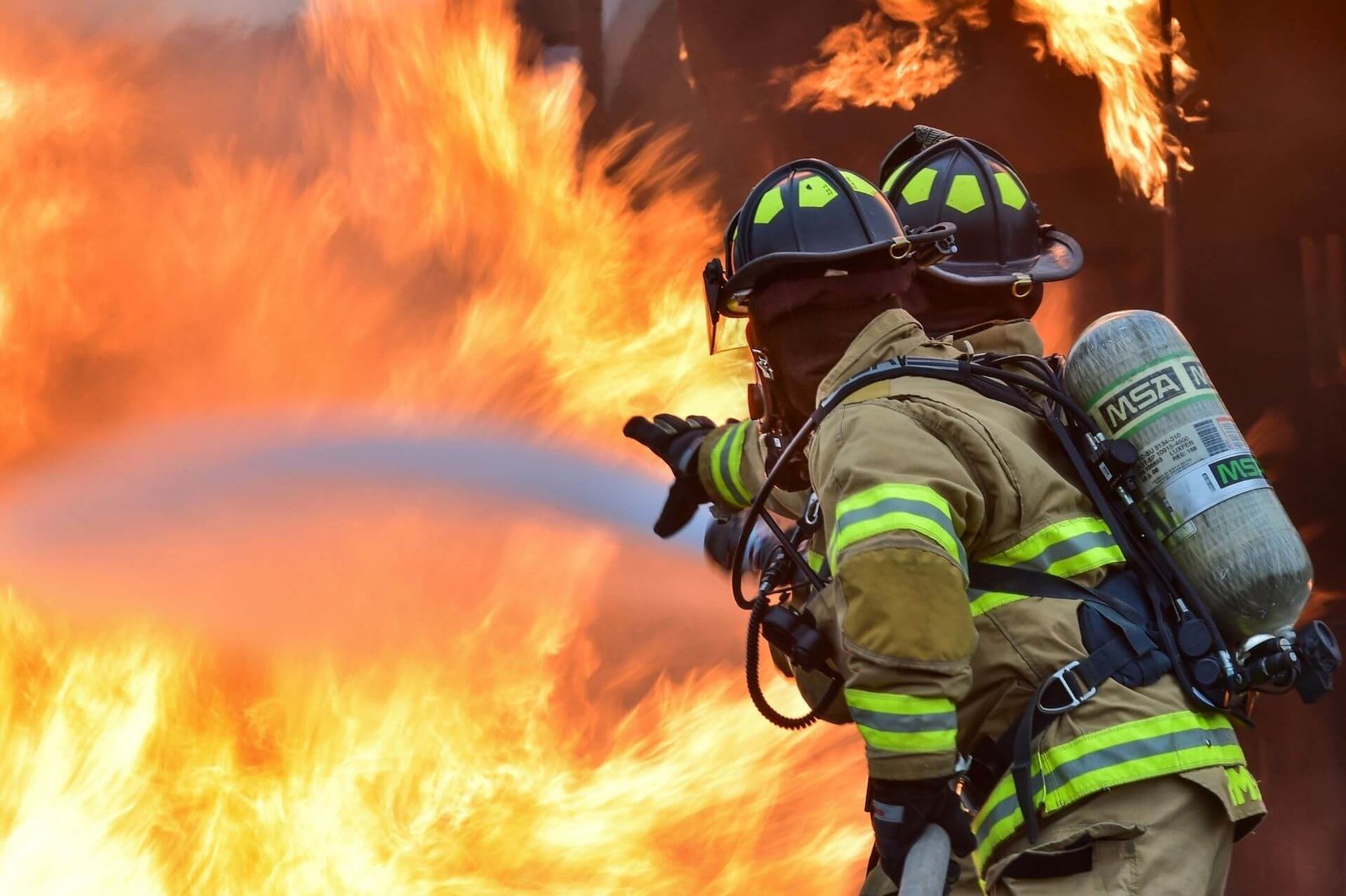
Wildfires are fires that spread uncontrollably through forests, grasslands, shrubs, and other areas containing vegetation. They can damage natural habitats, destroy property, threaten human lives, and affect communities located near fire-prone landscapes.
In Pakistan, wildfire safety is an important concern in forested and mountainous areas, particularly during periods of dry weather and increased fire danger. Fires can begin through natural causes, such as lightning, or human activities, including unattended campfires, discarded smoking materials, and careless use of fire near dry vegetation.
Preventing wildfires requires more than responding after flames appear. Communities, land managers, government agencies, and property owners all have roles in reducing hazards, recognising warning signs, sharing information, and preparing for emergencies.
Although the phrase fighting fire is commonly associated with extinguishing flames, wildfire safety is not a reason for untrained people to approach or tackle a wildfire. The priority for the public should always be prevention, early reporting, evacuation, and personal safety.
This article explains ten important aspects of wildfire safety, how communities can prepare, and why early warning and responsible emergency planning matter.
1. Understand What Causes Wildfires
Understanding the causes of wildfires is the first step towards preventing them. A wildfire can begin when a source of ignition comes into contact with dry vegetation or other combustible natural material.
Some fires start naturally, including those caused by lightning. However, human activities can also contribute to wildfire incidents.
Common causes and contributing factors include:
- Unattended outdoor fires.
- Carelessly discarded smoking materials.
- Burning waste near dry vegetation.
- Sparks from certain equipment or activities.
- Deliberate setting of fires.
- Lightning during dry weather conditions.
The likelihood of a fire spreading depends on several environmental conditions. Dry leaves, branches, grass, and shrubs provide combustible material. High temperatures, low humidity, and strong winds can increase fire danger.
The shape of the landscape also matters. Steep slopes, dense vegetation, and difficult access can make emergency response more challenging.
Pakistan’s Provincial Disaster Management Authority describes fuel, weather, and topography as important factors influencing forest fires. Understanding these factors helps communities recognise why prevention measures are particularly important during dry periods.
2. Recognise High-Risk Seasons and Weather Conditions
Wildfire risk is not the same throughout the year. It can increase during periods of high temperatures, dry vegetation, low rainfall, and strong winds.
In Pakistan, forested and mountainous regions may experience increased fire danger during hot and dry conditions. Communities should pay attention to official weather information and warnings issued by relevant authorities.
Certain conditions deserve additional attention:
Prolonged dry weather: Vegetation can lose moisture and become more likely to burn.
High temperatures: Hot conditions can increase the dryness of plants and surrounding materials.
Strong winds: Wind can make an existing fire more unpredictable and contribute to its spread.
Low humidity: Dry air can increase the flammability of vegetation.
Limited rainfall: A lack of rain can allow dry leaves, grass, and branches to accumulate.
Residents should not rely only on the appearance of the weather. A day that seems calm can still involve dangerous fire conditions in a particular area.
The Pakistan Meteorological Department provides fire prevention and emergency evacuation standard operating procedures. Checking official information can help residents and organisations remain aware of relevant safety guidance.
3. Prevent Fires Through Responsible Outdoor Behaviour
Many wildfires can be prevented through careful behaviour in forests, parks, agricultural areas, and other outdoor environments.
Visitors should follow local restrictions and instructions, especially during periods of high fire danger. Activities involving flames or sparks may be restricted in vulnerable areas.
Responsible outdoor behaviour includes:
- Following notices and restrictions displayed by authorities.
- Avoiding unattended outdoor fires.
- Never discarding burning materials near vegetation.
- Keeping waste out of forests and grasslands.
- Avoiding activities that could create sparks in dry areas.
- Reporting damaged or unsafe public facilities.
Families visiting natural areas should explain these rules to children and make sure everyone understands that even a small source of ignition can create a serious hazard.
Schools, tourism organisations, and community groups can also help by sharing simple fire prevention messages before holiday periods and outdoor events.
Prevention is usually more effective than trying to manage the consequences after a wildfire has begun.
4. Protect Homes and Communities Near Vegetation
Some communities are located close to forests, grasslands, shrubs, or agricultural land. These locations may be exposed to wildfire-related risks, particularly when dry vegetation surrounds buildings.
Homeowners and community managers should consider the condition of the area around buildings. Accumulated dry leaves, unnecessary combustible waste, and overgrown vegetation may increase the amount of material that could contribute to a fire.
Pakistan’s National Disaster Management Authority (NDMA) includes recommendations in its summer contingency planning for reducing combustible vegetation around homes and communities. It also highlights the importance of coordination between local administration, forestry departments, and residents.
General community preparedness measures include:
- Keeping outdoor areas reasonably clear of unnecessary dry waste.
- Maintaining accessible roads and entrances.
- Keeping emergency access areas unobstructed.
- Following local guidance on vegetation management.
- Reporting damaged electrical infrastructure or other hazards.
- Understanding the community’s evacuation arrangements.
Major vegetation management and land-clearing work should be planned by responsible authorities or competent professionals. Residents should not enter dangerous areas or attempt to create firebreaks themselves.
5. Understand the Role of Fire Detection and Early Warnings
Early information can help authorities assess a wildfire and warn communities that may be affected.
Wildfire detection is different from indoor fire detection. A building alarm generally protects people inside a particular structure, while wildfire monitoring may involve weather information, satellite observations, field reports, observation networks, and communication between government departments.
A fire alarm system in Pakistan is relevant to protecting buildings, offices, residential facilities, and other properties that may be exposed to fire risks. However, a building alarm does not replace a regional wildfire warning network.
Properties near vulnerable landscapes should have suitable building fire protection where required. Their owners should also understand how outdoor fire warnings are communicated by local authorities.
Residents should know where to find official information and how evacuation instructions are shared.
Useful preparedness habits include:
- Keeping emergency contact information accessible.
- Following official warnings and public announcements.
- Knowing the area’s designated evacuation routes.
- Identifying safe places away from threatened areas.
- Sharing verified information with household members.
- Taking evacuation instructions seriously.
NDMA publishes forest fire guidance and public safety messages, including information intended to increase awareness of forest fire prevention. These official resources can help communities understand the risks and prepare responsibly.
6. Prepare a Family Wildfire Emergency Plan
Families living near forests, hills, grasslands, or other fire-prone areas should discuss what they would do if a wildfire threatened their community.
An emergency plan reduces confusion and helps everyone understand where to find information and how to communicate.
A family plan should include:
Meeting arrangements: Choose a suitable meeting point away from the threatened area.
Communication: Agree how family members will contact one another if they become separated.
Evacuation information: Learn the official routes and follow directions from local authorities.
Important documents: Keep essential identification and important records organised in an accessible, protected place.
Household needs: Consider children, older adults, people with disabilities, and anyone who may need additional assistance.
Pets and livestock: Follow local guidance and consider their needs in advance where possible.
Families should also keep important emergency contact numbers available. Children should know how to contact a trusted adult and follow evacuation instructions.
An emergency plan should be reviewed when family members move, household needs change, or local authorities update their arrangements.
7. Protect Yourself from Wildfire Smoke
Wildfire smoke can affect people even when the fire is far away. Wind may carry smoke and fine particles across considerable distances, reducing air quality in nearby towns and communities.
Smoke exposure can cause irritation and breathing difficulties. People with asthma, heart conditions, or other respiratory concerns may be more vulnerable. Children and older adults may also need additional protection.
If smoke affects your area, follow health and emergency advice from the relevant authorities.
General precautions include:
- Staying indoors when officials advise limiting outdoor exposure.
- Keeping windows and doors closed when appropriate.
- Reducing unnecessary outdoor activity.
- Following local air-quality information.
- Seeking medical advice if breathing problems or other concerning symptoms occur.
- Following evacuation instructions if the area becomes unsafe.
A suitable, well-maintained indoor air filtration arrangement may help reduce particles in some settings. However, it does not replace evacuation when authorities advise residents to leave.
Do not approach a wildfire to observe it or take photographs. Smoke conditions can change, and visibility may become poor without warning.
8. Understand Why Professional Emergency Response Matters
Wildfires can behave unpredictably. Their movement may be influenced by wind, terrain, vegetation, and changing weather conditions.
Professional emergency responders receive training and work with appropriate equipment, communication systems, and incident-management arrangements. Their responsibilities may include assessing fire conditions, protecting communities, coordinating evacuation, and managing emergency resources.
Members of the public should not attempt to fight a wildfire themselves. Approaching flames, entering smoke-filled areas, or travelling through unsafe terrain can place lives at serious risk.
If someone notices a possible wildfire, they should move away from the danger and report it through the appropriate local emergency or forestry authority. They should provide clear information about the general location without approaching the fire to investigate.
Residents should also avoid interfering with emergency operations. Keeping roads and access points clear can help trained responders reach affected areas.
Pakistan’s NDMA guidance emphasises coordination between forest departments, district disaster management authorities, local administration, and communities. This cooperation is important because a large wildfire may require resources and communication across several agencies.
9. Support Community Awareness and Environmental Protection
Wildfire safety becomes stronger when people work together. A single household can take useful precautions, but community-wide awareness can help reduce risks across a larger area.
Schools, local organisations, landowners, tourism operators, and community groups can share information about prevention and emergency preparedness.
Community awareness activities may include:
- Educational sessions about wildfire causes.
- Information boards in public areas.
- School lessons on outdoor fire prevention.
- Public announcements during periods of high fire danger.
- Community discussions about evacuation arrangements.
- Reporting channels for environmental hazards.
Forest conservation is also an important part of wildfire management. Healthy natural environments support wildlife, protect soil, and contribute to local ecosystems.
After a wildfire, recovery may involve environmental assessment, restoration of damaged areas, and long-term monitoring. Replanting should be guided by relevant forestry experts and local ecological conditions rather than carried out without planning.
The NDMA’s national forest fire guidance highlights cooperation between government agencies and local communities as an important part of preparedness, response, and recovery.
10. Know What to Do During and After a Wildfire Warning
A wildfire warning should always be taken seriously. Conditions can change quickly, and waiting until flames are visible nearby may leave less time to reach safety.
When authorities issue an evacuation instruction, follow it promptly. Use the route they recommend and do not take shortcuts through forests, hills, or unfamiliar areas.
During an emergency:
- Stay informed through official announcements.
- Follow evacuation instructions.
- Keep away from the fire and smoke.
- Avoid blocked or unsafe roads.
- Do not return to collect belongings.
- Do not re-enter an affected area until authorities confirm it is safe.
After a wildfire, residents should wait for official clearance before returning home or entering damaged areas. Fire-affected locations may contain unstable structures, damaged electrical systems, hot materials, and other hazards that are not immediately visible.
People should also follow public health advice about smoke and ash. If a home or property has been affected, professional assessment may be needed before normal use resumes.
Recovery can take time. Families may need assistance with accommodation, essential supplies, health concerns, and property damage. Local authorities and relevant support organisations can provide information about available assistance.
The Importance of Wildfire Safety in Pakistan
Pakistan has diverse landscapes, including forests, mountainous regions, grasslands, and settlements located near natural vegetation. These environments provide important ecological and economic benefits, but some areas are vulnerable to wildfires.
Forest fires can damage tree cover, wildlife habitats, soil quality, and local livelihoods. Communities may also face smoke exposure, transport disruption, and damage to nearby property.
The National Disaster Management Authority has published national forest fire guidance covering preparedness, monitoring, prevention, response coordination, and recovery. Its guidance highlights the roles of forest departments, local administration, and district disaster management authorities.
The Pakistan Meteorological Department also provides standard operating procedures relating to fire prevention and emergency evacuation.
These resources demonstrate that wildfire safety requires coordination rather than depending on individual residents to respond to dangerous incidents.
A fire alarm system in Pakistan can support protection inside buildings, but outdoor wildfire preparedness also depends on reliable public information, community awareness, environmental management, and organised emergency response.
A Practical Wildfire Safety Checklist
Families and community organisations can use this checklist as a starting point:
- [ ] Learn whether your community is near a fire-prone landscape.
- [ ] Follow official weather and wildfire warnings.
- [ ] Understand local restrictions on outdoor fires.
- [ ] Keep unnecessary combustible waste away from buildings.
- [ ] Know the official evacuation routes.
- [ ] Agree on a family communication plan.
- [ ] Keep important emergency contacts accessible.
- [ ] Consider the needs of children, older adults, and people requiring assistance.
- [ ] Follow public health advice during smoke events.
- [ ] Report suspected wildfires promptly.
- [ ] Stay away from fire-affected areas.
- [ ] Wait for official clearance before returning after an evacuation.
This checklist is intended for general awareness. Local emergency instructions should always take priority.
Conclusion
Wildfire safety is about prevention, awareness, preparation, and responsible emergency response. Fires can threaten forests, homes, wildlife, and communities, but people can reduce avoidable risks through sensible behaviour and cooperation.
In Pakistan, NDMA and the Pakistan Meteorological Department provide guidance that supports forest fire awareness and emergency preparedness. Communities should follow official information, respect local restrictions, and understand how to evacuate when instructed.
A building fire alarm system is one part of wider fire protection, but it cannot replace outdoor wildfire monitoring or public emergency warnings. Families and property owners should consider both building safety and the risks posed by nearby natural landscapes.
Most importantly, the public should never put itself in danger by attempting to fight a wildfire. Recognising a threat, reporting it promptly, moving to safety, and following trained responders’ instructions are essential parts of protecting lives and communities.
Frequently Asked Questions
1. What is wildfire safety?
Wildfire safety includes the precautions and emergency arrangements used to prevent vegetation fires, protect communities, reduce smoke exposure, and support safe evacuation. It involves public awareness, environmental management, official warnings, and professional emergency response.
2. What are the common causes of wildfires?
Wildfires may begin because of natural events such as lightning or human activities such as unattended outdoor fires, discarded burning materials, and careless activities near dry vegetation. Weather, available vegetation, and terrain influence how a fire develops.
3. How can families prepare for a wildfire?
Families should learn local evacuation instructions, prepare a communication plan, keep important contacts accessible, and consider the needs of children, older adults, and pets. They should also follow official warnings and leave promptly when instructed.
4. Does a fire alarm system protect a property from wildfires?
A building fire alarm system can warn occupants about certain indoor fire conditions, depending on its design. It does not replace outdoor wildfire monitoring or regional emergency warnings. Properties near fire-prone areas need appropriate building protection and a separate plan for responding to wildfire threats.
5. What should people do if a wildfire approaches their community?
People should follow official evacuation instructions, move away from the threatened area using designated routes, and stay informed through reliable announcements. They should not approach the fire, attempt to fight it themselves, or return until authorities confirm that it is safe.