
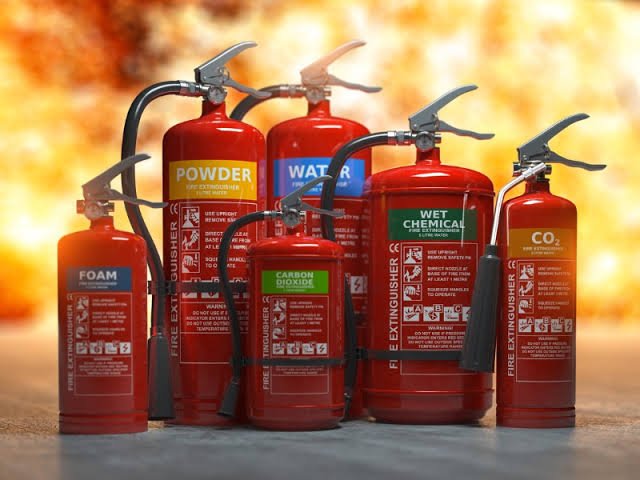
Fire safety education is an important part of keeping children safe at home, school and in public places. Children may notice fire safety equipment in corridors, classrooms, shopping centres and other buildings, but they may not understand what it is for or why different types exist.
Teaching children about fire extinguishers should focus on awareness, recognition and safe decision-making—not on asking them to operate firefighting equipment. Extinguishers are designed for specific fire risks, and choosing or using the wrong type can be dangerous. A child’s most important responsibility during a fire emergency is to alert a responsible adult and move to safety.
In Pakistan, families and schools can make fire safety education part of everyday learning. This guide explains the main extinguisher categories in simple language, suggests age-appropriate ways to teach children about them and highlights the importance of alarms, evacuation plans and adult supervision.
1. Why Should Children Learn About Fire Extinguishers?
Children see fire safety equipment in many places, including schools, hospitals, offices, shopping centres and apartment buildings. Explaining its purpose helps them understand that these devices are part of a building’s safety arrangements.
However, children should also learn that fire extinguishers are not toys. They should never touch, move, open or experiment with one. Even a small fire can become dangerous quickly, and a child may not be able to judge whether a situation is safe.
The purpose of teaching children about extinguishers is to help them:
- Recognise common fire safety equipment.
- Understand that different extinguishers are designed for different fire risks.
- Know that only trained and authorised adults should handle firefighting equipment.
- Recognise the sound of a fire alarm.
- Identify safe exits and assembly points.
- Understand how to alert an adult during an emergency.
- Avoid matches, lighters and other sources of ignition.
These lessons should be explained in simple language and repeated regularly. Children are more likely to remember safety messages when adults use familiar examples and discuss them calmly.
2. What Is a Fire Extinguisher?
A fire extinguisher is a safety device designed to control or put out certain types of small fires. It contains an extinguishing substance that is suitable for particular fire risks.
Different extinguishers contain different materials. Some use water, while others contain foam, powder, carbon dioxide or special chemicals.
The important lesson for children is that not every extinguisher is suitable for every fire. The label identifies the types of fires for which a particular product is designed.
Adults responsible for a building must make sure that the correct equipment is selected, installed and maintained. Children only need to understand the basic purpose of the equipment and know whom to tell if they notice a problem.
3. Learn About Water Fire Extinguishers
Water extinguishers are generally designed for fires involving ordinary combustible materials, such as paper, wood and some fabrics. These materials are commonly found in homes, classrooms and offices.
A simple way to explain this category to children is:
“Some fires involve ordinary things such as paper or wood. Special water extinguishers are designed for certain fires involving these materials.”
Children should also learn an important warning: water is not suitable for every fire. It must not be treated as a universal solution. In particular, water can create serious danger when used on live electrical equipment or certain flammable-liquid fires.
Parents and teachers should avoid demonstrations involving real flames. Pictures, diagrams and classroom illustrations are safer ways to explain the subject.
4. Learn About Foam Fire Extinguishers
Foam extinguishers are designed for certain fires involving flammable liquids and ordinary combustible materials, depending on the product’s rating.
Foam creates a covering over the burning material, helping separate it from the surrounding air. This makes it useful for some fire risks found in industrial and commercial environments.
Children do not need to understand the technical details of how foam works. A basic explanation is enough:
“Foam extinguishers contain a special material that helps control certain types of fires. They are not suitable for every situation.”
It is also important to explain that children should never experiment with foam products or attempt to operate an extinguisher. A responsible adult should manage fire safety equipment.
5. Learn About Dry Powder Fire Extinguishers
Dry powder extinguishers contain a specially prepared powder. Different formulations are designed for different fire classes.
Some multipurpose dry powder extinguishers are rated for several categories, such as ordinary combustible materials, flammable liquids and certain electrical equipment. Their suitability depends on the product label.
These extinguishers are found in a range of commercial and industrial settings, as well as other premises where their rated protection is appropriate.
A child-friendly explanation could be:
“Some extinguishers contain a special powder that is designed for particular fire risks. The label tells trained adults what it can be used for.”
Children should not be encouraged to handle these devices. Discharged powder can create visibility and breathing concerns, and an extinguisher may be heavy or difficult for a child to manage.
6. Learn About Carbon Dioxide (CO2) Fire Extinguishers
Carbon dioxide extinguishers contain pressurised carbon dioxide gas. Depending on their rating and local requirements, they may be suitable for certain flammable-liquid and electrical-equipment fires.
They are often seen in places where electrical equipment is present, such as offices and some commercial premises.
Children can learn that these extinguishers are different from water or powder models. They should recognise the label without trying to identify the contents by touching or opening the device.
A simple explanation is:
“Some extinguishers contain carbon dioxide gas. They are made for certain types of fire, and trained adults must decide when they are suitable.”
The equipment should remain in its designated position and should never be treated as a toy or science experiment.
7. Learn About Wet Chemical Fire Extinguishers
Wet chemical extinguishers are designed mainly for certain fires involving cooking oils and fats, particularly in commercial kitchens.
Restaurants, hotels, school kitchens and catering facilities may have specific cooking-related fire risks. The appropriate extinguisher depends on the equipment, materials and applicable safety requirements.
Children can be taught:
“Special extinguishers are available for certain cooking-oil fires. Ordinary water is not a safe solution for these fires.”
This is an important safety message because children may assume that water is suitable for every type of flame. Adults should explain that a cooking fire is a reason to move away, alert an adult and follow the household or school’s emergency plan.
8. Understand Fire Classes in Simple Language
Fire classes describe different categories of burning materials. Extinguisher labels use these classifications to indicate the risks for which a product is suitable.
In many international systems, common classifications include:
| Fire class | General meaning |
|---|---|
| Class A | Ordinary combustible materials such as wood, paper and cloth |
| Class B | Flammable liquids such as petrol, paint and certain oils |
| Class C | Energised electrical equipment in systems that use this classification |
| Class D | Certain combustible metals |
| Class K | Cooking oils and fats in commercial kitchens |
An important note about different standards: Fire-class letters are not identical in every country or classification system. Some systems use different letters for gas fires, electrical fires and cooking oils. For example, educational material in Pakistan may use classifications that differ from the North American A, B, C, D and K system.
For this reason, children should not be expected to memorise every letter or decide which extinguisher is suitable. Adults should follow the product label, applicable local standards and advice from competent fire safety professionals.
9. Teach Children to Recognise Extinguisher Labels
Extinguisher labels provide important information about the product. They identify the type of extinguisher, its fire ratings and relevant instructions.
Children can learn to recognise that labels exist and that adults use them to identify suitable equipment. They should not be asked to make decisions about which extinguisher to use during an emergency.
A safe classroom activity could involve showing printed pictures of different extinguisher labels and asking students to identify which ones look different.
Teachers can explain that:
- Labels contain important safety information.
- Different products have different purposes.
- Extinguishers must be maintained.
- Equipment should stay in its designated location.
- Only trained and authorised adults should handle it.
This approach develops awareness without encouraging children to interact with potentially dangerous equipment.
10. Explain Why Children Should Never Operate Fire Extinguishers
A fire extinguisher may look simple, but using one safely requires judgement, suitable training and an understanding of the fire risk.
Children may not recognise how quickly flames or smoke can spread. They may also struggle to assess whether an exit remains safe or whether the extinguisher is appropriate for the fire.
The U.S. Fire Administration advises parents and caregivers to teach children that fire is dangerous and that matches and lighters are for adults only. Arlington County Fire Department also advises against teaching young children to operate portable extinguishers, emphasising safe evacuation and adult responsibility.
Children should remember these rules:
- Never touch or play with a fire extinguisher.
- Never try to put out a fire.
- Tell a responsible adult immediately if a fire is noticed.
- Leave the area when instructed or when an alarm sounds.
- Never return to a building during a fire emergency.
These rules should be reinforced at home and school.
11. Connect Extinguisher Awareness with Fire Alarm Safety
Knowing about extinguishers is only one part of fire safety education. Children also need to understand the purpose of fire alarms.
A fire alarm system warns people when a fire is detected or when someone activates a manual alarm point. Depending on the building, it may include smoke detectors, heat detectors, warning sounders, visual alerts and a control panel.
A suitable fire alarm system in Pakistan should be selected according to the building’s size, occupancy, layout and applicable safety requirements. Schools, hospitals, offices and large commercial buildings may need professionally designed arrangements.
Children should learn:
- What the school’s or home’s fire alarm sounds like.
- That every alarm should be treated seriously.
- To stop their activity and follow instructions.
- To leave through the nearest safe exit.
- Not to hide or return for belongings.
- To gather at the designated meeting point.
Teachers and parents should explain the alarm procedure before an emergency occurs. Schools should also ensure that alarm systems are maintained and that evacuation arrangements are suitable for students of different ages and abilities.
12. Use Age-Appropriate Activities to Teach Fire Safety
Children learn in different ways, so lessons should be suitable for their age and understanding. Pictures, stories, classroom discussions and supervised school safety activities can make the subject easier to remember.
Here are some safe learning ideas:
Picture recognition
Show children pictures of water, foam, powder, carbon dioxide and wet chemical extinguishers. Explain that they have different purposes and that adults are responsible for selecting and maintaining them.
Safety symbol matching
Use printed cards showing simple fire safety symbols, exit signs and alarm symbols. Ask children to match each symbol with its meaning.
Emergency exit awareness
During a normal school safety lesson, teachers can point out the nearest exits and explain where students should gather during an evacuation.
Story-based learning
Create a simple story about a student who notices a fire alarm, tells a teacher and follows the class evacuation plan. Focus on safe decisions rather than describing firefighting.
Question-and-answer sessions
Ask simple questions such as:
- What should you do when you hear a fire alarm?
- Who should handle a fire extinguisher?
- Why should you never play with matches?
- Where should you go after leaving the building?
These activities help children remember the most important lessons without exposing them to flames or firefighting equipment.
13. Fire Safety Education at Home
Parents and caregivers play an important role in helping children develop safe habits. A few simple conversations can make fire safety part of everyday family life.
Families should explain that matches, lighters, candles and heating equipment are not toys. These items should be kept away from children, and adults should supervise activities involving cooking or heat.
Parents can also:
- Make sure smoke alarms are installed where appropriate.
- Explain what the household alarm sounds like.
- Identify safe exits from the home.
- Choose an outdoor meeting point.
- Teach children how to contact a responsible adult.
- Keep corridors and doorways clear.
- Explain that children must never return inside to collect toys or belongings.
Children should know that if they are separated from adults during an emergency, they should follow the agreed family safety plan and seek help from a responsible adult or emergency responder.
14. Fire Safety Education in Pakistani Schools
Schools can help students understand fire safety through age-appropriate lessons and organised preparedness activities.
A school safety programme should include more than a discussion about extinguisher types. Students should learn how to recognise alarms, follow teachers’ instructions and move towards safe exits.
School management should ensure that:
- Fire safety equipment is suitable for the premises.
- Extinguishers are installed and maintained by responsible adults.
- Fire alarm systems receive appropriate checks.
- Emergency exits remain accessible.
- Evacuation plans are communicated clearly.
- Staff understand their responsibilities.
- Students receive suitable safety awareness lessons.
The Pakistan Engineering Council’s Building Code of Pakistan Fire Safety Provisions 2016 is an important reference for building fire safety. Schools should also consult the relevant local authorities and follow requirements applicable to their premises.
Civil Defence and emergency services may provide useful fire safety awareness and training information. Schools can contact the appropriate department to ask about suitable educational programmes.
15. Common Mistakes to Avoid When Teaching Children
Fire safety education should build confidence without encouraging unsafe behaviour. Adults should avoid lessons that could make children believe they are responsible for fighting fires.
Common mistakes include:
Treating extinguishers as toys: Children should understand that these are safety devices, not play equipment.
Teaching operation instead of recognition: For young children, identifying equipment and knowing to leave safely are more important than learning how to operate it.
Using real flames for demonstrations: Pictures and supervised educational materials are safer alternatives.
Ignoring alarm awareness: Children need to recognise the warning signal and understand the evacuation plan.
Using complicated technical language: Simple explanations are easier to understand and remember.
Failing to repeat safety messages: Occasional reminders help children remember what to do.
Forgetting individual needs: Lessons should consider children’s ages, communication needs and mobility requirements.
The best teaching approach is calm, clear and consistent. It should never involve frightening children or asking them to take responsibility for controlling a fire.
Conclusion
Teaching children about types of fire extinguishers can help them understand the importance of fire safety equipment in homes, schools and public buildings. Learning about water, foam, dry powder, carbon dioxide and wet chemical extinguishers introduces children to the idea that different fire risks require different equipment.
However, recognition must never be confused with operation. Children should not handle extinguishers or attempt to control a fire. Their priority is to alert a responsible adult, follow the alarm procedure and reach a safe place.
Parents, teachers and school administrators can support this learning through simple explanations, picture-based activities and regular evacuation awareness. When children understand the purpose of fire safety equipment and know how to respond to an alarm, they become better prepared to make safe decisions.
Frequently Asked Questions (FAQs)
1. What are the main types of fire extinguishers children should know about?
Children can learn to recognise water, foam, dry powder, carbon dioxide and wet chemical extinguishers. They should understand that each type has a specific purpose and that only trained adults should handle them.
2. Should children learn how to operate a fire extinguisher?
Young children should not be taught to operate portable fire extinguishers. They should learn to recognise the equipment, alert an adult, follow the fire alarm and evacuate safely.
3. Why are there different types of fire extinguishers?
Different fires involve different materials, such as paper, wood, flammable liquids, electrical equipment or cooking oils. Extinguishers contain different agents designed for particular fire risks.
4. How can parents teach children about fire safety at home?
Parents can explain that fire is dangerous, keep matches and lighters out of children’s reach, identify safe exits, practise the household evacuation plan and teach children to respond promptly to smoke alarms.
5. Why should children understand fire alarm systems?
Fire alarms provide warnings that may help people leave a building before conditions become more dangerous. Children should recognise the alarm signal and know to follow adult instructions and use safe exits.