
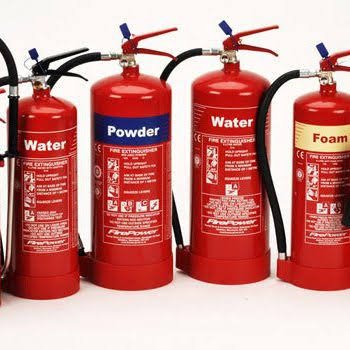
Fire safety equipment plays a vital role in protecting homes, offices, factories, hospitals, shopping centres, schools, hotels, and other commercial buildings. Fire extinguishers, fire alarm systems, smoke detectors, hydrants, sprinkler systems, and emergency lighting are designed to help detect fires, alert occupants, or support an emergency response. However, installing this equipment is only the first step. Regular inspection and maintenance are necessary to help ensure that it remains reliable when needed.
In Pakistan, property owners and businesses can look for fire equipment maintenance services through specialised fire safety companies, authorised equipment suppliers, qualified fire protection contractors, and professional engineering service providers. The right choice depends on the type of equipment, the size of the building, the service provider’s technical experience, and the requirements applicable to the premises.
A Fire alarm system in Pakistan should be inspected and maintained by competent technicians who understand the equipment’s design, installation, testing procedures, and manufacturer’s instructions. The same principle applies to extinguishers, fire pumps, hydrants, sprinklers, and other fire protection systems.
This guide explains where to find fire equipment maintenance services in Pakistan, what services to look for, how to assess a provider, and which questions to ask before entering into a maintenance agreement.
1. Why Fire Equipment Maintenance Matters
Fire protection equipment is expected to work during an emergency, sometimes after long periods without being used. Dust, corrosion, damaged components, depleted batteries, leaks, and unnoticed faults can affect its performance.
Regular maintenance helps identify these problems before they become serious. It also gives property owners a clearer understanding of the condition of their fire protection arrangements.
For example, an extinguisher may be difficult to use if its pressure is outside the acceptable range or its access is blocked. A fire alarm may fail to provide a warning if a detector is faulty, a battery has deteriorated, or a control panel displays an unresolved fault.
Similarly, a fire pump or hydrant may not perform as intended if components are damaged or maintenance has been neglected.
Maintenance supports several important objectives:
- Identifying defects before an emergency occurs.
- Keeping equipment accessible and in suitable working condition.
- Checking that alarm and detection components operate as intended.
- Maintaining records of inspections, testing, and repairs.
- Supporting compliance with applicable fire safety requirements.
- Reducing avoidable disruption caused by unexpected equipment failures.
Maintenance cannot eliminate every risk, but a planned programme helps improve the reliability of fire protection equipment and supports a safer building environment.
2. Where to Find Fire Equipment Maintenance Services in Pakistan
There is no single maintenance provider that is suitable for every property. A small office may need periodic extinguisher inspections and alarm testing, while a factory or high-rise building may require a coordinated service covering multiple fire protection systems.
The following are practical ways to identify suitable service providers.
Specialised fire safety companies
Fire safety companies often provide inspection, servicing, repair, installation, and maintenance services for different types of fire protection equipment.
Depending on their capabilities, they may work with portable extinguishers, smoke detectors, fire alarm panels, hydrants, hose reels, sprinkler systems, fire pumps, and other equipment.
When contacting a company, confirm which systems it maintains directly and which services it outsources. Ask whether its technicians have experience with the brands and models installed at your premises.
Authorised equipment suppliers
Some equipment suppliers also provide after-sales maintenance and technical support. This can be useful when a system requires manufacturer-specific components, software, testing procedures, or replacement parts.
Ask whether the supplier is authorised to service the relevant equipment and whether replacement parts are compatible with the original system.
An equipment seller is not automatically qualified to maintain every type of fire protection installation, so confirm the scope of its technical services.
Fire protection and engineering contractors
Larger premises may need a contractor with experience in integrated fire protection systems. Such contractors may inspect fire detection and alarm installations, pumps, hydrants, sprinklers, and associated control equipment.
Pakistan Engineering Council resources include the ME02 constructor/operator category for fire detection and suppression systems, covering installation, commissioning, maintenance, and repairs. For projects where professional registration is relevant, this can be one of the credentials to investigate.
Procurement and service-contract channels
Organisations that require ongoing maintenance can use formal procurement procedures to identify providers. Public procurement notices may also help readers understand the range of services included in a professional maintenance contract.
For example, a State Bank of Pakistan Banking Services Corporation procurement notice for Karachi describes maintenance requirements covering fire alarm detection systems, extinguishers, hydrants, hoses, detectors, and specialised suppression systems.
Such notices are useful examples of service scope, not endorsements of a particular contractor for every building.
Local business and professional directories
Business directories and professional networks can help generate a shortlist of companies in the relevant city. Search results should be treated as a starting point rather than proof of competence.
Before appointing a provider, verify its business details, technical capabilities, relevant credentials, references, and ability to service the equipment installed at your premises.
3. How to Choose a Fire Equipment Maintenance Provider
The lowest quotation is not always the best option. Fire protection equipment is safety-critical, so the provider’s technical capability and quality of service deserve careful consideration.
Check relevant experience
Ask how long the company has provided fire equipment maintenance and whether it has worked on buildings similar to yours.
A provider experienced in maintaining extinguishers may not have the technical expertise needed for a complex addressable fire alarm system or a large sprinkler installation.
Request examples of relevant projects and, where appropriate, references from previous customers.
Verify qualifications and authorisation
Ask which qualifications, registrations, manufacturer authorisations, or technical training apply to the proposed work.
For specialised systems, confirm that technicians understand the installed equipment and can follow the manufacturer’s approved service procedures.
Where a project or authority requires particular registration or approval, verify that requirement through the relevant official source.
Review the service scope
A maintenance quotation should explain which equipment is included, what inspections and tests will be performed, whether repairs are covered, and which replacement parts are charged separately.
Avoid accepting a vague agreement that promises general maintenance without describing the actual work.
Ask about documentation
A professional service visit should normally produce records appropriate to the work performed. These may include inspection findings, test results, defects identified, repairs completed, components replaced, and recommendations for follow-up.
Such records help building managers track recurring faults and demonstrate that maintenance is being managed systematically.
Confirm response arrangements
Ask how the provider handles urgent faults, how quickly it can respond under the proposed agreement, and whether technical support is available outside ordinary working hours.
Response commitments should be documented rather than assumed.
4. Fire Alarm System Maintenance in Pakistan
Fire alarm systems are an important part of fire safety arrangements in many commercial and residential buildings. Depending on the installation, the system may include a control panel, smoke detectors, heat detectors, manual call points, sounders, visual indicators, standby batteries, and communication links.
A suitable Fire alarm system in Pakistan requires maintenance that reflects its design and the manufacturer’s instructions.
Control panel inspection
The control panel is the central point for receiving and displaying signals from the system. A technician should review its status and investigate any active faults or warning indications.
The inspection should also consider the associated power supply, standby batteries, and connected components as appropriate to the system.
Detector and alarm testing
Smoke and heat detectors should be checked according to the system’s approved testing procedure. Manual call points and alarm notification devices should also be included in the maintenance plan where applicable.
Testing arrangements should be coordinated with building management so that occupants are informed and unnecessary disruption is avoided. Any connections to monitoring services or other building systems should be managed according to the approved procedure.
Fault identification and repair
A maintenance visit should not simply reset warnings without identifying their cause. Persistent faults may indicate damaged components, wiring problems, contamination, power issues, or communication failures.
The technician should explain the fault, document the findings, and recommend suitable corrective action.
Maintenance records
Records should identify the equipment tested, the work performed, faults discovered, parts replaced, and any outstanding issues. Building management should receive the report and arrange follow-up work where required.
Maintenance frequency depends on the system design, applicable standards, manufacturer’s instructions, building requirements, and the relevant authority. A qualified provider should help establish a suitable schedule.
5. Maintenance of Fire Extinguishers
Portable extinguishers are common in homes, offices, workshops, shops, and industrial facilities. However, the presence of an extinguisher does not guarantee that it is ready for use.
Maintenance requirements vary by extinguisher type, model, condition, and applicable requirements.
A competent service provider may inspect the extinguisher’s condition, identification label, access, safety seal, operating components, pressure indication where fitted, and service history.
The technician should identify signs of corrosion, physical damage, leakage, missing components, or other defects requiring attention.
Some extinguishers require specialised servicing or recharging after use or when inspection identifies a problem. These tasks should be carried out according to the manufacturer’s requirements and applicable standards.
Building managers should also ensure that extinguishers are positioned appropriately and are not hidden behind furniture, stock, or other materials.
Ask the maintenance provider to document the condition of each unit and identify any equipment that must be repaired, replaced, or taken out of service.
6. Fire Hydrants, Hose Reels, Sprinklers, and Fire Pumps
Larger buildings and industrial premises may have fixed firefighting systems that require specialist maintenance.
Fire hydrants and hose reels
Inspection may include checking the visible condition and accessibility of hydrants, hoses, nozzles, valves, and associated components. Testing should follow the approved procedure and account for the design of the installation.
Defects such as damaged hoses, leaking connections, obstructed access, or faulty valves should be recorded and addressed.
Sprinkler systems
Sprinkler systems depend on suitable installation, functioning components, and an adequate water supply. Maintenance should follow the system design and applicable requirements.
A provider may inspect accessible components, valves, indicators, alarms, and other parts of the installation. Any testing or isolation should be planned carefully so that building management understands the temporary effect on protection.
Fire pumps
Fire pumps and their associated equipment require attention to operating condition, power supply, controls, and other components specified by the manufacturer and system design.
Maintenance should be performed by personnel competent in the installed equipment. Findings should be documented, and any defect affecting readiness should be escalated promptly.
Because fixed firefighting systems are interconnected, maintenance should not be limited to visual checks alone when formal testing is required.
7. What Does Fire Equipment Maintenance Cost in Pakistan?
There is no single price for maintaining all fire protection equipment. Costs depend on the number of devices, type of system, building size, equipment brand, accessibility, condition, required testing, and location.
For example, servicing a few portable extinguishers is different from maintaining an addressable alarm system across a multi-storey building. A site with hydrants, sprinkler systems, fire pumps, and specialised suppression equipment may need a more comprehensive service contract.
Other factors that can affect the quotation include:
- Technician travel and site access requirements.
- Number and duration of scheduled visits.
- Replacement parts and consumables.
- Emergency call-out arrangements.
- System testing and commissioning requirements.
- Documentation and reporting obligations.
- Any repairs needed to correct existing defects.
When comparing quotations, ensure that providers are pricing the same scope of work. A low initial price may not include replacement parts, corrective repairs, or follow-up visits.
Ask for a written breakdown of included services, exclusions, taxes where applicable, payment terms, and any charges that may arise if defects are found.
The most useful comparison considers technical quality, documented work, response arrangements, and overall service value rather than price alone.
8. Should You Choose a One-Time Service or an Annual Contract?
The right arrangement depends on the size and complexity of the premises, the condition of the equipment, and the maintenance requirements that apply.
One-time inspection or servicing
A one-time visit may be useful when a building needs an initial assessment, a specific fault investigated, or a maintenance backlog reviewed.
However, a single visit does not replace ongoing inspection and testing where these are required.
Planned maintenance agreement
A maintenance contract can help organisations schedule inspections and tests at appropriate intervals. It may also define reporting requirements, corrective maintenance arrangements, response times, and responsibilities for replacement parts.
For large or complex premises, a written agreement can make it easier to coordinate work across multiple systems and maintain a consistent record of equipment condition.
Before signing, check the equipment list, service frequency, reporting format, emergency support terms, and process for handling defects.
The contract should reflect the actual system and applicable requirements rather than applying the same schedule to every type of equipment.
9. Fire Equipment Maintenance Requirements in Pakistan
Property owners and building managers should determine which fire safety requirements apply to their premises and the systems installed there.
The Pakistan Engineering Council’s Building Code of Pakistan — Fire Safety Provisions 2016 provides a national reference for fire prevention, life safety, and building fire protection.
Punjab Civil Defence identifies fire detection and alarm systems, firefighting arrangements, fire safety plans, emergency exits, and evacuation plans among the measures considered during inspections of relevant premises.
Requirements can differ according to location, occupancy, building design, and the authority responsible for enforcement. A qualified professional can help determine the applicable provisions and the documentation that may be required.
Organisations should keep maintenance reports, test records, repair details, and other relevant documents in an accessible place. These records can help management monitor equipment condition and respond to inspection findings.
Compliance should be verified with the appropriate authority rather than assumed from the fact that equipment has been installed or serviced.
10. Questions to Ask Before Hiring a Maintenance Company
Before confirming a service provider, ask clear questions about its work and responsibilities.
- Which types and brands of fire protection equipment can you maintain?
- Are your technicians trained or authorised for the installed systems?
- What inspections and tests are included in the quotation?
- Will we receive a written report after every visit?
- How are defects, urgent repairs, and replacement parts handled?
- What response times are included in the agreement?
- Which services or charges are excluded?
- Can you provide relevant project references?
- How do you coordinate testing to minimise disruption to occupants?
- Can you help identify maintenance requirements applicable to our premises?
Written answers make it easier to compare providers and reduce misunderstandings.
A reliable maintenance company should be able to explain its proposed work clearly, identify limitations, and provide documentation appropriate to the equipment being serviced.
Conclusion
Finding fire equipment maintenance services in Pakistan starts with understanding the systems installed at your premises and the work they require. Specialised fire safety companies, authorised equipment suppliers, qualified engineering contractors, and professional service providers can all be potential options, depending on their capabilities.
Before making a decision, verify technical experience, relevant credentials, service scope, response arrangements, and reporting practices. Compare quotations carefully and ensure that the proposed maintenance schedule reflects the manufacturer’s instructions and applicable requirements.
A properly maintained fire alarm system, together with serviceable extinguishers, hydrants, sprinklers, and other protection equipment, supports a more reliable approach to fire safety.
For property owners and businesses, the aim should be to establish an ongoing maintenance programme rather than wait until a fault or emergency occurs. Regular inspections, prompt repairs, and accurate records help identify problems early and keep fire protection arrangements under review.
By choosing a competent provider and managing maintenance consistently, organisations can improve preparedness, support safer buildings, and better protect the people who use them.
Frequently Asked Questions (FAQs)
1. Where can I find fire equipment maintenance services in Pakistan?
You can begin with specialised fire safety companies, authorised equipment suppliers, qualified fire protection contractors, and professional engineering service providers. Verify their experience, credentials, service scope, and ability to maintain your particular equipment before hiring them.
2. How often should fire equipment be maintained?
The appropriate frequency depends on the equipment type, manufacturer’s instructions, applicable standards, building requirements, and relevant authority. Ask a competent service provider to establish a maintenance schedule for your specific installation.
3. What does fire alarm system maintenance include?
Depending on the system, maintenance may include reviewing the control panel, checking power supplies and standby batteries, testing detectors and alarm devices, investigating faults, and documenting results. The work should follow the manufacturer’s instructions and applicable requirements.
4. How much does fire equipment maintenance cost in Pakistan?
Costs vary according to the number and type of devices, building size, system complexity, location, required testing, replacement parts, and service agreement. Request a written quotation with a clearly defined scope before comparing providers.
5. Why should I hire a qualified fire equipment maintenance provider?
A competent provider can inspect equipment according to its design, identify faults, carry out appropriate testing, recommend corrective work, and document the results. This supports equipment reliability and helps building managers maintain relevant safety records.