
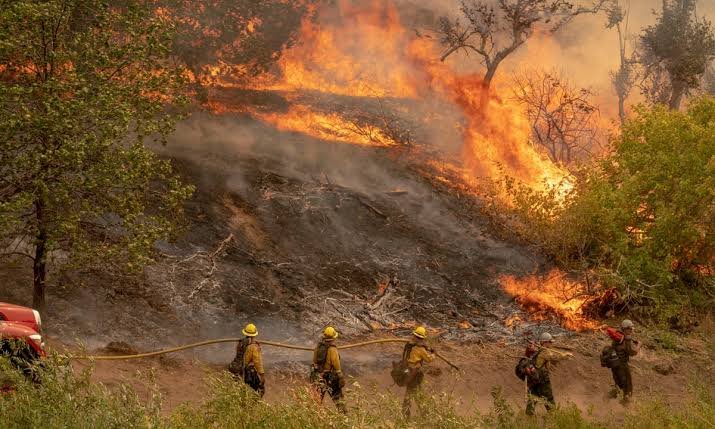
Wildfires can cause serious damage to forests, agricultural land, homes, businesses, and nearby communities. In Pakistan, areas with dry vegetation, forest cover, strong winds, and prolonged periods of hot weather can face an increased risk of vegetation fires. These incidents may threaten homes, roads, power infrastructure, and people’s safety, particularly when buildings are located near forests, hills, grasslands, or open fields.
Although no maintenance routine can eliminate wildfire risk, consistent preparation can help reduce the likelihood of a property catching fire and improve people’s ability to respond to an emergency. Clearing dry vegetation, inspecting roofs, maintaining electrical installations, checking fire detection equipment, and preparing evacuation routes are practical steps that property owners can take before fire season begins.
Wildfire safety is not limited to large forests or remote communities. A fire that starts in dry grass or nearby vegetation can spread toward residential areas, warehouses, farms, schools, and commercial buildings. This makes regular inspection and maintenance an important part of an effective fire safety plan.
Understanding how to maintain a property for wildfire safety can help families and businesses prepare more responsibly. It also highlights why reliable fire detection equipment, including a properly maintained fire alarm system in Pakistan, is important for overall building safety.
1. Inspect Your Property Before Wildfire Season
One of the most effective ways to improve wildfire preparedness is to inspect your property regularly. Waiting until smoke is visible nearby can leave too little time to identify and correct hazards.
Start by examining the entire property, including the roof, garden, boundary walls, storage areas, parking spaces, sheds, and surrounding vegetation. Look for dry leaves, fallen branches, accumulated rubbish, damaged building materials, and other items that could contribute to a fire.
Pay particular attention to places where vegetation grows close to buildings. Dry grass and shrubs near walls, windows, doors, or outdoor storage areas may provide a path for fire to reach a structure.
Create a maintenance checklist that records the condition of each area, the problems identified, and the date of the last inspection. Assign responsibility for completing each task and schedule follow-up checks.
For properties near forested or rural areas, inspections should become more frequent during hot, dry, or windy periods. The exact schedule should reflect local conditions, vegetation growth, and guidance from relevant authorities.
2. Keep Roofs and Gutters Free of Dry Debris
Roofs and gutters deserve particular attention because dry leaves, twigs, and other plant material can collect there throughout the year. Windblown embers from a nearby wildfire may ignite this debris and create a fire close to the building.
Inspect roof edges, valleys, gutters, and areas around rooftop equipment. Remove accumulated leaves and branches before the dry season and repeat the inspection after storms or strong winds.
Also check for damaged roof tiles, loose sheets, missing sections, and gaps where embers could enter concealed spaces. Arrange professional repairs when necessary, especially if the roof is steep, high, or difficult to access safely.
Where appropriate, consider roofing and gutter materials that resist ignition. Any changes should suit the building’s design, local construction requirements, and professional advice.
Do not assume that a metal roof makes a building completely fireproof. Combustible debris on the roof or embers entering through openings can still create hazards.
The National Interagency Fire Center identifies roof and gutter cleaning as an important part of reducing wildfire-related property damage. citeturn992877search0
3. Remove Dry Leaves, Grass, and Dead Vegetation
Vegetation management is a central part of wildfire prevention. Dead leaves, dry grass, fallen branches, and neglected shrubs can provide fuel that allows a fire to spread.
Walk around the property and identify areas where plant material has accumulated. Clear dry debris from paths, courtyards, entrances, garden edges, and spaces next to buildings. Remove dead branches and maintain plants so that they do not create an uninterrupted connection between the surrounding landscape and the structure.
Where possible, use non-combustible surfaces such as stone, concrete, or gravel immediately beside the building instead of allowing dry vegetation to accumulate against exterior walls. Keep firewood, cardboard, packaging, and other combustible materials away from the building.
Properties with larger gardens or open land may need a planned vegetation-maintenance schedule. Consider the local climate, water availability, native plants, and environmental requirements when selecting landscaping methods.
Avoid removing healthy vegetation indiscriminately. The aim is to reduce hazardous fuel and maintain suitable separation, not to damage the surrounding ecosystem. Local forestry and emergency-management authorities can provide advice appropriate to the area.
4. Maintain Trees and Shrubs Around Buildings
Trees can improve shade and provide environmental benefits, but poorly maintained vegetation can increase a property’s exposure to fire.
Inspect trees for dead limbs, dry branches, and growth that touches roofs, balconies, chimneys, or other structures. Arrange appropriate pruning where branches overhang buildings or could carry flames toward them.
Also look for low branches and dense vegetation that allow fire to move from ground-level plants into higher tree growth. Removing this connection, where appropriate, can help reduce the spread of flames.
Keep shrubs from becoming tightly packed against walls and windows. Choose plants suited to local conditions and maintain adequate spacing based on the property’s layout and advice from qualified landscaping professionals.
Do not prune large trees, climb roofs, or use powered cutting equipment without appropriate training and safeguards. Qualified tree-care professionals should handle hazardous branches and work near electrical lines.
Remember that no plant should be considered completely fireproof. Plant moisture, weather, wind, and maintenance all influence how vegetation behaves during a fire.
5. Inspect Walls, Vents, Windows, and Exterior Openings
Wildfire embers can travel ahead of the main fire and enter vulnerable areas of a building. Small gaps, damaged vents, and poorly maintained openings may allow embers to reach combustible materials indoors or inside roof spaces.
Inspect exterior walls, roof edges, attic vents, eaves, window frames, and door seals for damage. Repair cracks and gaps using suitable materials and methods recommended by a qualified professional.
Where local building requirements permit, appropriate corrosion-resistant metal mesh or purpose-designed ember-resistant vents may help reduce ember entry. However, never block ventilation openings without professional guidance, because doing so can create moisture, heat, or indoor-air problems.
Check that windows and doors close properly and that screens are not damaged. Keep combustible materials away from windows and exterior walls.
If you plan renovations, ask a building professional about ignition-resistant construction materials that suit local conditions. Brick, masonry, concrete, and suitable fire-resistant roofing products may offer benefits, but the overall performance depends on the complete building design.
The objective is to reduce opportunities for embers to ignite a structure, rather than assuming that any single repair can guarantee protection.
6. Check Electrical Installations and Outdoor Equipment
Electrical faults and poorly maintained equipment can create fire hazards even when a wildfire is not nearby. During dry weather, an ignition source near combustible vegetation can be particularly concerning.
Arrange periodic inspections of electrical installations, especially in older buildings, agricultural properties, workshops, and commercial premises. Look for damaged cables, loose fittings, overheated connections, and signs of deterioration.
Outdoor lights, pumps, motors, generators, and other equipment should be maintained according to their manufacturers’ instructions. Keep their surrounding areas clear of dry vegetation and unnecessary combustible storage.
Avoid overloading electrical outlets or using damaged extension cords. Electrical repairs should be performed by qualified personnel rather than through improvised fixes.
If your property uses backup power equipment, ensure it is installed and operated according to applicable safety requirements. Keep fuel and other flammable materials stored in approved containers and away from ignition sources, occupied spaces, and escape routes.
For buildings with extensive electrical systems, document inspections and corrective work. A maintenance record helps property managers identify recurring problems and confirm that reported faults have been addressed.
7. Maintain Fire Detection and Alarm Equipment
Early warning is an important part of building fire safety. Smoke alarms and suitable fire detection systems can alert occupants to a developing fire, giving them more time to respond.
A fire alarm system in Pakistan may be installed in offices, residential complexes, shopping centres, hotels, factories, warehouses, and other buildings, depending on their design, occupancy, and applicable requirements.
Wildfire preparation does not replace the need for a suitable indoor fire detection system. If embers enter a building or a nearby fire spreads to the structure, reliable detection and notification equipment may help alert occupants to danger.
Maintenance should include the following steps:
- Test equipment: Follow the manufacturer’s testing instructions and the building’s maintenance schedule.
- Inspect detectors: Check for visible damage, obstruction, dust accumulation, or other issues that could affect operation.
- Check power supplies: Confirm that batteries, mains supplies, and backup batteries are maintained according to manufacturer recommendations.
- Review the control panel: For addressable or conventional systems, qualified personnel should investigate faults, warning indicators, and communication problems.
- Check notification devices: Ensure that alarms, sounders, and visual notification devices are maintained and can alert the intended occupants.
- Document inspections: Record tests, faults, repairs, and any replacement equipment.
Commercial buildings may need professional inspection and servicing at intervals established by the applicable standards, system specifications, and local authorities.
Do not assume that an alarm system can prevent a wildfire. Its purpose is to provide warning of a detected fire, not to stop flames spreading through vegetation. It should form part of a broader strategy that includes property maintenance, evacuation planning, and suitable firefighting arrangements.
Punjab Civil Defence identifies fire detection and alarm systems, firefighting arrangements, emergency exits, and evacuation plans among the fire safety measures considered for relevant premises. citeturn992877search5
8. Check Fire Extinguishers and Other Safety Equipment
Fire safety equipment must remain accessible and in suitable working condition. An extinguisher that is damaged, obstructed, incorrectly selected, or overdue for servicing may not be dependable during an emergency.
Inspect extinguishers for visible damage, missing components, pressure-indicator readings where applicable, and service labels. Ensure that each unit remains accessible and that its instructions are visible.
Have servicing and replacement carried out according to the equipment manufacturer’s guidance and applicable requirements. Select extinguishers suitable for the likely fire hazards in the building.
Do not expect occupants to fight an approaching wildfire with portable extinguishers or household equipment. A spreading outdoor fire can change direction quickly and may generate dangerous heat and smoke. Evacuation and emergency-service instructions take priority.
Maintain other essential equipment, including emergency lighting, exit signs, first-aid supplies, and communication devices. Check that equipment is not blocked by stored goods or locked behind inaccessible doors.
For larger properties, ensure that responsible staff know where safety equipment is located and understand their roles under the emergency plan.
9. Prepare and Maintain Clear Evacuation Routes
A good maintenance plan must address how people will leave safely if a wildfire threatens the area.
Inspect doors, stairways, corridors, gates, driveways, and access roads. Remove stored items and other obstructions that could delay evacuation. Confirm that gates can be opened when necessary and that emergency vehicles can access the property where the road layout allows.
For rural homes and properties near forests, identify more than one possible escape route where available. Roads may become blocked by smoke, fallen trees, traffic, or emergency operations, so relying on a single route can create difficulties.
Keep property addresses visible from the road and maintain signs that help visitors and emergency responders identify entrances. Check that outdoor lighting and essential communication arrangements remain functional.
Create a written evacuation plan that identifies meeting points, emergency contacts, transport arrangements, and the needs of children, older adults, people with disabilities, and pets.
Review the plan with everyone who may need to use it. Practise how to leave promptly without delaying to collect non-essential possessions.
If authorities issue an evacuation instruction, follow it immediately. Do not remain on the property to complete maintenance tasks or attempt to protect buildings from an advancing fire.
10. Monitor Weather and Official Wildfire Warnings
Maintenance is most effective when combined with awareness of changing conditions. Hot temperatures, low rainfall, dry vegetation, and strong winds can increase the danger of vegetation fires in some locations.
Monitor official forecasts, alerts, and announcements from relevant disaster-management, forestry, and local authorities. The National Disaster Management Authority’s forest-fire guidance highlights the importance of monitoring weather conditions, identifying fire-prone areas, improving detection, and coordinating preparedness measures. citeturn992877search34
Before periods of elevated risk, check that roofs and gutters are clean, outdoor storage is secure, escape routes are clear, and emergency contact information is current.
Avoid activities that could ignite dry vegetation, and follow any restrictions or safety directions issued by the relevant authorities.
If smoke or flames are reported nearby, seek reliable information rather than relying only on social media messages. Conditions can change quickly, and official instructions should guide evacuation decisions.
Do not approach a wildfire to inspect it or take photographs. Keep a safe distance and report an emergency through the appropriate local emergency service.
11. Create a Regular Wildfire Maintenance Schedule
A written schedule makes it easier to keep safety tasks from being overlooked. Instead of relying on occasional checks, divide maintenance into regular activities and assign clear responsibility.
Monthly or routine checks
- Inspect outdoor areas for newly accumulated dry debris.
- Check that exits, gates, and access routes remain clear.
- Review emergency supplies and contact information.
- Follow the manufacturer’s instructions for testing smoke alarms and other detection equipment.
Before the dry season
- Inspect roofs, gutters, exterior walls, and vents.
- Arrange necessary tree pruning and vegetation clearance.
- Review electrical equipment and outdoor installations.
- Confirm that fire detection and alarm equipment is serviced as required.
- Review evacuation routes and emergency arrangements.
After storms or strong winds
- Look for fallen branches and newly accumulated debris.
- Check for roof damage and blocked access routes.
- Arrange professional assessment of damaged electrical or structural equipment.
After any fire-related incident
- Keep people away from damaged areas until authorities or qualified professionals confirm that they are safe.
- Arrange appropriate inspections before restoring electrical systems or reoccupying affected spaces.
- Record damage, maintenance work, and corrective actions.
The exact frequency will depend on local weather, property type, vegetation, equipment, and legal requirements. Buildings with complex fire protection systems should follow a documented maintenance programme established by competent professionals.
12. Adapt Wildfire Safety Measures to Pakistan’s Conditions
Pakistan has varied landscapes, climates, and building types. A property near forested hills may face different hazards from a house beside dry agricultural land or a business in a densely populated city.
For properties in forest-adjacent or rural locations, vegetation management, access-road maintenance, emergency communication, and awareness of local fire warnings may be especially important.
In urban areas, the focus may include maintaining electrical installations, keeping exits clear, ensuring fire detection equipment works correctly, and preventing outdoor rubbish or combustible storage from creating additional hazards.
Businesses should assess their own operations. Warehouses may need to consider combustible stock and loading areas, while farms may need to assess dry vegetation around buildings and equipment. Multi-storey buildings should maintain their fire detection, alarm, emergency lighting, and evacuation arrangements in accordance with applicable requirements.
Owners and managers should consult relevant local authorities and qualified fire safety professionals when assessing specific risks. The National Disaster Management Authority provides national disaster-preparedness guidance, while provincial and local agencies may issue additional instructions suited to particular areas.
A fire alarm system in Pakistan should be selected, installed, and maintained according to the building’s needs and applicable requirements. No single product can replace a complete safety programme that includes prevention, maintenance, early warning, and evacuation.
Conclusion
Wildfire safety depends on preparation and consistent maintenance rather than last-minute action. Clearing dry vegetation, cleaning roofs and gutters, inspecting exterior openings, maintaining electrical installations, and keeping evacuation routes accessible can help reduce avoidable hazards around a property.
Fire detection equipment is another important part of overall preparedness. Regularly maintained smoke alarms and a suitable fire alarm system in Pakistan can provide warning of a detected building fire, while a clear emergency plan helps occupants understand what to do when danger arises.
Property owners should review their maintenance routines before dry weather, respond to official warnings, and seek professional support for repairs or inspections that require specialist knowledge.
Most importantly, remember that personal safety comes before property protection. If a wildfire threatens your area, follow official evacuation instructions and leave promptly. Consistent preparation can improve readiness, but no maintenance measure can guarantee that a property will remain safe from every wildfire.
Frequently Asked Questions (FAQs)
1. How often should a property be inspected for wildfire safety?
Inspect the property regularly throughout the year and increase checks during dry or windy periods. Roofs, gutters, vegetation, outdoor storage, and escape routes should receive particular attention. Additional inspections may be needed after storms or strong winds.
2. What maintenance tasks help reduce wildfire risk around a home?
Remove dry leaves, dead branches, and accumulated plant debris. Keep combustible storage away from buildings, maintain suitable vegetation spacing, inspect roofs and gutters, and repair gaps that could allow embers to enter. Adapt these tasks to local conditions and professional guidance.
3. Why is fire alarm maintenance important for wildfire preparedness?
A properly maintained alarm system can alert occupants when a fire is detected inside a building. This may help people respond sooner if a wildfire leads to a building fire. However, alarms do not stop wildfires, so they must be combined with property maintenance and an evacuation plan.
4. What should businesses include in a wildfire safety maintenance plan?
Businesses should assess outdoor vegetation, roofs, electrical equipment, combustible storage, access roads, emergency exits, fire detection systems, and firefighting equipment. They should also maintain emergency contacts, train responsible staff, document inspections, and follow applicable safety requirements.
5. What should people do if a wildfire approaches their property?
Monitor official emergency announcements, prepare to leave, and follow evacuation instructions immediately. Use an approved evacuation route, keep away from smoke and flames, and do not delay departure to complete maintenance or protect belongings. Contact the appropriate emergency service if you need to report a fire.