
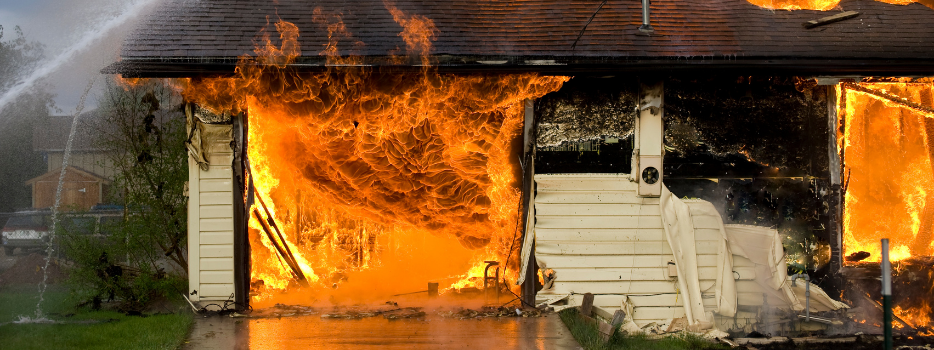
A garage is often used for much more than parking a car. Many homeowners use it to store tools, paint, cleaning products, gardening equipment, spare parts, cardboard boxes, and electrical appliances. Although these items may seem harmless when stored separately, they can create serious fire hazards when combined in a small or poorly organised space.
Garage fires can be especially dangerous because garages often contain vehicles, combustible materials, electrical equipment, and potentially flammable liquids. If a garage is attached to a home, a fire may also threaten nearby rooms and the people inside the property.
For homeowners in Pakistan, garage fire safety deserves particular attention. High temperatures, electrical faults, backup power equipment, vehicle maintenance, and unsafe storage practices can all contribute to fire risks.
The good news is that many hazards can be reduced through simple precautions, regular inspections, suitable fire detection, and a clear emergency plan.
This guide explains how garage fires start, how to prevent common hazards, and how a suitable fire alarm system in Pakistan can contribute to a safer home.
Why Is Garage Fire Safety Important?
A garage can contain several potential ignition sources and combustible materials in one location. Vehicles contain fuel and other flammable components, while workshops may contain power tools, chargers, paints, oils, and cleaning products.
Electrical equipment can also create risks when it is damaged, poorly maintained, or used incorrectly.
Another concern is the location of the garage. In many homes, the garage shares a wall, ceiling, or doorway with the main living area. A fire can threaten the rest of the property, especially if smoke and heat pass through openings or if combustible materials are stored near the entrance to the house.
A safe garage should provide enough space to park vehicles, store essential items appropriately, and move towards an exit without encountering unnecessary obstacles.
Fire safety is not simply about protecting a car or other belongings. Its primary purpose is to protect people and give them a safe opportunity to leave during an emergency.
1. Identify Common Garage Fire Hazards
The first step in improving garage safety is understanding what could cause a fire.
Walk through your garage and examine the way equipment, stored materials, and vehicles are arranged.
Common hazards include:
- Damaged electrical cables, plugs, and extension leads.
- Faulty power tools and battery chargers.
- Flammable liquids stored near ignition sources.
- Combustible rubbish, cardboard, and packaging.
- Poorly maintained electrical equipment.
- Unattended equipment that produces heat.
- Blocked doors, corridors, or escape routes.
- Unsafe vehicle repairs or fuel handling.
- Rechargeable batteries that are damaged or used with unsuitable chargers.
A cluttered garage can make these hazards harder to notice. It can also allow a fire to spread more easily and prevent people from reaching an exit.
Make a habit of checking the garage periodically. If you identify a serious electrical or fuel-related problem, stop using the affected equipment and seek help from a qualified professional.
2. Store Petrol, Oils, Paints, and Chemicals Safely
Garages often contain products used for vehicle maintenance, painting, cleaning, and home repairs. Some of these materials may be flammable and require careful handling.
Whenever possible, avoid storing unnecessary flammable products in a garage attached to the home. Follow the product label and applicable safety requirements when deciding where and how to store materials.
Important precautions include:
- Keep products in their original, properly labelled containers.
- Follow the manufacturer’s storage instructions.
- Keep flammable products away from heat, sparks, and other ignition sources.
- Avoid storing chemicals near electrical panels or equipment that may become hot.
- Keep storage areas organised and away from exits.
- Dispose of unwanted products through appropriate local arrangements.
- Prevent children from accessing hazardous materials.
Do not transfer petrol or other flammable liquids into ordinary drink bottles or unsuitable containers. Mislabelled containers can lead to dangerous mistakes.
Cloths contaminated with certain oils, solvents, or chemicals may also present a fire risk. Follow the product’s disposal instructions instead of leaving such materials in piles around the garage.
Never smoke or use an open flame near flammable liquids or their vapours.
3. Improve Electrical Safety in the Garage
Electrical equipment is common in modern garages. It may include lights, power tools, battery chargers, refrigerators, air compressors, and other appliances.
Damaged wiring, overloaded circuits, and unsuitable equipment can create conditions that lead to overheating or electrical fires.
To reduce these risks, inspect visible cables, plugs, and equipment regularly. Stop using items that show damage, produce unusual smells, spark, or become unexpectedly hot.
Additional precautions include:
- Avoid overloading sockets and extension boards.
- Use electrical equipment suitable for the garage environment.
- Keep electrical equipment away from water and damp areas.
- Avoid improvised wiring connections.
- Keep electrical panels accessible.
- Arrange professional inspection and repairs when necessary.
- Do not ignore circuit breakers that repeatedly trip.
If the garage needs additional sockets or circuits, use a qualified electrician to assess and complete the work.
Never attempt to repair live electrical equipment yourself. If smoke or a burning smell appears near a socket or electrical panel, keep away from the affected area and seek appropriate assistance.
Electrical safety is particularly important in homes where several high-power appliances operate at the same time.
4. Be Careful With Vehicle Parking and Maintenance
Vehicles introduce additional fire-related hazards because they contain fuel, electrical systems, lubricants, and other combustible components.
Routine maintenance can help identify problems before they become serious. Follow the vehicle manufacturer’s maintenance schedule and arrange repairs when warning signs appear.
Look out for fuel smells, damaged wiring, unusual overheating, or other signs of a possible mechanical or electrical fault.
Never ignore a suspected fuel leak. Keep the vehicle away from ignition sources and arrange professional assistance.
Avoid storing unnecessary combustible materials around a parked vehicle. Keep enough clear space to move safely through the garage and reach an exit.
Never leave a vehicle engine running inside an enclosed garage. Vehicle exhaust can contain carbon monoxide, a poisonous gas that cannot be reliably detected by smell. Opening the garage door does not make idling indoors safe.
Do not carry out risky repairs involving fuel systems or other hazardous components unless the work is being performed by a suitably qualified professional under appropriate safety conditions.
5. Charge Batteries and Electrical Tools Safely
Rechargeable batteries are used in cordless drills, garden tools, portable lights, and other household equipment. Some devices contain lithium-ion batteries, which can become hazardous if damaged, overheated, or charged with unsuitable equipment.
Safe charging practices can reduce the risk of battery-related incidents.
Use the charger specified or approved by the device manufacturer. Inspect charging cables and connectors for damage, and stop using equipment that becomes unusually hot or shows other signs of malfunction.
Avoid charging batteries near combustible rubbish, paper, fuel containers, or other flammable materials. Do not charge equipment in a location that blocks the only practical exit from the garage.
Follow the manufacturer’s instructions for charging, storage, and disposal. Damaged batteries should not be treated as ordinary household rubbish; follow appropriate local disposal guidance.
Do not leave visibly damaged or malfunctioning batteries connected to a charger. If a battery begins smoking, swelling, or showing other signs of a serious fault, move away and contact emergency services if there is an immediate danger. Do not handle a battery that appears unsafe.
6. Keep the Garage Clean and Organised
Good housekeeping is one of the simplest ways to improve garage fire safety.
Cardboard boxes, old newspapers, packaging, fabrics, and other combustible materials can provide fuel for a fire. When these items accumulate around electrical equipment or vehicles, they can increase the potential for fire to spread.
Use shelves or suitable storage cabinets to organise ordinary household items. Keep combustible materials away from equipment that produces heat and avoid storing unnecessary rubbish.
Make sure doors and walkways remain clear. Items should not block access to the main garage door, the door leading into the home, or any other designated escape route.
Remove rubbish regularly and address spills according to the relevant product’s safety instructions.
A tidy garage is easier to inspect, easier to maintain, and safer to leave during an emergency.
7. Install Suitable Fire Detection and Warning Equipment
Early warning gives occupants an opportunity to recognise danger and begin evacuating. Fire detection is therefore an important part of a home’s overall safety arrangements.
However, the most suitable detector for a garage may differ from the device used in a bedroom or living room.
Smoke alarms installed directly in garages can experience unwanted activations because of dust, vehicle fumes, and changing temperature or humidity conditions. Depending on the garage and the applicable requirements, a suitable heat alarm may be more appropriate for the garage itself.
A heat alarm responds to specified temperature conditions rather than relying on smoke detection. It should be selected and installed according to the manufacturer’s instructions and the building’s fire safety design.
For homeowners considering a fire alarm system in Pakistan, the following points are important:
- Choose equipment suitable for the intended location.
- Follow the manufacturer’s installation requirements.
- Consider whether garage detection should connect to the home’s wider warning system.
- Ensure alarms can be heard in occupied areas, including bedrooms where appropriate.
- Test and maintain equipment according to its instructions.
- Arrange professional installation for systems that require specialist wiring or configuration.
A garage alarm is not a substitute for safe storage, electrical maintenance, or a household escape plan. It is one part of a broader fire prevention strategy.
8. Understand the Role of a Fire Alarm System in Pakistan
Fire alarm systems can provide early warning when a fire-related condition is detected within the areas they protect.
The design of the system depends on factors such as the building’s size, layout, occupancy, and fire risks. A simple residential arrangement may be different from a system installed in a large house, apartment building, or commercial property.
Depending on the design, a fire alarm system may include smoke detectors, heat detectors, manual call points, a control panel, and audible or visual warning devices.
Pakistan’s Building Code of Pakistan Fire Safety Provisions 2016 addresses fire protection and life safety for relevant building types. The requirements that apply to a particular property should be checked with the appropriate authority or a qualified fire safety professional.
Homeowners should not assume that every garage needs an identical system. Instead, they should assess the garage’s relationship to the rest of the home, its construction, its hazards, and the applicable requirements.
Most importantly, an alarm does not put out a fire. Its purpose is to warn people so they can respond appropriately.
9. Keep Fire Extinguishers Accessible
A suitable fire extinguisher may be useful for a small, contained fire when the person using it has received appropriate training and can act without putting themselves at risk.
The correct extinguisher depends on the type of fire and the hazards present. Fires involving ordinary combustible materials, flammable liquids, and energised electrical equipment may require different extinguishing agents.
Homeowners should choose equipment based on the risks identified in the garage and follow the manufacturer’s instructions.
Keep extinguishers accessible and ensure they are maintained according to the applicable requirements. Everyone in the household should know where the equipment is located, but no one should be expected to fight a dangerous fire without appropriate training.
If flames are spreading, smoke is increasing, or the escape route is threatened, leave immediately. Do not delay evacuation to retrieve an extinguisher or protect property.
Never use water on a fire involving electrical equipment that may still be energised or on a flammable-liquid fire where water could spread the burning material.
10. Create a Garage Fire Escape Plan
A garage fire can create a serious hazard if it blocks the route between the garage and the main living area.
Every household should know how to leave the building safely if a fire starts.
Identify the main exits and consider an alternative route if one becomes blocked. Keep doorways and corridors clear so family members can move quickly.
Your household plan should cover:
- How family members will recognise an alarm or warning.
- Which exits they should use.
- Where everyone will meet outside.
- How to contact the local emergency service.
- Who may need assistance leaving the property.
- Why nobody should return inside for belongings.
Practise the plan with everyone in the household. Children should understand how to respond to an alarm and where to go, but they should never be asked to investigate a fire or operate hazardous equipment.
If the garage connects directly to the house, keep the connecting door in good condition and follow applicable requirements for fire-resisting construction and door protection.
During a fire, evacuate first and contact emergency services from a safe location.
11. Maintain Garage Safety Equipment
Fire safety equipment needs regular attention to remain dependable.
Create a simple maintenance routine for alarms, extinguishers, electrical equipment, garage doors, and other safety features.
Follow the manufacturer’s instructions for testing and maintenance. For more complex systems, use a qualified professional to carry out the required inspections and servicing.
During routine checks, confirm that alarms are not damaged, access to electrical panels is clear, extinguishers remain accessible, and escape routes have not become blocked by stored items.
If an alarm repeatedly activates without an obvious cause, arrange an assessment rather than disabling it permanently.
Record important maintenance and repairs so recurring issues can be identified.
12. A Simple Garage Fire Safety Checklist
Use this checklist to review your garage regularly.
- Keep petrol, paints, and other flammable products stored according to their safety instructions.
- Remove unnecessary cardboard, rubbish, and combustible clutter.
- Inspect visible cables, plugs, and tools for damage.
- Avoid overloading electrical sockets.
- Charge batteries with suitable equipment and in an appropriate location.
- Never run a vehicle engine inside an enclosed garage.
- Keep doors, walkways, and exits clear.
- Install suitable fire detection and warning equipment where appropriate.
- Keep fire extinguishers accessible and maintained.
- Make sure everyone knows the household escape plan.
- Arrange professional repairs for electrical or mechanical faults.
- Review safety arrangements whenever the garage’s use changes.
This checklist is a starting point, not a replacement for professional advice or applicable building requirements.
Conclusion
Garage fire safety is an essential part of protecting a home. Fuel, vehicles, electrical equipment, batteries, and stored household materials can create hazards when they are not managed carefully.
Homeowners can reduce many risks by keeping the garage organised, maintaining electrical equipment, storing flammable products correctly, charging batteries safely, and keeping escape routes clear.
Suitable detection equipment and a well-practised emergency plan provide additional protection. A fire alarm system in Pakistan may form part of the home’s fire safety arrangements, but the right equipment depends on the property and its specific risks.
The most important rule is to put people first. If a fire becomes dangerous, evacuate immediately and contact emergency services from a safe location.
A few consistent safety habits can help make the garage a safer part of the home.
Frequently Asked Questions (FAQs)
1. What are the most common causes of garage fires?
Common causes include electrical faults, faulty tools or chargers, unsafe storage of flammable liquids, vehicle-related problems, and combustible materials placed near heat sources. Regular inspections and safe storage can help reduce these risks.
2. Should I install a smoke alarm or a heat alarm in my garage?
The appropriate detector depends on the garage’s conditions and the applicable fire safety requirements. Smoke alarms may produce unwanted activations in some garages, while a suitable heat alarm may be more appropriate. Follow professional advice and the manufacturer’s instructions.
3. How can I store petrol and paint safely in a garage?
Follow each product’s label and safety instructions, use suitable labelled containers, and keep flammable products away from heat and ignition sources. Where possible, avoid storing unnecessary flammable materials in a garage attached to the home.
4. Can a fire alarm system prevent a garage fire?
No. A fire alarm system provides warning when a fire-related condition is detected within its protected area. Preventing garage fires also requires safe electrical practices, proper storage, equipment maintenance, and responsible battery charging.
5. What should I do if a fire starts in my garage?
Warn everyone, leave the building using a safe exit, and contact emergency services from a safe location. Do not enter a smoke-filled garage or delay evacuation to save a vehicle or other belongings. Do not return until the appropriate authorities say it is safe.