
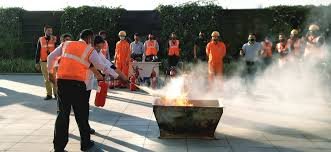
A safe home is not only a place with strong doors, secure windows, and reliable electricity. It is also a place where fire risks are identified early and everyone knows what to do during an emergency. A small electrical fault, unattended cooking, a damaged appliance, or unsafe gas equipment can create a serious fire hazard if ignored.
A fire safety audit is a practical way to identify these risks before they become emergencies. It involves checking the home, reviewing fire protection equipment, inspecting escape routes, and making sure household members understand basic fire safety procedures.
In Pakistan, where homes range from small apartments to large houses and shared residential buildings, fire risks can differ significantly. Electrical loads, kitchen arrangements, gas appliances, storage habits, and building layouts all affect household safety.
This guide explains how to conduct a home fire safety audit, what areas to inspect, how alarms contribute to early warning, and how families can develop a more reliable fire prevention plan.
1. What Is a Home Fire Safety Audit?
A home fire safety audit is a systematic review of a property’s potential fire hazards and emergency preparedness. Its purpose is to find unsafe conditions, evaluate existing safety measures, and identify improvements.
Unlike a quick visual check, an audit considers the entire home. It looks at how a fire might start, how smoke could spread, whether occupants would receive an early warning, and whether everyone could leave the building safely.
A basic household audit generally includes:
- Checking electrical wiring, sockets, plugs, and appliances.
- Reviewing kitchen and gas appliance safety.
- Inspecting smoke alarms and fire detection equipment.
- Checking fire extinguishers and other appropriate equipment.
- Keeping corridors, stairs, doors, and exits clear.
- Preparing an emergency escape plan.
- Reviewing household awareness and emergency contacts.
Homeowners can complete an initial visual review themselves. However, electrical defects, gas leaks, alarm system faults, and other technical concerns should be assessed by qualified professionals.
A fire safety audit should not be treated as a one-time activity. It should be repeated periodically and whenever the home’s layout, electrical equipment, or occupancy changes significantly.
2. Why Are Fire Safety Audits Important for Pakistani Homes?
Many fire hazards develop gradually. A damaged extension lead may remain in use for months, storage may accumulate near a cooking area, or an alarm may stop working without anyone noticing. Regular checks help identify these problems before an incident occurs.
Fire safety audits are especially useful for Pakistani households because living arrangements and building designs vary widely. Some homes have multiple floors, while others are apartments with shared corridors and staircases. Many households also rely on a combination of electrical appliances and gas-powered cooking equipment.
A proper audit can help families:
Identify hazards early: Spot damaged cables, unsafe storage, and poorly maintained appliances.
Improve early warning: Confirm that smoke alarms or other suitable detection systems are installed and maintained.
Prepare for evacuation: Make sure everyone knows the safest available exit routes.
Protect children and older family members: Consider who might need extra assistance during an emergency.
Reduce avoidable damage: Address problems before they lead to a fire or smoke-related emergency.
For apartment residents, fire safety also depends on shared areas. Blocked corridors, locked emergency exits, and poorly maintained common systems can affect everyone in the building.
Applicable building requirements depend on the location, building type, and relevant local authority. Homeowners should check the rules that apply to their property rather than assuming that one set of requirements covers every building in Pakistan.
3. Start by Inspecting Electrical Safety
Electrical problems are an important area to examine during a home fire safety audit. Overloaded sockets, damaged cords, loose connections, and unsuitable electrical equipment can create risks.
Begin with a visual inspection of commonly used areas, including bedrooms, living rooms, kitchens, and spaces where multiple appliances are connected.
Look for:
- Frayed or damaged power cords.
- Cracked plugs, broken sockets, or loose electrical fittings.
- Extension leads used as permanent substitutes for suitable outlets.
- Too many high-power appliances connected to one outlet.
- Discoloured sockets, burning smells, or unusual heat.
- Electrical equipment placed near water or combustible materials.
Do not touch exposed wires or attempt to repair damaged electrical installations yourself. If you notice sparking, burning smells, repeated circuit-breaker trips, or unusually hot electrical fittings, stop using the affected equipment when safe and arrange an inspection by a qualified electrician.
Avoid running cables beneath rugs or placing furniture over them, as this can hide damage and interfere with heat dissipation.
Households should also follow manufacturers’ instructions for appliances and charging equipment. Switch off equipment when appropriate and avoid using visibly damaged devices.
The purpose of an audit is not to repair every problem immediately without assistance. It is to recognise warning signs, document them, and arrange safe corrective action.
4. Review Kitchen and Gas Safety
The kitchen deserves special attention because cooking involves heat, electricity, fuel, and materials that may catch fire. A home audit should examine both cooking practices and the condition of equipment.
Check whether:
- Cooking is supervised while appliances are operating.
- Curtains, paper, cloth, and other combustible materials are kept away from heat sources.
- Grease and food residue are cleaned from cooking equipment.
- Appliance controls and accessible connections appear undamaged.
- Gas equipment is maintained according to the manufacturer’s guidance.
- Children cannot easily access matches, lighters, or hot cooking surfaces.
- Household members know how to respond to a suspected gas leak.
If you smell gas, do not light a flame, operate electrical switches, or use equipment that could create a spark in the affected area. Leave the area, warn others if safe, and contact the relevant gas emergency service or a qualified professional from a safe location.
Never attempt to locate a gas leak using a flame. Do not dismantle gas equipment or attempt repairs without appropriate qualifications.
Families using LPG cylinders should obtain cylinders and compatible equipment through authorised suppliers and follow the supplier’s safety instructions. Cylinders should be kept and used in accordance with applicable requirements and away from ignition sources.
An audit should also consider cooking habits. Leaving frying food unattended, placing towels near burners, or using a stove to heat a room can introduce avoidable hazards.
5. Check Smoke Alarms and Fire Detection Systems
Early warning is one of the most important elements of household fire preparedness. A fire may produce smoke before occupants see flames, and people who are asleep may not notice a developing incident without an alarm.
During the audit, check whether suitable smoke alarms are installed in appropriate locations. Common recommendations include placing alarms on each level of the home, inside bedrooms, and outside sleeping areas. The exact arrangement should follow the alarm manufacturer’s instructions and applicable local requirements.
Inspect each alarm for visible damage, warning indicators, and signs that maintenance is overdue. Test alarms according to the manufacturer’s instructions, commonly using the test button. Replace batteries or the entire unit as directed by the manufacturer.
Do not assume an alarm is working simply because it is installed on the ceiling. It needs to be suitable for the location, correctly maintained, and able to alert the occupants.
For larger homes, apartment buildings, and shared residential properties, a more comprehensive detection and notification arrangement may be appropriate.
Anyone researching a Fire alarm system in Pakistan should understand that different systems serve different purposes. Standalone smoke alarms can be suitable for some homes, while larger or more complex properties may require interconnected alarms or a professionally designed fire detection and alarm system.
A professional assessment can help determine suitable coverage, backup power needs, and compatibility with other building safety equipment. Any technical installation, inspection, or repair should be completed by qualified personnel.
6. Inspect Fire Extinguishers and Other Safety Equipment
Fire extinguishers can be useful when they are appropriate for the type of fire, maintained correctly, and used by someone who can act safely. However, they are not a substitute for evacuation or professional emergency response.
During an audit, check whether the home has suitable equipment for its risks. Review the manufacturer’s guidance and local recommendations when deciding what is appropriate.
For any extinguisher already present, examine:
- Whether it is accessible and clearly visible.
- Whether its label and instructions can be read.
- Whether its inspection or service requirements are up to date.
- Whether there are obvious signs of damage.
- Whether household members know when to leave rather than attempt firefighting.
Do not use water on burning cooking oil or on electrical equipment that may still be energised. If a fire is spreading, smoke is building up, or the correct equipment is unavailable, leave immediately and call emergency services from a safe location.
A fire blanket may also be appropriate for certain kitchen situations when selected and used according to its instructions. It should never encourage someone to approach a fire that is already unsafe to manage.
Keep emergency equipment away from locations where a fire could make it inaccessible. It should be easy to locate without blocking the route to an exit.
7. Evaluate Escape Routes and Emergency Exits
An effective audit must consider how everyone could get outside if a fire occurred. Even a well-equipped home may be unsafe if doors are blocked or occupants do not know where to go.
Walk through the property and examine the usual exits. Identify an alternative route where possible, especially in homes with several floors or multiple bedrooms.
Check that:
- Hallways and staircases are free from stored items.
- Doors and windows can be opened when needed.
- Security arrangements do not prevent a safe escape.
- Exit keys are accessible to household members.
- Staircases and shared corridors are not obstructed.
- Outdoor routes lead to a safe meeting point.
Never plan to use a lift as an evacuation route during a fire unless emergency personnel specifically direct otherwise. In most residential fire situations, occupants should use the designated safe escape routes and follow the building’s emergency instructions.
Families living in apartments should understand the building’s evacuation arrangements and know where the designated staircases and exits are located. Report blocked exits or damaged emergency doors to building management.
Avoid creating an escape plan that depends on climbing from balconies or attempting dangerous jumps. If an ordinary exit becomes unsafe, follow the building’s emergency procedures and contact emergency responders.
8. Review Fire Risks in Bedrooms and Living Areas
Fire safety audits should include rooms where people spend time resting, studying, and charging electronic devices.
Check that lamps, chargers, heaters, and other appliances are used according to their instructions. Keep heating equipment away from curtains, bedding, clothing, and upholstered furniture. Do not leave candles or other open flames unattended.
Inspect charging cables and rechargeable devices for visible damage. Use suitable chargers and avoid placing charging equipment under pillows or bedding where heat may build up.
Bedrooms require particular attention because people may be asleep when an incident begins. Confirm that smoke alarms are working and that doors and exit routes are not blocked by furniture or stored belongings.
If the household uses portable heaters, review their placement, stability, and maintenance. Turn them off when required by the manufacturer’s guidance and before leaving the room or going to sleep, as appropriate.
In living rooms, keep combustible decorations and paper products away from heat sources. Avoid storing unnecessary materials near electrical panels or appliances.
These checks do not need expensive equipment. A careful review of everyday habits can reveal practical improvements that make the home safer.
9. Create a Family Fire Escape Plan
A fire safety audit is incomplete without a plan for what people should do if an alarm sounds. Every household member should know how to leave the property and where to meet after getting outside.
Start by drawing a simple floor plan. Mark the main exit, alternative exits, stairs, and the location of smoke alarms. Discuss the plan with everyone who lives in the home.
Choose a meeting point outside, away from the building and clear of emergency vehicle access. Make sure everyone understands that they should not re-enter the property to collect phones, money, documents, or other belongings.
Consider the needs of young children, older adults, and anyone who may need assistance moving around. Assign support in advance where appropriate, without placing one household member at unreasonable risk.
Practise the plan periodically so that the routes and meeting point are familiar. Review it whenever the home layout changes or someone new moves in.
If a fire occurs, alert others, leave promptly using a safe route, and call the local emergency service from outside. In Punjab, Rescue 1122 lists 1122 as its emergency number. In other parts of Pakistan, confirm the appropriate local emergency contact in advance.
Never delay evacuation to investigate the source of smoke or attempt to save property.
10. Record Audit Findings and Fix Problems
Writing down the findings helps turn a general inspection into a practical safety plan. It also makes it easier to check whether previously identified problems have been resolved.
Create a simple record with four columns:
| Area checked | Finding | Priority | Corrective action |
|---|---|---|---|
| Electrical sockets | Damaged fitting | Urgent | Stop using and arrange qualified repair |
| Smoke alarm | Test unsuccessful | High | Arrange replacement or professional assessment |
| Hallway | Exit partly blocked | High | Clear the route immediately |
| Kitchen | Combustible items near heat | High | Move items to a safer location |
| Escape plan | No agreed meeting point | Medium | Discuss and document a family plan |
Priorities should reflect the seriousness of the hazard. Conditions that present an immediate danger should be addressed without delay, while other improvements should receive a clear completion date.
Do not wait for the next scheduled audit to correct an obvious hazard. If a problem cannot be safely resolved by the household, seek professional help.
For apartment buildings or shared properties, report issues involving common alarms, emergency lighting, fire doors, or escape routes to the responsible building management or relevant authority.
11. When Should You Arrange a Professional Fire Safety Audit?
A household visual check is useful, but some properties need a more detailed assessment.
Consider professional assistance when:
- The property has multiple floors or a complex layout.
- The home contains extensive electrical equipment or special hazards.
- Smoke alarms or a connected alarm system repeatedly show faults.
- The building has undergone renovation or a change in use.
- Several households share corridors, staircases, or other escape routes.
- Local regulations or the relevant authority require an inspection or certificate.
- You are unsure whether existing fire protection equipment is suitable.
For commercial or multi-storey buildings, a professional audit may need to cover detection systems, emergency lighting, fire doors, firefighting equipment, evacuation procedures, and maintenance records. The scope depends on the building and the applicable requirements.
In Pakistan, the Building Code of Pakistan: Fire Safety Provisions 2016 and relevant local regulations can help inform building fire safety arrangements. Punjab’s Rescue 1122 also publishes building safety regulations and provides a fire safety audit form through its official website.
Always confirm the current rules with the relevant local authority. Requirements may differ by province, city, building classification, and occupancy.
Conclusion
Fire safety audits are a practical first step toward making a home safer. They help families recognise hazards, maintain smoke alarms, review electrical and kitchen safety, clear escape routes, and prepare for emergencies.
The process does not need to be complicated. Start with a room-by-room inspection, record problems, and arrange qualified assistance wherever technical work is needed. Then create a family escape plan and review it regularly.
For households and property managers considering a Fire alarm system in Pakistan, the most important principle is to assess the actual needs of the property rather than choosing equipment based on price or appearance alone. Suitable alarms, proper maintenance, clear exits, and informed occupants work together to improve fire preparedness.
A regular audit cannot eliminate every risk, but it can help identify preventable hazards and encourage safer habits. Taking action today is a meaningful step toward protecting the people and property that matter most.
Frequently Asked Questions (FAQs)
1. What is a fire safety audit at home?
A home fire safety audit is a systematic inspection of potential fire hazards, smoke alarms, electrical equipment, kitchen safety, firefighting equipment, and escape routes. It helps identify problems and plan corrective action before an emergency occurs.
2. How often should a home fire safety audit be conducted?
A basic visual review should be carried out regularly, such as every few months, and whenever there are significant changes to the home. Smoke alarms and other equipment should be tested and maintained according to the manufacturer’s instructions.
3. Are smoke alarms necessary in Pakistani homes?
Smoke alarms provide early warning and are an important part of household fire preparedness. Suitable locations and installation requirements depend on the home’s layout, the alarm type, and applicable local guidance. Check that alarms are maintained and tested regularly.
4. What should be checked during a fire alarm system inspection?
An inspection may include the condition of detection devices, manual call points where installed, audible and visual notification devices, control panel indicators, backup power, system coverage, and maintenance records. Complex systems should be inspected and tested by qualified personnel according to applicable standards.
5. Can homeowners conduct their own fire safety audits?
Homeowners can perform basic visual checks, identify obvious hazards, keep exits clear, test alarms according to instructions, and prepare an escape plan. Electrical repairs, gas equipment problems, technical alarm testing, and inspections required by local authorities should be handled by appropriately qualified professionals.