
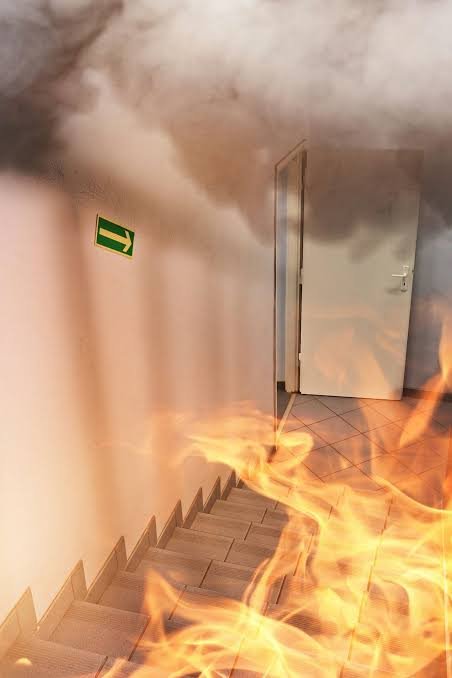
Apartment living offers convenience, security, and access to shared facilities. However, living in a multi-storey building also creates fire safety challenges that residents should not overlook. A fire can start inside a kitchen, result from an electrical fault, or begin in a shared utility area. Smoke may then travel through corridors, stairways, service shafts, and other connected spaces.
One important safety secret is that apartment fire safety depends on preparation before an emergency happens. Residents need working smoke alarms, clear escape routes, suitable firefighting equipment, and a practical evacuation plan. Building management must also maintain shared fire protection systems and ensure that residents understand emergency procedures.
In Pakistan, apartments range from small residential blocks to large high-rise developments. Their fire safety needs vary according to building height, design, occupancy, equipment, and applicable local requirements.
This guide explains how apartment fires can start, how residents can reduce common risks, why alarms matter, and what families should know to respond safely.
1. Why Is Apartment Fire Safety So Important?
In a detached house, occupants may have direct access to outdoor space. In an apartment building, residents may need to use shared corridors, stairways, and designated exits to reach safety. These routes can become difficult to use if smoke spreads or exits are blocked.
A fire can also affect people who are not close to where it started. Smoke may enter neighbouring apartments, while a fire in a shared area can disrupt evacuation across multiple floors.
Apartment fire safety is important because it helps to:
- Give residents early warning of a possible fire.
- Keep escape routes usable during an emergency.
- Reduce common household ignition risks.
- Protect children, older adults, and people who need evacuation assistance.
- Help building staff coordinate an emergency response.
- Reduce avoidable damage to apartments and shared property.
Fire prevention is a shared responsibility. Residents should use appliances safely, report hazards, and follow building procedures. Owners and management teams should maintain common areas and ensure that fire protection arrangements receive appropriate inspection and servicing.
2. Understand the Common Causes of Apartment Fires
Recognising common fire hazards helps residents take sensible precautions.
Electrical faults
Damaged cables, overloaded sockets, faulty appliances, and unsafe electrical modifications can create fire risks. Extension leads should not be used as a permanent substitute for suitable electrical installations.
Avoid using equipment with frayed cables, damaged plugs, unusual overheating, or a burning smell. Arrange repairs through a qualified electrician, and never attempt electrical work beyond your competence.
Cooking accidents
Cooking is a common source of household fire hazards. Leaving food unattended, allowing oil to overheat, or placing towels and packaging near a stove can increase the risk.
Stay in the kitchen while cooking, keep combustible objects away from heat, and turn off cooking equipment when it is no longer needed.
Never pour water onto burning cooking oil. If a pan catches fire, turn off the heat only if it is safe to do so, and cover the pan with a suitable lid if you can do so without approaching dangerous flames. Do not move the pan. If the fire is not immediately controlled or you feel unsafe, leave and call emergency services.
Gas and fuel hazards
Some apartments use gas appliances or LPG cylinders. Damaged connections, incorrect installation, or improper storage can create serious hazards.
Use approved equipment and follow supplier instructions. If you suspect a gas leak, avoid flames and electrical switches, move away from the affected area, and contact the appropriate emergency service or qualified professional from a safe location.
Charging devices and batteries
Damaged chargers, unsuitable accessories, and defective batteries can overheat. Use compatible charging equipment and stop using damaged devices. Follow the manufacturer’s charging and storage instructions.
Careless storage
Paper, cardboard, curtains, cleaning products, and other combustible materials can contribute to fire growth if placed near ignition sources. Keep storage areas organised and never allow belongings to obstruct doors, corridors, or stairways.
3. Smoke Alarms: Your First Warning of Danger
A fire may begin when residents are asleep or in another room. A working smoke alarm can provide an early warning, allowing occupants to respond before smoke and heat make escape more difficult.
Smoke alarms should be installed in suitable locations according to the manufacturer’s instructions and applicable requirements. Depending on the apartment layout, this may include areas near sleeping rooms and on relevant levels of a multi-level residence.
Residents should:
- Test alarms according to the manufacturer’s instructions.
- Replace batteries when required, unless the unit uses a different approved power arrangement.
- Replace damaged or expired alarms according to product guidance.
- Avoid disabling an alarm because it sounds inconvenient.
- Report faulty shared detection systems to building management.
- Understand what the building’s alarm sounds like and what action to take.
An alarm that frequently produces false alerts should be assessed rather than permanently disconnected. The cause may involve its location, contamination, unsuitable equipment, or a maintenance problem.
Smoke alarms and building-wide alarm systems perform related but different roles. A smoke alarm may protect an individual apartment, while a building system may provide coordinated warning across common areas or multiple floors.
4. The Role of a Fire Alarm System in Apartment Buildings
A professionally designed alarm system can help alert occupants and building staff to a fire. Depending on the building’s needs, it may include automatic detectors, manual call points, audible or visual warning devices, and a central control panel.
A suitable fire alarm system in Pakistan should be designed and maintained according to the building’s layout, occupancy, relevant standards, and applicable local requirements.
In apartment buildings, important considerations include:
- Whether common corridors and other required areas have suitable detection.
- Whether alarm signals can be heard or otherwise perceived by occupants.
- Whether manual alarm points are accessible where required.
- Whether backup power arrangements are suitable.
- Whether faults and alarms are monitored and acted upon.
- Whether regular inspection and maintenance are documented.
- Whether residents and staff know how to respond to an alarm.
The correct system depends on the property. A small residential building may have different requirements from a large high-rise apartment complex.
An alarm does not automatically control a fire or guarantee a safe evacuation. Its purpose is to provide warning and support an organised response. Residents still need clear exits, appropriate fire protection equipment, and a plan for leaving the building.
5. Keep Corridors, Stairways, and Exits Clear
Blocked escape routes are a serious concern in apartment buildings. Residents sometimes leave shoes, bicycles, furniture, rubbish, or other belongings in shared corridors and stairwells. During an emergency, these objects may slow evacuation or create trip hazards.
Keep shared areas clear at all times. Do not store personal belongings in stairways or place objects in front of exit doors and firefighting equipment.
Residents should know:
- The location of the nearest designated exit.
- At least one alternative route where available.
- Where the building’s stairs lead.
- Which outdoor assembly point to use.
- How to report a blocked or damaged exit.
Lift use during a fire is generally unsafe unless emergency personnel or an approved building procedure specifically directs otherwise. Lifts may lose power, stop at an affected floor, or expose occupants to smoke. Follow the building’s evacuation instructions and use designated stairs when they are safe.
If smoke makes a route unsafe, do not enter it. Follow emergency guidance and contact rescue services to explain your location.
6. Prepare a Family Apartment Evacuation Plan
A simple family plan can make it easier to respond calmly under pressure. Every household member should know what the alarm means, where to go, and how to contact other family members.
Start by walking through the apartment and identifying possible exits. Check that doors and windows operate as intended, and make sure the routes remain clear.
Your plan should include:
- A primary escape route: Identify the safest designated route from the apartment.
- An alternative route: Know another safe option if the main route is blocked.
- An outdoor meeting point: Choose a location away from the building and emergency vehicle access.
- Emergency contacts: Keep essential numbers accessible.
- Support arrangements: Plan how to assist children or household members who may need help.
- Practice: Review the plan periodically and whenever the apartment layout changes.
Children should understand that they must leave promptly, follow the agreed route, and avoid returning inside for toys or belongings.
Families should also discuss what to do if they become separated. Everyone should know the meeting point and understand that re-entering a building during a fire is dangerous.
7. What Should You Do When a Fire Starts?
The correct response depends on the location and severity of the fire, the condition of escape routes, and instructions from emergency services. The following principles provide a useful starting point.
Raise the alarm
Warn people nearby and activate the building’s alarm system if this can be done safely. Contact the relevant emergency service from a safe location.
Evacuate promptly
Leave using a safe, designated route. Avoid smoke-filled corridors and stairways. Close doors behind you if doing so is safe, but do not delay your escape.
Avoid unnecessary risks
Do not stop to collect valuables, search for possessions, or attempt to rescue items from an affected area. Do not use a lift unless emergency personnel or an approved emergency procedure directs you to do so.
Follow official instructions
Move to the designated assembly point and stay clear of emergency access routes. Tell responders if someone may still be inside and provide their last known location if you know it.
Do not re-enter
Remain outside until emergency personnel confirm that it is safe to return.
If the fire or smoke blocks every safe exit from your apartment, do not enter a smoke-filled route. Follow the building’s emergency instructions, contact emergency services, and clearly communicate your location and conditions.
8. Fire Extinguishers and Other Fire Protection Equipment
Apartment buildings may contain portable fire extinguishers, hose reels, hydrants, or other firefighting equipment. The equipment provided depends on the building’s design, hazards, and applicable requirements.
Residents should know where shared equipment is located and report missing, damaged, or inaccessible units to management. Equipment should not be used as a reason to delay evacuation.
A portable extinguisher may help control a small, early-stage fire when the correct type is available, the person understands how to use it, and a clear escape route remains behind them. It should never be used to tackle a growing fire or one that produces dangerous smoke.
Never use water on live electrical equipment or burning cooking oil. Follow the extinguisher’s label and instructions, and leave immediately if the fire does not respond or the situation becomes unsafe.
Building management should arrange appropriate inspection, servicing, and maintenance. Residents should not remove equipment from shared locations or obstruct access to it.
9. Prevent Fires in Shared Apartment Areas
Fire safety does not stop at the apartment door. Corridors, stairways, parking areas, electrical rooms, waste collection areas, and other shared spaces need attention.
Building management should establish clear procedures for inspecting these areas and correcting hazards.
Useful measures include:
- Keeping escape routes clear.
- Arranging professional inspection of shared electrical systems.
- Managing rubbish and combustible storage.
- Maintaining alarms and firefighting equipment.
- Keeping emergency access available.
- Controlling work that generates heat or sparks.
- Ensuring doors and other fire protection features remain in working condition.
- Communicating emergency procedures to residents, staff, and contractors.
Residents can help by reporting hazards promptly. For example, a damaged electrical panel, a faulty alarm, or a locked emergency exit should be brought to management’s attention without delay.
Maintenance records can help management identify recurring problems and confirm that important checks have been completed.
10. Apartment Fire Safety in Pakistan: Codes and Responsibilities
The Building Code of Pakistan—Fire Safety Provisions 2016 is an important national reference for fire prevention, life safety, and fire protection in buildings. It was developed through the Pakistan Engineering Council in collaboration with the National Disaster Management Authority. <Cite refs={[“turn738694search25″,”turn738694search22”]} />
The requirements applicable to a specific apartment building depend on factors such as building height, occupancy, design, local adoption, and the authority responsible for approvals and enforcement.
The code includes provisions addressing fire alarm systems in certain apartment buildings. For example, its section on new apartment buildings identifies requirements for some buildings with four or more storeys or more than ten dwelling units, subject to the detailed provisions and exceptions in the code. Residents and owners should not assume that this single threshold determines every obligation for every building. <Cite refs={[“turn738694search0”]} />
Owners, developers, and management committees should consult the relevant local authority and qualified fire safety professionals to confirm the requirements for their property. Residents can ask management whether fire safety inspections, alarm testing, equipment servicing, and evacuation procedures are in place.
The purpose of compliance is not merely to satisfy paperwork. Properly maintained safety arrangements help people receive warnings, reach exits, and respond more effectively during an emergency.
11. Special Considerations for Children, Older Adults, and People with Disabilities
Not every resident can evacuate at the same speed or in the same way. Children may need clear instructions and adult support, while older adults and people with mobility, hearing, or visual impairments may require additional planning.
Families and building management should consider these needs before an emergency occurs.
Practical steps include:
- Explaining the alarm signal in an age-appropriate way.
- Identifying who will help a household member who needs assistance.
- Checking that warning devices can be perceived by occupants with hearing or visual impairments.
- Understanding designated evacuation procedures for people who cannot use stairs independently.
- Sharing relevant assistance needs with building management or emergency personnel when appropriate.
- Avoiding plans that depend on an untrained person entering a dangerous area to provide help.
Do not improvise evacuation methods during a fire. Follow the building’s approved plan and instructions from emergency responders.
12. A Simple Apartment Fire Safety Checklist
Residents and building managers can use this checklist as a starting point. It does not replace a professional inspection or the building’s legal obligations.
- [ ] Smoke alarms are installed where appropriate and tested as instructed.
- [ ] Residents know how to respond to the building alarm.
- [ ] Corridors and stairways are free from obstructions.
- [ ] Exit doors and designated escape routes are accessible.
- [ ] Shared fire equipment is visible and accessible.
- [ ] Electrical faults and gas concerns are reported promptly.
- [ ] Combustible rubbish is removed from shared areas.
- [ ] Emergency contact details are readily available.
- [ ] Residents know the assembly point and evacuation procedure.
- [ ] Building management arranges required inspections and maintenance.
- [ ] Special evacuation needs have been considered.
- [ ] Emergency drills or resident briefings take place where appropriate.
Review the checklist periodically and whenever building conditions change.
Conclusion
Apartment fire safety is not a single device or one-time inspection. It is a combination of prevention, early warning, clear escape routes, maintained equipment, and informed residents.
Families can reduce common risks by practising safe cooking and electrical habits, keeping exits clear, testing smoke alarms, and learning their building’s emergency procedures. Building owners and management teams have an equally important role in maintaining shared fire protection systems and addressing hazards promptly.
For apartment buildings in Pakistan, fire safety arrangements should reflect the property’s design and the requirements of the relevant authorities. A properly designed and maintained fire alarm system, combined with practical evacuation planning, can help residents receive warnings and respond sooner.
The safety secret is simple: prepare before an emergency, know how to leave safely, and never put lives at risk to protect property.
Frequently Asked Questions (FAQs)
1. What is the most important apartment fire safety measure?
There is no single measure that works on its own. Working smoke alarms, clear escape routes, safe electrical and cooking practices, maintained fire protection equipment, and a rehearsed evacuation plan all contribute to apartment fire safety.
2. Should apartment buildings in Pakistan have fire alarm systems?
Fire alarm requirements depend on the building’s design, height, occupancy, applicable code provisions, and local authority requirements. Owners and management should consult the Building Code of Pakistan—Fire Safety Provisions 2016 and the relevant local authority to confirm what is required.
3. What should I do if a fire alarm sounds in my apartment building?
Treat the alarm seriously. Follow the building’s evacuation procedure, use a safe designated exit, avoid smoke-filled routes, and contact emergency services from a safe location. Do not use lifts unless emergency personnel or an approved procedure specifically directs you to do so.
4. Can I use a lift during an apartment fire?
Generally, residents should use designated stairs rather than lifts during a fire because power failure or smoke may make lifts unsafe. Follow the building’s emergency instructions and guidance from emergency responders.
5. How can apartment residents improve fire safety?
Residents can test smoke alarms as instructed, keep corridors and exits clear, avoid overloading electrical outlets, practise an evacuation plan, report damaged equipment, and cooperate with building management on inspections and emergency preparedness.