
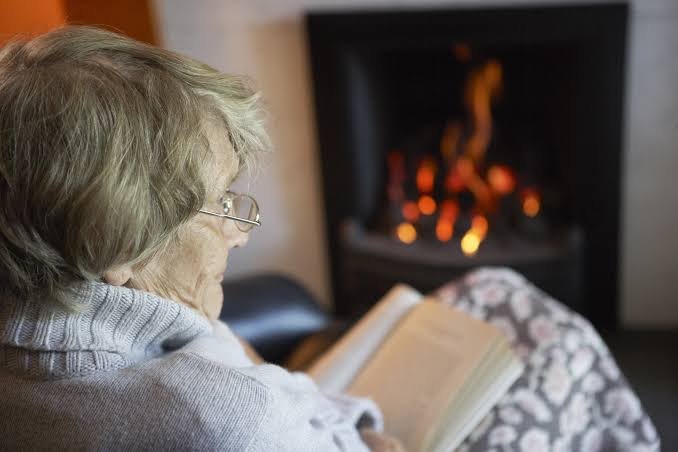
Fire safety is important at every stage of life, but older adults may face additional challenges during a fire emergency. Reduced mobility, difficulty hearing an alarm, poor visibility, or the need for mobility aids can make it harder to recognise danger and leave a building quickly. Planning ahead can help reduce these challenges while supporting independence and peace of mind.
For families in Pakistan, fire safety for elderly relatives should be a practical part of household planning. Whether an older adult lives independently, with family members, or in an apartment building, a few simple precautions can make the home safer.
These precautions include maintaining electrical equipment, using cooking appliances carefully, installing suitable smoke alarms, keeping escape routes clear, and preparing an emergency plan that considers individual needs.
A Fire alarm system in Pakistan can provide an important warning when a fire is detected, but an alarm alone is not enough. Older adults also need a clear way to receive the warning, understand what to do, and reach safety.
This beginner’s guide explains common fire hazards, prevention measures, accessible alarm options, emergency planning, and practical ways families can help older adults prepare for a fire.
Why Is Fire Safety Important for Older Adults?
Every household has fire risks, but some older adults may need extra time or assistance to respond to an emergency. For example, a person who uses a walking frame may need a clear route without obstacles, while someone with hearing difficulties may not notice a conventional alarm.
The U.S. Fire Administration identifies older adults as a group that may face increased fire-related risks and recommends planning with family members, neighbours, and caregivers where additional help may be needed. <Cite refs={[“turn718491search2”]} />
Understanding individual needs is more useful than making assumptions based on age alone. Some older adults may be fully independent, while others may benefit from assistance with alarm testing, home maintenance, or evacuation planning.
A good fire safety plan should aim to:
- Reduce common household fire hazards.
- Provide an effective early warning.
- Keep escape routes accessible.
- Make emergency instructions easy to understand.
- Arrange assistance when it is needed.
- Help older adults remain as independent as safely possible.
Common Fire Hazards in the Home
Identifying hazards is the first step towards prevention. Families can review the home together and address problems without making unnecessary changes to an older adult’s daily routine.
1. Electrical faults
Damaged wires, overloaded sockets, loose connections, and faulty appliances can create overheating or ignition risks.
Older properties may have ageing wiring or electrical installations that are not suitable for the number of appliances currently in use. Warning signs include unusually hot sockets, burning smells, flickering lights, damaged cables, and circuit breakers that trip repeatedly.
Safety tips:
- Avoid connecting too many appliances to one socket or extension board.
- Stop using damaged plugs, cords, and electrical equipment.
- Keep electrical appliances away from water.
- Ask a qualified electrician to investigate suspected faults.
- Never bypass a circuit breaker or attempt repairs on live electrical equipment.
2. Cooking accidents
Cooking is a common source of household fire hazards. Leaving food unattended, forgetting that a burner is on, or allowing towels and paper products to come close to heat can create dangerous conditions.
Some older adults may also find it difficult to move hot pots or reach cooking controls safely.
Safety tips:
- Stay in the kitchen while cooking, especially when using the stove.
- Use a timer as a reminder when preparing food.
- Keep curtains, towels, paper, and packaging away from heat sources.
- Turn handles inward where practical to reduce accidental knocks.
- Wear clothing that does not hang near flames or hot surfaces.
- Keep the cooking area clean and free from unnecessary clutter.
If cooking becomes difficult to manage safely, consider simpler meal preparation methods or ask a family member or caregiver to help.
3. Heaters and heating appliances
Portable heaters, electric blankets, and other heating devices may cause fires if damaged, used incorrectly, or placed too close to combustible materials.
Keep heaters away from bedding, curtains, clothing, and furniture. Follow the manufacturer’s instructions, and do not use appliances with damaged cables or signs of overheating.
Never use an outdoor heating or cooking appliance indoors unless it is specifically designed and approved for indoor use.
4. Smoking materials and open flames
Cigarettes, matches, candles, and other open flames can ignite nearby materials if left unattended.
If someone smokes, it is important to follow safe smoking practices and avoid smoking near medical oxygen equipment. Keep matches and lighters away from children and anyone who may use them unsafely.
Where candles are used, never leave them unattended or near curtains, bedding, or other combustible objects. Battery-operated alternatives can reduce the need for open flames.
5. Clutter and blocked escape routes
Boxes, loose rugs, furniture, and stored belongings can obstruct a safe exit. Clutter may also make it harder for someone using a walking aid or wheelchair to move quickly.
Keep hallways, doorways, and routes to outside exits clear. Arrange furniture to allow easy movement and ensure that essential mobility aids are accessible.
Smoke Alarms and Fire Alarm Systems
Early warning is one of the most important parts of home fire safety. Smoke alarms detect smoke and provide an audible warning, giving occupants an opportunity to respond.
For older adults, the alarm must be suitable for the person’s hearing, vision, and living arrangements.
Where should smoke alarms be installed?
Common fire safety guidance recommends installing smoke alarms inside sleeping rooms, outside separate sleeping areas, and on every level of the home. Always follow the manufacturer’s installation instructions and applicable local requirements.
Alarms should be positioned in suitable locations, away from places where cooking fumes or steam may cause frequent false alarms.
Test alarms and maintain them
An alarm cannot provide reliable warning if it is faulty, disconnected, or has an exhausted battery.
Follow the manufacturer’s instructions for testing, cleaning, battery replacement, and end-of-life replacement. A family member or caregiver can help if an older adult has difficulty reaching the device safely.
Do not climb on unstable furniture to test or service a ceiling-mounted alarm. Arrange appropriate assistance instead.
Consider alarms for people with hearing difficulties
A conventional sound may not be suitable for every household member. Depending on individual needs, options may include alarms with a stronger audible signal, interconnected alarms, or devices that provide visual alerts or bed-shaking notifications.
The right option depends on the person’s needs, the home layout, and compatibility with other equipment.
When is a larger fire alarm system appropriate?
A standalone smoke alarm may be suitable for many homes, while larger residential buildings, apartment complexes, and shared facilities may need more comprehensive detection and notification arrangements.
When considering a Fire alarm system in Pakistan, check the property’s requirements, the quality of the equipment, backup power arrangements, maintenance needs, and the person’s ability to recognise the warning.
Professional advice is particularly useful for multi-storey homes, shared residential buildings, and properties where an older resident may need assistance during evacuation.
Creating an Accessible Emergency Escape Plan
A fire escape plan should reflect the person’s actual abilities, the building layout, and the help available. A plan that looks good on paper may not work if a doorway is too narrow for a mobility aid or the route includes an inaccessible staircase.
Identify safe exit routes
Identify the main exit and an alternative route where possible. Make sure doors can be opened without unnecessary difficulty and that the route remains free of obstacles.
If the person lives in an apartment, discuss the building’s evacuation arrangements with the management. Do not assume that a lift will be available during a fire.
Choose an outdoor meeting point
Select a safe place outside the home where family members or neighbours can meet after evacuating. Everyone involved should know where to go.
Once outside, nobody should re-enter the building to collect belongings or look for another person. Tell emergency responders if someone may still be inside.
Plan for mobility needs
If an older adult uses a cane, walking frame, or wheelchair, consider how that aid will be available during an emergency. Check whether doorways, corridors, and exits provide enough space for safe movement.
If stairs or other barriers may prevent independent evacuation, discuss suitable arrangements with the building manager, family members, and relevant emergency professionals in advance.
Practise the plan
Walk through the escape route at a comfortable pace when there is no emergency. Identify any difficult door handles, trip hazards, poor lighting, or other obstacles.
Revise the plan if mobility, hearing, eyesight, or living arrangements change. Practice should be supportive and realistic rather than rushed or physically demanding.
Supporting Older Adults Who Live Alone
Living alone does not mean that an older adult cannot manage fire safety independently. However, a simple support arrangement may be useful when assistance is needed.
Consider these measures:
- Arrange periodic checks of smoke alarms and electrical equipment.
- Keep important emergency contact details in an accessible place.
- Identify a trusted neighbour or family member who can check in.
- Discuss the escape plan with the person rather than making assumptions about their needs.
- Ensure that mobility aids, glasses, hearing aids, and essential items are kept in consistent, accessible places.
- Arrange professional help for repairs and tasks that are difficult to perform safely.
Any support plan should respect the person’s preferences and privacy. The goal is to reduce hazards and improve preparedness without unnecessarily limiting independence.
Fire Safety for Older Adults With Hearing or Vision Difficulties
An emergency plan must account for the way a person receives information and navigates their surroundings.
For people with hearing difficulties
Consider an alarm that includes visual alerts or another notification method suited to the person. Interconnected devices may help communicate an alarm from another part of the home.
If the person uses a hearing aid, remember that it may not always be worn or available during sleep. A suitable alerting arrangement should be chosen based on their circumstances.
For people with vision difficulties
Keep the route to exits consistent and free from obstacles. Ensure that frequently used doors and pathways are easy to identify and that emergency lighting is appropriate for the home.
Avoid moving furniture without explaining the change. Clear, familiar routes can make it easier to navigate during a stressful situation.
For people with memory or cognitive difficulties
Use simple instructions, clear signs where helpful, and a consistent emergency routine. Trusted family members or caregivers can help review the plan and ensure that alarm devices are maintained.
If independent evacuation may not be possible, seek professional advice about the most appropriate support arrangements.
What Should Older Adults Do if a Fire Starts?
If smoke or fire is discovered, the priority is to reach safety.
- Raise the alarm: Alert others in the home if it is safe to do so.
- Leave promptly: Use the safest available exit and avoid smoke-filled areas.
- Take only essential mobility aids if immediately accessible: Do not delay evacuation to find belongings.
- Call emergency services from a safe location: Provide the address and explain the situation.
- Stay outside: Do not re-enter the building until emergency responders confirm that it is safe.
Do not attempt to fight a growing fire or move burning electrical equipment. If the escape route is blocked, avoid entering smoke-filled areas and contact emergency services immediately for instructions.
Emergency procedures should be tailored to the property and the individual’s needs. Where an older adult may need help, that support should be planned before an emergency rather than improvised during one.
Fire Extinguishers: Are They Necessary at Home?
A suitable fire extinguisher may be useful in some homes, but it is not a substitute for smoke alarms or an escape plan. Its selection depends on the likely fire hazards and the person’s ability to use it safely.
Older adults should never feel pressured to fight a fire. If a fire is spreading, smoke is present, or the person is unsure how to respond, evacuation is the safer priority.
Extinguishers should be appropriate for the intended hazards, accessible, and maintained according to the manufacturer’s instructions. Household members should understand their limitations before an emergency occurs.
Never use water on electrical equipment that may still be energised or on burning materials for which water is unsuitable.
Fire Safety Considerations for Homes in Pakistan
Household layouts, electrical installations, cooking methods, and building types vary across Pakistan. Some homes may have narrow stairways, shared corridors, backup power equipment, gas appliances, or ageing wiring that requires particular attention.
Practical steps include:
- Arrange electrical inspections when wiring is old or faults are suspected.
- Keep escape routes clear in multi-storey homes and apartments.
- Maintain cooking equipment and follow the manufacturer’s safety instructions.
- Store fuels and household chemicals according to their labels and safety guidance.
- Ensure that alarms can be heard or otherwise noticed by everyone in the household.
- Discuss building evacuation arrangements with the relevant property manager where appropriate.
The Building Code of Pakistan — Fire Safety Provisions 2016 provides a framework for fire protection and life safety in buildings. It applies through the relevant adoption and enforcement arrangements, so the requirements for a particular property should be confirmed with the competent local authority. <Cite refs={[“turn718491search22″,”turn718491search24”]} />
For a larger residential building or shared accommodation, owners and managers should check which detection, alarm, escape, and maintenance requirements apply.
A Beginner’s Fire Safety Checklist for Older Adults
Use this checklist to review the home with the older adult and any support person they choose.
- [ ] Smoke alarms are installed in suitable locations.
- [ ] Alarms are tested and maintained according to the manufacturer’s instructions.
- [ ] The alarm can be heard or otherwise noticed by the resident.
- [ ] Electrical cords, plugs, and appliances are in safe condition.
- [ ] Cooking and heating equipment is used according to its instructions.
- [ ] Curtains, bedding, and other combustible materials are kept away from heat sources.
- [ ] Hallways, doorways, and exits are clear.
- [ ] Mobility aids and essential glasses or hearing aids are kept accessible.
- [ ] The resident knows the main escape route and a suitable alternative where possible.
- [ ] A safe outdoor meeting point has been chosen.
- [ ] Emergency contact information is easy to access.
- [ ] Family members or trusted neighbours know what assistance has been agreed.
- [ ] The escape plan has been reviewed and practised where appropriate.
Address any identified hazards in a way that respects the older adult’s preferences and provides the assistance they need.
Choosing Fire Safety Equipment and Professional Support
When selecting fire safety equipment, focus on suitability, reliability, and ease of maintenance rather than price alone.
Before purchasing a smoke alarm or a larger system, consider the property’s layout, the number of occupants, the resident’s hearing and vision, backup power requirements, and the manufacturer’s maintenance instructions.
For larger buildings, ask a qualified fire safety professional to assess the site and explain the appropriate detection and notification arrangements. A professional can also advise on compliance with applicable building requirements.
For information about fire protection solutions, you can visit Flame Defender. The final choice of equipment should be based on the building’s risks and the needs of its occupants.
Conclusion
Fire safety for older adults begins with understanding individual needs and reducing preventable hazards. Safe electrical practices, careful cooking, suitable smoke alarms, accessible escape routes, and a clear emergency plan can all contribute to a safer home.
Families and caregivers can help by maintaining alarms, arranging professional repairs, and discussing emergency plans in a respectful and practical way. Older adults should be involved in decisions about their safety so that precautions support both protection and independence.
For households in Pakistan, the right fire detection arrangements depend on the type of property, local requirements, and the needs of the people living there. A suitable alarm system is an important part of fire safety, but it works best alongside prevention, preparation, and regular maintenance.
Taking time to review these measures today can help every household respond more confidently if a fire emergency occurs.
Frequently Asked Questions (FAQs)
1. Why is fire safety important for older adults?
Some older adults may need extra time or assistance to hear an alarm, move through an exit, or respond to an emergency. A suitable alarm, clear escape route, and personalised emergency plan can help address these challenges.
2. Where should smoke alarms be installed in a home?
Common guidance recommends smoke alarms inside sleeping rooms, outside separate sleeping areas, and on every level of the home. Follow the manufacturer’s instructions and any applicable local requirements for the property.
3. What type of fire alarm is suitable for an elderly person?
The right alarm depends on the person’s hearing, vision, mobility, and home layout. Options may include standard smoke alarms, interconnected devices, visual alerts, or specialised notification devices. A suitable choice should be based on individual needs.
4. How can families help older adults prepare for a fire?
Families can check alarm maintenance, remove escape-route obstacles, arrange electrical repairs, identify safe exits, choose an outdoor meeting point, and agree on who can provide assistance if needed.
5. What should an older adult do if a fire starts at home?
Raise the alarm, leave using the safest available exit, and call emergency services from a safe location. Do not delay evacuation to collect belongings or attempt to fight a growing fire. Never re-enter until emergency responders say it is safe.