
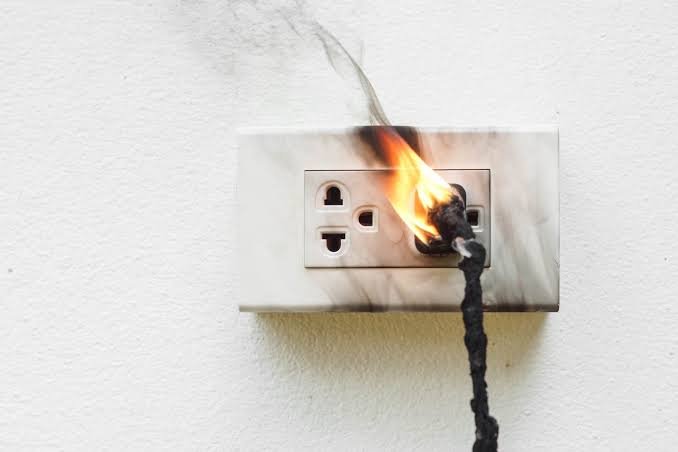
Electricity makes everyday life easier by powering lights, fans, refrigerators, air conditioners, televisions, computers, and many other household appliances. However, damaged wiring, overloaded sockets, faulty equipment, and unsafe electrical connections can increase the risk of fire.
Electrical fire safety at home is important for every household in Pakistan. From older houses with ageing wiring to modern homes using multiple high-powered appliances, electrical systems need proper installation, regular maintenance, and responsible use.
Many electrical fires begin with problems that may seem minor, such as a loose plug, a damaged cable, or a socket that becomes unusually hot. Recognising these warning signs and addressing them promptly can help protect people and property.
A complete home fire safety plan should include safe electrical practices, suitable smoke alarms, accessible escape routes, and a clear emergency plan. Understanding the role of a Fire alarm system in Pakistan can also help homeowners make informed decisions about fire detection and warning equipment.
This guide explains common electrical fire hazards, prevention methods, smoke alarm safety, and practical steps households can take to improve protection.
What Is Electrical Fire Safety?
Electrical fire safety means taking precautions to prevent fires caused by electrical installations, appliances, and equipment. It also involves preparing for emergencies so that occupants can leave the building safely if a fire occurs.
Electrical fires may start when electrical current produces excessive heat, when damaged insulation allows conductors to make unintended contact, or when faulty connections create sparks. These problems can ignite nearby combustible materials, including curtains, bedding, paper, furniture, and clothing.
Electrical fire safety has three main objectives:
- Prevention: Reduce the likelihood of electrical faults and unsafe conditions.
- Early detection: Use suitable smoke alarms or fire detection equipment to provide warning.
- Emergency preparedness: Ensure occupants know how to evacuate and contact emergency services.
These measures work together. Smoke alarms cannot prevent every electrical fault, and good wiring alone cannot guarantee that a fire will never occur. A combination of prevention, detection, and preparation offers more complete protection.
Common Causes of Electrical Fires at Home
Understanding common electrical hazards makes it easier to identify problems before they become emergencies.
1. Overloaded sockets and extension boards
Connecting too many appliances to one socket or extension board can exceed its safe electrical capacity. High-power appliances may draw more current than the connection can handle, causing excessive heating.
This can happen when households connect several devices to a single extension board or use unsuitable adapters for appliances such as heaters, irons, and air conditioners.
Safety tip: Follow the rated capacity of sockets, plugs, and extension boards. Avoid connecting multiple high-power appliances to one outlet, and never use an extension board as a permanent substitute for adequate household wiring.
2. Damaged electrical wires
Electrical cords can become damaged through repeated bending, crushing, pulling, or contact with sharp edges. Worn insulation can expose conductors and increase the risk of electric shock, short circuits, and fire.
Cables hidden beneath carpets or trapped behind heavy furniture may deteriorate without being noticed.
Safety tip: Check visible cords periodically. Stop using equipment with damaged cables, exposed conductors, or cracked plugs. Have damaged wiring repaired or replaced by a qualified electrician rather than covering it with tape as a permanent fix.
3. Faulty switches and loose connections
A plug that fits loosely into a socket, a switch that becomes unusually hot, or a connection that produces crackling sounds may indicate a fault.
Loose electrical connections can create resistance and heat. In some circumstances, electrical arcing may occur and ignite nearby materials.
Safety tip: Stop using a suspect outlet or switch and arrange professional inspection. Do not open electrical fittings or attempt repairs while the circuit is energised.
4. Poor-quality electrical equipment
Electrical accessories that are unsuitable for their intended use may not provide adequate protection. Damaged chargers, poorly made adapters, incompatible plugs, and equipment without appropriate safety certification can create additional hazards.
Safety tip: Purchase electrical products from reputable suppliers, use them according to the manufacturer’s instructions, and replace equipment that shows signs of damage or overheating.
5. Faulty appliances
Appliances such as refrigerators, washing machines, fans, water heaters, irons, and air conditioners may develop electrical or mechanical faults over time.
Unusual burning smells, repeated circuit-breaker trips, damaged plugs, or unexpected heating should not be ignored.
Safety tip: Stop using a faulty appliance and have it assessed by a qualified technician. Do not repeatedly reset a breaker without investigating why it has tripped.
6. Ageing or unsuitable wiring
Older homes may have deteriorated wiring, inadequate electrical capacity, or modifications that were not carried out correctly. A household’s electrical needs can also change as more appliances are added.
Safety tip: Arrange an electrical inspection if the building has old wiring, unexplained power interruptions, frequent breaker trips, or signs of overheating. A qualified electrician can assess whether repairs or upgrades are needed.
Practical Ways to Prevent Electrical Fires
Electrical fire prevention begins with everyday habits and continues through professional inspection and maintenance.
Avoid overloading electrical circuits
Every circuit has a designed capacity. Using too many high-power appliances on the same circuit can overload it, particularly when the electrical installation is old or unsuitable.
Spread appliance use across appropriately designed circuits. If your household regularly needs several extension boards, ask a qualified electrician to assess whether additional outlets or circuit upgrades are necessary.
Keep electrical equipment away from water
Water can create a serious electric shock hazard and may contribute to electrical faults. Keep electrical appliances and connections away from wet surfaces, leaking pipes, and areas where water may collect.
Never handle plugs or switches with wet hands. If an electrical appliance becomes wet, do not reconnect it until it has been assessed and confirmed safe.
Use appliances according to instructions
Follow the manufacturer’s guidance for installation, ventilation, use, and maintenance. Keep heat-producing appliances away from curtains, bedding, paper, and other combustible materials.
Do not leave an iron or portable heater operating unattended. Switch appliances off when they are no longer needed, and avoid using equipment that shows signs of overheating.
Maintain electrical panels and protective devices
Circuit breakers and other protective devices help protect electrical installations against specified faults. They must be selected, installed, and maintained correctly.
Never replace a fuse with one of an incorrect rating or bypass a protective device to stop repeated tripping. A breaker that trips repeatedly may be indicating an overload or fault that requires investigation.
Keep electrical panels accessible
Do not place boxes, furniture, or stored items in front of the main electrical panel. Easy access allows an authorised adult or qualified electrician to reach the equipment when necessary.
The panel should be properly labelled where appropriate, and electrical work should only be performed by a qualified person.
Arrange regular professional inspections
A qualified electrician can check wiring, outlets, switches, earthing arrangements, protective devices, and the suitability of circuits for the appliances being used.
An inspection is especially valuable before moving into an older property, after major renovations, or when adding high-power equipment. Inspection frequency should reflect the condition and use of the installation.
What Warning Signs Should You Never Ignore?
Electrical problems may produce warning signs before a fire occurs. Recognising them early can prevent a minor defect from becoming a serious hazard.
Watch for:
- A burning or melting-plastic smell near outlets or appliances.
- Sockets, plugs, or switches that become unusually hot.
- Scorch marks, discolouration, or melted plastic around electrical fittings.
- Crackling, buzzing, or sparking from a switch or outlet.
- Circuit breakers that trip repeatedly.
- Lights that flicker unexpectedly or change brightness when appliances operate.
- Damaged cords, loose plugs, or exposed wiring.
These signs do not always mean a fire will occur, but they warrant attention. Stop using the affected equipment where it is safe to do so, keep people away from the hazard, and arrange professional assistance.
If smoke, flames, or an active electrical fire are present, prioritise evacuation and contact the local emergency service. Do not approach the electrical source to investigate.
The Role of Smoke Alarms in Home Fire Safety
Preventing electrical faults is essential, but a fire can still occur despite precautions. Smoke alarms provide an additional layer of protection by warning occupants when smoke is detected.
A smoke alarm may give people valuable time to leave the building, particularly at night when household members are asleep.
Where should smoke alarms be installed?
Common fire-safety guidance recommends installing smoke alarms inside sleeping rooms, outside separate sleeping areas, and on every level of the home. Exact placement should follow the manufacturer’s instructions and applicable local requirements.
Alarms should generally be positioned on the ceiling or high on a wall, as directed by the manufacturer. Avoid locations where cooking fumes or steam are likely to trigger repeated false alarms.
Test alarms regularly
An alarm provides protection only if it works when needed. Follow the manufacturer’s instructions for testing, cleaning, battery replacement, and end-of-life replacement.
Test the alarm using its test function at the recommended interval. If it does not work correctly, address the problem promptly or replace the unit as appropriate.
Consider interconnected alarms
Where suitable, interconnected smoke alarms can help ensure that an alarm in one part of a home alerts occupants in other areas. This may be particularly useful in larger or multi-storey houses.
For larger residential buildings or properties with shared corridors and common areas, the appropriate fire detection arrangements may be more complex and should be assessed professionally.
Understanding a Fire Alarm System in Pakistan
Homeowners researching a Fire alarm system in Pakistan should understand that different products serve different purposes.
A standalone smoke alarm is a self-contained device that detects smoke and sounds a local warning. A larger fire alarm system may use several detectors, manual call points, sounders, a control panel, and backup power.
The appropriate arrangement depends on the size, layout, occupancy, and risk profile of the building.
For an ordinary home, suitable standalone smoke alarms may provide an important first layer of warning. Larger residential buildings, apartment complexes, and properties with shared spaces may require a more comprehensive system based on applicable building rules and a professional assessment.
Before selecting a system, consider:
- Whether the device is suitable for residential use.
- Its power source and backup arrangements.
- The recommended installation locations.
- Testing and maintenance requirements.
- Whether interconnected alarms would be beneficial.
- Any applicable requirements imposed by the local authority.
A fire alarm system does not replace safe wiring, circuit protection, or responsible appliance use. It supports early warning as part of a broader fire safety plan.
What Should You Do if an Electrical Fire Starts?
Knowing how to respond can reduce the risk of injury during an electrical fire.
1. Raise the alarm and evacuate
Alert everyone in the home and leave immediately if there is smoke or fire. Use a safe exit route, avoid smoke-filled areas, and do not stop to collect belongings.
If smoke is spreading, stay low while moving towards a safe exit where possible. Close doors behind you if this can be done without delaying your escape.
2. Do not touch exposed wires or electrical equipment
Never touch damaged wiring, a sparking appliance, or equipment that may still be energised. Do not attempt to unplug a burning appliance or approach a live electrical panel.
If it is safe to do so without approaching the fire, a qualified or appropriately trained adult may isolate the power supply. However, no one should delay evacuation or put themselves at risk to reach a switch or panel.
3. Never use water on an energised electrical fire
Water can conduct electricity and expose a person to electric shock. Do not pour water onto burning electrical equipment that may still be connected to a power source.
The correct firefighting method depends on the equipment and the type of fire. If a fire is growing, smoke is spreading, or you are unsure what to do, evacuate rather than attempting to extinguish it.
4. Call emergency services from a safe location
Once outside, contact the appropriate local emergency service and provide the location and nature of the incident. Keep everyone away from the building until emergency responders confirm that it is safe to return.
5. Do not re-enter the property
A fire may leave behind damaged wiring, structural hazards, and hidden hot spots. Wait for emergency responders or qualified professionals to confirm that re-entry is safe.
Electrical Fire Safety for Families With Children
Children should learn simple, age-appropriate rules for staying safe around electricity.
Teach them not to insert objects into sockets, touch exposed wires, or play with electrical appliances near water. Damaged cords and suspicious electrical equipment should be reported to a responsible adult.
Where appropriate, use suitable tamper-resistant outlets or approved socket-protection products. Keep chargers and electrical accessories in good condition, and avoid running cords through areas where children may pull, trip over, or damage them.
Families should also practise a simple escape plan. Children need to know how to leave the home, where to meet outside, and why they must never return to a burning building.
Electrical Fire Safety in Apartments and Shared Buildings
People living in apartments may face additional challenges because electrical systems, corridors, stairwells, and other facilities are shared.
Building management should arrange appropriate inspection and maintenance of common electrical systems, emergency lighting, alarms, and fire-protection equipment where required.
Residents should keep corridors and stairways clear, report damaged common-area wiring, and avoid storing combustible items near electrical panels.
If an alarm sounds, follow the building’s emergency instructions. Use designated escape routes and avoid lifts during a fire unless emergency personnel specifically direct otherwise.
Owners and building managers should consult the relevant local authority to determine which fire protection measures apply to their building.
Electrical Fire Safety and Building Regulations in Pakistan
The Building Code of Pakistan — Fire Safety Provisions 2016 includes requirements relating to building fire protection, occupant notification, and maintenance, inspection, and testing of fire protection features. The requirements that apply to an individual property depend on its classification, characteristics, and the rules adopted and enforced by the relevant authority.
The code is not a substitute for competent electrical installation and maintenance. Electrical wiring and equipment should be installed and repaired in accordance with applicable codes and accepted standards by qualified professionals.
For larger residential buildings and properties with shared areas, owners should confirm their obligations with the relevant building control authority or other competent local department.
Households should also follow the instructions supplied with electrical products and fire detection devices. When in doubt about an installation, seek professional advice instead of attempting an unsafe repair.
A Simple Home Electrical Fire Safety Checklist
Use this checklist to review common hazards around your home.
- [ ] Electrical cords and plugs are free from visible damage.
- [ ] Sockets and extension boards are not overloaded.
- [ ] High-power appliances are connected to suitable outlets and circuits.
- [ ] There are no unexplained burning smells, sparks, or hot electrical fittings.
- [ ] Circuit breakers are not repeatedly tripping without investigation.
- [ ] Electrical panels remain accessible.
- [ ] Smoke alarms are installed where appropriate and tested according to instructions.
- [ ] Escape routes and doors remain clear.
- [ ] Household members know how to leave the building during a fire.
- [ ] A qualified electrician has assessed suspected faults or ageing wiring.
If you identify a serious electrical hazard, keep people away and arrange professional help promptly.
Conclusion
Electrical fire safety at home begins with understanding the risks associated with wiring, sockets, appliances, and electrical equipment. Avoiding overloaded outlets, replacing damaged cords, maintaining protective devices, and arranging professional inspections can reduce preventable hazards.
Smoke alarms add another important layer of protection by warning occupants when smoke is detected. Families should test their alarms, keep escape routes clear, and practise a straightforward emergency plan.
For homeowners in Pakistan, the best approach combines safe electrical practices with suitable detection equipment and an understanding of applicable building requirements. Whether you need a simple smoke alarm or a more comprehensive fire detection solution, choose equipment that fits your property and maintain it according to professional guidance.
Electrical safety is not a one-time task. Regular attention to small warning signs can help protect your family, your home, and your belongings.
Frequently Asked Questions (FAQs)
1. What is the most common cause of electrical fires at home?
Electrical fires can result from several problems, including damaged wiring, loose connections, overloaded outlets, faulty appliances, and unsuitable electrical accessories. Regular inspections and safe appliance use can help reduce these risks.
2. How can I prevent electrical fires in my home?
Avoid overloading sockets, replace damaged cords, keep electrical equipment away from water, and use appliances according to their instructions. Arrange professional inspections if you notice burning smells, hot outlets, sparks, or repeated circuit-breaker trips.
3. Can I use water to put out an electrical fire?
No. Water should not be used on electrical equipment that may still be energised because it can create an electric shock hazard. Raise the alarm, evacuate, and contact emergency services if a fire occurs.
4. Do I need a fire alarm system at home in Pakistan?
Suitable smoke alarms can provide valuable early warning in homes. Larger residential buildings and properties with shared spaces may have additional requirements depending on their design, use, and local regulations. Consult the relevant authority or a qualified fire safety professional for guidance.
5. How often should home smoke alarms be tested?
Follow the manufacturer’s instructions for testing and maintenance. Many fire safety authorities recommend testing smoke alarms at least monthly, keeping them clean, and replacing batteries or the entire unit when required by the manufacturer’s guidance.