
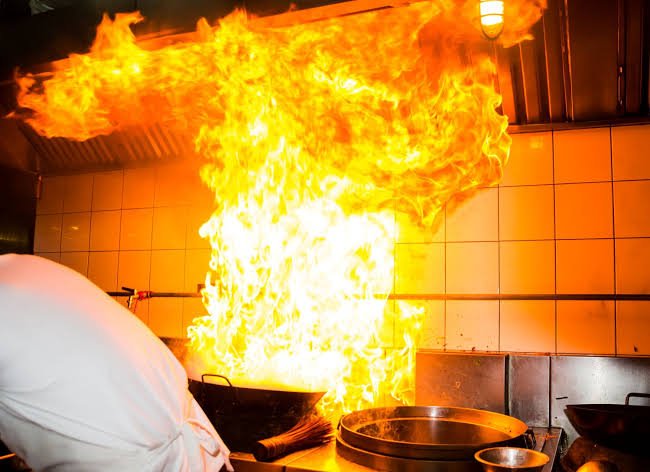
Restaurants bring people together to enjoy meals, celebrate special occasions, and spend time with family and friends. Behind every successful restaurant, however, is a kitchen that uses heat, electricity, cooking oil, gas appliances, and other equipment that can create fire hazards if not managed properly.
Restaurant fires can disrupt business, damage property, injure employees, and put customers at risk. A fire that starts around a cooking appliance or electrical connection may spread quickly if combustible materials are nearby or staff members do not know how to respond.
Restaurant fire safety is therefore an essential responsibility for owners, managers, chefs, and other employees. It involves more than keeping fire extinguishers on the premises. Proper safety measures include maintaining cooking equipment, inspecting electrical systems, keeping escape routes clear, installing appropriate detection and alarm equipment, and training staff to respond to emergencies.
In Pakistan, restaurant operators should also consider applicable building regulations, local authority requirements, and the specific risks associated with their premises.
This guide explains 10 things every restaurant owner and employee should know about fire safety, helping businesses develop safer kitchens and dining areas.
1. Understand the Most Common Causes of Restaurant Fires
The first step towards preventing restaurant fires is understanding where risks may develop. Commercial kitchens contain several heat sources and often operate for long hours, sometimes under considerable pressure during busy service periods.
Common fire hazards include:
- Cooking oil and grease accumulating on equipment.
- Gas leaks or poorly maintained gas connections.
- Faulty electrical wiring and damaged appliance cables.
- Overloaded sockets and unsuitable extension leads.
- Flammable materials stored near heat sources.
- Equipment that overheats because of poor maintenance.
- Waste materials left close to cooking appliances.
Grease is particularly important because it can accumulate inside cooking equipment and ventilation systems. If cleaning is neglected, this buildup can contribute to fire spread.
Restaurant managers should identify hazards throughout the premises, including kitchens, storerooms, staff areas, electrical rooms, and dining spaces. Regular inspections help identify problems before they become emergencies.
A written fire safety checklist can make these inspections more consistent. Staff should know how to report damaged equipment, unusual smells, excessive heat, or other warning signs promptly.
2. Keep Cooking Equipment Clean and Well Maintained
Cooking equipment is central to restaurant operations, but it also requires regular care. Grease, food particles, and other residue can accumulate around fryers, grills, ovens, ranges, and extraction systems.
Cleaning schedules should reflect the type of equipment, the intensity of use, and the manufacturer’s recommendations. High-use appliances may require frequent cleaning, while ventilation systems need an appropriate professional maintenance schedule.
Important practices include:
- Removing grease and food residue using suitable cleaning methods.
- Keeping cooking areas free from unnecessary combustible materials.
- Arranging professional cleaning of kitchen exhaust systems when required.
- Inspecting appliances for damage and abnormal operation.
- Repairing faulty equipment before returning it to service.
- Keeping maintenance and cleaning records.
Kitchen ventilation deserves particular attention. Filters, ducts, and exhaust hoods can accumulate grease over time, potentially increasing the risk of fire and reducing ventilation performance.
Cleaning should only be performed using safe procedures. Equipment should be shut down and allowed to cool as directed, and staff should never use unsuitable chemicals or cleaning methods.
Restaurant managers should assign clear responsibilities so that essential tasks are not overlooked during busy periods. A clean kitchen supports hygiene, improves working conditions, and reduces avoidable fire hazards.
3. Follow Safe Gas and Electrical Practices
Many restaurants in Pakistan depend on gas-powered cooking appliances, electrical equipment, or a combination of both. These systems should be installed and maintained appropriately.
Gas safety starts with suitable equipment, secure connections, adequate ventilation, and inspections by qualified personnel. Staff should be familiar with the restaurant’s approved procedure for responding to a suspected gas leak.
If a gas leak is suspected, employees should alert others, avoid ignition sources, leave the affected area, and contact the appropriate emergency service or qualified gas professional from a safe location. They should not attempt repairs themselves.
Electrical safety is equally important. Damaged cables, faulty plugs, unsuitable extension leads, and overloaded circuits can increase fire risks.
Restaurants should:
- Arrange electrical installation and repairs through qualified professionals.
- Avoid overloading outlets and power distribution equipment.
- Keep electrical equipment away from water where it is not designed for wet conditions.
- Remove damaged appliances from service until they have been checked.
- Ensure electrical panels remain accessible.
- Follow manufacturer instructions for operating and cleaning equipment.
Portable appliances should be inspected as part of routine maintenance. Staff should not ignore repeated circuit trips, burning smells, sparks, or unusually hot electrical components.
Safe gas and electrical practices protect employees and customers while helping restaurants maintain reliable operations.
4. Install Appropriate Fire Detection and Alarm Equipment
Early warning is an important part of restaurant fire protection. A fire may begin in a kitchen, storeroom, service area, or another space where employees and customers cannot immediately see it.
A suitable fire alarm system in Pakistan can help alert occupants to a developing fire and support a faster, more organised evacuation.
The appropriate system depends on factors such as the building’s layout, size, occupancy, cooking arrangements, and applicable regulations. Restaurants should obtain advice from qualified fire safety professionals rather than selecting equipment solely on price.
Key considerations include:
- Suitable detection equipment for each area.
- Alarm audibility throughout occupied spaces.
- Compatibility with the building’s fire safety arrangements.
- Reliable power and any required backup supply.
- Clear alarm indicators and instructions for staff.
- Regular testing, inspection, and maintenance.
Not every detector is appropriate for every kitchen environment. Steam, cooking fumes, and heat can affect the performance of certain devices. Detector selection and positioning should therefore follow the applicable design standards and manufacturer guidance.
The Building Code of Pakistan (Fire Safety Provisions) 2016 provides a national reference for fire and life safety measures. However, the requirements applicable to a particular restaurant should be confirmed with the relevant local authority and building professional.
Restaurant managers should ensure that staff understand what the alarm sounds like and what action to take when it activates. An alarm should never be ignored simply because the kitchen is busy.
5. Choose and Maintain Suitable Fire Extinguishers
Fire extinguishers can help control certain small fires when the correct type is available and conditions are safe. However, different extinguishers are designed for different hazards.
Restaurants should assess the risks in their kitchens, dining areas, storage rooms, and electrical spaces before selecting equipment.
Common extinguisher types include:
Wet chemical extinguishers: These are designed for certain cooking-oil and fat fires, depending on the product’s rating.
Dry chemical extinguishers: Some models are suitable for several common fire classes, including certain fires involving flammable liquids and electrical equipment.
Carbon dioxide extinguishers: These are commonly used for certain electrical-equipment and flammable-liquid fires, subject to the equipment’s rating and limitations.
The correct selection depends on the hazard and the relevant standards. Staff should be trained to recognise which equipment is provided and understand when not to use it.
Extinguishers should be accessible, clearly identified, and maintained according to the manufacturer’s instructions and applicable requirements. Regular checks should look for obvious damage, missing components, or pressure indicators outside the recommended range.
Never use water on a burning cooking-oil fire or an energised electrical fire. If a fire is spreading, producing heavy smoke, or threatening an escape route, staff should evacuate rather than attempt to fight it.
Fire extinguishers are one part of a wider fire protection plan, not a substitute for alarms, evacuation procedures, or professional emergency assistance.
6. Keep Emergency Exits and Escape Routes Clear
During a fire, people need to leave the premises quickly and safely. Smoke, confusion, and crowding can make evacuation more difficult, especially in restaurants with busy dining areas or narrow passageways.
Every restaurant should maintain clear, accessible escape routes. Staff should know the available exits and understand how customers can reach them.
Important precautions include:
- Keeping exit doors and corridors free from stored items.
- Ensuring emergency exit signs remain visible where required.
- Maintaining emergency lighting where required.
- Avoiding furniture arrangements that obstruct escape routes.
- Making sure doors and exit hardware operate as intended.
- Displaying evacuation instructions in suitable locations.
Boxes, spare chairs, cleaning supplies, and delivery items should never be stored in escape routes. Even temporary obstructions can slow evacuation.
Restaurants operating on upper floors or inside shopping centres should understand the building’s overall evacuation arrangements. Staff should know which routes are designated for emergency use and whether any areas have special procedures.
A fire exit must not be treated as an ordinary storage space or kept inaccessible during business hours. Managers should include exits and passageways in daily opening checks.
When an evacuation becomes necessary, employees should guide customers towards safe exits without delaying their own escape. People should not return inside to retrieve personal belongings.
7. Train Staff to Respond to Fire Emergencies
Fire safety equipment is only effective when people understand how to respond. Restaurant staff may include chefs, servers, cleaners, supervisors, security personnel, and temporary workers. Everyone needs to know the basic emergency procedures relevant to their role.
Training should cover:
- Recognising common fire hazards.
- Reporting dangerous conditions promptly.
- Understanding the restaurant’s alarm signals.
- Knowing evacuation routes and assembly points.
- Understanding when and how to contact emergency services.
- Recognising the limits of fire extinguishers.
- Following approved emergency procedures for gas and electrical hazards.
Staff should never be expected to tackle a dangerous fire or place themselves at risk to protect equipment or stock.
Restaurant managers can reinforce training through regular briefings and practice exercises appropriate to the premises. New employees should receive safety information before taking on duties that expose them to relevant hazards.
Training should also account for customer needs. During an emergency, employees may need to communicate calmly, provide clear directions, and avoid creating congestion at exits.
Written emergency procedures should be easy to locate and understand. Where staff speak different languages, important instructions should be communicated in a way that all relevant employees can understand.
A prepared team is more likely to recognise danger, alert others, and follow a coordinated response.
8. Store Flammable Materials Safely
Restaurants often store cleaning products, cooking oils, packaging, paper goods, and other supplies. Some materials can burn easily, while certain chemicals may introduce additional hazards if stored incorrectly.
Storage arrangements should keep combustible materials away from heat sources and ignition points. Supplies should not obstruct electrical panels, cooking appliances, exits, or firefighting equipment.
Good storage practices include:
- Keeping cardboard and paper packaging away from hot equipment.
- Storing cleaning chemicals according to their labels.
- Maintaining appropriate separation between incompatible substances.
- Keeping gas cylinders, where used, in approved locations and according to applicable safety rules.
- Removing waste regularly.
- Avoiding unnecessary stock accumulation in kitchen areas.
Chemical containers should remain clearly labelled and closed when not in use. Staff should not transfer products into unlabelled containers or mix cleaning chemicals unless the manufacturer specifically permits it.
Waste management also matters. Greasy materials, packaging, and rubbish should be handled and stored appropriately rather than left beside cooking equipment.
Managers should inspect storerooms as well as visible customer areas. A well-presented dining room does not necessarily mean that back-of-house storage is safe.
9. Create and Practise a Restaurant Fire Emergency Plan
Every restaurant should have a clear plan explaining what staff must do if a fire occurs. The plan should reflect the actual building layout, equipment, occupancy, and emergency arrangements.
A practical plan should identify:
- How staff raise the alarm.
- Who contacts emergency services.
- Available evacuation routes.
- Safe outdoor assembly points.
- Procedures for guiding customers outside.
- Arrangements for assisting people who may need additional support.
- Responsibilities for reporting missing persons to emergency responders.
Any staff role involving emergency action must be realistic and safe. Employees should not be instructed to enter smoke-filled areas, return to a burning building, or delay evacuation to collect money or belongings.
Practice exercises can help staff understand the plan and identify problems such as blocked exits, unclear signs, or confusing instructions. The frequency and form of drills should reflect applicable requirements and the restaurant’s circumstances.
Restaurants in shared buildings should coordinate with building management so their procedures align with the wider evacuation plan.
After an exercise or actual incident, managers should review what worked and what needs improvement. Changes to the layout, equipment, seating capacity, or staff responsibilities may require the plan to be updated.
10. Arrange Regular Fire Safety Inspections and Compliance Checks
Fire safety should be an ongoing responsibility rather than a one-time task completed when a restaurant opens.
Regular inspections help managers identify problems with equipment, escape routes, staff practices, and maintenance records. They also provide an opportunity to check whether changes in the restaurant have introduced new hazards.
A fire safety review may include:
- Fire detection and alarm equipment.
- Extinguishers and other firefighting provisions.
- Emergency exits and signs.
- Electrical and gas installations.
- Kitchen extraction and grease management.
- Storage of combustible materials.
- Staff training and evacuation arrangements.
- Inspection and maintenance records.
Restaurant owners should consult qualified professionals when the assessment involves system design, technical testing, or specialist repairs.
In Pakistan, the Building Code of Pakistan (Fire Safety Provisions) 2016 is an important reference for fire and life safety in buildings. Provincial and municipal authorities may have additional requirements, and enforcement arrangements can differ by location and type of premises. Businesses should confirm the rules that apply to their restaurant rather than assuming one checklist satisfies every legal obligation.
For example, Punjab Civil Defence identifies inspection of fire safety measures in commercial premises and other buildings as part of its responsibilities. Restaurant operators should check with the relevant authority in their own area for applicable inspection, approval, and compliance procedures.
Keeping written records of inspections, repairs, staff briefings, and equipment servicing makes it easier to identify recurring issues and demonstrate that safety is being managed systematically.
Conclusion
Restaurant fire safety protects customers, employees, property, and business continuity. Kitchens combine heat, cooking oil, gas or electricity, and ventilation systems, so preventing fires requires consistent attention to everyday hazards.
By understanding common fire risks, maintaining equipment, following safe gas and electrical practices, installing suitable alarms, selecting appropriate extinguishers, and keeping exits clear, restaurant operators can improve their overall level of preparedness.
Staff training and emergency planning are equally important. Employees should know how to raise the alarm, guide customers to safety, and contact emergency services. They should never be expected to take unnecessary risks to save property.
For restaurant owners in Pakistan, fire protection should include a review of applicable building codes and local authority requirements. A suitable fire alarm system in Pakistan, supported by proper maintenance and a well-practised evacuation plan, can be an important part of a broader safety strategy.
The best approach is prevention, preparation, and prompt evacuation whenever conditions become unsafe. Making fire safety part of everyday restaurant operations helps create a safer environment for everyone.
Frequently Asked Questions (FAQs)
1. What are the most common causes of restaurant fires?
Common causes include grease buildup, cooking equipment problems, gas leaks, electrical faults, overloaded sockets, and combustible materials stored near heat sources. Regular cleaning, equipment maintenance, and staff training can help reduce these risks.
2. What fire safety equipment should a restaurant have?
The equipment depends on the building, kitchen hazards, occupancy, and applicable requirements. It may include suitable fire extinguishers, fire detection and alarm equipment, emergency signs, emergency lighting, and other required fire protection systems. A qualified professional can assess what is appropriate for a particular restaurant.
3. Why does a restaurant need a fire alarm system?
A suitable fire alarm system can warn staff and customers about a developing fire, helping them begin evacuation sooner. The system should be selected, installed, tested, and maintained according to its design and applicable local requirements.
4. How often should restaurant fire safety equipment be checked?
Equipment should be inspected, tested, and serviced according to the manufacturer’s instructions and applicable standards. Restaurants should establish a documented maintenance schedule and arrange professional servicing where required.
5. What should restaurant staff do if a fire breaks out?
Staff should raise the alarm, alert others, contact emergency services, and follow the restaurant’s evacuation plan. They should guide customers towards safe exits when possible without delaying their own escape. Only trained personnel should consider using an extinguisher on a small, contained fire when it is safe and an escape route remains available. If conditions are unsafe, everyone should evacuate immediately.