
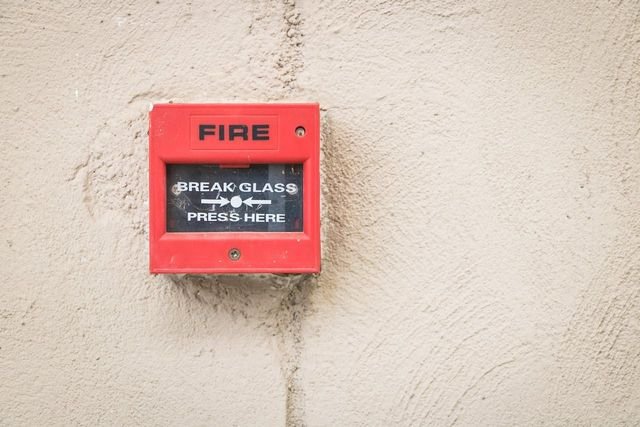
Home should be a place where families feel safe and comfortable. However, everyday activities such as cooking, charging electronic devices, using electrical appliances, and operating gas equipment can create fire hazards if proper precautions are ignored.
Many household fires begin with ordinary problems, including damaged wiring, unattended cooking, overloaded electrical outlets, or equipment that has not been maintained. Unfortunately, misconceptions about fire safety can make these risks worse. Some people believe that a fire will always be noticed immediately, that keeping an extinguisher is enough, or that a small electrical problem is nothing to worry about.
These assumptions can leave families unprepared when an emergency occurs.
In Pakistan, where households may use gas cylinders, backup generators, electrical appliances, and different types of heating and cooking equipment, understanding basic fire safety is particularly valuable. Prevention, early warning, and a clear escape plan work together to protect people and property.
A properly selected Fire alarm system in Pakistan can help alert occupants when a fire is detected. However, alarms must be combined with safe electrical practices, suitable equipment, regular maintenance, and family preparedness.
This article examines the biggest myths about home fire safety, explains the facts behind them, and offers practical ways to create a safer home.
Myth 1: Home Fires Always Give Plenty of Warning
The fact: A home fire can develop quickly, and smoke may spread before occupants fully understand what is happening.
Some people assume they will have enough time to investigate a burning smell, collect their belongings, or wake every family member individually. In reality, conditions can deteriorate rapidly, particularly when a fire begins at night or in an unoccupied room.
Smoke can reduce visibility and make breathing difficult. It may also spread through corridors and other parts of a building, affecting people who are far from the original fire.
What should you do?
Install suitable smoke alarms in appropriate locations and maintain them according to the manufacturer’s instructions. Develop a family escape plan so everyone understands how to leave the home and where to meet outside.
If an alarm sounds or you discover a fire, prioritize getting everyone to safety. Do not delay evacuation to investigate the source or collect possessions.
Early warning and preparation can make a critical difference when time is limited. The U.S. Fire Administration also emphasizes that a home fire can leave occupants with very little time to escape. <Cite refs={[“turn280237search2″,”turn280237search0”]} />
Myth 2: Smoke Alarms Are Only Necessary in Large Houses
The fact: Homes of different sizes can experience fires, and a small property is not automatically safe.
A fire can start in a bedroom, kitchen, living room, electrical area, or another part of a home. Even in a compact house or apartment, occupants may not immediately notice smoke from another room, especially while sleeping.
Smoke alarms provide an additional layer of protection by detecting smoke and warning people of a possible fire.
What should you do?
Assess the home’s layout and follow recognized smoke alarm placement guidance and the manufacturer’s instructions. General guidance recommends alarms inside bedrooms, outside separate sleeping areas, and on every level of a home.
Where suitable, interconnected alarms can improve warning coverage because multiple units sound when one detects a fire.
Homes in Pakistan may differ considerably in design, so the installation should reflect the actual layout and applicable local requirements. Hardwired alarms should be installed by a qualified electrician.
Remember that a smoke alarm is a warning device, not a substitute for fire prevention or an escape plan. <Cite refs={[“turn280237search0″,”turn280237search4”]} />
Myth 3: A Fire Alarm System Is Only for Commercial Buildings
The fact: Fire detection and warning equipment can also be valuable in residential properties.
Large commercial buildings often have centralized fire alarm systems, but households can benefit from appropriate smoke alarms and other residential detection arrangements.
A residential smoke alarm is different from a larger building-wide fire alarm system. The appropriate solution depends on the property’s size, layout, occupancy, and risks.
For example, an apartment building may need building-wide detection and notification arrangements under applicable requirements, while an individual house may benefit from properly placed residential smoke alarms.
What should you do?
Consider the following when choosing fire detection equipment:
- The size and layout of the home.
- The number of floors and sleeping areas.
- The location of kitchens and other potential fire hazards.
- Whether interconnected alarms would improve warning coverage.
- Battery life, backup power, and maintenance needs.
- The manufacturer’s instructions and applicable local requirements.
When researching a Fire alarm system in Pakistan, compare the equipment’s intended application and technical specifications rather than assuming every system is suitable for every property.
For apartment owners, it is also important to understand the building’s existing fire protection arrangements and the responsibilities of the building management.
Myth 4: Turning Off an Appliance Means There Is No Fire Risk
The fact: Damaged wiring, defective components, and some electrical faults can remain hazardous even when an appliance is not being actively used.
Switching off an appliance is a sensible precaution, but it does not repair damaged wiring or eliminate every electrical risk. Faulty plugs, loose connections, damaged cables, and overloaded circuits may still cause problems.
In homes with ageing electrical installations, additional equipment such as air conditioners, heaters, or backup power systems may place demands on circuits that were not designed for them.
What should you do?
Inspect visible cables, plugs, and sockets regularly. Stop using equipment that has damaged insulation, loose connections, unusual heat, or signs of scorching.
Avoid overloading outlets and extension boards. Major appliances should be connected according to the manufacturer’s instructions and the capacity of the electrical installation.
If circuit breakers trip repeatedly or you notice a burning smell, have the installation checked by a qualified electrician. Never bypass a breaker or attempt improvised repairs.
Safe electrical practices reduce the chance of a fire starting in the first place. <Cite refs={[“turn280237search3”]} />
Myth 5: Water Can Put Out Every Type of Fire
The fact: Water is not suitable for every fire and can create additional danger around energized electrical equipment.
Different fires involve different materials and hazards. A fire involving ordinary combustible materials is not the same as one involving cooking oil, flammable liquids, or electrical equipment that remains connected to a power supply.
Using the wrong extinguishing method can make an incident more dangerous.
What should you do?
Choose firefighting equipment based on the hazards present and the manufacturer’s guidance. Learn which types of fires an extinguisher is designed to address.
Never throw water onto energized electrical equipment or a cooking-oil fire. If a fire develops, prioritize evacuation and contact the local emergency service.
Only consider using a suitable extinguisher if you have received appropriate training, the fire is small, your escape route remains clear, and using it does not put anyone at risk.
If there is any doubt, leave immediately. Protecting lives is more important than attempting to save property.
Myth 6: A Fire Extinguisher Alone Makes a Home Safe
The fact: An extinguisher is only one component of a complete fire safety plan.
Some households buy an extinguisher and assume that the home is adequately protected. However, an extinguisher cannot guarantee early detection, warn sleeping occupants, or create a safe escape route.
It may also be unsuitable for the particular fire or difficult to reach during an emergency.
What should you do?
Build a layered safety plan that includes:
- Appropriate smoke alarms.
- Safe electrical and cooking practices.
- Suitable, accessible firefighting equipment.
- Clear exits and escape routes.
- A family evacuation plan.
- Regular checks and maintenance.
Everyone in the household should know where the exits are and understand that evacuation takes priority over firefighting.
For families living in apartments, ask building management about alarm procedures, stairways, emergency lighting, and the building’s firefighting arrangements.
Myth 7: Cooking Fires Are Too Small to Become Dangerous
The fact: A cooking fire can spread quickly, especially if it involves hot oil, nearby curtains, packaging, or other combustible materials.
Cooking is a common source of household fire hazards. Leaving food unattended, allowing grease to accumulate, or placing combustible objects near a flame can increase the risk.
A fire may also occur when someone becomes distracted by a phone call, a visitor, or another household activity.
What should you do?
Stay in the kitchen when frying, grilling, or using high heat. Keep towels, paper, plastic packaging, and other combustible materials away from cooking equipment.
Clean cooking appliances regularly and maintain gas connections according to the manufacturer’s guidance.
If cooking oil catches fire, do not use water. If it is safe to do so, turn off the heat without reaching across the flames, and cover the pan with an appropriate metal lid. Never carry a burning pan. If the fire is not immediately controlled or there is any danger, leave and call emergency services.
Good cooking habits are a simple but important part of home fire prevention.
Myth 8: Gas Cylinders and Backup Generators Are Safe Without Regular Checks
The fact: Gas equipment and generators require correct installation, suitable ventilation, and ongoing maintenance.
Some homes in Pakistan rely on gas cylinders, generators, or other backup equipment. These can present additional hazards if installed incorrectly, poorly maintained, or used in unsuitable locations.
A gas leak can create a fire or explosion hazard. A generator operated in an enclosed or poorly ventilated area can also expose people to dangerous carbon monoxide.
What should you do?
Keep gas cylinders upright in a suitable, well-ventilated location and away from heat sources, following supplier instructions and applicable requirements. Use compatible regulators and connections, and arrange repairs through qualified personnel.
Generators should be operated outdoors in accordance with the manufacturer’s safety instructions, away from doors, windows, and air intakes. Never run one inside a house, garage, or enclosed area.
If you suspect a gas leak, avoid flames and do not operate electrical switches in the affected area. Leave the area and contact the appropriate emergency service or gas supplier from a safe location.
Regular professional inspection can help identify problems before they become emergencies.
Myth 9: Children Do Not Need to Learn About Fire Safety
The fact: Children benefit from simple, age-appropriate instructions about fire hazards and emergency responses.
Children may not recognize the danger of matches, lighters, hot appliances, or electrical outlets. During an emergency, they may also become frightened or attempt to hide instead of leaving the building.
Fire safety education should focus on recognizing danger and getting help rather than encouraging children to fight fires.
What should you do?
Teach children to:
- Never play with matches, lighters, or electrical outlets.
- Tell an adult if they notice smoke, flames, or a burning smell.
- Leave immediately when a smoke alarm sounds.
- Avoid hiding during a fire emergency.
- Follow the family’s agreed escape route.
- Meet at the designated outdoor assembly point.
Adults should supervise young children and keep ignition sources and hazardous equipment out of their reach.
Practising an escape plan in a calm, supportive way can help children understand what to do without frightening them.
Myth 10: A Family Can Decide Its Escape Plan During a Fire
The fact: An emergency is not the right time to work out how everyone should escape.
Smoke, poor visibility, noise, and confusion can make decisions difficult. Family members may be in different rooms or on different floors when an alarm sounds.
Without a plan, people may head toward an unsafe exit, waste time searching for belongings, or become separated.
What should you do?
Create a home escape plan in advance.
Identify the main exit and an alternative safe route where available. Choose an outdoor meeting point away from the building, and make sure everyone understands how to reach it.
Consider children, older adults, and anyone who may need help evacuating. If you live in an apartment building, follow the building’s emergency arrangements and use designated escape stairs rather than lifts during a fire unless an approved evacuation procedure specifically directs otherwise.
Keep corridors and doors clear, and practise the plan periodically.
If a fire blocks your planned route, do not enter smoke-filled areas. Use another safe exit if available, alert emergency services, and follow their instructions.
Myth 11: Smoke Alarms Do Not Need Maintenance
The fact: A smoke alarm that is disconnected, damaged, poorly installed, or past its service life may not provide reliable warning.
Buying an alarm is only the beginning. Batteries can become depleted, dust can affect equipment, and devices eventually reach the end of their service life.
A unit that regularly gives unwanted alarms may tempt someone to remove its battery or disable it. This creates another safety problem.
What should you do?
Follow the manufacturer’s instructions for testing, cleaning, and replacing your alarm.
General guidance recommends testing smoke alarms at least monthly. Replace batteries and complete other maintenance as instructed, and replace the entire device when required by its service life or manufacturer guidance.
Choose suitable installation locations to reduce unwanted alarms, while ensuring that required detection coverage is maintained.
Never leave a smoke alarm disabled because it has sounded during cooking. Address the cause according to the manufacturer’s instructions and arrange a more suitable location or device if necessary.
A working alarm is an essential part of a household’s early-warning arrangements. <Cite refs={[“turn280237search0″,”turn280237search4”]} />
Myth 12: Fire Safety Is Too Expensive for an Ordinary Household
The fact: Some effective fire safety measures are simple habits that cost little or nothing.
Not every improvement requires a major installation. Keeping exits clear, avoiding overloaded sockets, maintaining cooking equipment, and preparing an escape plan can all improve household safety.
However, households should not avoid essential equipment simply because they believe every fire protection measure is expensive.
What should you do?
Start with the most important risks in your home. Inspect electrical equipment, make sure everyone understands the escape plan, and identify the appropriate locations for smoke alarms.
Purchase suitable detection equipment from a reliable supplier and check the manufacturer’s maintenance requirements. If your home is part of an apartment building, ask management about shared fire safety systems and any maintenance responsibilities.
Where professional electrical work or a larger alarm installation is needed, seek qualified advice and compare complete proposals.
The goal is not to buy the most expensive equipment. It is to establish a practical, reliable safety plan that addresses the risks in your home.
A Simple Home Fire Safety Checklist
Use this checklist to review your household’s preparations:
- [ ] Smoke alarms are installed in appropriate locations.
- [ ] Alarms are tested and maintained according to the manufacturer’s instructions.
- [ ] Electrical outlets, plugs, and cables show no signs of damage.
- [ ] Extension boards and circuits are not overloaded.
- [ ] Cooking areas are kept clear of unnecessary combustible materials.
- [ ] Gas equipment and generators are used according to safety instructions.
- [ ] Suitable firefighting equipment is available where appropriate.
- [ ] Exit doors and escape routes are clear.
- [ ] Everyone knows the family escape plan and outdoor meeting point.
- [ ] Children understand how to recognize danger and leave safely.
- [ ] Apartment residents know the building’s alarm and evacuation procedures.
- [ ] Emergency contact details are available to household members.
This checklist is a starting point, not a replacement for professional assessment where needed.
Conclusion
Home fire safety myths can create a false sense of security. Believing that a fire will always give plenty of warning, that water can put out every fire, or that an extinguisher is all a household needs may leave families unprepared.
The facts are straightforward: fires can spread quickly, electrical and cooking hazards need attention, smoke alarms require maintenance, and everyone should understand how to escape.
For households across Pakistan, a suitable fire alarm system, safe electrical practices, responsible gas and generator use, and a clear family escape plan can help reduce preventable risks. In apartment buildings, residents should also understand the shared fire protection arrangements and follow building management’s emergency instructions.
Fire safety does not depend on one device or a single action. It works best when prevention, early warning, maintenance, and preparedness are combined into everyday habits.
Frequently Asked Questions (FAQs)
1. What are the most common myths about home fire safety?
Common myths include believing that all fires give plenty of warning, that water can extinguish every fire, that a fire extinguisher alone is enough, and that smoke alarms do not need maintenance. In reality, households need prevention measures, early warning, and a clear escape plan.
2. Do homes in Pakistan need smoke alarms?
Smoke alarms are an important safety measure for homes because they can warn occupants when smoke is detected. The appropriate number, placement, and type depend on the home’s layout and applicable requirements. Follow recognized guidance and the manufacturer’s instructions.
3. How often should a home smoke alarm be tested?
General fire safety guidance recommends testing smoke alarms at least once a month. Battery replacement, cleaning, and device replacement should follow the manufacturer’s instructions.
4. Can I use water to put out an electrical or cooking-oil fire?
No. Water should not be thrown onto energized electrical equipment or a cooking-oil fire. Evacuate if the fire creates a risk, contact emergency services, and only use suitable firefighting equipment if you are trained and can do so safely.
5. What is the most important step in a home fire emergency?
Get everyone out using a safe escape route, warn others if you can do so without delaying your escape, and contact emergency services from a safe location. Do not re-enter the building until emergency responders say it is safe.