
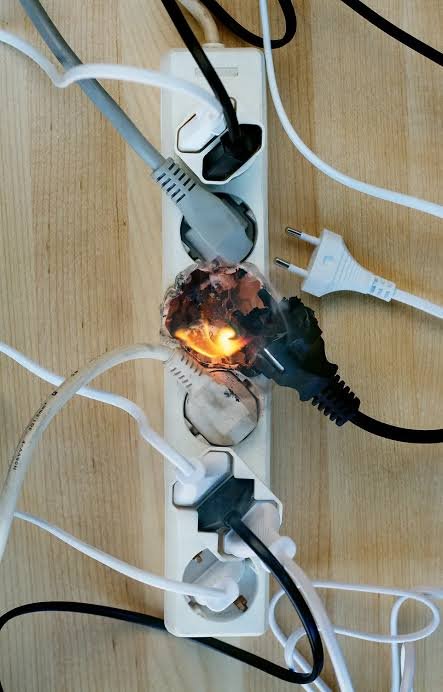
Electricity is essential in modern homes, offices, shops, factories, hospitals, and commercial buildings. It powers lights, fans, air conditioners, computers, kitchen appliances, and industrial equipment. However, when electrical systems are poorly installed, overloaded, damaged, or improperly maintained, they can become a serious fire hazard.
Electrical fires may start without an obvious warning. A damaged wire hidden inside a wall, an overloaded extension board, or a faulty electrical appliance can generate enough heat to ignite nearby materials. In some situations, the fire may spread before anyone notices the problem.
Understanding how electrical fire safety works helps people reduce these risks and respond more effectively when an emergency occurs. In Pakistan, where buildings may use a combination of modern electrical equipment and older wiring systems, regular inspections and responsible electricity use are particularly important.
A complete safety approach combines fire prevention, suitable electrical protection, smoke detection, alarms, evacuation planning, and professional maintenance. A properly selected Fire alarm system in Pakistan can support this approach by alerting occupants when a fire is detected, giving them an opportunity to leave the building promptly.
What Is Electrical Fire Safety?
Electrical fire safety refers to the measures used to prevent fires caused by electricity and to reduce the danger if a fire occurs.
These measures include safe wiring, correctly rated circuit protection, appropriate electrical equipment, regular inspections, fire detection devices, and emergency procedures.
Electrical fire safety has two main objectives:
- Prevention: Reduce the likelihood of electrical faults, overheating, sparks, and ignition.
- Protection: Detect a developing fire, warn occupants, and support a safe evacuation.
Neither objective works effectively on its own. Even a well-maintained electrical installation benefits from smoke detection and an emergency plan. Similarly, an alarm system cannot compensate for unsafe wiring or eliminate the underlying cause of a fire.
The best results come from combining preventive maintenance with suitable fire protection systems.
Common Causes of Electrical Fires
Understanding common causes helps households and businesses recognize potential hazards before they become emergencies.
1. Overloaded Electrical Outlets
Connecting too many appliances to one outlet or extension board can cause excessive electrical current and overheating. High-power appliances, including heaters and air conditioners, may place significant demands on electrical circuits.
Overloaded connections can damage plugs, sockets, cables, and other components. If surrounding materials become hot enough, ignition may occur.
Use electrical outlets and power strips within their rated capacity. High-power equipment should have an appropriate supply designed by a qualified electrician.
2. Damaged or Ageing Wiring
Electrical cables can deteriorate because of age, heat, moisture, physical damage, or poor installation. Damaged insulation may expose conductors and increase the risk of short circuits, arcing, and overheating.
Older buildings may also have electrical installations that are unsuitable for their current power demands.
Warning signs include repeated breaker trips, buzzing sounds, discoloured sockets, burning smells, or unusually warm electrical fittings. These signs require prompt attention from a qualified electrician.
3. Faulty Electrical Appliances
Defective appliances can develop internal electrical faults. Damaged power cords, loose connections, blocked ventilation, and neglected maintenance may increase the risk.
Inspect appliance cables and plugs regularly. Stop using equipment that shows visible damage or unusual heat, and arrange professional repair or replacement.
4. Short Circuits and Electrical Arcing
A short circuit occurs when electrical current takes an unintended path with low resistance. This can produce a sudden surge of current and intense heat.
Electrical arcing occurs when current jumps across a gap between conductors or through a damaged connection. Arcing may create high temperatures and ignite nearby combustible materials.
Correct wiring, sound connections, and properly selected protective devices help reduce these risks.
5. Poor Installation and Maintenance
Incorrect wire sizes, unsuitable circuit breakers, loose terminals, improper earthing, and substandard components can create dangerous conditions.
Electrical installations should be designed and maintained according to applicable codes and standards. Repairs should be completed by qualified professionals rather than through improvised fixes.
How Electrical Fire Safety Systems Work
Electrical fire safety is a combination of technologies and procedures. Each component addresses a different part of the risk.
1. Circuit Breakers and Protective Devices
Circuit breakers are designed to interrupt electrical current when certain fault conditions occur, such as an overload or short circuit. Correctly selected protective devices help prevent wiring from carrying excessive current for too long.
Residual-current protection can also help reduce the risk of electric shock from certain leakage faults. However, its function is different from that of ordinary overcurrent protection, and it does not prevent every type of electrical fire.
Protection must be appropriate for the circuit, wiring, equipment, and intended use. A breaker that repeatedly trips should never be bypassed or replaced with a higher-rated unit without a proper assessment.
2. Smoke Detectors and Heat Detectors
Smoke detectors identify smoke particles in the surrounding air, while heat detectors respond to specified temperature conditions or a rise in temperature.
When the relevant threshold or detection criteria are met, a detector sends a signal to an alarm device or fire alarm control panel.
The correct detector depends on the environment. Smoke detection may be suitable for many occupied spaces, while heat detection may be more appropriate in certain areas where dust, cooking fumes, or other conditions could cause unwanted alarms.
Detector placement and selection should follow the building’s design and applicable fire safety requirements.
3. Fire Alarm Control Panels
A fire alarm control panel receives signals from connected detectors and manual call points. Depending on the system design, it identifies the affected zone or individual device and activates notification appliances.
These appliances may include audible sounders, visual warning devices, or voice evacuation systems.
A properly designed Fire alarm system in Pakistan can help occupants recognize a fire emergency in homes, offices, shopping centres, factories, and other buildings where such systems are appropriate or required.
An alarm does not necessarily identify the exact cause of a fire. Its primary purpose is to warn people and initiate the planned emergency response.
4. Emergency Power and System Monitoring
Some fire alarm systems use backup batteries or other approved emergency power arrangements so that essential functions can continue when normal electricity fails.
The system may also monitor faults such as a power supply problem, disconnected device, or wiring issue. Depending on the equipment, a fault warning can alert building management that maintenance is required.
Backup power and monitoring features must be tested and maintained according to the manufacturer’s instructions and applicable requirements.
Practical Ways to Prevent Electrical Fires
Electrical fire prevention starts with everyday habits and a reliable maintenance programme.
Avoid Overloading Outlets
Distribute electrical loads across appropriately designed circuits. Do not connect multiple high-power appliances to one extension board, and use power strips only within their rated capacity.
Major appliances should generally be connected directly to suitable wall outlets rather than through extension cords, where the appliance manufacturer’s instructions and electrical design require this.
Inspect Cables, Plugs, and Sockets
Look for cracked insulation, exposed wires, loose plugs, scorch marks, and damaged sockets. Replace damaged equipment promptly.
Never place cables under carpets, trap them beneath furniture, or run them through locations where they may be crushed or cut.
Keep Electrical Equipment Away From Combustible Materials
Paper, cloth, cardboard, curtains, and other combustible items should be kept away from hot electrical equipment and lighting fixtures.
Ensure appliances have adequate ventilation. Avoid covering equipment in ways that trap heat, and follow the manufacturer’s operating instructions.
Arrange Regular Electrical Inspections
Homes, offices, and commercial buildings should have electrical installations inspected when appropriate, especially after renovations, repeated circuit problems, water damage, or changes in power demand.
Businesses with heavy machinery or large electrical loads may need more structured inspection and maintenance schedules.
Use Suitable Equipment
Choose electrical products that are appropriate for the intended environment and load. Equipment used in damp, dusty, or industrial locations may require specific protection.
Avoid makeshift wiring, unsuitable adapters, and unqualified installation work. Proper earthing and correctly rated protective devices are important parts of a safe installation.
Treat Warning Signs Seriously
Burning smells, unusual buzzing, flickering lights associated with other electrical symptoms, repeated breaker trips, and hot sockets should not be ignored.
If an electrical fault is suspected, stop using the affected equipment and seek professional assistance. If smoke or fire is present, prioritize evacuation and emergency services rather than attempting repairs.
Why Fire Alarm Systems Matter in Pakistan
Electrical hazards can affect residential buildings, offices, schools, hospitals, warehouses, factories, and retail premises. The consequences may be more serious where many people occupy a building, escape routes are limited, or combustible materials are stored nearby.
A suitable fire alarm system helps address one of the most important challenges in a fire: ensuring people are warned quickly enough to take action.
In Pakistan, the Building Code of Pakistan (Fire Safety Provisions) 2016 provides a national reference for fire safety in buildings. The specific requirements applicable to a property depend on factors such as its use, design, occupancy, and the relevant authority’s rules. Punjab Civil Defence also identifies fire detection and alarm systems among the safety measures inspected in relevant industrial, commercial, and high-rise premises.
Building owners and managers should confirm their obligations with the relevant building control authority or fire safety officials instead of assuming that one system design suits every property.
When choosing a fire alarm system, consider:
- The building’s size, layout, and occupancy.
- The types of fire risks present.
- Appropriate smoke or heat detection.
- Audible and visual warning coverage.
- Backup power and fault monitoring.
- Compatibility with other fire protection systems.
- Professional installation, testing, and maintenance.
Selecting a system based on the building’s actual risks is more effective than choosing equipment solely by price.
Electrical Fire Safety for Homes
Households can reduce electrical fire risks by following a few consistent habits.
First, check the visible condition of plugs, cables, sockets, and appliances. Do not use equipment with damaged cords or signs of overheating.
Second, avoid leaving unsuitable electrical equipment running unattended. Follow manufacturer instructions for charging devices and operating heaters, cooking appliances, and other high-power equipment.
Third, make sure smoke alarms are installed in appropriate locations and maintained according to the manufacturer’s guidance. Test them as recommended, replace batteries where applicable, and replace devices at the end of their service life.
Families should also prepare an escape plan. Everyone should know the available exits and an agreed outdoor meeting point.
If an electrical fire occurs, do not touch exposed wires or attempt to handle energized equipment. Do not throw water onto an electrical fire. Leave the area, warn others if safe to do so, and contact the local fire and emergency service.
Electrical Fire Safety in Offices and Commercial Buildings
Commercial buildings may contain computers, printers, air-conditioning equipment, lighting systems, kitchen appliances, machinery, and extensive electrical distribution networks.
Managers should arrange professional inspections, ensure electrical panels remain accessible, and prevent the storage of combustible materials around electrical equipment.
Employees should know how to report electrical faults and understand the building’s evacuation procedures. Fire exits and escape routes must remain clear.
Where a fire alarm system is installed, staff should know what its warning signals mean and how to respond. Alarm tests and maintenance should be planned so that faults are identified and corrected.
Businesses should also review electrical safety after adding equipment, changing the layout, or increasing the power demand of a workspace.
What to Do During an Electrical Fire
Safety comes before property protection. If you notice smoke, flames, or a strong burning smell suggesting an active electrical fire, follow the building’s emergency procedures.
- Warn others and evacuate. Leave promptly using a safe exit. Avoid lifts during a fire emergency unless an approved evacuation arrangement specifically directs otherwise.
- Call emergency services. Report the location and nature of the incident.
- Do not use water on energized electrical equipment. Water can conduct electricity and create an electrocution hazard.
- Do not touch electrical panels or damaged cables. Only qualified personnel should isolate electrical supplies when it is safe and appropriate to do so.
- Use firefighting equipment only when trained and safe to do so. A small fire may still be dangerous. Keep a clear escape route and never delay evacuation.
- Do not re-enter the building. Wait for emergency responders to confirm that it is safe.
If smoke is spreading or the exit is threatened, leave immediately by another safe route if available. Do not put yourself at risk to retrieve belongings or investigate the source.
Maintenance: The Key to Long-Term Safety
Installing safety equipment is only the first step. Electrical installations and fire protection systems need ongoing attention.
A maintenance programme should include professional checks of wiring, electrical distribution equipment, protective devices, and connections at appropriate intervals. Fire alarm detectors, control panels, notification devices, and backup power should also be inspected and tested according to manufacturer guidance and applicable standards.
Building managers should maintain records of inspections, reported faults, repairs, and alarm tests. Any fault that affects the operation of a safety system should be addressed promptly, with suitable temporary precautions taken where necessary.
A periodic review is especially important after renovations, changes in building occupancy, or installation of major electrical equipment.
Conclusion
Electrical fire safety works by reducing the likelihood of electrical faults, interrupting dangerous electrical conditions, detecting signs of fire, and warning people so they can evacuate safely.
Preventive measures include sound wiring, suitable circuit protection, responsible appliance use, regular inspections, and prompt repairs. Smoke and heat detectors, fire alarm control panels, and well-practised evacuation plans provide additional layers of protection.
For homes and businesses across Pakistan, a properly selected fire alarm system can form an important part of a wider fire safety plan. However, alarms cannot replace safe electrical installation, preventive maintenance, or emergency preparedness.
By recognizing warning signs, using electrical equipment responsibly, and following applicable safety requirements, property owners and occupants can help protect lives and reduce the risk of electrical fire damage.
Frequently Asked Questions (FAQs)
1. What is electrical fire safety?
Electrical fire safety includes practices and protective systems that help prevent fires caused by faulty wiring, overloaded circuits, damaged appliances, and other electrical problems. It also includes fire detection, alarms, maintenance, and evacuation planning.
2. What are the most common causes of electrical fires?
Common causes include overloaded outlets, damaged wiring, faulty appliances, loose electrical connections, short circuits, and poorly maintained installations. Professional inspections can help identify hazards before they lead to a fire.
3. How does a fire alarm system help prevent electrical fire injuries?
A fire alarm system detects signs of fire through connected devices and warns occupants using sounders, visual alerts, or voice messages, depending on the design. It does not usually prevent the electrical fault itself, but it can provide an early warning that supports evacuation.
4. Is a fire alarm system necessary for every building in Pakistan?
Requirements vary according to the building’s use, size, occupancy, applicable building codes, and local authority rules. Owners should consult the relevant authority or a qualified fire safety professional to determine which detection and alarm measures are required.
5. What should I do if an electrical fire starts?
Evacuate, warn others, and contact emergency services. Never throw water onto energized electrical equipment or touch damaged wires. Use a suitable extinguisher only if you are trained, the fire is small, and you can do so without compromising your escape.