
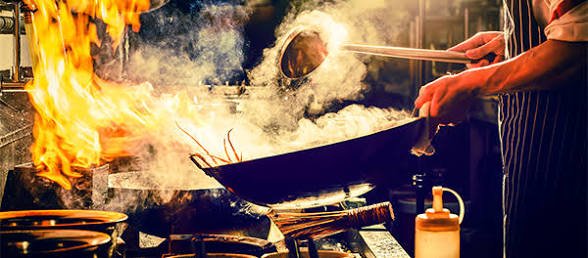
Restaurants bring people together over food, but behind every successful dining experience is a workplace that must be managed safely. Commercial kitchens use cooking equipment, electrical appliances, gas systems, oils, and other materials that can create fire hazards if they are not handled or maintained properly. Dining areas may also contain furniture, decorations, and other combustible materials that can contribute to the spread of a fire.
For restaurant owners in Pakistan, fire safety is an important part of responsible business management. It helps protect customers, employees, property, and daily operations. Measures such as fire detection systems, suitable extinguishers, emergency exits, kitchen maintenance, and staff training can reduce risks and improve emergency preparedness.
However, fire safety also involves expenses, maintenance responsibilities, staff training, and regular inspections. Understanding the advantages and limitations of these measures helps restaurant owners make informed decisions instead of treating fire protection as a one-time purchase.
This article explores the pros and cons of restaurant fire safety, explains the importance of a Fire alarm system in Pakistan, and outlines practical ways to create a safer restaurant environment.
Why Is Fire Safety Important in Restaurants?
Restaurant fire safety involves identifying potential hazards, reducing the likelihood of a fire, detecting incidents early, and helping people evacuate safely if an emergency occurs.
Cooking equipment is one important source of risk. Unattended cooking, overheated oil, grease accumulation, and poorly maintained appliances can contribute to fires. Electrical faults, unsafe storage of combustible materials, and unsuitable waste-handling practices can create additional hazards.
Restaurants also have a responsibility to customers who may be unfamiliar with the building. Visitors might not know where the exits are or how to respond when an alarm sounds. Employees therefore need clear procedures that help them raise the alarm, guide customers, and evacuate without unnecessary delay.
In Pakistan, the appropriate fire protection arrangements depend on factors such as the building’s size, layout, occupancy, location, and applicable regulations. Restaurant owners should assess their premises and consult the relevant local authority or qualified fire safety professional.
Pros of Restaurant Fire Safety
1. Better Protection for Customers and Employees
The most important benefit of fire safety is protecting human life. Restaurants can become crowded during lunch, dinner, weekends, and special occasions. If a fire occurs during a busy service, people may have limited time to understand the situation and leave safely.
A well-planned fire safety system helps people recognise an emergency and respond promptly. Detection devices and alarms can provide warnings, while clearly marked exits and trained employees support evacuation.
Staff training is particularly valuable because employees are often the first people to recognise an unusual smell, smoke, or equipment problem. They should know how to raise the alarm, notify the appropriate emergency services, and follow the restaurant’s evacuation plan.
These measures cannot eliminate every risk, but they can improve preparedness and reduce the likelihood of confusion during an emergency.
2. Early Detection Through Fire Alarm Systems
Early warning is a major advantage of a suitable fire detection and alarm arrangement. Depending on the building’s design, a system may include smoke or heat detectors, manual call points, audible alarms, visual warning devices, and a control panel.
A properly designed Fire alarm system in Pakistan can help alert restaurant staff and customers when a fire is detected. The correct arrangement depends on the premises, kitchen conditions, and applicable building requirements.
For example, a restaurant with separate kitchen and dining areas may need a carefully planned detection layout so that an incident can be identified and occupants throughout the relevant areas receive an effective warning.
Installation alone is not enough. Alarms must be tested, maintained, and kept operational according to the manufacturer’s instructions and applicable requirements.
A fire alarm does not extinguish flames or guarantee a safe evacuation. It is one component of a broader fire protection plan that should also include suitable firefighting equipment, safe exits, and staff training.
3. Reduced Risk of Extensive Property Damage
A restaurant fire can damage kitchen equipment, refrigerators, electrical installations, furniture, stock, and the building itself. Smoke and firefighting activities can cause additional disruption even when the flames are contained.
Fire prevention and early warning may help reduce the extent of damage by supporting a faster response. Suitable extinguishers and professionally designed kitchen fire suppression systems can also provide protection appropriate to the hazards present.
Routine inspections help identify problems such as damaged electrical equipment, excessive grease buildup, or defective safety devices before they contribute to an emergency.
Although fire safety equipment requires investment, preventing or limiting a serious incident may help a business avoid substantial repair and replacement costs.
4. Improved Business Continuity
A restaurant depends on its premises, equipment, staff, suppliers, and customer relationships. A serious fire can interrupt all these activities.
Even a relatively limited incident may require cleaning, repairs, equipment replacement, inspections, or temporary closure. The business may also lose stock and scheduled bookings.
A fire safety plan helps management prepare for emergencies and understand how to communicate with employees, customers, suppliers, insurers, and relevant authorities.
Fire protection does not guarantee uninterrupted business operations, but it can contribute to better preparedness and potentially reduce the impact of an incident.
5. Better Compliance With Applicable Requirements
Restaurant owners may need to comply with building regulations, fire safety provisions, inspection requirements, and other rules applicable to their premises.
The Pakistan Engineering Council’s Building Code of Pakistan — Fire Safety Provisions 2016 is an important national reference. Provincial and local authorities may also have responsibilities for inspection and enforcement.
Punjab Civil Defence identifies measures such as fire detection and alarm systems, firefighting arrangements, fire safety plans, and emergency exits among the measures assessed for covered premises.
Owners should confirm which requirements apply to their specific restaurant rather than assuming every building has identical obligations.
Maintaining suitable equipment and documentation can support inspections and help demonstrate that fire safety is being managed responsibly.
6. Greater Customer Confidence
Customers expect restaurants to provide a reasonably safe environment. Clean surroundings, accessible exits, maintained equipment, and staff who understand emergency procedures can contribute to that confidence.
Fire safety should not be treated merely as a marketing feature. Its main purpose is protecting people. Nevertheless, responsible safety management can strengthen a restaurant’s reputation and demonstrate that management takes its duties seriously.
Employees may also feel more confident working in a premises where hazards are addressed, training is provided, and emergency procedures are clearly communicated.
Cons of Restaurant Fire Safety
Fire safety has significant benefits, but implementing and maintaining an effective programme can create practical challenges. Understanding these limitations helps businesses plan realistically.
1. Initial Installation Costs
One of the main challenges is the upfront expense. Depending on the building and its risk profile, a restaurant may need detection and alarm equipment, extinguishers, emergency lighting, signs, kitchen suppression equipment, and improvements to escape routes.
The total cost depends on the size and layout of the premises, the type of equipment selected, installation requirements, and any necessary building modifications.
Smaller restaurants and newly established businesses may find these expenses difficult to manage alongside rent, staff salaries, ingredients, and other operating costs.
However, choosing equipment based only on the lowest purchase price can create problems if it is unsuitable or unreliable. A better approach is to assess the risks, identify applicable requirements, and prioritise a properly designed solution.
2. Ongoing Maintenance Expenses
Fire protection equipment needs regular attention. Alarm systems require testing and servicing, extinguishers need inspection, and kitchen ventilation systems must be maintained to help control grease accumulation.
Depending on the installation, the business may also need replacement batteries, repairs, professional inspections, or specialist servicing.
These activities create recurring expenses and require management to keep records and arrange work without disrupting restaurant operations more than necessary.
Maintenance should not be postponed simply to reduce short-term costs. Equipment that is defective or unavailable during an emergency may not provide the intended protection.
3. Temporary Disruption to Daily Operations
Installation work, inspections, testing, and maintenance can interrupt normal restaurant activities. Contractors may need access to the kitchen, dining room, electrical installations, or other areas.
Alarm testing can also inconvenience customers if it is not communicated or scheduled appropriately. Staff may need time away from their regular duties to attend training sessions and emergency drills.
Restaurants can reduce avoidable disruption by coordinating maintenance with qualified service providers, informing employees in advance, and scheduling non-emergency work at suitable times.
Safety-related work should not be delayed when an immediate hazard or required repair needs attention.
4. Staff Training Takes Time
Equipment is useful only when the people responsible for the premises understand their roles. Employees need to know how to raise the alarm, recognise evacuation signals, identify exit routes, and follow the restaurant’s emergency plan.
Training requires time and organisation, especially when staff work different shifts or the business experiences frequent employee turnover.
New employees may need an introduction to emergency procedures, while existing employees need periodic refreshers.
Management should make sure that staff understand evacuation responsibilities and do not put themselves or customers at risk by attempting to tackle a fire beyond their training or the equipment’s intended use.
5. False Alarms and Operational Challenges
Poorly selected, incorrectly installed, or inadequately maintained detection equipment may generate unwanted alarms. Kitchen conditions such as steam, heat, and airborne cooking particles can affect detector selection and placement.
Repeated false alarms can interrupt service and cause people to become less responsive to warnings. That is why system design should account for the actual environment rather than using the same arrangement in every part of the building.
Qualified professionals can help select suitable detection technologies, locate devices appropriately, and establish a testing and maintenance programme.
Restaurant staff should never ignore an alarm merely because previous alarms were false. Every alarm must be treated according to the emergency procedure until the situation is assessed by an authorised person.
6. Limited Space in Smaller Restaurants
Some restaurants operate in narrow buildings or rented premises where space is limited. Kitchen equipment, storage shelves, furniture, and customer seating may make it difficult to maintain clear routes and place safety equipment appropriately.
Fire safety improvements may require changes to the layout or the removal of obstructions. These changes can affect seating arrangements and how staff move through the workplace.
Nevertheless, exits and escape routes must not be compromised to create additional seating or storage. Restaurant management should seek professional advice where the existing layout creates difficulties meeting applicable safety requirements.
How Can Restaurants Balance the Pros and Cons?
The most effective approach is to view fire safety as a planned business responsibility rather than an expense to be minimised without considering risk.
Conduct a Fire Risk Assessment
Start by reviewing the kitchen, dining areas, electrical installations, storage spaces, utility areas, and escape routes. Identify potential ignition sources, combustible materials, and conditions that could delay evacuation.
A qualified fire safety professional can help determine which risks need immediate attention and which protective measures are appropriate.
Select Suitable Fire Protection Equipment
Choose detection, alarm, extinguishing, and suppression equipment according to the hazards and layout of the premises.
Cooking areas may require specialised protection for commercial cooking appliances. A general-purpose extinguisher should not be assumed to be suitable for every kitchen fire.
Make sure the selected products meet applicable requirements and are installed by qualified professionals where necessary.
Keep Exits and Escape Routes Clear
Customers and employees need a reliable way to leave the building during an emergency. Doors, corridors, stairways, and exit access routes should not be blocked by furniture, stock, delivery boxes, or waste.
Exit signs and emergency lighting should be provided where required and maintained in working condition.
Maintain Kitchen Equipment and Ventilation
Routine cleaning helps prevent grease from accumulating in hoods, filters, and extraction ductwork. Cooking appliances, electrical equipment, and gas installations should be maintained according to their manufacturers’ instructions and applicable safety requirements.
Management should address defects promptly and ensure that employees know how to report hazards.
Establish a Clear Emergency Plan
The plan should explain how staff raise the alarm, contact emergency services, guide customers towards exits, and account for employees at a designated safe location.
Staff should understand that evacuation takes priority over protecting stock, collecting belongings, or attempting to fight a spreading fire.
Conduct appropriate drills and review the plan whenever the restaurant layout, equipment, or staffing arrangements change.
Restaurant Fire Safety in Pakistan
In Pakistan, restaurant fire safety responsibilities can vary by province, city, building type, and occupancy. Restaurant owners should consult the relevant building control authority, Civil Defence office, or other competent local authority to understand the requirements that apply to their premises.
The Building Code of Pakistan — Fire Safety Provisions 2016 provides an important framework for fire protection. The Punjab Civil Defence guidance on fire safety inspections lists detection and alarm systems, firefighting arrangements, emergency exits, and evacuation planning among relevant safety measures.
The Punjab Civil Defence inspection guidance and the Pakistan Engineering Council’s Building Code of Pakistan — Fire Safety Provisions 2016 are useful starting points for understanding the wider framework.
Requirements should be verified with the authority responsible for the particular premises. Restaurant owners should not rely solely on general online advice when determining legal compliance.
Conclusion
Restaurant fire safety offers important advantages, including better protection for customers and employees, earlier warning, reduced potential property damage, improved business preparedness, and support for regulatory compliance. At the same time, businesses must account for installation costs, ongoing maintenance, staff training, and possible operational disruption.
These challenges are easier to manage when fire protection is planned according to the restaurant’s actual risks. Suitable alarms, appropriate firefighting equipment, maintained kitchen ventilation, clear exits, and trained employees should work together as part of a comprehensive safety programme.
For restaurants in Pakistan, a properly selected and maintained Fire alarm system in Pakistan can form an important part of this approach where required. It should always be supported by evacuation planning, professional maintenance, and compliance with applicable local requirements.
Ultimately, the goal is not simply to install equipment. It is to create a restaurant where prevention, preparedness, and the protection of human life are part of everyday operations.
Frequently Asked Questions (FAQs)
1. Why is fire safety important in restaurants?
Fire safety helps protect customers, employees, property, and business operations. Restaurants use cooking equipment, electricity, and combustible materials, so prevention, early warning, suitable equipment, and evacuation planning are important.
2. What are the main advantages of restaurant fire safety?
The main advantages include improved life safety, early fire detection, potentially reduced property damage, better emergency preparedness, support for applicable regulations, and greater confidence among employees and customers.
3. What are the disadvantages of restaurant fire safety measures?
Common challenges include initial installation costs, regular maintenance expenses, staff training requirements, possible disruption during inspections, and the need to manage unwanted alarms. These challenges can be reduced through proper planning and professional support.
4. Is a fire alarm system necessary for restaurants in Pakistan?
Requirements depend on the applicable building code, the premises’ characteristics, and the relevant local authority. Restaurant owners should confirm the requirements for their specific building and ensure that any required alarm system is professionally designed, installed, tested, and maintained.
5. How can restaurant owners improve kitchen fire safety?
Owners can reduce risks by maintaining cooking appliances and ventilation systems, controlling grease buildup, keeping combustible materials away from heat sources, providing suitable firefighting equipment, training staff, maintaining clear exits, and following a documented emergency plan.