
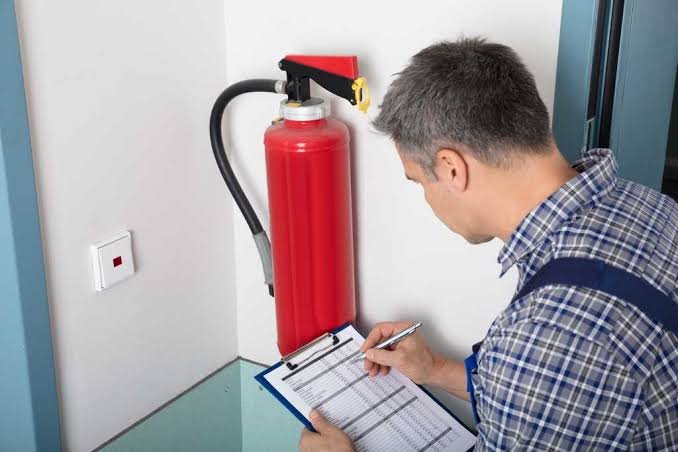
Fire prevention is one of the most important investments a household or business can make. A fire can damage buildings, destroy valuable equipment, interrupt business operations, and put human lives at risk. Although emergencies cannot always be predicted, many fire incidents can be prevented through better planning, regular maintenance, and responsible daily habits.
In Pakistan, fire safety is important in homes, offices, schools, factories, warehouses, shopping centres, restaurants, and apartment buildings. Electrical faults, unsafe cooking practices, poorly maintained equipment, and improper storage of combustible materials can all contribute to fire hazards. Recognising these risks early helps people take practical steps to reduce them.
Fire prevention is not limited to buying equipment. It also involves understanding hazards, keeping escape routes clear, training occupants, and checking that safety systems remain operational. A suitable Fire alarm system in Pakistan can provide an early warning when a potential fire is detected, allowing occupants to respond according to their emergency plan.
This guide explains why fire prevention is a valuable investment, how to identify common hazards, and which measures households and businesses can adopt to improve safety.
1. Understand Why Fire Prevention Matters
Fire prevention focuses on reducing the likelihood of a fire starting and limiting the consequences if one occurs. It combines safe behaviour, appropriate equipment, maintenance, training, and emergency planning.
The cost of prevention is often easier to manage than the financial and operational consequences of a serious fire. A business may lose stock, machinery, documents, and working hours. A family may face expensive repairs and the loss of important possessions. More importantly, a fire can threaten lives and cause lasting disruption.
Prevention also helps organisations protect employees, customers, visitors, and contractors. For property managers, a clear safety programme can support maintenance planning and help identify problems before they become emergencies.
What does fire prevention include?
An effective programme generally includes:
- Identifying potential sources of ignition and combustible materials.
- Maintaining electrical installations and equipment.
- Installing suitable fire detection and warning systems.
- Providing appropriate firefighting equipment where required.
- Keeping emergency exits and escape routes accessible.
- Training occupants and conducting suitable evacuation drills.
- Recording inspections and correcting identified problems.
These measures work together. Equipment alone cannot compensate for unsafe practices or blocked exits, just as training cannot replace a properly maintained alarm system.
2. Identify Common Fire Hazards Before They Cause Problems
The first step in preventing fires is understanding where hazards may exist. Different buildings have different risks, so a useful inspection should consider the activities performed in each area.
In homes, common hazards may include cooking equipment, overloaded electrical sockets, damaged cables, heating appliances, and unattended candles. In workplaces, additional risks may involve machinery, chemicals, hot work, storage areas, and electrical distribution equipment.
Electrical hazards
Faulty wiring, damaged plugs, loose connections, and overloaded circuits can increase the risk of fire. Warning signs may include unusual heat, burning smells, visible damage, or repeated circuit-breaker trips.
Do not ignore these signs or attempt repairs if you are not qualified. Stop using affected equipment when safe and arrange an inspection by a qualified electrician.
Cooking and heating hazards
Cooking appliances should be used according to their instructions and kept clear of materials that can catch fire. Never leave active cooking unattended. Heating appliances should be maintained and positioned in accordance with manufacturer guidance.
Storage hazards
Combustible materials should be stored safely and kept away from ignition sources. Corridors, electrical rooms, stairways, and exits must not be used as convenient storage spaces.
A regular review of these areas helps residents and managers identify problems before they develop into serious incidents.
3. Make Electrical Safety a Daily Priority
Electrical safety deserves particular attention because electrical equipment is used throughout homes and commercial premises. Refrigerators, computers, air conditioners, pumps, machinery, and backup power systems all require suitable installations and maintenance.
In Pakistan, the use of generators and backup power arrangements in some properties makes it especially important to ensure that electrical systems are installed and maintained correctly.
Practical electrical fire prevention tips
Avoid overloaded sockets. Connecting too many high-power appliances to one outlet can create an unsafe electrical load.
Replace damaged cables. Frayed insulation, broken plugs, and loose connections should not be ignored.
Use qualified electricians. Electrical installations, repairs, and modifications should be handled by appropriately qualified professionals.
Maintain generators safely. Follow the manufacturer’s instructions for installation, operation, ventilation, and maintenance. Fuel should be handled and stored according to applicable safety requirements.
Investigate repeated faults. Circuit breakers that repeatedly trip may indicate a problem requiring professional attention. Do not bypass protective devices.
Switch off equipment appropriately. Follow operating instructions for appliances and equipment that do not need to remain powered.
Electrical safety is not a one-time task. Periodic inspection and responsible daily use are essential parts of a fire prevention programme.
4. Install and Maintain Suitable Fire Detection Systems
Early warning is an important part of fire protection. Smoke detectors, heat detectors, manual alarm points, and fire alarm control equipment can help notify occupants when a potential fire is detected.
The appropriate arrangement depends on the size and use of the building, its layout, occupancy, fire risks, and applicable requirements. A small home may need suitable residential smoke alarms, while a commercial building may require a professionally designed fire detection and alarm system.
What should you consider?
When evaluating a Fire alarm system in Pakistan, consider the following:
- Building suitability: The system should match the building’s size, layout, use, and risk profile.
- Detector placement: Devices should be located according to the design, relevant standards, and manufacturer’s guidance.
- Alarm audibility: Occupants in relevant areas should be able to receive the warning.
- Power supply: Backup power should be provided where required by the system design or applicable rules.
- Installation quality: Qualified professionals should install and commission the system.
- Testing and maintenance: The system should be inspected and serviced according to its documentation and applicable requirements.
Fire alarms do not extinguish fires or guarantee that a building is safe. Their purpose is to provide warning so people can follow the appropriate emergency procedure.
In Punjab, Civil Defence lists fire detection and alarm systems among the fire safety measures considered during inspections of relevant premises. Other applicable requirements may depend on the building’s location and type.
5. Choose the Right Firefighting Equipment
Fire extinguishers and other firefighting equipment can form an important part of a building’s fire protection arrangements. However, equipment must be suitable for the hazards present, accessible, maintained, and used only when appropriate.
Different types of fires require different extinguishing methods. Water, for example, must not be used on energised electrical equipment and can spread burning cooking oil.
What should be checked before purchasing?
First, identify the likely fire risks in the area. A residential kitchen, electrical room, workshop, and warehouse may require different protective arrangements.
Next, review the equipment’s intended use, instructions, certification or conformity documentation where applicable, maintenance requirements, and servicing support.
Extinguishers should be positioned where they can be reached safely without blocking exits. Their labels and operating instructions should remain readable, and inspection records should be maintained.
Never choose equipment based on price alone. The cheapest option may not be suitable, while a more expensive product is not automatically the right solution. A qualified fire safety professional can help determine what is appropriate.
If a fire has spread, smoke is present, or escape is uncertain, evacuate and contact emergency services instead of attempting to fight the fire.
6. Keep Emergency Exits and Escape Routes Clear
A safe escape route is essential in any building. During a fire, smoke, reduced visibility, and confusion can make it difficult for occupants to find their way out. Obstructed corridors or locked emergency exits can create further problems.
Families and businesses should ensure that doors, corridors, stairways, and designated exits remain accessible.
Simple measures that make a difference
- Keep stairways and corridors free of boxes, furniture, rubbish, and other obstacles.
- Ensure emergency exit signs are visible.
- Maintain emergency lighting where required.
- Avoid wedging fire doors open.
- Report damaged doors and blocked routes promptly.
- Make sure residents and employees know the designated escape routes.
Building managers should include these areas in routine inspections. Employees should also understand that an exit route is not an appropriate place to store equipment or stock.
Escape arrangements should be based on the building’s approved fire safety plan and applicable requirements. Occupants should not improvise routes during an emergency or use ordinary passenger lifts unless emergency responders or an approved procedure specifically directs otherwise.
7. Practise Safe Storage and Good Housekeeping
Poor housekeeping can increase fire risk by allowing combustible materials to accumulate near ignition sources. Clutter may also obstruct firefighting equipment and emergency exits.
In workplaces, packaging, paper, cardboard, cleaning products, and other materials should be stored in suitable areas. Flammable substances require particular care and must be handled and stored according to their labels, safety documentation, and applicable requirements.
At home, keep cooking areas tidy, remove unnecessary combustible clutter, and store household products safely. Do not allow rubbish to build up near electrical equipment or heating appliances.
Businesses should establish clear responsibilities for storage and housekeeping. Staff should know which materials can be stored in each area and how to report unsafe conditions.
Good housekeeping is a low-cost prevention measure that supports many other aspects of fire safety.
8. Train Employees and Family Members
People are more likely to respond appropriately to an emergency when they understand the procedures in advance. Training should explain how to raise an alarm, where to go during evacuation, and how to contact emergency services.
For businesses, training should reflect the type of work performed and the risks present. Staff may need to understand emergency shutdown procedures, reporting responsibilities, and the location of exits and assembly points.
Families should also discuss basic fire safety. Children need to know how to respond when an alarm sounds, where to meet family members outside, and why they should never return to a burning building.
Why drills matter
Evacuation drills allow occupants to practise the building’s procedure and identify problems such as unclear instructions, obstructed routes, or confusion about responsibilities.
Drills should be appropriate for the building and its occupants. Managers should review their results and correct any problems identified.
People who may need assistance, including young children, older adults, and individuals with mobility or sensory needs, should be considered when preparing emergency arrangements.
9. Create a Written Fire Safety Plan
A written plan gives occupants and staff a clear reference for preventing fires and responding to emergencies. Its level of detail should match the building’s size, activities, occupancy, and applicable requirements.
A home plan may be relatively simple, while a factory, school, hospital, or commercial building may require a more detailed arrangement developed with qualified professionals.
A fire safety plan should address:
- Main fire hazards and prevention measures.
- Alarm activation and reporting procedures.
- Designated escape routes and exits.
- Assembly points and head-count arrangements.
- Responsibilities of staff or designated safety personnel.
- Procedures for supporting people who need assistance.
- Inspection and maintenance schedules.
- Emergency contacts and communication methods.
Keep the plan accessible to the people who need it. Review it when the building layout, occupancy, equipment, or operations change.
A plan is useful only when people understand it and the necessary actions are carried out.
10. Understand Fire Safety Responsibilities in Pakistan
Fire safety requirements may vary according to the building’s location, occupancy, design, and use. Homes, factories, offices, high-rise buildings, schools, and shopping centres may have different obligations.
The Building Code of Pakistan: Fire Safety Provisions 2016 is an important national reference for fire and life safety. Property owners and managers should confirm which requirements apply to their premises with the relevant authority and qualified professionals.
Punjab Civil Defence identifies several measures considered during fire safety inspections, including:
- Fire detection and alarm systems.
- Firefighting arrangements such as extinguishers, hydrants, and sprinklers.
- Fire safety plans.
- Emergency fire control arrangements.
- Emergency exits and evacuation plans.
- Ventilation and air-conditioning systems.
These measures illustrate why fire prevention should be treated as a complete programme rather than a single purchase. Requirements and enforcement arrangements should be checked locally instead of assuming that every building is subject to identical rules.
Keep records of inspections, equipment servicing, staff training, drills, and corrective actions. Documentation helps management track unresolved issues and maintain accountability.
11. Calculate the Long-Term Value of Prevention
Fire prevention should be considered an investment in safety, continuity, and responsible property management.
The cost of preventive measures can include equipment, professional installation, maintenance, inspections, and training. These expenses should be evaluated alongside the potential consequences of a fire, including repairs, lost stock, interrupted operations, damaged equipment, and disruption to families or employees.
A business can assess its priorities by identifying its most significant hazards and addressing the most important risks first. A home can begin with basic measures such as suitable smoke alarms, safe electrical practices, clear exits, and a family evacuation plan.
How to prioritise spending
- Identify hazards: Determine which activities and areas present the greatest fire risks.
- Review existing measures: Check whether alarms, exits, equipment, and procedures are suitable.
- Address urgent problems: Correct serious hazards and defects promptly.
- Plan maintenance: Budget for inspections, testing, servicing, and replacement where required.
- Train occupants: Make sure people know what to do if a fire occurs.
- Review regularly: Update the plan when conditions or risks change.
This approach helps property owners avoid purchasing equipment without understanding whether it addresses the actual risks.
12. A Practical Fire Prevention Checklist
Use the following checklist as a starting point for a home or workplace. It does not replace a professional risk assessment or any legally required inspection.
- [ ] Electrical installations and equipment are used safely.
- [ ] Cooking and heating equipment is maintained appropriately.
- [ ] Combustible materials are stored safely.
- [ ] Suitable smoke detection and fire alarm arrangements are provided.
- [ ] Alarm systems are tested and maintained as required.
- [ ] Appropriate firefighting equipment is available where needed.
- [ ] Extinguishers and other equipment are inspected and serviced.
- [ ] Emergency exits and escape routes remain clear.
- [ ] Exit signs and emergency lighting are maintained where required.
- [ ] Staff and family members understand emergency procedures.
- [ ] Evacuation arrangements account for people who need assistance.
- [ ] Inspection findings are recorded and corrected.
- [ ] A fire safety plan is available and reviewed periodically.
Assign responsibility for completing the checks and following up on outstanding issues. A checklist is effective only when it leads to practical improvements.
Conclusion
Fire prevention is an essential investment in protecting lives, property, and business operations. Many risks can be reduced through safe electrical practices, responsible storage, suitable detection systems, maintained firefighting equipment, clear escape routes, and regular training.
For homes and businesses in Pakistan, fire safety should begin with identifying hazards and understanding the requirements that apply to the building. Installing a suitable alarm is an important step, but it must be supported by maintenance, emergency planning, and responsible behaviour.
A proactive approach helps people identify problems earlier and prepare for emergencies more effectively. Whether managing a home, office, factory, or commercial property, investing in prevention is a practical way to build a safer environment.
For further information about fire protection equipment and safety planning, visit Flame Defender at https://flame-defender.com/.
Frequently Asked Questions (FAQs)
1. Why is fire prevention considered an essential safety investment?
Fire prevention helps reduce the likelihood of fires and limits their potential consequences. It can protect people, property, equipment, stock, and business operations. Measures such as safe electrical practices, alarms, maintenance, training, and clear exits support a more prepared environment.
2. What are the most important fire prevention measures for homes?
Important measures include using electrical equipment safely, supervising cooking, maintaining suitable smoke alarms, keeping combustible materials away from ignition sources, and ensuring that escape routes remain clear. Families should also prepare an emergency plan and practise how to respond to an alarm.
3. Why is a fire alarm system important in Pakistan?
A suitable fire alarm system can provide early warning of a potential fire and help occupants respond according to the emergency plan. The appropriate system depends on the building’s layout, occupancy, risks, and applicable requirements. Proper installation, testing, and maintenance are essential.
4. How often should fire safety equipment be inspected?
Inspection and servicing schedules depend on the equipment type, manufacturer instructions, system design, and applicable requirements. Alarms, extinguishers, emergency lighting, and other safety equipment should be checked at the required intervals, with defects corrected promptly.
5. How can businesses improve their fire prevention plans?
Businesses can start by identifying hazards, arranging suitable equipment, maintaining electrical installations, keeping exits clear, training employees, and conducting appropriate evacuation drills. They should document inspections and corrective actions and consult qualified professionals about applicable fire safety requirements.