
Renting a house, apartment, or portion of a building is common throughout Pakistan. Whether you live in a small flat, a shared house, or an apartment in a high-rise building, fire safety should be one of your first priorities. A safe rental property helps protect you, your family, your belongings, and the people living nearby.
Many renters assume that fire safety is entirely the landlord’s responsibility. Although property owners may be responsible for certain building systems, maintenance, and safety requirements, tenants also play an important role. Everyday habits, such as keeping electrical equipment in good condition, using cooking appliances carefully, and keeping exits clear, can help reduce fire risks.
Before moving into a rental property, it is worth checking the condition of electrical fittings, the availability of smoke detectors, the location of emergency exits, and the arrangements for reporting maintenance problems. These simple steps can help you identify concerns before they become serious.
In Pakistan, fire safety is especially important in densely populated residential areas, shared accommodation, and apartment buildings where multiple households may depend on the same stairways and escape routes.
This beginner-friendly guide explains how renters can assess their living space, identify common hazards, prepare for emergencies, and understand the role of a fire alarm system in Pakistan. The goal is to make fire safety easier to understand and put into practice.
1. Why Fire Safety Matters for Renters
A fire can start unexpectedly because of an electrical fault, unattended cooking, unsafe heating equipment, or another source of ignition. In a rented property, the consequences may affect not only one household but also neighboring residents.
Renters may have limited control over the building’s original construction or installed safety equipment. However, they can still take meaningful steps to recognize hazards and report problems.
Fire safety matters for several reasons.
Protecting lives: Early warning and clear escape routes help people respond promptly when a fire occurs.
Reducing property damage: Preventing common hazards can help protect personal belongings and the property itself.
Protecting neighbors: Smoke and fire can spread between rooms or apartments, particularly where protective features are damaged or poorly maintained.
Avoiding preventable problems: Identifying faulty wiring, blocked exits, or missing safety equipment early gives the responsible person an opportunity to arrange repairs.
Understanding responsibilities: A clear understanding of what the landlord maintains and what the tenant must do can make it easier to address safety concerns.
Fire safety should be discussed before signing a tenancy agreement whenever possible. If a serious concern appears after moving in, report it promptly and seek appropriate assistance.
2. Check Fire Safety Before Moving In
Before accepting a rental property, take time to look at its basic safety arrangements. You do not need to be a technical expert to notice many common problems.
Inspect electrical fittings
Look for visibly damaged sockets, broken switches, loose fittings, or exposed wiring. Check whether electrical outlets appear overloaded with multiple adapters.
Do not touch exposed wires or attempt repairs yourself. Ask the landlord or property manager to arrange an assessment by a qualified electrician.
Check cooking arrangements
If the property includes a kitchen, examine the general condition of the cooking area. Look for obvious damage around electrical appliances and make sure the space can be used without blocking the exit.
If gas appliances or LPG cylinders are provided, ask who is responsible for their maintenance and how problems should be reported. Gas equipment should be assessed and serviced by qualified professionals.
Look for smoke detectors
Ask whether smoke detectors are installed and whether their maintenance is included in the property’s safety arrangements.
A smoke detector can provide an early warning of a developing fire. However, simply seeing a detector on the ceiling does not confirm that it works correctly.
If a detector appears damaged or its status is uncertain, request that the responsible person arrange appropriate testing or replacement.
Identify emergency exits
Find the main exit and any designated alternative escape route. In apartment buildings, identify the nearest safe stairway and check that common corridors are not obstructed.
Do not assume that a lift is a safe escape route during a fire.
Ask about building safety
If you are renting an apartment, ask the property manager how the building handles fire alarms, emergency lighting, fire doors, and evacuation procedures.
A building with shared facilities requires cooperation between residents and management. Knowing who to contact can help resolve problems more quickly.
3. Understand the Main Fire Hazards in a Rental Home
Renters should understand the everyday conditions that can increase the likelihood of a fire.
Electrical hazards
Damaged cables, defective appliances, overloaded outlets, and unsuitable electrical connections can create fire risks. Old buildings may need particular attention if their electrical installations have not been maintained.
Avoid using visibly damaged equipment, and report electrical problems instead of attempting improvised repairs.
Cooking hazards
Cooking is a common source of residential fires. Leaving food unattended, placing combustible items near a hot appliance, or allowing grease to accumulate can increase risk.
Keep the cooking area orderly and follow the manufacturer’s instructions for appliances.
Heating equipment
Portable heaters and other heating appliances can become hazardous when placed too close to curtains, bedding, furniture, or other combustible materials.
Use only suitable equipment, follow its instructions, and avoid unsafe electrical connections.
Candles and open flames
Candles and other open flames can ignite nearby materials. Where possible, choose safer alternatives, particularly in small rooms or shared accommodation.
Never leave an open flame unattended.
Smoking materials
Carelessly discarded smoking materials can ignite combustible items. Follow the property’s rules and applicable laws, and keep any permitted smoking activity away from combustible materials.
Poor housekeeping
Stacks of cardboard, rubbish, and other combustible materials can increase the amount of fuel available to a fire. Keep living spaces and shared areas tidy, especially near electrical equipment and exits.
Recognizing these hazards makes it easier to decide which precautions deserve attention first.
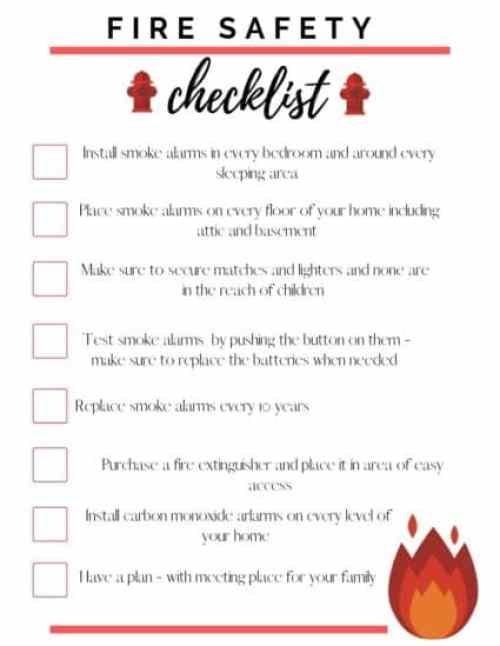
4. The Essential Fire Safety Checklist for Renters
Use this checklist when moving into a new property and review it periodically throughout your tenancy.
Smoke detectors and fire alarms
- Confirm whether smoke detectors are installed in appropriate locations.
- Ask the landlord or property manager how the alarms are tested and maintained.
- Report damaged detectors, persistent fault warnings, or missing equipment.
- Never remove batteries, disable alarms, or cover detectors to prevent them from operating.
- Learn how the building’s alarm sounds and what you should do when it activates.
Electrical safety
- Avoid using damaged plugs, cables, or electrical appliances.
- Do not overload electrical outlets.
- Keep electrical equipment away from water and excessive heat.
- Report unusual burning smells, sparks, or repeated electrical faults.
- Arrange repairs through a qualified electrician.
Kitchen safety
- Keep combustible materials away from cooking appliances.
- Never leave cooking unattended for extended periods.
- Keep the kitchen exit accessible.
- Report damaged gas connections or electrical appliances.
- Know how to summon help if a kitchen fire occurs.
Escape routes
- Identify the quickest safe route out of the property.
- Learn the location of building stairways and emergency exits.
- Keep hallways, doors, and escape routes clear.
- Know the building’s assembly point, if one is designated.
- Make sure household members understand the evacuation plan.
General household precautions
- Keep matches, lighters, and other ignition sources away from children.
- Avoid unsafe heating arrangements.
- Keep rubbish and combustible storage away from heat sources.
- Report damaged fire doors or obstructed communal exits.
- Save the contact details of the landlord, property manager, and relevant emergency services.
This checklist is a starting point rather than a guarantee that a property meets every applicable fire safety requirement.
5. Understand Smoke Detectors and Fire Alarm Systems
Smoke detectors and fire alarms are important parts of residential fire protection. Understanding their purpose helps renters know what to look for and what questions to ask.
What does a smoke detector do?
A smoke detector identifies smoke and provides a warning, either through its own alarm or as part of a larger detection system.
Early warning is especially important at night, when occupants may not immediately notice a developing fire.
What is a fire alarm system?
A fire alarm system can include detectors, manual call points, a control panel, and audible or visual warning devices. The exact arrangement depends on the building’s size, layout, and safety requirements.
A fire alarm system in Pakistan may be installed in apartment buildings, residential complexes, offices, and mixed-use properties. Renters should understand how their building’s system operates and whom to contact if a fault occurs.
What should renters check?
Ask the property manager whether the installed equipment is inspected and maintained according to the manufacturer’s instructions and applicable requirements.
If the building has a shared alarm system, residents should know what the warning means and which evacuation procedures to follow.
Do not test shared systems without authorization, because an uncoordinated test can confuse or alarm other occupants.
Remember that smoke alarms are not the same as gas leak detectors. If the property uses LPG or other fuel-burning appliances, additional detection or safety measures may be appropriate.
6. Make an Emergency Escape Plan
An escape plan helps everyone in the household understand how to leave safely if a fire occurs.
Identify the safest route
Identify the main exit and an alternative route where one is available. In apartment buildings, use designated stairways rather than lifts during a fire unless emergency personnel specifically instruct otherwise.
If smoke or fire blocks your planned route, do not attempt to pass through it. Follow the building’s emergency procedures and contact emergency responders.
Keep exits accessible
Doors, corridors, and stairways should remain free of obstructions. Do not store personal belongings in communal areas where they could prevent residents from escaping.
If an exit is locked, damaged, or blocked, notify the landlord or building management immediately.
Agree on a meeting place
Choose a safe outdoor meeting point away from the building and emergency vehicle access routes. This makes it easier to establish whether household members have reached safety.
Plan for people who need assistance
Children, older adults, and people with mobility or sensory impairments may need additional support. Discuss suitable arrangements in advance with household members and building management.
Practice the plan
Everyone should know how to recognize the alarm, leave the property, and reach the meeting point. Practice can reveal confusing routes or obstacles that need attention.
Never return to a burning building to collect belongings or look for missing items. Inform emergency responders if someone may still be inside.
7. Fire Safety Responsibilities: Tenant vs. Landlord
Responsibilities can vary according to the tenancy agreement, local regulations, and the type of property. Renters should clarify these responsibilities rather than assuming that every safety issue belongs to one party.
What should landlords or property managers address?
Depending on their legal and contractual duties, property owners or managers may be responsible for maintaining building systems, arranging necessary repairs, providing access to safe escape routes, and addressing reported hazards.
In shared or multi-storey buildings, management may also coordinate inspections and maintenance of communal fire protection equipment.
What should tenants do?
Tenants should use appliances responsibly, avoid damaging safety equipment, keep exits clear, and report hazards promptly.
They should also follow the property’s emergency procedures and cooperate with authorized maintenance or inspection activities.
Keep records of safety concerns
If you notice a serious defect, inform the landlord or property manager in writing when practical. Describe the concern clearly and keep a record of the response.
For an immediate danger, prioritize evacuation and contacting emergency services instead of waiting for a reply.
If a serious issue remains unresolved, seek advice from the relevant local authority or a qualified professional about the appropriate next steps.
8. Fire Safety in Rental Properties in Pakistan
Fire safety requirements depend on the property, its location, occupancy, and applicable rules.
Pakistan’s Building Code of Pakistan—Fire Safety Provisions 2016 establishes provisions concerning fire prevention, life safety, and building fire protection. Its adoption and implementation depend on the applicable legal and administrative framework. <Cite refs={[“turn789971search22″,”turn789971search6”]}/>
For renters, this means that basic household precautions should be combined with attention to the building’s wider safety arrangements.
In Punjab, the Civil Defence Department identifies fire detection and alarm systems, firefighting arrangements, fire safety plans, emergency exits, and evacuation plans among the measures considered in relevant inspections. Requirements for an individual property should be confirmed with the responsible authority. <Cite refs={[“turn789971search4”]}/>
Before signing a tenancy agreement, consider asking:
- Are the building’s required fire safety arrangements in place?
- Who maintains shared alarms, emergency lighting, and firefighting equipment?
- Are the escape routes suitable and kept unobstructed?
- Is there a documented emergency procedure?
- How should residents report a safety concern?
Renters should not assume that every building is subject to identical requirements. If a property appears unsafe, ask the landlord or building manager to arrange an appropriate assessment.
9. What to Do During a Fire Emergency
Knowing how to respond is just as important as preventing hazards.
If a fire occurs, alert other occupants if it is safe to do so, activate the alarm if appropriate, and leave using a safe escape route.
Keep low if smoke is present and avoid entering smoke-filled corridors or stairways. Close doors behind you if doing so is safe and does not delay your escape.
Once outside, move to a safe location and contact the local fire and rescue service. In Punjab, Rescue 1122 is the emergency service number for reporting emergencies.
Do not use a lift during a fire, and never return inside to retrieve personal belongings.
If you cannot leave because smoke or fire blocks your route, move to a location as far from the danger as possible, close the door between yourself and the fire if safe, and contact emergency responders to explain your exact location. Follow their instructions.
Do not attempt to fight a fire unless it is very small, you have appropriate training, and you have a clear escape route. Evacuation should always take priority when conditions are unsafe.
10. Common Fire Safety Mistakes Renters Should Avoid
Even careful tenants can overlook important details. Avoid these common mistakes:
Ignoring damaged electrical fittings: Small defects can indicate a problem that needs professional attention.
Assuming an alarm works because it is installed: Detection equipment requires appropriate testing and maintenance.
Blocking shared corridors: Personal belongings must not obstruct communal escape routes.
Leaving cooking unattended: Stay attentive when using cooking appliances.
Ignoring maintenance requests: Report safety concerns promptly and keep a record of unresolved problems.
Disabling smoke alarms: A nuisance alarm should be assessed and addressed properly rather than permanently disabled.
Failing to learn the evacuation route: Knowing the route in advance can reduce confusion during an emergency.
Assuming the landlord handles everything: Tenants should understand the building’s safety arrangements and report hazards they notice.
Small changes in everyday habits can make rental accommodation safer for everyone.
Conclusion
Fire safety for renters begins with understanding the property, recognizing hazards, and knowing how to respond during an emergency. Before moving in, check electrical fittings, smoke detectors, escape routes, and the building’s emergency arrangements. During your tenancy, maintain safe habits, keep exits clear, and report problems promptly.
A suitable and maintained fire alarm system, appropriate firefighting equipment, and a clear evacuation plan can help protect residents, but no single measure replaces responsible behavior and proper building maintenance.
In Pakistan, renters should also understand the relevant building safety requirements and clarify maintenance responsibilities with their landlord or property manager.
The best approach is to make fire safety part of everyday living. A few simple checks today can help you identify hazards, improve preparedness, and make your rented home safer.
Frequently Asked Questions (FAQs)
1. What should renters check before moving into a house or apartment?
Check electrical fittings, smoke detectors, cooking equipment, emergency exits, and the condition of shared corridors. Ask the landlord about alarm maintenance and emergency procedures, and report any serious concerns before moving in where possible.
2. Are landlords responsible for fire safety in rental properties in Pakistan?
Landlord responsibilities depend on applicable laws, local requirements, and the tenancy agreement. Property owners or managers may have duties relating to building maintenance and installed safety systems, while tenants should use the property responsibly and report hazards.
3. Do renters need a smoke detector?
Smoke detection is an important residential safety measure. Whether a particular detector is legally required and who must install or maintain it depends on the property’s circumstances and applicable requirements. Renters should confirm that appropriate equipment is provided and maintained.
4. What should I do if the fire alarm in my apartment building does not work?
Report the fault promptly to the landlord or building manager and request an appropriate inspection. If a fire or immediate danger occurs, evacuate if safe and contact emergency services. Do not rely on a faulty alarm as your only warning.
5. How can renters make an emergency escape plan?
Identify the main exit and an alternative safe route, learn the location of shared stairways, keep exits clear, and choose an outdoor meeting point. Make sure everyone in the household understands the plan and knows what to do if a fire blocks the usual route.
SEO title: The Beginner’s Checklist for Fire Safety for Renters
Target keyword: Fire alarm system in Pakistan
Meta description: Follow this beginner’s fire safety checklist for renters in Pakistan. Learn about smoke alarms, electrical hazards, emergency exits, landlord responsibilities, and fire prevention.
Suggested URL slug: fire-safety-checklist-for-renters
Website: flame-defender.com