
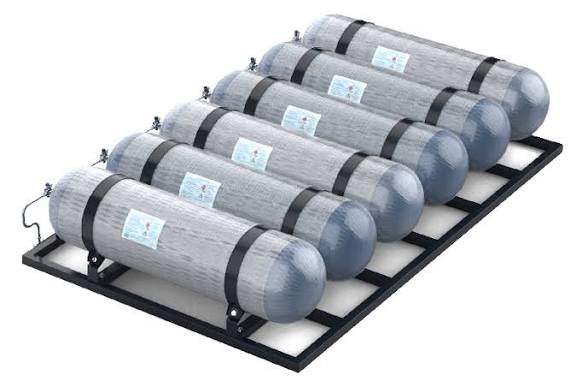
CNG, or compressed natural gas, is a fuel that requires careful handling and appropriate safety controls. While CNG is widely associated with vehicles and commercial facilities, questions about gas cylinders and household safety can also arise when people live near CNG-related equipment or use gas systems in residential environments.
For homeowners, the most important principle is simple: gas equipment should never be treated as an ordinary household item. Cylinders, valves, regulators, connections, and associated equipment should be installed, inspected, maintained, and serviced by appropriately qualified professionals.
In Pakistan, gas and CNG activities are regulated within a broader regulatory framework. The Oil and Gas Regulatory Authority (OGRA) regulates the CNG sector and provides information concerning CNG rules, standards, licensing, approved equipment, and safety matters.
Fire prevention should also be considered as part of a home’s overall safety plan. The Building Code of Pakistan Fire Safety Provisions 2016 addresses fire prevention, life safety, fire protection, and the storage, use, handling, and transportation of flammable and combustible gases.
This guide explains the main CNG cylinder safety principles homeowners should understand without attempting technical work themselves.
What Is CNG?
CNG stands for compressed natural gas. Unlike LPG, which is stored as a liquefied petroleum gas, CNG is stored under high pressure.
This difference is important because CNG systems involve specialized cylinders and equipment designed for compressed gas service.
CNG cylinders are engineered products and should be treated accordingly. Their condition, certification, installation, inspection, and maintenance matter.
A homeowner should never assume that a cylinder is safe simply because it appears normal from the outside.
Why CNG Cylinder Safety Matters
Gas-related incidents can have serious consequences if fuel escapes and encounters an ignition source.
The risks can involve:
- Fire
- Explosion
- Property damage
- Burns
- Smoke and heat exposure
- Damage to nearby equipment
- Serious disruption to a home or building
The goal of CNG safety is therefore not merely to protect the cylinder. It is to prevent unsafe conditions from developing and to make sure people know how to respond when something appears wrong.
The Building Code of Pakistan Fire Safety Provisions 2016 specifically includes requirements and considerations relating to hazardous and combustible gases as part of broader fire and life-safety protection.
CNG Cylinders Are Not Ordinary Storage Containers
One common misunderstanding is that a gas cylinder is simply a container that can be moved, stored, repaired, or modified whenever necessary.
That approach is unsafe.
CNG cylinders are pressure vessels designed for specific applications. Their condition and suitability need to be assessed according to applicable technical requirements.
Homeowners should not attempt to:
- Repair a damaged cylinder
- Modify a cylinder
- Replace specialized components themselves
- Alter connections
- Perform pressure-related work
- Re-certify equipment themselves
Technical work should be left to qualified professionals.
OGRA maintains information on approved CNG equipment and vehicle cylinders within its CNG regulatory framework.
Never Ignore Visible Damage
A cylinder or associated gas equipment that appears damaged should not be treated as a minor household problem.
Warning signs can include obvious physical damage, corrosion, unusual deformation, damaged connections, or other conditions that appear abnormal.
A homeowner should keep people away from questionable equipment and arrange for appropriate professional assessment.
Children should never be asked to inspect, move, operate, or investigate a gas cylinder or its associated equipment.
The safest response to a suspected equipment problem is to move people away from danger and contact an appropriately qualified adult or professional service provider.
CNG Equipment Should Be Professionally Installed
Gas equipment requires proper design and installation.
Improvised connections or modifications can create risks that may not be obvious to an untrained person.
For residential safety, homeowners should make sure that any relevant gas equipment is handled by appropriately qualified professionals and that applicable requirements are followed.
Pakistan’s Engineering Council recognizes specialized engineering work for fire detection, alarm, and suppression systems, demonstrating the importance of competent professional involvement in technical fire-protection work.
Gas systems likewise require appropriate technical expertise rather than DIY modifications.
Keep Ignition Sources Away From Gas Hazards
A major fire-safety principle is to keep potential ignition sources away from areas where combustible gas could be present.
Potential ignition sources can include:
- Open flames
- Smoking materials
- Sparks
- Damaged electrical equipment
- Hot surfaces
- Other sources of ignition
This is especially important if there is a suspected gas problem.
Homeowners should not attempt to investigate a suspected gas release by creating a flame, spark, or other ignition source.
If a gas-related emergency is suspected, people should move away from the affected area and seek help from responsible adults, emergency services, or the appropriate gas professional.
Ventilation Is an Important Safety Consideration
Gas safety and ventilation are closely connected.
The design of a gas installation should provide appropriate ventilation according to the relevant equipment, building requirements, and technical standards.
Homeowners should not block or modify ventilation arrangements around gas equipment simply to improve appearance or convenience.
During renovations, changes to walls, rooms, doors, windows, or ventilation systems can affect the safety of existing gas installations.
Any significant building alteration near gas equipment should therefore be reviewed appropriately.
Do Not Store Household Items Around Gas Equipment
Storage is another simple but important part of fire prevention.
Gas equipment should not become surrounded by unnecessary household items, rubbish, combustible materials, or objects that make access difficult.
A cluttered area can create several problems:
- It can hide equipment problems.
- It can obstruct access.
- It can increase the available combustible material.
- It can make an emergency more difficult to manage.
- It can interfere with professional inspection or maintenance.
The Building Code of Pakistan’s fire safety provisions address hazards associated with combustible materials and the storage, use, and handling of hazardous materials.
A clean, appropriately maintained area makes safety problems easier to identify.
Never Allow Children to Handle CNG Equipment
Children should never be responsible for operating, moving, inspecting, repairing, or troubleshooting CNG cylinders or associated equipment.
This is particularly important because pressure equipment and combustible gas require specialized knowledge.
Parents and guardians can instead teach children simple safety rules:
- Stay away from gas cylinders and related equipment.
- Never touch valves or connections.
- Never play near gas equipment.
- Tell an adult if they notice something unusual.
- Leave the area when an adult instructs them to do so.
- Never investigate a suspected gas leak.
The purpose of children’s gas-safety education should be recognition and safe response, not technical operation.
What If You Suspect a Gas Leak?
A suspected gas leak should always be taken seriously.
Do not attempt to locate the leak yourself using a flame or other unsafe method.
Instead, the priority should be protecting people.
If you notice a strong or unusual gas smell or another indication of a possible gas problem:
- Move away from the suspected danger.
- Keep other people away from the affected area.
- Avoid creating flames or sparks.
- Do not attempt technical repairs.
- Contact the appropriate emergency service, gas provider, or qualified professional from a safe location.
If the situation appears immediately dangerous, follow local emergency procedures and leave the area.
The exact response can depend on the building, equipment, and circumstances. Professional assistance is appropriate when a gas system may be unsafe.
CNG Safety and Fire Alarm Systems
Gas safety should be considered alongside a home’s overall fire protection strategy.
A fire alarm system can provide an important warning if a fire occurs, but it should not be considered a substitute for preventing gas-related hazards.
A properly planned fire alarm system in Pakistan can form part of a broader residential fire-safety strategy, alongside safe electrical systems, appropriate escape routes, fire extinguishers where suitable, smoke detection, good housekeeping, and emergency planning.
The Pakistan Engineering Council lists installation, commissioning, and maintenance of fire detection, alarm, and suppression systems as a specialized engineering area.
Homeowners should therefore avoid treating fire alarms as simple devices that can compensate for unsafe gas equipment.
Fire protection and fuel safety need to work together.
Smoke Alarms and Gas Safety Are Different
Another common misunderstanding is that a smoke alarm can detect every gas-related problem.
Smoke alarms are designed primarily to detect smoke associated with fires. They should not automatically be assumed to detect combustible gas.
Different hazards may require different detection technologies and professionally designed systems.
For this reason, homeowners should understand what their installed alarms are designed to detect.
A fire alarm or smoke alarm is one part of a safety strategy, not a universal detector for every household hazard.
Choose Qualified Professionals
Technical gas and fire protection work should not be assigned simply to the cheapest available person.
When professional work is required, homeowners should consider whether the service provider is appropriately qualified for the specific equipment and task.
Important questions may include:
- Does the professional have relevant technical qualifications?
- Is the equipment being handled according to applicable requirements?
- Are manufacturer instructions being followed?
- Are required inspection or service records available?
- Is the work appropriate for the particular gas system?
OGRA provides regulatory information for the CNG sector, including CNG rules, standards, licensing information, and lists relating to approved equipment.
Don’t Buy Unverified or Modified Equipment
Homeowners should be cautious about gas equipment of uncertain origin or condition.
A low-cost product may appear attractive, but gas and pressure equipment is not an area where unknown quality is worth the risk.
Before purchasing or installing relevant equipment, homeowners should consider:
- Whether it is approved or compliant for its intended use
- Whether the supplier is reputable
- Whether required documentation is available
- Whether professional installation is available
- Whether the equipment is suitable for the intended application
OGRA publishes information related to approved CNG storage cylinders, CNG kits, and vehicle cylinders as part of its CNG regulatory information.
Regular Inspection Is Better Than Waiting for a Problem
A common mistake is waiting until something looks seriously wrong before considering maintenance.
Professional inspection and maintenance can help identify issues before they become emergencies.
The appropriate inspection schedule depends on the type of equipment, installation, applicable standards, and manufacturer requirements.
Homeowners should keep relevant documentation and follow the recommendations of qualified professionals.
The same principle applies to fire protection equipment.
The Building Code of Pakistan Fire Safety Provisions 2016 includes inspection, maintenance, repair, servicing, and testing within its broader fire-safety scope.
What Homeowners Should Never Do
CNG safety is partly about knowing what not to do.
Homeowners should not attempt to:
- Repair a damaged cylinder themselves
- Modify gas equipment
- Replace specialized pressure components without proper qualification
- Test suspected leaks using a flame
- Ignore unusual gas smells
- Store combustible materials carelessly around gas equipment
- Allow children to operate gas equipment
- Use equipment that appears damaged or unsuitable
- Rely on internet advice for technical pressure-equipment repairs
- Assume that a fire alarm eliminates gas-related risks
When technical equipment is involved, professional assessment is safer than experimentation.
CNG Cylinder Safety During Home Renovation
Renovations can introduce unexpected risks.
Walls may be moved, rooms may be enclosed, ventilation may be changed, electrical wiring may be modified, and storage arrangements may be altered.
Before making significant changes around gas equipment, homeowners should obtain appropriate professional advice.
A design that was safe under the original building arrangement may need to be reassessed after major alterations.
The Building Code of Pakistan Fire Safety Provisions 2016 covers existing buildings as well as remodeling, additions, alterations, and related fire and life-safety considerations.
Preparing a Family Emergency Plan
Every household should have a simple emergency plan.
Family members should know:
- How to recognize a fire alarm
- Where to go during an evacuation
- Which exits are available
- Where the household should assemble
- Who should contact emergency services
- That they should never return to a dangerous area without authorization
Children should receive age-appropriate instructions and should never be expected to handle gas equipment or investigate emergencies.
The objective is simple: get people to safety rather than trying to solve a technical gas problem themselves.
CNG Safety Checklist for Homeowners
A simple review can help homeowners think about the most important safety areas:
Equipment
- Is gas equipment professionally installed?
- Is the equipment appropriate for its intended application?
- Is there any obvious damage or abnormal condition?
- Are relevant inspection and service records available?
Surrounding Area
- Is the area reasonably clear?
- Are combustible materials kept appropriately away?
- Is equipment accessible for qualified inspection and maintenance?
- Have renovations changed the surrounding arrangement?
Fire Protection
- Are smoke alarms installed where appropriate?
- Is the home’s fire alarm system maintained?
- Are escape routes clear?
- Does the family know the evacuation plan?
- Are suitable fire-safety measures in place for the home’s risks?
Emergency Awareness
- Do family members know what to do if they suspect a gas problem?
- Do children know to stay away from gas equipment?
- Does everyone know where to go during an emergency?
- Are emergency contacts available?
This checklist is a general safety guide and does not replace professional inspection or applicable technical requirements.
Why Prevention Matters
The best gas emergency is one that never happens.
Preventive safety does not have to be complicated. It begins with using suitable equipment, relying on qualified professionals, avoiding unauthorized modifications, maintaining clear surroundings, recognizing warning signs, and having an emergency plan.
Homeowners should also remember that gas safety is not only about the cylinder itself. The entire installation and surrounding environment can influence overall risk.
That is why professional assessment is particularly important when a system is being installed, modified, repaired, or suspected of being unsafe.
CNG Safety in Pakistan
Pakistan has a dedicated regulatory framework for the CNG sector. OGRA states that its CNG Department regulates the sector under the applicable legal framework and conducts safety inspections of CNG stations through designated third-party inspectors. It also publishes information concerning CNG rules, standards, approved equipment, and related requirements.
For homeowners, this highlights an important principle: CNG safety is a technical and regulated subject.
At the building level, the Building Code of Pakistan Fire Safety Provisions 2016 provides a broader fire and life-safety framework covering fire prevention, protection systems, hazardous materials, combustible gases, inspection, maintenance, and related matters.
Specific requirements can vary depending on the property, equipment, location, and applicable authority. Professional advice should therefore be obtained for technical decisions.
Final Thoughts
CNG cylinder safety should never be treated as a minor household issue.
CNG involves compressed gas and specialized equipment, so homeowners should avoid DIY repairs, modifications, and technical troubleshooting. The safest approach is to use appropriate equipment, rely on qualified professionals, maintain the surrounding area, take unusual conditions seriously, and have a clear family emergency plan.
A fire alarm system in Pakistan can be an important part of overall home fire protection, but it is only one element of a wider safety strategy. Gas safety, electrical safety, smoke detection, escape planning, housekeeping, and professional maintenance all have roles to play.
For additional fire-protection information and professional services in Pakistan, homeowners can explore Flame Defender.
The most important lesson is simple: when gas and pressure equipment is involved, safety should come before convenience. If equipment appears damaged or a gas emergency is suspected, keep people away, avoid creating an ignition source, and seek qualified professional or emergency assistance rather than attempting technical repairs yourself.
FAQs
1. Is CNG cylinder safety important for homeowners?
Yes. CNG is stored under pressure, so cylinders and associated equipment require appropriate installation, inspection, maintenance, and professional handling. Homeowners should never modify or repair pressure equipment themselves.
2. Can children handle or inspect a CNG cylinder?
No. Children should stay away from CNG cylinders, valves, connections, and other gas equipment. They should be taught to tell a responsible adult if they notice something unusual rather than investigating it themselves.
3. What should I do if I suspect a gas leak?
Move away from the suspected danger, keep other people away, avoid flames and sparks, and contact the appropriate emergency service, gas provider, or qualified professional from a safe location. Do not try to locate or repair the leak yourself.
4. Does a fire alarm detect a CNG leak?
A standard smoke/fire alarm should not automatically be assumed to detect combustible gas. Different hazards can require different detection technologies. Homeowners should check what their installed alarm is specifically designed to detect.
5. How does a fire alarm system in Pakistan support home safety?
A properly designed and maintained fire alarm system can provide an important warning when a fire-related emergency occurs. It should be considered part of a wider safety strategy that also includes safe gas equipment, electrical safety, clear escape routes, appropriate maintenance, and an emergency plan.