
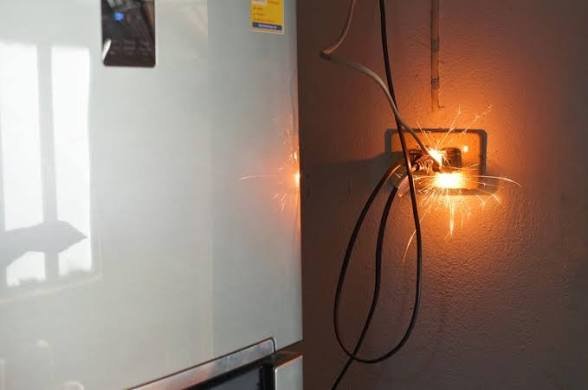
Electrical systems are an essential part of modern homes, offices, factories, shops, schools, and commercial buildings. Almost every building in Pakistan depends on electricity for lighting, cooling, machinery, computers, appliances, and communication equipment. Because electrical systems are used constantly, preventing electrical faults is an important part of general fire safety.
A short circuit can occur when electricity follows an unintended path because of damaged insulation, faulty wiring, loose connections, equipment problems, or other electrical conditions. Depending on the circumstances, an electrical fault can generate heat, sparks, or other conditions that may contribute to a fire.
The Building Code of Pakistan Fire Safety Provisions 2016 covers fire prevention, life safety, and fire protection for buildings and similar structures. It also includes inspection, maintenance, repair, servicing, and testing of fire-protection systems and equipment.
However, short circuit prevention is not only about installing electrical equipment. Everyday mistakes can increase electrical risks without people realizing it.
Below are seven common mistakes and practical ways to think about them.
1. Ignoring Damaged Wires and Electrical Equipment
One of the most common mistakes is continuing to use electrical equipment after visible damage has been noticed.
People sometimes see a damaged cable, cracked plug, loose connection, or deteriorated insulation and continue using the equipment because it still appears to work. The fact that an electrical device turns on does not necessarily mean that it is safe.
Damaged electrical components can create abnormal electrical conditions. A damaged cable may also become more vulnerable to further deterioration, particularly when exposed to heat, moisture, movement, or physical pressure.
Warning signs that deserve attention can include:
- Frayed or visibly damaged cables
- Cracked plugs or sockets
- Loose electrical connections
- Burn marks around electrical outlets
- Unusual buzzing or sparking
- Repeated circuit interruptions
- Equipment that becomes unusually hot
- A smell associated with overheated electrical components
These signs should not simply be ignored.
Electrical problems should be assessed and repaired by appropriately qualified personnel. Attempting improvised repairs can create additional hazards.
For building owners and managers, regular inspection is particularly important because electrical systems can deteriorate gradually. A problem that appears minor during an ordinary inspection can become more serious if it remains unresolved.
2. Overloading Electrical Outlets and Circuits
Another common mistake is connecting too many devices to one electrical outlet or circuit.
Modern buildings can have many appliances and electronic devices operating at the same time. When people need additional connections, they may use extension arrangements or multiple-outlet devices without considering whether the electrical system is suitable for the combined load.
The problem is not simply the number of plugs. The total electrical load, the circuit design, wiring, protective devices, and equipment ratings all matter.
Overloading can contribute to excessive heating and may indicate that an electrical installation needs professional assessment or upgrading.
A better approach is to avoid treating electrical outlets as unlimited power sources. Building owners should have electrical installations assessed by qualified professionals where there are concerns about capacity, repeated circuit interruptions, or changes in building use.
This is especially relevant in offices, workshops, factories, restaurants, and commercial buildings where equipment may be added over time.
If a building’s electrical demand has increased substantially, the original electrical arrangement may need to be reviewed rather than relying on additional extension connections.
3. Using Temporary or Improvised Wiring as a Permanent Solution
Temporary electrical arrangements can sometimes become permanent simply because people become accustomed to them.
An extension cable may originally be used for a short-term need. Later, another device is connected to it, and eventually the arrangement becomes part of everyday operations.
This can create problems when temporary wiring is exposed to physical damage, heat, moisture, excessive loads, or unsuitable environmental conditions.
Flame Defender’s fire-safety guidance also highlights temporary wiring as something that deserves attention rather than being treated as automatically safe simply because it is temporary.
In workplaces, temporary wiring can become particularly complicated when equipment, production areas, offices, or storage arrangements change.
A safer approach is to have electrical requirements properly assessed and permanent installations designed where ongoing power is needed.
Temporary electrical arrangements should not become an excuse to postpone professional electrical work.
4. Neglecting Electrical Equipment Maintenance
Electrical equipment does not remain in exactly the same condition throughout its useful life.
Fans, motors, air-conditioning systems, pumps, machinery, computers, lighting equipment, generators, and other devices may experience wear, dust accumulation, overheating, or component deterioration.
A common mistake is waiting until equipment stops working before arranging an inspection.
Preventive maintenance can help identify problems earlier.
Maintenance programs can consider:
- Electrical connections
- Equipment condition
- Cables and plugs
- Ventilation around equipment
- Signs of overheating
- Dust or debris accumulation
- Protective devices
- Machinery controls
- General electrical-room conditions
The appropriate maintenance schedule depends on the equipment, environment, manufacturer guidance, and applicable requirements.
Factories and industrial facilities may require particularly careful attention because electrical systems can operate for long periods and may be exposed to dust, vibration, heat, moisture, or other environmental conditions.
Pakistan Engineering Council’s Building Code framework recognizes maintenance, repair, servicing, and testing as part of fire-protection management.
Regular maintenance should therefore be viewed as part of prevention rather than simply an expense that follows an equipment failure.
5. Ignoring Heat, Dust, and Poor Housekeeping Around Electrical Equipment
Electrical equipment needs an appropriate environment.
A common mistake is allowing boxes, paper, packaging, dust, waste, or other materials to accumulate around electrical equipment.
Even when these materials are not directly connected to an electrical circuit, poor housekeeping can increase the potential consequences of an electrical fault.
For example, unnecessary combustible materials near electrical equipment can provide additional fuel if a fire develops.
Electrical rooms and equipment areas should therefore be kept appropriately organized and accessible. Storage should not interfere with equipment access, ventilation, inspection, or emergency response.
The Building Code of Pakistan considers combustibles that contribute to fire spread, fire load, and smoke production within its broader fire-safety provisions.
Good housekeeping does not eliminate electrical faults, but it can help reduce avoidable fire hazards around electrical installations.
This is particularly important in factories, warehouses, workshops, and commercial premises where large quantities of packaging or other combustible materials may be present.
6. Thinking a Fire Alarm System Replaces Electrical Prevention
A fire alarm is an important part of a broader fire-safety strategy, but it is not a substitute for maintaining the electrical system.
This is an important distinction.
A fire alarm system in Pakistan can provide warning when a fire or other monitored condition is detected, depending on the system’s design and components. But the best approach is to reduce avoidable ignition risks while also maintaining appropriate detection and emergency arrangements.
In other words, fire prevention and fire detection work together.
A suitable fire alarm arrangement may include detectors, manual alarm devices, control equipment, notification appliances, and power supplies, depending on the building and its requirements. The Building Code of Pakistan addresses fire alarm systems and automatic detectors where they are required and includes provisions concerning fire-protection systems.
Flame Defender also emphasizes that fire-safety planning should consider the suitability and maintenance of detection and alarm systems rather than assuming that simply having equipment installed proves that it is ready.
A building should therefore have both:
Prevention:
Reduce electrical hazards and maintain equipment properly.
Detection:
Provide appropriate warning systems where required.
Response:
Maintain suitable emergency procedures and evacuation arrangements.
No single component should be expected to solve every fire-safety problem.
7. Failing to Investigate Repeated Electrical Problems
Repeated electrical problems are often treated as individual incidents instead of warning signs.
For example, if a circuit repeatedly trips, equipment repeatedly overheats, or an electrical connection repeatedly develops problems, simply restoring normal operation may not address the underlying cause.
Repeated faults deserve investigation.
A recurring problem could indicate an issue with equipment, wiring, electrical loading, environmental conditions, maintenance, or another part of the electrical installation.
The exact cause should be determined by an appropriately qualified professional.
This principle applies to both homes and workplaces. In commercial and industrial environments, ignoring repeated electrical faults can be particularly problematic because many people may be exposed to the same environment every day.
Good maintenance records can help identify patterns.
A simple record can include:
- Date of the problem
- Equipment or circuit involved
- Nature of the fault
- Action taken
- Person or company carrying out the work
- Whether the problem returned
- Recommended follow-up
This information can help building managers avoid repeatedly treating the same symptom without addressing the underlying issue.
How to Improve Short Circuit Prevention
Preventing electrical faults requires a combination of good equipment, appropriate installation, maintenance, inspection, and responsible use.
Inspect Electrical Installations
Electrical systems should be reviewed by appropriately qualified professionals, particularly when there are repeated faults, building modifications, or significant changes in electrical demand.
Avoid Improvised Repairs
Electrical repairs should be handled by qualified personnel rather than relying on makeshift solutions.
Keep Electrical Areas Organized
Avoid unnecessary storage around electrical equipment and maintain suitable access for inspection and maintenance.
Monitor Equipment Condition
Pay attention to signs such as overheating, damage, unusual sounds, repeated interruptions, or other abnormal behavior.
Review Changes
When a building adds machinery, appliances, air-conditioning equipment, computers, or other significant electrical loads, the electrical system may need professional assessment.
Maintain Fire-Protection Systems
Electrical prevention and fire detection should work together. Where a fire alarm system is installed, it should be appropriately maintained and tested according to applicable requirements and manufacturer guidance.
Keep Records
Documenting inspections, repairs, recurring faults, and maintenance can help building managers identify patterns and follow up on unresolved problems.
Short Circuit Prevention in Factories and Workplaces
Electrical safety becomes particularly important in workplaces where equipment operates for long periods.
Factories may have motors, production machinery, control panels, compressors, generators, lighting systems, and other electrical installations operating simultaneously.
Offices may have computers, printers, air-conditioning equipment, servers, and communication systems.
Restaurants and commercial kitchens can have refrigeration, cooking equipment, ventilation systems, lighting, and other electrical appliances.
Each environment has different hazards, so the prevention strategy should reflect the actual building and its activities.
The Building Code of Pakistan is intended to address fire prevention and protection in different types of buildings and includes consideration of existing occupancies, processes, equipment, systems, and fire-related safety conditions.
This is why a generic checklist should not replace a professional assessment when there are significant electrical concerns.
The Connection Between Electrical Safety and Fire Safety
Electrical safety and fire safety are closely connected.
A building can have modern fire alarms and firefighting equipment but still have preventable electrical hazards.
Likewise, a well-maintained electrical system should be supported by appropriate fire detection, evacuation arrangements, and emergency planning.
The goal is to create multiple layers of protection.
The Building Code of Pakistan Fire Safety Provisions 2016 describes fire-safety requirements intended to reduce danger to life and property and includes the inspection, maintenance, repair, servicing, and testing of fire-protection systems and equipment.
This broader approach is important because fires rarely result from one simple factor alone. Building conditions, equipment, maintenance, human behavior, storage, and emergency preparedness can all influence the outcome.
A Simple Electrical Fire-Safety Checklist
Building owners and managers can use the following points as a basic review:
- Electrical equipment appears to be in suitable condition.
- Damaged cables and plugs are not being ignored.
- Electrical outlets are not being unnecessarily overloaded.
- Temporary wiring is reviewed rather than becoming a permanent workaround.
- Electrical equipment receives appropriate maintenance.
- Electrical areas are kept organized.
- Combustible materials are not unnecessarily accumulated around electrical equipment.
- Repeated electrical faults are investigated.
- Significant changes to electrical demand receive appropriate professional review.
- Fire alarm and detection equipment, where installed, is maintained.
- Fire-safety inspections and maintenance activities are documented.
- Employees or occupants know the basic emergency procedures relevant to the building.
This checklist is a starting point, not a replacement for professional electrical or fire-safety assessment.
Conclusion
Short circuit prevention is an important part of fire prevention, but it is often overlooked because electrical problems can develop gradually.
The seven common mistakes discussed in this article include ignoring damaged wiring, overloading circuits, relying on temporary wiring, neglecting equipment maintenance, allowing poor housekeeping around electrical equipment, treating fire alarms as a substitute for prevention, and failing to investigate repeated faults.
Avoiding these mistakes requires a consistent approach rather than a single purchase or inspection.
Electrical installations should be maintained appropriately, problems should be investigated, combustible materials should be controlled, and fire-protection systems should remain ready for use.
For buildings where a fire alarm system in Pakistan is part of the overall safety arrangement, the system should be selected, installed, maintained, and tested appropriately for the premises and applicable requirements. Fire detection is most useful when it forms part of a wider plan that also addresses prevention and emergency response.
For further information about fire-safety and fire-alarm solutions, visit Flame Defender.
Frequently Asked Questions
1. What is a short circuit?
A short circuit is an unintended electrical path that can cause abnormal current flow. Depending on the electrical system and circumstances, it can produce heat, sparks, equipment damage, or other hazards.
2. What are common causes of electrical fires?
Potential contributing factors can include damaged wiring, faulty equipment, unsuitable electrical connections, overloaded circuits, poor maintenance, and other electrical faults. The exact cause of an incident should be established through appropriate professional investigation.
3. Can a fire alarm prevent a short circuit?
No. A fire alarm is primarily part of fire detection and notification. It does not replace proper electrical installation, maintenance, inspection, and prevention measures.
4. How can businesses reduce short circuit risks?
Businesses can reduce avoidable risks by maintaining electrical equipment, addressing damaged components, avoiding inappropriate loading, reviewing changes to electrical demand, keeping electrical areas organized, and having electrical concerns assessed by qualified professionals.
5. Why is a fire alarm system important if electrical prevention is already being practiced?
Prevention and detection serve different purposes. Electrical maintenance can help reduce the chance of an electrical fire, while an appropriate fire alarm system can provide warning when a fire or monitored condition is detected. Using multiple layers of protection provides a broader fire-safety approach.