
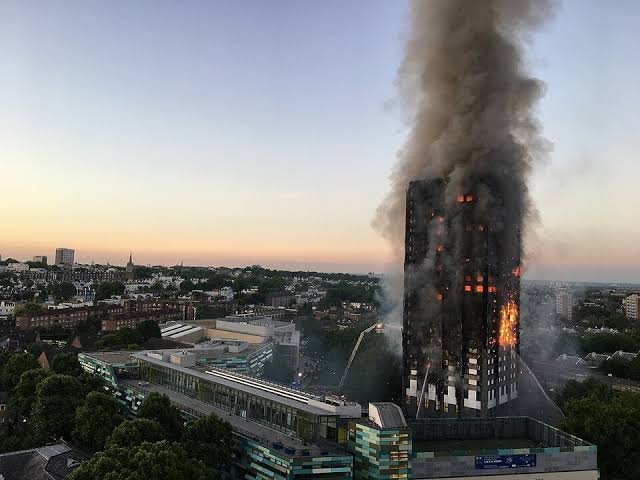
Factory fire safety is not only about keeping fire extinguishers on walls or installing an alarm system. Industrial buildings can contain machinery, electrical equipment, combustible materials, chemicals, packaging, storage areas, generators, and many workers. These conditions can create different types of fire risks that need to be considered as part of one overall safety plan.
In Pakistan, the Building Code of Pakistan Fire Safety Provisions 2016 covers fire prevention, life safety, and protection of buildings from fire hazards. It also addresses the design, installation, maintenance, repair, servicing, and testing of fire-protection systems and equipment.
Despite this, factories can still develop unsafe conditions because of simple mistakes. Sometimes equipment is installed but not maintained. In other cases, exits become blocked, combustible waste accumulates, or employees are not properly prepared for an emergency.
Understanding these common mistakes can help factory owners, managers, supervisors, and workers identify weaknesses before they become serious problems.
1. Treating Fire Safety as a One-Time Installation
One of the most common mistakes is assuming that once fire-safety equipment has been installed, the job is finished.
A factory may have fire alarms, detectors, extinguishers, emergency lighting, hydrants, sprinklers, or other protective equipment. However, equipment can deteriorate over time. Dust, humidity, physical damage, ageing components, electrical faults, and general wear can affect the reliability of fire-protection systems.
The Building Code of Pakistan includes maintenance, inspection, testing, servicing, and repair within the broader management of fire-protection systems.
This means factory management should think about fire safety as an ongoing process.
A useful maintenance program can include:
- Fire alarm system inspections
- Detector checks
- Control-panel checks
- Manual alarm device inspections
- Emergency-lighting checks
- Fire-extinguisher inspections
- Fire-pump and hydrant maintenance where applicable
- Emergency-exit inspections
- Fire-door checks
- Backup-power checks
- Record keeping and corrective actions
A properly maintained fire alarm system in Pakistan can provide an important early-warning layer, but its effectiveness depends on appropriate design, installation, testing, and maintenance.
2. Ignoring Electrical and Machinery-Related Fire Risks
Factories often depend heavily on electrical equipment and machinery. Production lines, motors, control panels, compressors, generators, welding equipment, lighting systems, and other electrical installations can all contribute to fire risk if they are poorly maintained or improperly used.
A common mistake is focusing only on obvious fire equipment while ignoring the conditions that could start a fire.
Factory management should therefore consider:
- Damaged electrical equipment
- Overloaded circuits
- Poorly maintained machinery
- Loose or damaged connections
- Excessive heat around equipment
- Accumulation of dust or combustible material
- Poor housekeeping around electrical rooms
- Uncontrolled temporary electrical arrangements
Regular inspection can help identify problems before they become emergencies.
Machinery areas should also be kept reasonably clean and organized. Oil, dust, packaging, textile fibres, paper, plastic, or other combustible waste should not be allowed to accumulate unnecessarily around potential ignition sources.
The goal is not simply to react to a fire. Good fire safety begins by reducing the chances of a fire starting.
3. Blocking Emergency Exits and Escape Routes
Another serious mistake is allowing storage, equipment, boxes, raw materials, or other objects to obstruct escape routes.
Factories can change rapidly. A production area may be reorganized, additional machinery may be installed, or temporary storage may be placed in an area that was originally intended to remain clear.
The problem is that an ordinary storage decision can become a major obstacle during an emergency.
The Building Code of Pakistan addresses means of egress and requires escape routes to be appropriately arranged and kept available. It also emphasizes that exits should be clearly visible or indicated.
Factory managers should regularly check:
- Exit doors
- Corridors
- Stairways
- Passageways
- Emergency routes
- Exit signs
- Areas around doors
- Access routes for emergency responders
Employees should also know which routes they are expected to use during an evacuation.
Emergency routes should not become unofficial storage areas simply because they appear convenient during normal operations.
4. Installing an Alarm but Ignoring Its Maintenance
Installing a fire alarm is an important part of many factory fire-protection strategies, but an alarm system should never be treated as a decorative item on the wall.
A factory fire alarm arrangement may include components such as smoke detectors, heat detectors, manual call points, control panels, sounders, visual notification devices, and power supplies. The appropriate arrangement depends on the building, occupancy, environment, hazards, and system design.
One common mistake is ignoring repeated fault indications.
Another is treating false alarms by simply disabling or ignoring the equipment instead of investigating the underlying cause. This can leave parts of the building without appropriate detection.
A maintenance program should consider:
- Detector condition
- Control-panel indications
- Manual call points
- Alarm sounders
- Visual notification devices
- Batteries and power supplies
- Wiring and connections
- Fault signals
- Testing records
The Building Code of Pakistan Fire Safety Provisions 2016 includes provisions concerning required fire alarm systems and automatic fire detectors and refers to applicable standards for their installation.
For a factory, choosing and maintaining a suitable fire alarm system in Pakistan should therefore be considered as part of a wider fire-safety strategy rather than as an isolated purchase.
5. Poor Housekeeping and Uncontrolled Combustible Materials
Factories naturally use and store many materials. Depending on the industry, these can include cardboard, paper, textiles, plastics, wood, packaging materials, oils, chemicals, or other combustible products.
The mistake is not having combustible materials. The problem is allowing them to become unnecessarily disorganized or accumulate in unsafe locations.
For example, waste materials can build up around machinery, electrical equipment, storage areas, or production lines. Packaging can accumulate in corridors. Damaged products may be stored without considering their fire characteristics.
Good housekeeping can help reduce unnecessary fire hazards.
Factory management can establish routines for:
- Removing waste
- Keeping access routes clear
- Organizing storage
- Separating incompatible materials where necessary
- Keeping ignition sources away from combustible storage
- Maintaining clean electrical and machinery areas
- Monitoring temporary storage
The Building Code also considers combustible materials, fire load, and the storage, handling, and transportation of flammable or combustible materials as part of fire and life-safety considerations.
Good housekeeping is therefore more than making a factory look clean. It can be an important part of fire prevention.
6. Assuming Employees Will Automatically Know What to Do
During an emergency, simply telling employees that a factory has a fire alarm is not enough.
Workers should understand the basic emergency arrangements relevant to their workplace. They should know how an alarm is communicated, where evacuation routes are located, where assembly arrangements apply, and who has responsibility for coordinating emergency procedures.
The Building Code of Pakistan includes fire and life-safety education for employees and responsible parties within its scope.
Factory management should consider providing appropriate training and conducting drills according to the building’s circumstances and applicable requirements.
Training can cover:
- Recognizing the alarm signal
- Reporting a fire or emergency
- Following designated evacuation routes
- Avoiding blocked exits
- Proceeding to the designated assembly area
- Following instructions from responsible personnel
- Reporting concerns about fire hazards
The exact emergency procedure should be suitable for the factory’s layout and operations.
Training is particularly important where employees work across multiple shifts. A procedure that is understood by the morning shift may not be equally familiar to night-shift workers or newly hired employees.
7. Failing to Keep Fire-Safety Records
Documentation is sometimes viewed as paperwork that can be completed later. In reality, records can help factory management understand whether safety equipment and procedures are actually being maintained.
Records may include:
- Fire alarm testing
- Equipment inspections
- Maintenance activities
- Repairs
- Fire drills
- Employee training
- Emergency-lighting checks
- Fire-extinguisher servicing
- Fire-pump or hydrant maintenance where applicable
- Corrective actions
- Identified faults and their resolution
The Building Code of Pakistan addresses records relating to inspection, maintenance, and testing of fire-protection systems and equipment.
Good documentation also makes recurring problems easier to identify.
For example, if the same alarm fault appears repeatedly, records can show that the problem is not an isolated event. Management can then investigate the underlying issue rather than repeatedly treating the symptom.
How Factories Can Improve Their Fire-Safety Approach
Avoiding these seven mistakes does not require treating every factory exactly the same. Different industries have different hazards, building layouts, production processes, storage arrangements, and occupancy conditions.
A useful factory fire-safety review should consider the complete picture.
Review the Building
Look at exits, corridors, production areas, storage rooms, electrical rooms, machinery areas, offices, loading areas, and other spaces.
Review Fire-Protection Equipment
Check whether installed systems are appropriate for the building and whether they are being inspected and maintained according to applicable requirements and manufacturer instructions.
Review the Alarm System
Make sure the fire alarm arrangement is suitable for the premises and that faults, damaged components, and maintenance requirements are addressed.
Review Housekeeping
Identify unnecessary combustible waste, poorly organized storage, blocked access routes, and other avoidable hazards.
Review Employee Awareness
Make sure employees understand the basic emergency procedures relevant to their workplace.
Review Documentation
Keep organized records of inspections, maintenance, training, drills, faults, and corrective actions.
Review Changes to the Factory
Fire risks can change when production equipment, storage arrangements, building layouts, materials, or processes change. A factory should not assume that an old fire-safety arrangement remains appropriate after major changes.
Why Early Detection Matters
A fire can develop rapidly, especially in an industrial environment containing combustible materials or machinery.
Early detection can give occupants more time to respond and can help emergency procedures begin sooner.
A properly designed and maintained fire alarm system in Pakistan can form an important part of this early-warning approach. However, an alarm is only one layer of protection.
The Building Code emphasizes a broader fire-safety approach involving multiple safeguards rather than relying on a single protective measure.
This is why factories should consider detection together with evacuation arrangements, suitable firefighting equipment, maintenance, housekeeping, emergency planning, employee training, and other appropriate safeguards.
Building a Better Factory Fire-Safety Culture
Fire safety should not be the responsibility of one person alone.
Managers can establish procedures, maintenance teams can monitor equipment, supervisors can identify hazards, and employees can report unsafe conditions.
A strong safety culture encourages people to report:
- Damaged fire equipment
- Blocked exits
- Alarm faults
- Unsafe storage
- Electrical concerns
- Accumulated combustible waste
- Problems discovered during inspections
Small issues are easier to address before they become emergency conditions.
Factories can also review their fire-safety arrangements whenever there are significant changes to production, machinery, storage, staffing, or building layout.
Conclusion
Factory fire safety depends on many connected elements. The most common mistakes are often not complicated technical failures. They include neglecting maintenance, blocking exits, ignoring electrical hazards, allowing combustible waste to accumulate, overlooking alarm faults, failing to train employees, and keeping poor records.
Pakistan’s Building Code of Pakistan Fire Safety Provisions 2016 provides a framework covering fire prevention, life safety, fire protection, maintenance, testing, and other fire-safety considerations. The exact requirements applicable to a particular factory can depend on its building, occupancy, hazards, authority having jurisdiction, and other circumstances.
A factory should therefore treat fire safety as an ongoing process rather than a one-time installation.
For information about fire alarm and fire-protection solutions for industrial properties in Pakistan, you can learn more from Flame Defender.
Frequently Asked Questions
1. Why is factory fire safety important?
Factories can contain machinery, electrical equipment, combustible materials, storage areas, and other hazards. A well-planned fire-safety program can help reduce fire risks, provide early warning, support evacuation, and protect people and property.
2. Is a fire alarm system enough to protect a factory?
No. A fire alarm is one part of a wider fire-protection strategy. Factories also need appropriate escape arrangements, fire-protection equipment, maintenance, housekeeping, employee training, and emergency procedures.
3. How often should a factory fire alarm be maintained?
The appropriate inspection and testing schedule depends on the system design, manufacturer instructions, applicable standards, and local requirements. Regular professional inspection and maintenance should be part of the factory’s ongoing safety program.
4. What are some common factory fire-safety mistakes?
Common mistakes include blocking emergency exits, ignoring alarm faults, poor housekeeping, failing to maintain fire equipment, overlooking electrical hazards, inadequate employee training, and failing to keep inspection and maintenance records.
5. What should a factory do if its fire alarm repeatedly develops faults?
Repeated faults should not simply be ignored or permanently silenced. The underlying problem should be investigated by appropriately qualified personnel, and necessary corrective action should be documented. A reliable alarm system should remain available to provide warning when it is needed.