
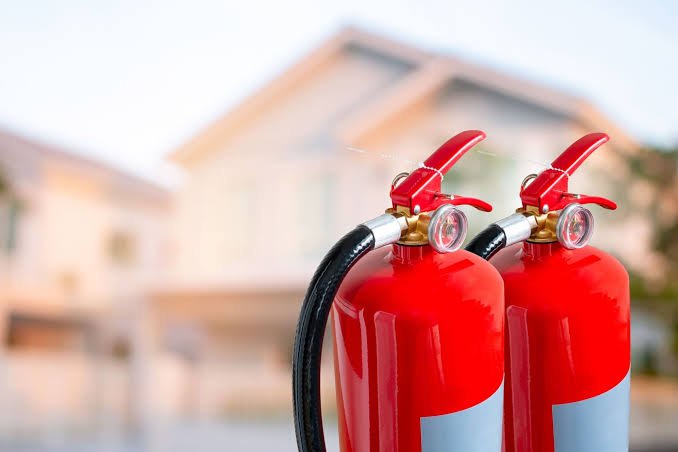
A safe home is not only about strong doors, secure windows, and reliable electrical appliances. It is also about being prepared for unexpected emergencies. Fire can start in a kitchen, bedroom, garage, store room, or electrical area and spread before residents have time to react. A few simple precautions, suitable safety equipment, and a clear emergency plan can help protect people and property.
Home fire safety does not always require a major financial investment. Installing smoke alarms, maintaining electrical wiring, keeping escape routes clear, and teaching family members what to do during a fire are practical steps that can make a meaningful difference.
In Pakistan, homes may use gas appliances, electrical heaters, extension boards, generators, and other equipment that require careful handling. Houses and apartments can also have different evacuation challenges, especially where there are multiple floors, narrow stairways, or shared corridors.
A fire alarm system in Pakistan can form part of a home’s wider fire protection arrangement. Depending on the property, this may involve standalone smoke alarms or a professionally designed automatic detection and alarm system.
This article explains how homeowners can improve fire safety through prevention, early warning, emergency planning, and regular maintenance.
1. Understand Why Home Fire Safety Matters
Fire safety is important because a household fire can threaten lives, damage belongings, and disrupt daily life. Smoke, heat, and toxic gases can make it difficult to escape, even when flames are not immediately visible.
Common causes of residential fires include:
- Cooking accidents
- Faulty electrical wiring
- Overloaded sockets and extension boards
- Gas leaks and unsafe appliance use
- Candles and open flames
- Heating equipment
- Improper storage of flammable materials
- Unattended generators or fuel containers
The risks vary from one household to another. A small apartment with limited exits has different safety considerations from a large house with several stairways.
The first step is to identify the likely hazards in your home and decide how to reduce them.
2. Install Smoke Alarms for Early Warning
Smoke alarms are an important part of home fire protection because they can alert residents when smoke is detected. Early warning is particularly important at night, when people may be asleep.
The US Fire Administration recommends smoke alarms inside bedrooms, outside separate sleeping areas, and on every level of a home. It also advises choosing interconnected alarms where possible, so that when one sounds, others sound as well.
Where Should Smoke Alarms Be Installed?
Consider placing alarms:
- Inside bedrooms
- Outside sleeping areas
- On each floor of the home
- In hallways leading to bedrooms
- In other locations recommended by the manufacturer or a qualified installer
Smoke alarms should generally be installed on the ceiling or high on a wall according to the manufacturer’s instructions.
Avoid placing them where cooking fumes or steam frequently cause nuisance alarms. For kitchens, a suitable heat alarm may be more appropriate, depending on the layout and product guidance.
Choose the Right Type
Smoke alarms may be battery-operated or connected to the home’s electrical supply, with backup power where provided.
When buying, check:
- The manufacturer’s instructions
- Applicable certification or product standards
- Battery and backup-power arrangements
- Alarm audibility
- Whether alarms can be interconnected
- The recommended replacement period
Do not remove batteries or disable alarms because of nuisance activations. Identify the cause and follow the manufacturer’s guidance.
3. Test and Maintain Your Smoke Alarms
Installing an alarm is not enough. It needs to remain functional.
Make alarm testing part of your household routine. Follow the manufacturer’s instructions for testing, cleaning, battery replacement, and eventual replacement of the device.
The US Fire Administration recommends testing smoke alarms monthly and replacing alarms ten years from their manufacture date. Specific maintenance instructions should always be checked for the model installed.
A simple maintenance routine can include:
- Press the test button according to the instructions.
- Check that the alarm sounds clearly.
- Replace batteries when required.
- Remove dust using the method recommended by the manufacturer.
- Check the device’s age and replacement date.
- Arrange repairs or replacement if the alarm fails.
If an alarm is connected to a larger fire alarm system, arrange any required inspection and testing through a qualified service provider.
4. Use a Fire Alarm System Appropriate for Your Home
Different homes require different levels of fire detection and warning.
A small residence may use properly positioned standalone smoke alarms. Larger homes, multi-storey properties, or buildings with more complex layouts may require a professionally designed system.
A fire alarm arrangement may include:
- Smoke detectors
- Heat detectors
- Manual call points, where appropriate
- Audible alarms
- Visual notification devices where needed
- A control panel for systems that use one
- Backup power
- Interconnected detection and notification
A fire alarm system in Pakistan should be selected according to the property’s layout, occupancy, hazards, and applicable building and fire safety requirements.
Why Professional Assessment Can Help
A qualified professional can assess where detectors should be located, how alarms should be connected, and whether additional equipment is necessary.
This is particularly relevant for larger homes, shared residential buildings, and properties with complicated escape routes.
The goal is not simply to install more devices. It is to provide suitable warning coverage and reliable operation.
5. Make Your Kitchen Safer
The kitchen contains several potential fire hazards, including cooking oil, gas appliances, electrical equipment, and combustible materials.
A few daily habits can reduce risks.
Never Leave Cooking Unattended
Stay near cooking food, especially when frying or using high heat. If you need to leave the kitchen, turn off the cooking appliance when safe to do so.
Keep Combustible Items Away from Heat
Keep cloths, paper towels, packaging, curtains, and other combustible materials away from burners and hot surfaces.
Handle Cooking Oil Carefully
Do not overfill pans with oil. Keep handles positioned to reduce the risk of accidental knocks.
If cooking oil catches fire:
- Do not pour water onto it.
- Turn off the heat only if you can do so safely.
- Do not attempt to carry the burning pan.
- Evacuate if the fire does not remain safely manageable.
- Contact emergency services.
A suitable fire blanket or cooking-oil-rated extinguisher may be appropriate for some kitchens, but only if residents understand its safe use and can act without putting themselves at risk.
Keep Children Away from Hot Appliances
Establish a safe distance around cooking areas. Teach children not to touch burners, hot pans, or electrical cooking appliances.
6. Check Electrical Wiring and Appliances
Electrical faults can cause fires, particularly when wiring is damaged, connections are loose, or electrical equipment is overloaded.
In Pakistan, households may use multiple appliances, fans, heaters, refrigerators, air conditioners, and other electrical devices. The electrical load and condition of the wiring should be suitable for the equipment being used.
Inspect Cords and Plugs
Look for:
- Frayed or cracked insulation
- Exposed wires
- Damaged plugs
- Loose socket connections
- Signs of overheating
- Burning smells or unusual sparks
Stop using damaged equipment and arrange repair or replacement by a qualified person.
Avoid Overloading Sockets
Do not connect too many high-power appliances to one socket or extension board. Use electrical equipment within its rated capacity.
Avoid running cords beneath carpets or rugs, where damage and heat may go unnoticed.
Use Qualified Electricians
Electrical installation, repairs, and upgrades should be handled by qualified electricians. Avoid makeshift wiring or improvised connections.
If a circuit repeatedly trips, a socket becomes hot, or a burning smell develops, investigate the problem safely rather than repeatedly resetting the circuit.
7. Use Gas Appliances Safely
Gas appliances require careful installation, ventilation, and maintenance.
Potential hazards include damaged hoses, faulty regulators, leaking connections, and poorly maintained appliances.
Basic Gas Safety Practices
- Have appliances installed and serviced by qualified technicians.
- Check hoses and connections according to professional guidance.
- Keep combustible materials away from flames.
- Ensure adequate ventilation where required.
- Turn off appliances when not in use.
- Keep children away from gas controls.
What to Do if You Suspect a Gas Leak
If you smell gas or suspect a leak:
- Do not light matches or use an open flame.
- Do not operate electrical switches or appliances in the affected area.
- Leave the area and keep others away.
- If the supply can be shut off safely without entering the hazardous area, do so.
- Contact the relevant gas emergency service or emergency responders from a safe location.
Do not return until the area has been declared safe by qualified personnel.
8. Store Flammable Materials Properly
Many homes contain materials that can help a fire start or spread, including cleaning products, paints, solvents, fuels, aerosols, and paper goods.
Store these items carefully.
Safe Storage Tips
- Keep flammable liquids away from flames, heat, and sparks.
- Follow product labels and storage instructions.
- Keep chemicals in their original, properly labelled containers where possible.
- Do not store fuel inside living areas.
- Keep matches and lighters out of children’s reach.
- Avoid accumulating unnecessary combustible waste.
- Keep storage areas tidy and accessible.
Never store materials in a way that blocks exits, stairways, or access to electrical equipment.
9. Keep Fire Extinguishers Suitable and Accessible
A portable fire extinguisher may help control certain small fires, but it must be appropriate for the hazard and used safely.
Different extinguishers are designed for different fire types. For example, an extinguisher suitable for ordinary combustible materials may not be appropriate for burning cooking oil or energized electrical equipment.
What to Check Before Buying
Consider:
- The fire hazards in your home
- The extinguisher’s fire classes and rating
- The type of extinguishing agent
- Its weight and ease of operation
- The manufacturer’s instructions
- Maintenance and refilling arrangements
Place equipment where it can be accessed without moving toward a fire. Keep it visible and make sure family members know where it is located.
Never attempt to fight a fire if it is spreading, producing heavy smoke, or blocking your escape. Evacuate and call for help.
10. Create a Home Fire Escape Plan
A fire escape plan helps everyone understand how to leave the home during an emergency.
The National Disaster Management Authority’s home fire escape guidance recommends drawing a floor plan showing doors, windows, primary and alternate exits, emergency contact information, an outdoor meeting place, and the location of smoke detectors. It also advises practicing the plan regularly.
Identify Two Ways Out
For each room, consider the primary exit and an alternative route where possible.
Make sure doors and windows can be opened from inside. Keep keys accessible and avoid locking escape routes in ways that prevent a quick exit.
Choose a Meeting Point
Select a safe outdoor location away from the building, such as a designated spot in the yard or another agreed location.
Everyone should know where to meet after evacuating.
Assign Responsibilities
Households can agree in advance who will:
- Help young children, if it is safe to do so
- Assist older family members or anyone needing support
- Call emergency services
- Check that everyone has reached the meeting point
Do not delay evacuation to collect belongings or search for valuables.
11. Practice Fire Drills with Your Family
A plan is more useful when everyone knows how to follow it.
Practice leaving the home using the primary route and discuss the alternative route. Include children and household members who may need assistance.
During a practice drill:
- Explain what the alarm sounds like.
- Identify the nearest safe exit.
- Practice leaving without collecting belongings.
- Go to the outdoor meeting point.
- Confirm that everyone is accounted for.
- Discuss any blocked routes or difficulties.
The NDMA guidance emphasizes regular drills and making special arrangements for children, older people, and people with disabilities.
Review the plan when the home layout changes, new family members arrive, or an exit becomes unavailable.
12. Understand What to Do During a Fire
Knowing how to respond can reduce confusion during an emergency.
If You Discover a Fire
- Raise the alarm or alert others immediately.
- Leave the building using a safe exit.
- Stay low if you encounter smoke.
- Close doors behind you if it is safe to do so.
- Do not use elevators during a fire unless emergency responders direct otherwise.
- Call the local fire service or emergency number from a safe location.
- Do not re-enter the building until authorities say it is safe.
If smoke or fire blocks your planned route, use an alternative safe exit. Do not enter a smoke-filled corridor to reach a route that may be inaccessible.
If You Cannot Escape
Move away from the immediate danger if possible, close doors between yourself and the fire, and contact emergency services. Tell them your exact location and whether anyone else is trapped.
Follow instructions from emergency responders.
13. Consider the Needs of Every Household Member
A home fire plan should account for everyone who lives in the property.
Children
Teach children to recognize the alarm sound, leave immediately, and go to the meeting point. Explain that they should not hide during a fire or return inside for toys.
Older Adults
Consider mobility limitations, medication storage, hearing difficulties, and the time required to reach an exit.
People with Disabilities
Plan for any assistance, communication methods, or equipment that may be required. A person who cannot hear a standard alarm may need an appropriate visual or vibrating alert device.
Visitors and Domestic Staff
Explain the nearest exits and meeting point to people who may not be familiar with the home.
14. Maintain Escape Routes and Emergency Equipment
An escape route must remain usable every day—not just during a drill.
Keep corridors, stairways, doors, and windows free from unnecessary obstructions.
Avoid storing boxes, furniture, bicycles, or other belongings in escape paths. Make sure doors and windows can be opened as intended.
Check that:
- Exit doors are accessible.
- Stairways are not blocked.
- Emergency equipment is visible.
- Smoke alarms remain functional.
- Extinguishers are accessible and serviceable.
- Outdoor meeting areas remain safe and easy to reach.
Pakistan’s Civil Defence guidance also highlights the importance of maintaining fire safety equipment and keeping exit routes unobstructed.
15. Make Fire Safety Part of Your Household Routine
Fire safety becomes easier when it is included in ordinary home maintenance.
You can establish a simple routine:
Weekly
- Keep cooking areas tidy.
- Store matches and lighters safely.
- Avoid leaving candles or open flames unattended.
- Keep exits clear.
Monthly
- Test smoke alarms according to the manufacturer’s instructions.
- Check for visible damage to electrical cords and plugs.
- Make sure extinguishers remain accessible.
- Review any changes to the home’s escape routes.
Periodically
- Arrange electrical and gas appliance inspections as needed.
- Check extinguisher service dates.
- Review the escape plan with the household.
- Replace expired or damaged equipment.
- Arrange professional inspection of installed fire alarm systems when required.
The exact schedule should follow equipment instructions, professional advice, and applicable requirements.
16. Understand the Cost of Prevention
The cost of home fire safety varies according to the property’s size, layout, existing equipment, and hazards.
Some measures require little or no spending, such as keeping exits clear, avoiding overloaded sockets, and practicing an escape plan.
Other measures may involve purchasing smoke alarms, suitable extinguishers, emergency lighting, or professionally installed detection systems.
A practical approach is to identify hazards first and prioritize measures that address them. Do not buy equipment simply because it is available; confirm that it is suitable for your home.
For households considering a fire alarm system in Pakistan, compare products and installation proposals according to detection coverage, reliability, maintenance requirements, and the home’s specific needs—not just the initial price.
Conclusion
Home fire safety is built through a combination of prevention, early warning, preparation, and maintenance. Small actions—such as testing smoke alarms, checking electrical equipment, storing flammable materials properly, and keeping exits clear—can help reduce household fire risks.
Every family should understand how to respond when an alarm sounds, where to evacuate, and where to meet outside. A suitable fire alarm system, properly selected extinguishers, and a practiced escape plan can form part of a coordinated home safety arrangement.
In Pakistan, the right measures depend on the home’s design, appliances, occupants, and applicable fire safety requirements. Larger or more complex properties may benefit from professional assessment and installation.
The key is to make fire safety a regular household responsibility rather than something considered only after an emergency.
For more information about fire protection products and systems, visit Flame Defender.
Frequently Asked Questions (FAQs)
1. What is the first step in improving home fire safety?
Start by identifying possible fire hazards, including cooking equipment, electrical wiring, gas appliances, heating devices, and stored flammable materials. Then install and maintain suitable smoke alarms and prepare an escape plan.
2. Where should smoke alarms be installed in a home?
Common recommended locations include inside bedrooms, outside sleeping areas, and on every level of the home. Follow the alarm manufacturer’s instructions and consider professional advice for complex layouts.
3. How often should I test my smoke alarms?
Follow the manufacturer’s instructions. The US Fire Administration recommends testing smoke alarms monthly and checking batteries and replacement dates regularly.
4. Should every home have a fire extinguisher?
A suitable portable extinguisher may be useful, but the right type depends on the home’s hazards. It should be accessible, maintained, and used only when the fire is small and conditions allow safe operation. Evacuate if there is any doubt.
5. What should my family do if a fire starts at home?
Alert everyone, leave using a safe exit, stay low if there is smoke, and call emergency services from a safe location. Go to the agreed outdoor meeting point and do not re-enter until emergency responders say it is safe.