
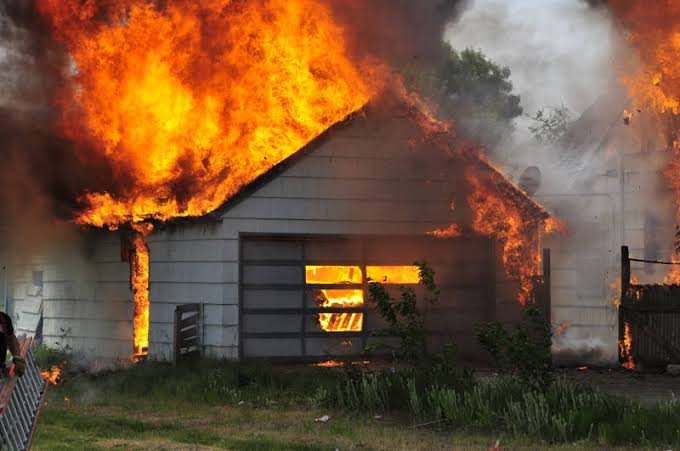
A garage is often considered a safe place to park a vehicle, store household belongings, and keep tools or equipment. However, garages can contain several potential fire hazards, including petrol, paints, electrical appliances, batteries, generators, and combustible materials. When these hazards are not managed properly, a small incident can develop into a serious fire.
Garage fire safety is an important part of protecting a home, particularly when the garage is attached to the house or located close to bedrooms and other occupied spaces. A fire that starts in a garage can threaten vehicles, damage the building, and create dangerous conditions for everyone inside.
In Pakistan, garages may serve multiple purposes. Some households use them for vehicle parking, workshops, storage, or backup power equipment. These different activities can introduce additional fire risks that require attention.
Understanding garage fire safety does not mean investing in complicated equipment immediately. It begins with identifying hazards, maintaining electrical installations, storing flammable materials safely, and ensuring that occupants know how to respond during an emergency.
A suitable fire detection arrangement, appropriate firefighting equipment, and a clear evacuation plan can contribute to a more comprehensive safety strategy.
This guide explains the importance of garage fire safety, common causes of garage fires, preventive measures, fire detection options, and practical maintenance tips for homeowners in Pakistan.
1. Why Is Garage Fire Safety Important?
Garages can contain a combination of ignition sources and combustible materials that may not be present together in other areas of a home.
Vehicles contain fuel, lubricants, electrical components, and other materials that require careful handling. Garages may also contain cardboard boxes, wooden furniture, cleaning products, paints, and power tools.
According to the U.S. Fire Administration, garage fires can spread farther and cause more injuries and property losses than fires beginning in other areas of the home.
This makes garage safety an important consideration for residential fire prevention.
Protecting Family Members
An attached garage may share walls, ceilings, doors, or other structural elements with the living area.
If a fire develops in the garage, smoke and heat can threaten people in nearby rooms. Family members may also be sleeping when a fire begins, making early warning particularly important.
Protecting Vehicles and Property
Vehicles, tools, electrical equipment, and stored belongings can represent substantial financial investments.
A garage fire may damage the vehicle itself and spread to nearby property or the main building.
Regular maintenance and careful storage can help reduce avoidable risks.
Reducing Disruption
A serious fire can make a home temporarily unsafe and interrupt normal family activities.
Preventive measures can help reduce the likelihood of an incident and improve preparedness if an emergency occurs.
2. Common Causes of Garage Fires
Understanding common ignition sources is the first step toward preventing garage fires.
Electrical Faults
Garages often contain power tools, lighting, chargers, freezers, water pumps, and other electrical equipment.
Damaged wiring, unsuitable extension cords, overloaded sockets, and faulty appliances can create overheating or ignition hazards.
Look for visible warning signs such as:
- Damaged electrical cables.
- Loose plugs or sockets.
- Burn marks near outlets.
- Unusual burning smells.
- Repeated circuit breaker trips.
- Electrical equipment becoming excessively hot.
If any of these signs appear, stop using the affected equipment and arrange an inspection by a qualified electrician.
Flammable Liquids
Petrol, paints, solvents, oils, and some cleaning products may be stored in garages.
These materials can create additional hazards if containers leak, vapors accumulate, or the products are placed near ignition sources.
Always follow product labels and applicable storage requirements.
Vehicle-Related Fires
Vehicles contain electrical systems, fuel, lubricants, and hot components.
Mechanical or electrical defects, fuel leaks, and damaged components may contribute to fire risks.
Vehicles should receive appropriate maintenance, and suspected fuel or electrical problems should be assessed by a qualified mechanic.
Battery Charging
Garages may be used to charge power tools, household batteries, electric bicycles, or other rechargeable equipment.
Damaged batteries, unsuitable chargers, and incorrect charging practices can create fire hazards.
Use chargers recommended by the equipment manufacturer, inspect batteries for visible damage, and avoid charging equipment on combustible surfaces or near flammable materials.
3. Keep Your Garage Clean and Organized
Good housekeeping is one of the simplest ways to improve garage fire safety.
A cluttered garage can make it easier for fire to spread and more difficult for occupants to reach exits or safety equipment.
Remove Unnecessary Combustible Materials
Cardboard boxes, paper, old clothing, wooden furniture, and other combustible items should be stored carefully.
Avoid accumulating large quantities of unnecessary materials, especially near electrical equipment, heaters, or vehicle engines.
Keep Walkways Clear
Garage doors, internal doors, and routes leading to the house should remain accessible.
Do not allow stored items to block emergency exits, electrical panels, or firefighting equipment.
Organize Storage Shelves
Use stable shelves and suitable containers for household supplies.
Keep materials that can burn away from equipment that produces heat or sparks.
A tidy garage is easier to inspect and maintain.
4. Store Petrol and Other Flammable Materials Safely
Flammable liquids require special attention because their vapors may ignite when exposed to an ignition source.
Petrol is particularly hazardous because it produces flammable vapors.
Avoid Unnecessary Fuel Storage
Do not store extra petrol in ordinary household containers.
Where fuel storage is permitted and necessary, use approved containers and follow local regulations, product instructions, and fire safety guidance.
Keep fuel away from living spaces, ignition sources, and unsuitable storage areas.
Keep Containers Secure
Inspect containers for visible damage, leakage, or deterioration.
Keep lids properly closed and follow the manufacturer’s storage instructions.
Do not transfer petrol into beverage bottles or other containers not designed for fuel.
Store Paints and Solvents Carefully
Paints, varnishes, adhesives, and solvents may have different storage requirements.
Read the product labels and follow their instructions regarding temperature, ventilation, and separation from ignition sources.
Do not store incompatible products together without checking the relevant safety information.
5. Maintain Electrical Safety in the Garage
Electrical safety is especially important in garages that contain power tools, chargers, freezers, pumps, or other high-power equipment.
Inspect Electrical Cords and Plugs
Check visible cables for cuts, exposed conductors, damaged insulation, or loose connections.
Do not continue using damaged equipment.
Keep electrical cables away from sharp edges, vehicle tires, and areas where they may be crushed.
Avoid Overloaded Extension Boards
Do not connect several high-power appliances to an unsuitable extension board.
Equipment should be connected according to its power requirements and manufacturer’s instructions.
Avoid using extension cords as permanent substitutes for properly installed outlets.
Protect Electrical Equipment From Moisture
Garages may become damp because of rainwater, washing, leaks, or condensation.
Water and electricity can create serious shock and fire hazards.
Use electrical equipment suitable for the environment and arrange professional inspection if water has affected sockets, wiring, or appliances.
Arrange Professional Inspections
A qualified electrician can assess wiring, circuit protection, grounding, and electrical connections.
Do not attempt to repair live electrical installations yourself.
6. Install Suitable Fire Detection Equipment
Fire detection equipment can provide an early warning when a fire-related condition is detected.
This warning can help occupants recognize danger and begin evacuation.
However, the correct detection equipment depends on the environment in which it will operate.
Smoke Alarms and Garage Conditions
Smoke alarms are important in residential areas, particularly near sleeping spaces and on different levels of a home.
However, a typical smoke alarm may not be suitable for direct installation inside a garage.
Vehicle exhaust, dust, changing humidity, and temperature variations can contribute to nuisance alarms or affect the device’s suitability.
The U.S. Fire Administration recommends considering a heat alarm rather than an ordinary smoke alarm for a garage.
Heat Alarms
A heat alarm detects a temperature condition rather than smoke.
It may be suitable for garages where ordinary smoke alarms could be affected by environmental conditions.
The correct device and location depend on the garage’s layout, temperature range, and applicable installation requirements.
Heat alarms should be selected and installed according to their manufacturer’s instructions.
Interconnected Detection Systems
In some homes, a garage heat alarm can be interconnected with smoke alarms inside the residence.
This arrangement may allow an alarm detected in the garage to alert people elsewhere in the home.
The design should be appropriate for the property and installed by a qualified professional where required.
Choosing a Fire Alarm System in Pakistan
When considering a fire alarm system in Pakistan, homeowners should evaluate the size of the property, whether the garage is attached, the type of activities taking place, and the environmental conditions.
A simple garage may require a different detection arrangement from a large workshop or shared parking facility.
A qualified fire safety professional can help determine suitable detection equipment and placement.
For information about fire safety equipment and related services, visit Flame Defender .
7. Separate the Garage From the Living Area
An attached garage can create a pathway through which fire and smoke may threaten the home.
Suitable separation between the garage and living areas is therefore an important consideration.
Check the Connecting Door
The door between a garage and a house should be appropriate for its intended fire separation function.
Depending on the applicable building requirements, it may need specific fire-resistance characteristics and self-closing or self-latching features.
The U.S. Fire Administration recommends a fire-rated, self-closing, self-latching door between an attached garage and the home.
Pakistan’s published fire safety provisions also address fire-resisting construction and self-closing doors for certain enclosed private dwelling garages. The precise requirements depend on the applicable provisions and property.
Inspect Walls and Ceilings
Check for visible damage, unsealed openings, or alterations in walls and ceilings separating the garage from occupied rooms.
Do not make changes that could compromise the intended fire separation.
A qualified building professional can assess the construction and determine whether repairs or improvements are needed.
Avoid Leaving the Connecting Door Open
Keep the garage-to-house door closed when it is not being used.
A closed door can help maintain separation between the spaces, although its actual protection depends on its construction and condition.
8. Keep Heating Equipment and Ignition Sources Away From Hazards
Garages may contain heaters, generators, welding equipment, or other devices capable of producing heat or sparks.
These appliances should be used only in suitable locations and according to their instructions.
Maintain Safe Clearances
Keep combustible materials away from heaters, hot surfaces, and equipment that can produce sparks.
Follow the manufacturer’s required clearances.
Do not store cardboard, fabric, or flammable liquids directly beside heating equipment.
Use Fuel-Burning Equipment Correctly
Fuel-burning appliances require appropriate installation and ventilation.
Never operate a portable fuel-powered generator inside a garage, even if the garage door is open.
Generators produce carbon monoxide, a poisonous gas that cannot be detected by smell or sight.
Operate portable generators outdoors in accordance with the manufacturer’s instructions, away from doors, windows, and ventilation openings.
Handle Hot Work Carefully
If welding, grinding, or other spark-producing work is carried out in a garage, it requires appropriate precautions.
Remove combustible materials from the work area and use suitable protective arrangements.
Such work may require trained personnel, specific equipment, and additional controls.
9. Maintain Vehicles and Garage Equipment
Vehicle maintenance is an important part of garage fire prevention.
A vehicle that develops a fuel leak, electrical fault, or mechanical defect may introduce hazards into the garage.
Watch for Fuel Leaks
If you notice a strong fuel smell, visible leakage, or another sign of a possible fuel system problem, avoid starting the vehicle.
Keep ignition sources away and arrange professional inspection.
If a significant leak or immediate danger is suspected, leave the area and contact emergency services.
Maintain Vehicle Electrical Systems
Damaged wiring, defective batteries, and unsuitable electrical modifications may create hazards.
Have electrical problems assessed by a qualified mechanic.
Avoid improvised wiring or unauthorized modifications to vehicle electrical systems.
Inspect Power Tools
Power tools should be maintained according to their instructions.
Check cables, switches, batteries, and housings for damage.
Remove defective equipment from service until it has been repaired or replaced.
10. Choose and Maintain Appropriate Fire Extinguishers
A suitable fire extinguisher can help control certain small fires when used correctly.
However, a garage may contain several types of fire hazards, and no single extinguisher should be assumed suitable for every situation.
Understand Fire Types
Different extinguishing agents are designed for different fire hazards.
For example:
- Wood, paper, and cardboard require equipment suitable for ordinary combustible materials.
- Petrol and other flammable liquids require an extinguisher rated for those hazards.
- Energized electrical equipment requires a suitable nonconductive extinguishing agent.
- Burning cooking oils require equipment specifically designed for that purpose.
A qualified fire safety professional can recommend equipment based on the garage’s contents and activities.
Inspect Fire Extinguishers
Check that the extinguisher is accessible, visibly undamaged, and maintained according to its instructions.
Review its service information and pressure indicator, where fitted.
Do not use equipment that appears damaged, discharged, or outside its required service period.
Use Extinguishers Only When Safe
Only attempt to extinguish a small fire if you have the correct equipment, know how to use it, and have a clear escape route.
Never allow an extinguisher attempt to delay evacuation.
If a fire is spreading, smoke is heavy, or the exit is threatened, leave immediately.
11. Prepare a Garage Fire Emergency Plan
A garage fire can develop quickly, so family members should understand how to respond.
An emergency plan should explain how to leave the building, where to meet, and how to contact emergency services.
Identify Escape Routes
Determine how people can leave the garage and the main home safely.
Keep doors and walkways clear.
If the garage has an internal door leading into the house, make sure family members understand whether that route is safe to use during an emergency.
Never assume that a route through a burning or smoke-filled garage will remain passable.
Establish a Meeting Point
Choose an outdoor meeting point a safe distance from the building.
Everyone should know where to gather after leaving.
This helps family members account for one another without re-entering the property.
Teach Children What to Do
Children should know how to recognize an alarm and leave the building promptly.
Teach them not to hide during a fire and not to return inside to retrieve toys or other belongings.
Practise the Plan
Review the escape plan regularly and after changes to the home’s layout.
Practise reaching the outdoor meeting point.
Make sure visitors and household members who may need assistance understand the arrangements.
12. Maintain Garage Doors, Exits, and Access Routes
Garage doors and pedestrian exits should be kept in good working condition.
A malfunctioning door may create difficulties during an emergency.
Check Door Operation
Inspect garage doors for visible damage and follow the manufacturer’s maintenance instructions.
Keep the area around doors clear of stored materials.
Do not rely on an automatic vehicle door as the only possible means of escape.
Keep Pedestrian Exits Accessible
If a separate pedestrian exit is provided, ensure that it can be opened as intended.
Check that locks and latches do not prevent safe emergency escape.
Maintain Access for Emergency Responders
Avoid blocking the garage entrance with stored materials, vehicles, or equipment.
Clear access can help emergency responders reach the property when needed.
13. Garage Fire Safety for Apartment Buildings and Shared Parking Areas
Not all garages are private spaces.
Apartment buildings, residential complexes, and shared parking facilities may have common garages or enclosed parking areas.
These locations can present additional challenges because several vehicles and occupants may use the same space.
Keep Shared Areas Clear
Do not store household belongings in designated escape routes or areas needed for emergency access.
Follow the building’s rules for vehicle parking, fuel storage, and use of electrical equipment.
Understand Building Fire Protection Systems
Shared parking areas may have fire detection, alarm, ventilation, or suppression systems.
Residents should understand the building’s emergency procedures and report visible damage or faults to the responsible management.
Follow Applicable Requirements
Building requirements may vary according to the property’s classification, size, occupancy, and local regulations.
The Building Code of Pakistan contains fire safety provisions addressing different types of buildings and fire protection arrangements. Homeowners and building managers should confirm which provisions apply to their property.
14. Conduct Regular Garage Fire Safety Inspections
Regular inspections help identify changes in the garage that could introduce new hazards.
A simple visual inspection can be part of routine household maintenance.
Monthly Visual Checks
Review the following:
- Electrical cords and accessible outlets.
- Storage of flammable materials.
- Condition of doors and escape routes.
- Fire extinguisher accessibility.
- Visible damage to tools and appliances.
- Signs of fuel leakage or unusual odors.
- Smoke and heat alarm condition, following the manufacturer’s instructions.
Seasonal Checks
Before winter, inspect heating equipment and review generator arrangements.
Before periods of heavy vehicle or equipment use, check for visible maintenance issues.
Professional Inspections
Arrange qualified inspections when technical equipment, electrical systems, gas appliances, or building fire separation requires assessment.
Keep records of repairs, servicing, and equipment replacement.
15. A Practical Garage Fire Safety Checklist
Use this checklist to organize a basic review of your garage.
- Electrical cords and visible wiring appear undamaged.
- Extension boards are not overloaded.
- Flammable liquids are stored appropriately.
- Combustible materials are kept away from ignition sources.
- Vehicle fuel leaks and electrical defects are addressed.
- Batteries and chargers are used according to instructions.
- Heating equipment is installed and used safely.
- Portable generators are operated outdoors.
- Suitable fire detection equipment is installed where appropriate.
- Fire extinguishers are accessible and maintained.
- The connecting door and separation from the home are maintained.
- Garage exits and walkways are clear.
- Family members understand the evacuation plan.
If an item cannot be checked, record the issue and arrange appropriate corrective action.
This checklist is a starting point for household fire prevention, not a professional certification or proof of legal compliance.
16. Common Garage Fire Safety Mistakes to Avoid
Even careful homeowners can overlook hazards when a garage is used for several purposes.
Using the Garage as a General Storage Area
Excessive storage can block exits and place combustible materials close to ignition sources.
Keep only necessary belongings and organize them appropriately.
Ignoring Small Electrical Problems
Damaged cables, loose outlets, and unusual burning smells may indicate electrical problems that require attention.
Do not continue using faulty equipment.
Storing Petrol in Unsuitable Containers
Fuel should never be stored in beverage bottles or other containers not designed for it.
Follow applicable storage requirements and product instructions.
Assuming a Smoke Alarm Is Suitable for Every Garage
Garage conditions may make a typical smoke alarm unsuitable. Heat detection may be more appropriate, depending on the property and applicable requirements.
Delaying Evacuation
Trying to save a vehicle or retrieve belongings can expose people to smoke, flames, and rapidly changing conditions.
Personal safety must come first.
Conclusion
Garage fire safety is an essential part of protecting homes, vehicles, and family members. Garages can contain electrical equipment, flammable liquids, batteries, tools, and combustible materials that require careful handling.
Regular inspections, safe storage practices, electrical maintenance, and appropriate fire detection can help reduce avoidable hazards.
For attached garages, maintaining suitable separation from the living area and keeping escape routes accessible are particularly important.
Homeowners in Pakistan should also consider the specific risks associated with their garage, including fuel storage, vehicle maintenance, backup power equipment, and the type of activities carried out there.
A suitable fire alarm system, properly maintained extinguishers, and a clear emergency plan can contribute to a more comprehensive approach to fire protection.
The most important step is to recognize garage hazards before an emergency occurs and take practical action to address them.
Frequently Asked Questions (FAQs)
1. What Are the Most Common Causes of Garage Fires?
Common causes include electrical faults, flammable liquids, vehicle-related defects, damaged power tools, battery charging problems, and unsafe use of heating equipment.
2. Should I Install a Smoke Alarm Inside My Garage?
A typical smoke alarm may not be suitable for direct installation inside a garage because of dust, vehicle exhaust, and changing environmental conditions. A heat alarm may be more appropriate, depending on the garage and the manufacturer’s instructions. Smoke alarms should still be provided in suitable locations throughout the home.
3. How Can I Reduce Fire Risks in My Garage?
Keep the garage clean, store flammable materials appropriately, inspect electrical equipment, maintain vehicles, keep combustible materials away from heat sources, and ensure that exits remain clear.
4. Can I Operate a Generator Inside My Garage?
No. A portable fuel-powered generator must never be operated inside a garage, even when the door is open. Its exhaust contains poisonous carbon monoxide. Operate it outdoors according to the manufacturer’s safety instructions.
5. What Should I Do If a Fire Starts in My Garage?
Alert everyone, leave the building using a safe route, and call emergency services from a safe location. Do not attempt to retrieve vehicles or belongings. Never re-enter the garage until emergency responders have declared it safe.