
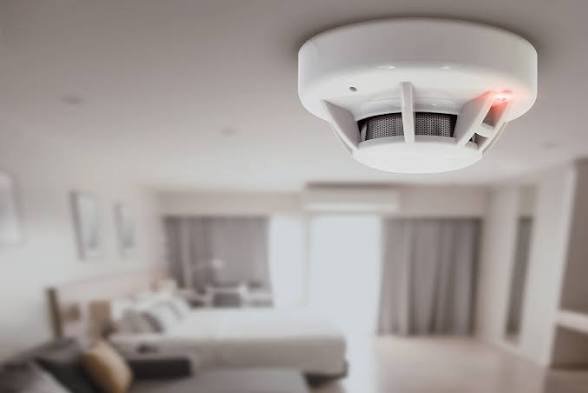
A home is supposed to be a place where people feel safe. Yet many households rarely think about fire safety until an emergency occurs. Electrical faults, overloaded sockets, kitchen accidents, gas leaks, heating equipment, and unattended appliances can all create fire hazards. In many cases, the problem is not the absence of safety equipment but the fact that no one has checked whether that equipment is suitable, accessible, and working correctly.
This is where a fire safety audit can make a meaningful difference.
A home fire safety audit is a systematic review of the property to identify potential fire hazards and determine whether the household has appropriate detection, warning, escape, and firefighting measures. It does not necessarily require a complicated inspection. Even a basic review can reveal blocked exits, expired extinguishers, poorly positioned smoke detectors, damaged electrical wiring, or unsafe storage practices.
For homeowners in Pakistan, reviewing fire safety is particularly relevant as homes increasingly contain electrical appliances, backup power systems, air conditioners, cooking equipment, generators, batteries, and other potential ignition sources.
What Is a Home Fire Safety Audit?
A fire safety audit is essentially a structured check of the conditions that could contribute to a fire and the measures available to detect and respond to one.
For a home, the process may include checking:
- Electrical wiring and outlets
- Kitchen appliances and cooking areas
- Gas connections and cylinders
- Smoke and heat detectors
- Fire alarms
- Fire extinguishers
- Emergency exits and escape routes
- Stairways and doors
- Emergency lighting where appropriate
- Storage of combustible materials
- Generator and fuel storage areas
- Heating and cooling equipment
- Household fire emergency procedures
The objective is not simply to find equipment. It is to determine whether the household can detect a fire early, alert occupants, escape safely, and respond appropriately.
For larger residential buildings, apartment complexes, and other buildings covered by local regulations, formal safety requirements may be more extensive. For example, Punjab’s Community Safety Buildings Regulations address measures including automatic fire detection and alarm systems, manual alarm points, extinguishers, sprinklers, hydrant systems, emergency exits, and evacuation arrangements.
Why Should Homeowners Carry Out Fire Safety Audits?
Many fire hazards develop gradually. A cable may become damaged, an electrical outlet may begin overheating, an extinguisher may lose pressure, or a smoke detector battery may become depleted.
Because these problems are easy to overlook during everyday life, periodic inspections are useful.
A fire safety audit can help homeowners answer important questions:
- Can everyone in the house hear the alarm?
- Are smoke detectors installed in appropriate locations?
- Can family members reach an exit quickly?
- Are escape routes free from furniture and clutter?
- Does the fire extinguisher remain accessible?
- Does everyone know how to respond if the alarm sounds?
- Are electrical appliances and extension leads being used safely?
- Are combustible materials stored away from heat sources?
- Is there a clear meeting point outside the home?
These questions are simple, but they can expose weaknesses in a household’s emergency preparedness.
Check Your Electrical System
Electrical equipment is an important part of modern homes. Refrigerators, televisions, computers, air conditioners, water heaters, washing machines, microwaves, fans, pumps, chargers, and other appliances can place considerable demand on electrical circuits.
During a home audit, look for visible signs of electrical problems, including:
- Frayed or damaged cables
- Loose plugs
- Burn marks around sockets
- Discoloured switches
- Sparking outlets
- Frequently tripping circuit breakers
- Excessive use of extension boards
- Extension cords running under carpets or rugs
- Multiple high-power appliances connected to one outlet
If an electrical component repeatedly overheats, trips, sparks, or shows signs of damage, it should not simply be ignored. A qualified electrician should assess the problem.
It is also important to avoid makeshift electrical repairs. Temporary solutions can create additional risks, particularly when high-load appliances are involved.
Pay Particular Attention to the Kitchen
The kitchen is one of the areas where several potential fire hazards can exist together. Cooking appliances, electrical equipment, cooking oils, gas supplies, and combustible materials may all be present in a relatively small space.
A kitchen safety inspection should consider:
- Whether cooking appliances are clean and maintained
- Whether flammable materials are kept away from burners
- Whether electrical appliances are positioned safely
- Whether gas connections are in good condition
- Whether cylinders, where used, are stored appropriately
- Whether ventilation is adequate
- Whether an appropriate extinguisher is available
- Whether family members know what to do if cooking oil catches fire
A particularly important point is that water should not be used on a cooking-oil fire. The safest response depends on the type and circumstances of the fire, and occupants should prioritize getting away safely and calling emergency services when necessary.
Inspect Your Smoke Detection and Alarm Equipment
Early detection can provide valuable time for occupants to react and leave the building.
A fire alarm system in Pakistan may range from simple smoke detection equipment in a residence to sophisticated addressable systems in larger buildings. The appropriate setup depends on factors such as building size, occupancy, layout, risk profile, and applicable standards.
For a typical home, smoke detectors should be installed in suitable locations and tested periodically according to the manufacturer’s instructions.
During an audit, check whether:
- Detectors are physically intact.
- Batteries are installed and functioning.
- Test functions work correctly.
- Alarm sounds can be heard from sleeping areas.
- Detectors are not covered, painted over, or obstructed.
- Dust and other contamination are not interfering with the equipment.
- Devices are replaced when they reach the manufacturer’s recommended service life.
Professional systems can include smoke detectors, heat detectors, manual call points, notification devices, control panels, and other components. Flame Defender, for example, provides conventional, addressable, wireless, and other fire detection solutions for residential, commercial, and industrial applications in Pakistan.
What Does a Fire Alarm System Actually Do?
A fire alarm system is designed to detect indications of fire and warn people so they can respond.
Depending on the system, detection may involve:
- Smoke
- Heat
- Flame
- Other indicators detected by specialized equipment
When a detector identifies a potentially dangerous condition, the system can activate audible and/or visual notification devices.
More advanced systems may identify the location of the activated detector through a control panel. This can be particularly useful in larger buildings where quickly locating the affected area matters.
The important point is that an alarm is not a substitute for evacuation planning or fire prevention. It is one part of a broader fire safety strategy.
Examine Fire Extinguishers
A fire extinguisher can be useful for dealing with a small, manageable fire when the person using it has been trained and there is a safe escape route behind them.
During an audit, check:
- Whether the extinguisher is accessible
- Whether it is mounted or stored correctly
- Whether the pressure indicator is within the appropriate range, where applicable
- Whether the safety pin and seal are intact
- Whether there are visible signs of damage or corrosion
- Whether servicing is up to date
- Whether the extinguisher is suitable for the hazards present
Different extinguishers are designed for different classes of fire. Choosing the wrong extinguisher can be ineffective or dangerous.
For larger buildings in Punjab, official regulations specify requirements concerning the number, type, condition, and placement of extinguishers according to the applicable building requirements.
Homeowners should therefore avoid assuming that one generic extinguisher automatically provides adequate protection for every risk.
Keep Escape Routes Clear
A fire can make familiar surroundings difficult to navigate, particularly because smoke can reduce visibility and create dangerous conditions.
Walk through your home and identify at least two possible ways out where practical.
Check that:
- Doors can be opened quickly.
- Stairways are not blocked.
- Hallways are free of unnecessary storage.
- Keys required for exits are readily accessible.
- Security arrangements do not prevent occupants from leaving during an emergency.
- Windows intended as emergency escape routes can be opened where appropriate.
- Children and older family members can reach a safe exit.
For multi-storey homes, stairs deserve particular attention. Do not use elevators during a fire unless emergency authorities specifically direct otherwise.
Create a Family Fire Escape Plan
Fire safety equipment works best when people know what to do.
A household fire escape plan should identify:
- Primary exit routes.
- Alternative exit routes.
- A safe meeting point outside.
- Emergency contact procedures.
- Responsibilities for assisting children or people who may need help.
- How to alert other household members.
Families should practice the plan periodically.
Children should learn that when an alarm sounds, they should not hide or return for toys or possessions. They should follow the agreed escape route and meet the family at the designated location.
Don’t Forget About Bedrooms
Bedrooms deserve special consideration because fires can occur while occupants are asleep.
Smoke detection is particularly important in sleeping areas and on routes leading to them.
During an audit, check whether alarms can be heard clearly from bedrooms. A detector located somewhere else in the house may not provide sufficient warning if its alarm cannot be heard while doors are closed.
Night-time preparation is also important. Keep exits accessible and avoid placing objects in hallways or stairways that could become obstacles during an emergency.
Inspect Backup Power Equipment
Backup power is common in many Pakistani homes and may include generators, UPS systems, batteries, and solar installations.
These systems should be included in a home fire safety inspection.
Check for:
- Damaged cables
- Poor ventilation
- Improper battery installation
- Excessive heat
- Fuel stored too close to ignition sources
- Unapproved electrical connections
- Overloaded circuits
- Inadequate maintenance
Fuel should be stored and handled according to applicable safety requirements, and generators should never be operated in enclosed spaces because of the risk of carbon monoxide and other hazards.
Where electrical installations are complex, professional assessment is preferable to attempting repairs without appropriate knowledge.
Consider Professional Fire Safety Audits
A household can perform a basic safety review, but a professional inspection can identify issues that may not be obvious to an untrained person.
Professional fire safety services may include:
- Risk assessment
- Site inspection
- Fire alarm testing
- Detector inspection
- Extinguisher inspection
- System maintenance
- Emergency planning
- Documentation
- Recommendations for upgrades
For buildings with formal regulatory obligations, documentation can also be important. Punjab Emergency Service provides building safety resources, including a building safety checklist and application information under the Punjab Community Safety Act and related regulations.
How Often Should a Home Be Audited?
There is no single interval that applies to every property.
The appropriate frequency depends on factors such as:
- Building type
- Number of occupants
- Age of electrical installations
- Presence of gas appliances
- Cooking arrangements
- Backup power systems
- Fire protection equipment
- Previous incidents
- Renovations or structural changes
In addition to periodic reviews, homeowners should conduct another inspection whenever significant changes are made to the property.
For example, adding a new kitchen, converting a room into a bedroom, installing a generator, changing electrical wiring, or renovating a floor may change the property’s fire risks.
Fire alarm and suppression equipment should also be professionally maintained according to the equipment manufacturer’s requirements and applicable standards.
Common Fire Safety Mistakes at Home
Some fire safety problems are surprisingly simple.
Blocking exits
Furniture, boxes, shoes, bicycles, and other belongings can gradually accumulate near exits and stairways.
Ignoring damaged wiring
A cable that appears slightly damaged can become a serious problem if it continues to deteriorate.
Removing detector batteries
Repeated false alarms can tempt people to remove batteries instead of investigating the cause. This leaves the property without an important warning mechanism.
Keeping extinguishers out of reach
An extinguisher stored behind boxes or inside a locked room may be difficult to access during an emergency.
Using unsuitable extension cords
Extension boards and cords should be appropriate for their intended electrical load.
Failing to practice evacuation
Knowing where the front door is during normal conditions is not the same as having a practiced emergency plan.
Fire Safety for Apartments and Larger Residential Buildings
Residents of apartments and multi-storey buildings should consider risks beyond their individual unit.
These can include:
- Shared electrical rooms
- Parking areas
- Generators
- Common kitchens or facilities
- Storage rooms
- Staircases
- Elevators
- Fire doors
- Emergency lighting
- Shared alarm systems
- Fire hydrants and hose systems
Building management should ensure that communal fire protection equipment is maintained and that escape routes remain unobstructed.
For regulated buildings, requirements may be considerably more comprehensive than those applicable to a private single-family home. Punjab’s building regulations, for example, address automatic detection and alarm systems, manual alarm boxes, sprinklers, hydrants, water supplies, and fire extinguishers.
Choosing the Right Fire Alarm Solution
When considering a fire alarm system, homeowners should avoid choosing equipment based solely on price.
Instead, consider:
- Property size
- Number of floors
- Number of rooms
- Occupancy
- Electrical and cooking risks
- Existing wiring
- Desired monitoring capabilities
- Maintenance requirements
- Manufacturer support
- Applicable standards
Small properties may have relatively simple detection requirements, while larger residences or buildings with multiple occupants may benefit from professionally designed systems.
For complex properties, a site assessment can help determine detector types, locations, notification methods, control equipment, and maintenance requirements.
Fire Safety Is More Than Installing Equipment
It is easy to think of fire safety as buying an extinguisher or installing an alarm and considering the job finished.
In reality, effective fire protection combines several elements:
Prevention + Detection + Warning + Evacuation + Response + Maintenance
Prevention reduces the likelihood of a fire.
Detection identifies a developing emergency.
Warning alerts occupants.
Evacuation gets people away from danger.
Response helps control an incident where it is safe and appropriate to do so.
Maintenance ensures that equipment remains ready when needed.
If one part of this chain is neglected, overall preparedness can be reduced.
A Simple Home Fire Safety Audit Checklist
You can use the following checklist as a starting point:
Electrical Safety
- [ ] No damaged cables are visible.
- [ ] Sockets show no signs of burning or overheating.
- [ ] Extension boards are not overloaded.
- [ ] Circuit breakers operate correctly.
- [ ] Electrical repairs are performed by qualified personnel.
Kitchen Safety
- [ ] Cooking areas are kept clear.
- [ ] Flammable items are away from heat sources.
- [ ] Gas connections are checked regularly.
- [ ] Appropriate firefighting equipment is accessible.
- [ ] Household members understand what to do during a cooking fire.
Fire Detection
- [ ] Smoke detectors are installed where appropriate.
- [ ] Alarm tests are performed.
- [ ] Batteries are replaced as required.
- [ ] Detectors are clean and unobstructed.
- [ ] Alarm sounds can be heard from sleeping areas.
Escape Planning
- [ ] Exit routes are clearly identified.
- [ ] Stairways and corridors are unobstructed.
- [ ] Doors can be opened quickly.
- [ ] Family members know the escape plan.
- [ ] A meeting point has been selected outside.
Fire Extinguishers
- [ ] Extinguishers are accessible.
- [ ] Correct extinguisher types are available for relevant hazards.
- [ ] Equipment shows no obvious damage.
- [ ] Servicing requirements are up to date.
Backup Power
- [ ] Generators are operated in appropriate locations.
- [ ] Batteries and UPS equipment are properly maintained.
- [ ] Fuel is stored safely.
- [ ] Electrical connections are inspected.
Final Thoughts
A fire safety audit does not have to be complicated. For a home, it can begin with a careful walk-through of the property and an honest assessment of how quickly occupants could detect a fire and get outside safely.
The most important question is not simply, “Do we have a fire extinguisher?” It is, “Would our fire safety measures work when we actually need them?”
A properly selected and maintained fire alarm system in Pakistan can form an important part of that protection by providing early warning. However, alarms should work together with safe electrical practices, suitable extinguishers, clear escape routes, emergency planning, and regular maintenance.
For properties requiring more comprehensive protection, professional assessment can help identify the appropriate combination of detection, alarm, suppression, and emergency systems. Flame Defender provides fire alarm installation, maintenance, testing, and related fire-safety services for residential, commercial, and industrial properties in Pakistan.
Ultimately, fire safety is not a one-time purchase. It is an ongoing process of identifying hazards, maintaining equipment, educating occupants, and keeping emergency plans ready.
Frequently Asked Questions
1. What is a fire safety audit at home?
A home fire safety audit is a systematic review of potential fire hazards and existing safety measures. It can include checking electrical systems, cooking areas, smoke detectors, fire alarms, extinguishers, escape routes, gas equipment, and emergency procedures.
2. Is a fire alarm necessary for a home in Pakistan?
The appropriate fire detection requirements depend on the type of property, its size, occupancy, location, and applicable regulations. Regardless of legal requirements, suitable smoke and fire detection can provide valuable early warning. Larger and regulated buildings may have specific alarm and detection requirements under applicable building regulations.
3. How often should fire alarms be checked?
Fire alarms and detectors should be tested and maintained according to the manufacturer’s instructions and applicable fire-safety requirements. Homeowners should also perform routine visual checks and investigate any fault, warning signal, or repeated false alarm promptly.
4. Where should fire extinguishers be placed at home?
Extinguishers should be readily accessible and positioned where occupants can reach them without having to pass through a fire. The appropriate extinguisher type and location depend on the hazards present in the property. Professional advice can be useful when a home has unusual or higher-risk conditions.
5. What should I do if my home’s fire alarm goes off?
Treat every alarm seriously. Alert other occupants, leave using the safest available exit, and move to the predetermined meeting point. Do not delay evacuation to collect belongings. If there is an actual fire, contact the appropriate emergency service and only attempt to use firefighting equipment if the fire is small, you know how to use the equipment, and you have a safe escape route.