
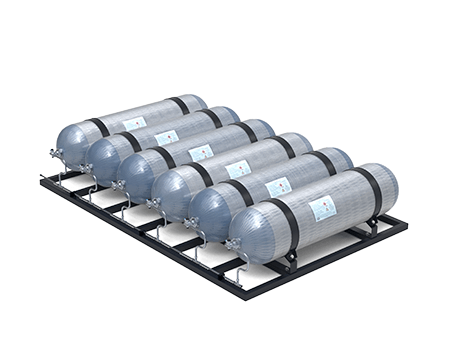
Compressed Natural Gas (CNG) has been used as a vehicle fuel in Pakistan for many years. Like any high-pressure fuel system, it requires suitable equipment, careful installation, and regular inspection. A CNG cylinder is not an ordinary gas container: it is a pressure vessel designed specifically to store compressed natural gas under demanding conditions.
Choosing a CNG cylinder based only on price, size, or appearance can expose drivers, passengers, and other road users to serious risks. A cylinder that is unsuitable, damaged, incorrectly installed, or overdue for testing may fail to provide the safety expected from a properly maintained fuel system.
This buyer’s guide explains what to check before purchasing a CNG cylinder, how to identify warning signs, why authorised installation matters, and how to maintain a vehicle’s CNG system. It also discusses emergency precautions and the role of broader fire safety measures, including a fire alarm system in Pakistan for relevant buildings and facilities.
The key principle is simple: buy only a cylinder approved for the intended vehicle application, have it installed by an authorised and competent provider, and follow the applicable inspection and testing requirements.
1. Understand What a CNG Cylinder Does
A CNG cylinder stores natural gas at high pressure for use as a vehicle fuel. It is one component of a complete system that may also include:
- A cylinder valve
- Pressure regulators
- High-pressure fuel lines
- Mounting brackets and restraints
- Fuel delivery components
- Pressure-relief devices, where required by the design
- Vehicle-specific controls and connections
Every component must be compatible with the others. A suitable cylinder does not make an unsafe conversion safe if the valve, piping, mounting, or other components are incorrect.
CNG is stored at much higher pressure than gas used in many household applications. OGRA’s public notice warns vehicle owners that CNG cylinders are specially designed high-pressure vessels and advises against using cylinders intended for other gases.
2. Why Cylinder Selection Matters
A CNG cylinder is a safety-critical component. Its design, condition, certification, and installation affect the reliability of the vehicle’s fuel system.
An unsuitable cylinder can create risks such as:
- Gas leakage
- Damage caused by vibration or poor mounting
- Failure due to corrosion or physical damage
- Unsafe operation after exposure to fire or excessive heat
- Problems caused by incompatible valves or fittings
- Overpressure if the system is improperly filled or maintained
A cylinder should never be selected simply because it fits inside a vehicle or is offered at a lower price. Its suitability must be established through the relevant approval, markings, vehicle requirements, and professional assessment.
3. Buy Only an Approved CNG Cylinder
One of the most important purchasing checks is whether the cylinder is approved for the intended use in Pakistan.
OGRA advises vehicle owners to use approved, brand-new, seamless CNG vehicle cylinders and to verify their genuineness and fitness through authorised or licensed CNG facilities. It also warns against cylinders fabricated by welding or joining sections together.
What to check before buying
Ask the seller or authorised installer to help you verify:
- The manufacturer and product identity
- The cylinder’s approval or certification information
- The applicable manufacturing standard
- The cylinder’s serial number and identification markings
- The manufacturing date and service-life information
- The cylinder’s suitability for the intended vehicle
- Whether the cylinder is new and has a verifiable supply history
- Whether documentation is available
Do not rely on verbal assurances alone. If the markings are missing, altered, unreadable, or inconsistent with the documentation, do not proceed until the cylinder’s status has been confirmed by a competent authority or qualified inspector.
Check official approval information
The Hydrocarbon Development Institute of Pakistan (HDIP) publishes information about approved CNG vehicle cylinders. Its published list includes manufacturers, qualifying standards, and approval details. Because approval lists and requirements can change, check the latest information available from the relevant authority before purchasing.
4. Never Substitute Another Gas Cylinder
A common and dangerous mistake is assuming that a cylinder designed for one gas can be used for another.
LPG, oxygen, nitrogen, and acetylene cylinders must not be used as CNG vehicle cylinders. Their design, materials, fittings, and pressure ratings may differ from those required for CNG service.
OGRA specifically warns against using cylinders intended for these other gases for CNG, noting that they are not designed to withstand the pressure involved.
When buying a cylinder, confirm that it is expressly designed and approved for vehicle CNG use. Do not accept a substitute merely because it has a similar shape or appears physically strong.
5. Inspect the Cylinder’s Condition
Even a cylinder that was originally manufactured to an appropriate standard may become unsafe if it is damaged or improperly handled.
Before purchase, ask for a competent inspection and carefully review any available history.
Warning signs to look for
- Deep dents, gouges, or visible deformation
- Significant corrosion or pitting
- Cracks or suspicious surface damage
- Damaged, missing, or unreadable identification markings
- Evidence of fire or excessive heat exposure
- Signs of unauthorised welding or modification
- Damaged valve threads or fittings
- Missing or questionable documentation
A visual inspection alone cannot establish the internal condition of a pressure vessel. If the cylinder’s history is uncertain or damage is suspected, have it assessed by an appropriately qualified inspector.
Avoid previously damaged cylinders
OGRA advises against installing used cylinders that have been burnt or damaged. Heat and impact can affect the integrity of a pressure vessel even when the damage is not immediately obvious.
If a vehicle has been involved in a collision or fire, do not assume the cylinder remains safe because it still holds gas. Arrange professional inspection before the system is used again.
6. Understand Cylinder Capacity and Vehicle Compatibility
CNG cylinders are available in different sizes and capacities. However, the largest cylinder that can physically fit in a vehicle is not necessarily the right choice.
The correct configuration depends on the vehicle’s approved design, available space, mounting structure, weight limits, and applicable transport requirements.
Before choosing a cylinder, ask a qualified installer to assess:
- Whether the cylinder is approved for the vehicle
- Whether its capacity and dimensions are suitable
- Whether the mounting arrangement is designed for the installation
- Whether the vehicle’s load limits will be respected
- Whether passengers and luggage remain safely accommodated
- Whether the installation complies with relevant requirements
Do not allow a cylinder to be installed in a way that obstructs exits, interferes with passenger seating, or creates an unsafe arrangement.
This is particularly important for public service vehicles. Research on CNG vehicle safety in Pakistan has identified cylinder installation, component condition, and compliance with relevant standards as important safety considerations.
7. Choose an Authorised Installation Provider
The cylinder is only one part of the fuel system. Poor installation can undermine the safety of otherwise suitable equipment.
OGRA advises vehicle owners not to have CNG kits or cylinders installed at unauthorised roadside conversion workshops. It recommends using authorised or licensed CNG facilities.
Questions to ask the installer
Before agreeing to a conversion or replacement, ask:
- Is the facility authorised to perform this work?
- Is the cylinder approved for my vehicle?
- Will the installation use compatible components?
- Will the cylinder be securely mounted according to the approved design?
- Will the piping and connections be checked for leakage?
- Will I receive the required certificate and documentation?
- When should the system next be inspected or tested?
A responsible installer should be willing to explain the equipment, provide relevant documentation, and identify any limitations or additional work needed.
Avoid a provider who offers to bypass inspections, modify the cylinder, use unapproved parts, or ignore the vehicle manufacturer’s requirements.
8. Check the Valve, Piping, and Other Components
A CNG cylinder should not be assessed in isolation. The complete fuel system needs to be checked for compatibility and condition.
Cylinder valve
The valve must be suitable for the cylinder and installed correctly. Do not attempt to repair, adjust, or replace a pressurised valve yourself.
Fuel lines and connections
Pipes, fittings, and connections must be suitable for high-pressure CNG service. Look for visible damage, poor routing, loose supports, or signs of unauthorised alterations—but leave technical inspection and repairs to qualified personnel.
Mounting and restraints
The cylinder must be secured using a suitable mounting arrangement. Poor restraints can allow movement, vibration damage, or stress on connected components.
Pressure-relief and safety devices
Where the cylinder design requires pressure-relief devices, they must be suitable, correctly installed, and maintained as specified by the system design and applicable standards.
Never remove, block, or modify a safety device to stop a leak or prevent gas from escaping. If a device appears damaged or has operated, keep the vehicle out of service until it has been examined by qualified personnel.
9. Understand Testing and Inspection Requirements
CNG cylinders require periodic examination and testing according to applicable rules and standards. Buyers should understand the testing history before purchasing or continuing to use a cylinder.
OGRA’s published guidance states that CNG vehicle cylinders require retesting after five years of use under the cited rules and standard code of practice. It also recommends annual inspection of the vehicle’s CNG system by trained personnel and advises owners to obtain a cylinder test certificate after conversion.
A 2021 clarification from the Press Information Department describes HDIP’s role in cylinder testing at five-year intervals, approval of CNG control equipment and installation, and training of authorised conversion personnel.
Important: Confirm the current requirements, applicable testing interval, and authorised testing arrangements with OGRA, HDIP, or another relevant authority. Do not rely on an old certificate or assume that every cylinder follows the same procedure regardless of type, condition, or history.
Keep a complete record
Maintain copies of:
- Purchase documents
- Cylinder identification details
- Approval or certification information
- Installation records
- Cylinder test certificates
- Inspection and maintenance records
- Any reports following damage or repairs
These records help establish the cylinder’s history and support decisions about continued use.
10. Refuelling Safely
Safe refuelling is an important part of CNG cylinder protection.
OGRA advises vehicle owners not to request refuelling beyond the allowable maximum pressure of 200 bar and to cooperate with CNG station staff when they inspect the vehicle cylinder.
Always follow the current instructions and limits applicable to the vehicle and station.
Refuelling precautions
- Use a properly licensed CNG station.
- Follow the station operator’s instructions.
- Do not smoke during refuelling.
- Do not use a mobile phone or other device if station rules prohibit it.
- Do not ask staff to exceed the permitted pressure.
- Report suspected overpressure or unsafe practices to the relevant authority.
- Do not refuel if the cylinder or fuel system appears damaged or unsafe.
Never attempt to alter the dispenser, bypass safety equipment, or perform a repair while the vehicle is connected for refuelling.
11. Recognise Possible Gas Leaks
Natural gas is normally given a distinctive odour to help people detect a leak. However, smell is not a substitute for professional leak detection, and the absence of an odour does not prove that a system is safe.
Possible warning signs include:
- A persistent gas smell
- Hissing or unusual sounds
- Unexpected loss of fuel pressure
- Visible damage to fuel-system components
- A sudden or unexplained change in system behaviour
If you suspect a leak, treat it seriously.
What to do
- Stop using the vehicle when it is safe to do so.
- Keep people away from the suspected leak.
- Avoid smoking, flames, sparks, and other ignition sources.
- Do not operate electrical switches or attempt repairs near the suspected leak.
- Move to a safe location and contact qualified assistance or emergency services as appropriate.
- Do not drive the vehicle again until it has been examined and cleared by competent personnel.
Do not try to locate a leak using a flame. Leak detection and repairs must be carried out using suitable methods by trained personnel.
12. What to Do if a CNG Vehicle Catches Fire
A vehicle fire involving a high-pressure fuel system can be especially dangerous. Heat may affect the cylinder and its safety devices, and escaping gas may create additional hazards.
Prioritise evacuation—not attempting to save the vehicle.
If a CNG vehicle catches fire:
- Stop in a safe place if possible.
- Switch off the engine only if it is safe to do so.
- Evacuate the vehicle promptly.
- Move passengers and bystanders well away from the vehicle.
- Call emergency services.
- Warn approaching people and keep them away.
- Do not return to the vehicle or approach the cylinder.
- Inform emergency responders that the vehicle has a CNG system.
Do not attempt to close valves, disconnect fuel lines, or extinguish a fire involving the cylinder unless you are specifically trained, the situation is assessed as safe, and emergency procedures permit it.
A fire extinguisher may be useful for certain small fires, but it cannot make an unsafe vehicle fire safe to approach. If the fire involves a pressurised cylinder or is spreading, evacuate and leave firefighting to emergency responders.
13. CNG Cylinder Safety for Public Transport and Fleets
Public service vehicles and commercial fleets may carry multiple passengers or operate for long hours. Their CNG safety arrangements therefore deserve particular attention.
Fleet managers should establish a documented process for:
- Verifying cylinder and kit approvals
- Confirming authorised installation
- Keeping test and inspection certificates
- Scheduling periodic inspections
- Checking for visible damage after incidents
- Reporting suspected leaks
- Removing unsafe vehicles from service
- Training drivers in emergency procedures
Do not assume that a vehicle is safe merely because it has passed a routine roadworthiness check. CNG cylinder condition and fuel-system safety require appropriate technical assessment.
Research into CNG vehicle safety in Pakistan has highlighted the importance of using compliant cylinders, proper installation, suitable pressure-relief arrangements, and safe refuelling practices.
14. Fire Safety Beyond the Vehicle
CNG safety is part of a broader approach to preventing fires and protecting people.
For homes, workshops, businesses, and transport facilities, fire safety planning may include:
- Appropriate fire detection and alarm arrangements
- Suitable fire extinguishers
- Clear evacuation routes
- Emergency signage
- Staff training
- Safe storage of flammable materials
- Inspection and maintenance records
- Emergency contact procedures
A fire alarm system in Pakistan should be selected according to the building’s use, size, occupancy, hazards, and applicable requirements. Alarm systems do not replace safe CNG equipment or vehicle inspections, but they can form part of a coordinated fire safety plan in relevant facilities.
Where CNG is stored, handled, or used in a commercial setting, seek a competent assessment of the site’s specific hazards and required safety measures.
15. Buyer’s Checklist: What to Confirm Before Purchase
Before paying for a CNG cylinder, use this practical checklist to organise the questions you need answered.
CNG cylinder purchase checklist
0/10
Cylinder is specifically designed for vehicle CNG use.
Manufacturer, serial number, and identification markings are clear.
Approval and certification details have been verified.
Cylinder is new and its history is documented.
Cylinder capacity and dimensions suit the intended vehicle.
No visible damage, corrosion, unauthorised welding, or heat exposure is evident.
Authorised installation is available.
Compatible valves, piping, and mounting components will be used.
Required certificates and records will be provided.
Inspection and retesting requirements are understood.
Reset checklist
If a seller cannot provide reliable information about approval, condition, or history, do not rush the purchase. Confirm the cylinder’s status with the relevant authority or a competent inspector before proceeding.
Conclusion
Buying a CNG cylinder requires more than comparing prices and capacities. The cylinder must be designed and approved for vehicle use, compatible with the intended vehicle, correctly installed, and maintained according to applicable requirements.
Before purchasing, verify the cylinder’s identification and documentation, check its condition, and use an authorised installation provider. Keep test certificates and inspection records, follow safe refuelling practices, and arrange professional checks at the required intervals.
If a leak, collision, fire, or other potentially damaging incident occurs, stop using the vehicle and seek competent assistance. Never attempt to repair or modify a pressurised CNG system yourself.
For vehicle owners in Pakistan, official guidance from OGRA and HDIP is an important starting point for verifying cylinder approval and understanding inspection and testing arrangements. A careful purchasing decision, supported by proper installation and ongoing maintenance, helps protect drivers, passengers, and the wider community.
Frequently Asked Questions (FAQs)
1. What should I check before buying a CNG cylinder in Pakistan?
Verify that it is designed and approved for vehicle CNG use. Check the manufacturer, identification markings, certification details, condition, history, vehicle compatibility, and availability of required documentation.
2. Can an LPG cylinder be used for CNG?
No. LPG cylinders and cylinders intended for other gases must not be substituted for vehicle CNG cylinders. Use only equipment specifically designed and approved for the intended CNG application.
3. How often should a CNG cylinder be inspected or tested?
OGRA’s published guidance refers to five-year cylinder retesting and recommends annual inspection of the vehicle’s CNG system by trained personnel. Confirm the current requirements and testing arrangements with the relevant authority.
4. What should I do if I suspect a CNG leak?
Stop using the vehicle when safe, keep people away, avoid flames and ignition sources, and contact qualified assistance. Do not use a flame to find the leak or attempt repairs yourself.
5. What should I do if a CNG vehicle catches fire?
Evacuate the vehicle, move passengers and bystanders well away, call emergency services, and warn responders that the vehicle has a CNG system. Do not approach the cylinder or attempt to handle the fuel system.