
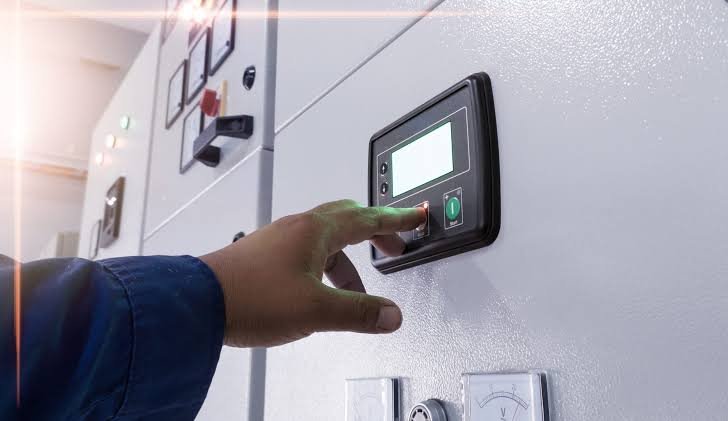
Generators have become an important part of everyday life in Pakistan. They help homes, offices, shops, factories, hospitals, schools, restaurants, and other facilities continue operating when the main electricity supply is interrupted.
However, a generator is more than a backup-power machine. It combines fuel, electricity, heat, exhaust gases, moving components, and high electrical loads. If any of these elements are poorly managed, the generator can become a source of fire, electrical injury, equipment damage, or other emergencies.
That is why generator safety should be viewed as an essential safety investment, rather than simply a maintenance expense.
Pakistan’s Building Code framework includes dedicated fire-safety provisions, while Pakistan Engineering Council (PEC) materials address generator and emergency-power arrangements for certain building types. PEC lists the Building Code of Pakistan – Fire Safety Provisions 2016 among its developed building codes and standards.
This guide explains how to make generator operation safer, from installation and fuel storage to electrical connections, ventilation, fire detection, maintenance, and emergency planning.
Why Generator Safety Is an Investment
When people purchase a generator, they usually focus on capacity, fuel consumption, brand, and price.
Safety is sometimes considered later.
That approach can be costly.
A generator that is incorrectly installed may create risks even if it is a high-quality machine. Likewise, a properly installed generator can become dangerous if it is neglected, overloaded, poorly maintained, or surrounded by combustible materials.
Investing in safety can help reduce:
- Fire risk
- Electrical accidents
- Equipment damage
- Fuel-related incidents
- Carbon monoxide exposure
- Unexpected generator failure
- Business interruption
- Property damage
The goal is not to eliminate every possible risk. Rather, it is to identify foreseeable hazards and control them before they become emergencies.
NDMA currently provides dedicated urban fire-safety guidance and emphasizes fire prevention and preparedness as part of disaster-risk reduction in Pakistan.
1. Start With the Generator’s Location
Where a generator is installed can have a major impact on safety.
Generators should be positioned according to the manufacturer’s requirements and the characteristics of the building.
An installation should provide appropriate:
- Ventilation
- Exhaust clearance
- Maintenance access
- Protection from weather
- Separation from combustible materials
- Electrical isolation
- Fuel-system safety
Avoid placing a generator in an enclosed living space, poorly ventilated room, or location where exhaust gases can enter occupied areas.
A generator should also not be surrounded by cardboard, paper, plastic packaging, wood, fabric, waste, or other combustible materials.
For larger buildings, the requirements can be considerably more detailed. PEC’s Building Code of Pakistan material specifies that, for certain high-rise applications where a standby or emergency generator is located inside a building, the generator system is to be located in a separate room enclosed with specified fire barriers or assemblies.
This demonstrates an important principle: generator installation is part of building fire safety, not merely an electrical decision.
2. Ventilation Is Essential
A generator produces heat and exhaust gases while running.
Poor ventilation can allow heat and dangerous exhaust gases to accumulate.
This is particularly concerning when generators are installed inside enclosed spaces.
Adequate ventilation helps:
- Remove heat
- Manage engine operating temperatures
- Direct exhaust safely away from occupied areas
- Protect equipment
- Improve operating conditions
The ventilation system should be designed according to the generator’s requirements. A small opening is not automatically adequate for every generator.
For larger installations, ventilation and exhaust design should be handled by appropriately qualified professionals.
3. Carbon Monoxide Should Never Be Ignored
Carbon monoxide is a particularly important hazard associated with fuel-burning generators.
It is colorless and odorless, meaning people cannot reliably detect its presence using their senses.
This is one reason portable fuel-burning generators should never be operated in enclosed spaces such as bedrooms, living rooms, or closed garages.
A generator’s exhaust should be directed away from:
- Windows
- Doors
- Air-intake openings
- Ventilation systems
- Occupied areas
Where appropriate, carbon-monoxide detection can provide an additional safety layer, particularly in buildings where fuel-burning equipment could affect occupied spaces.
4. Fuel Management Is Fire Prevention
Fuel is one of the most obvious fire hazards associated with a generator, but it is sometimes treated as an ordinary storage issue.
It should instead be treated as part of the facility’s fire-risk management.
Good fuel practices include:
- Use suitable fuel containers and equipment.
- Store fuel in an appropriate location.
- Keep fuel away from ignition sources.
- Inspect tanks and fuel lines for leaks.
- Clean up spills promptly.
- Do not smoke during refueling.
- Keep unnecessary combustible materials away from fuel-storage areas.
- Follow the generator manufacturer’s fuel requirements.
Fuel should never be stored carelessly beside electrical panels, hot machinery, open flames, or other potential ignition sources.
5. Never Refuel Carelessly
Refueling a generator requires attention because the equipment can contain hot surfaces and potential ignition sources.
Before refueling:
- Shut down the generator according to the manufacturer’s instructions.
- Allow it to cool for the required period.
- Keep flames and cigarettes away.
- Refuel carefully.
- Avoid overfilling.
- Clean up spills.
- Check for leaks before restarting.
Never treat a fuel spill as a minor inconvenience.
Even a relatively small spill can become dangerous if it reaches a hot engine component or electrical ignition source.
6. Electrical Installation Requires Professional Attention
A generator produces electricity, but producing electricity safely requires an appropriate electrical system.
Incorrect connections can lead to:
- Electric shock
- Short circuits
- Overheating
- Equipment damage
- Fire
- Generator damage
- Dangerous backfeeding
The generator should be connected according to its design and applicable electrical requirements.
A qualified electrical professional should assess the installation, particularly for commercial, industrial, healthcare, educational, and high-occupancy buildings.
Pakistan’s fire-safety framework includes provisions concerning electrical wiring, appliances, fixtures, and equipment as part of building fire safety.
7. Avoid Generator Backfeeding
One of the most dangerous generator mistakes is connecting a generator to a building’s electrical system through an improvised arrangement.
This can cause electricity to flow in unintended directions.
Backfeeding can expose:
- Building occupants
- Electricians
- Utility workers
- Neighbors
- Electrical equipment
to dangerous electrical conditions.
A properly designed transfer-switch arrangement or other approved isolation method should be used where required.
The objective is to ensure that generator power and utility power are safely managed without creating unintended electrical paths.
8. Don’t Overload the Generator
Every generator has a specified capacity.
Connecting more equipment than the generator can safely support can cause overheating, voltage instability, equipment damage, or electrical hazards.
Before connecting appliances or machinery, consider:
- Continuous electrical load
- Starting load
- Motor loads
- Essential equipment
- Nonessential equipment
- Generator capacity
Air conditioners, pumps, refrigerators, compressors, elevators, and other motor-driven equipment can have significant starting requirements.
A generator should therefore be selected and operated based on the actual electrical demand rather than simply the number of appliances someone wants to run.
9. Load Management Can Improve Safety
Not every device needs to operate during a power outage.
Creating a priority list can help.
Essential loads
These may include:
- Emergency lighting
- Security systems
- Critical medical equipment
- Communication systems
- Selected refrigeration
- Fire-protection equipment
Nonessential loads
These might include equipment that can remain switched off during an outage.
A planned load-management strategy reduces the temptation to connect everything at once.
It can also improve fuel efficiency and generator reliability.
For larger buildings, emergency and standby power requirements may be governed by applicable building-code provisions. PEC material identifies systems such as fire alarms, automatic fire detection, emergency communications, fire pumps, and exit illumination among emergency-power loads for certain high-rise applications.
10. Keep the Generator Area Clean
A generator room or enclosure should not become a storage room.
Do not allow it to accumulate:
- Cardboard
- Paper
- Plastic
- Cleaning materials
- Packaging
- Waste
- Unnecessary tools
- Flammable liquids
- Cloth or other combustible materials
Keeping the area clean provides several benefits.
It reduces combustible fuel around the generator, improves ventilation, makes leaks easier to identify, and provides technicians with adequate space to inspect and maintain the equipment.
A clean generator area is therefore both a maintenance and fire-prevention measure.
11. Maintenance Is Part of Fire Protection
Routine maintenance is essential for reliable generator operation, but it also plays an important role in fire prevention.
Regular inspections should consider:
Fuel system
Look for:
- Leaks
- Damaged hoses
- Loose connections
- Deteriorated seals
- Tank problems
Electrical system
Inspect:
- Cables
- Terminals
- Connections
- Breakers
- Control panels
- Grounding and protection systems
Cooling system
Check:
- Coolant
- Radiators
- Fans
- Airflow
- Temperature controls
Exhaust system
Inspect:
- Exhaust pipes
- Connections
- Supports
- Signs of leakage or damage
Engine components
Follow the manufacturer’s recommendations for:
- Oil
- Filters
- Belts
- Batteries
- Other service components
Maintenance schedules should be based on the manufacturer’s instructions, operating hours, environmental conditions, and the importance of the generator.
12. Fire Detection Adds Another Layer of Protection
A generator room can contain several potential hazards, including electrical equipment, fuel systems, heat, and mechanical components.
Early detection can provide valuable time to respond.
Depending on the building and risk assessment, fire protection may include:
- Smoke detection
- Heat detection
- Manual call points
- Fire alarm control panels
- Audible notification
- Visual notification
- Monitoring systems
The correct detection technology depends on the environment.
For example, a generator room may experience higher temperatures, airflow, dust, and other conditions that can affect detector selection.
This is where a properly designed fire alarm system in Pakistan can form part of a wider building protection strategy.
However, an alarm is not a substitute for safe generator installation or maintenance.
A detector can warn people about a fire, but it cannot correct a leaking fuel line, overloaded circuit, blocked ventilation system, or unsafe electrical connection.
13. Fire Extinguishers Should Match the Hazard
Fire extinguishers can provide an important first-response tool when a fire is small and conditions are safe.
However, the extinguisher must be suitable for the type of fire.
Generator areas may involve both electrical hazards and combustible or flammable materials. The appropriate extinguisher should therefore be selected through a proper fire-risk assessment.
Employees should know:
- Where extinguishers are located
- Which extinguisher is appropriate
- How to raise the alarm
- When firefighting is unsafe
- Where to evacuate
An employee should never attempt to fight a rapidly spreading fire simply because an extinguisher is nearby.
14. Emergency Shutdown Procedures Matter
People who operate generators should know how to shut them down safely.
The emergency procedure should identify:
- Who is authorized to shut down the generator
- Where the emergency stop is located
- When emergency shutdown should occur
- How fuel and electrical supplies are isolated
- Who contacts emergency services
The exact shutdown procedure depends on the generator design.
Operators should follow the manufacturer’s instructions and facility-specific emergency procedures rather than improvising during an incident.
15. Generator Rooms Need Appropriate Fire Protection
For larger commercial and high-rise buildings, generator rooms can require additional fire-protection measures.
These can involve:
- Fire-resistant construction
- Fire-rated doors
- Fuel-line protection
- Ventilation
- Exhaust systems
- Fire detection
- Fire suppression
- Emergency shutdown
- Access control
PEC’s Building Code material provides specific provisions for generator sets located inside buildings in certain high-rise applications, including fire-barrier requirements and protection for fuel lines.
The exact requirements depend on the building type and applicable code provisions, so facility owners should obtain professional advice rather than applying one generic specification to every installation.
16. Generator Safety and the Fire Alarm System Should Work Together
A generator and a fire-protection system should not be considered completely separate systems.
In a well-designed facility, emergency power can support important life-safety equipment.
For certain high-rise applications, PEC provisions identify automatic fire detection, fire alarm systems, emergency voice/alarm communications, electrically powered fire pumps, and emergency egress illumination among emergency-power loads.
This creates an important relationship:
Generator → Emergency Power → Life-Safety Systems
If the normal electrical supply fails, critical safety systems may still need power.
That is why generator testing should consider not only whether the engine starts but also whether designated emergency systems receive the power they require.
17. Test the Complete System
A generator can start successfully during a routine test and still have a problem elsewhere in the emergency-power system.
Testing should therefore consider the complete arrangement.
Depending on the facility, this can include:
- Generator starting
- Automatic transfer
- Load performance
- Emergency lighting
- Fire alarm equipment
- Fire pumps
- Emergency communications
- Control systems
- Fuel supply
- Battery systems
Testing should be conducted according to applicable requirements and manufacturer recommendations.
The objective is to identify problems before an actual power failure or emergency occurs.
18. Train the People Responsible for the Generator
Equipment is only as effective as the people operating it.
Personnel responsible for generator operation should understand:
- Starting procedures
- Shutdown procedures
- Load limitations
- Refueling precautions
- Fuel-leak recognition
- Electrical hazards
- Emergency shutdown
- Fire-extinguisher locations
- Alarm procedures
- Emergency contacts
Training should also cover what operators must not do.
For example, an operator should know not to bypass safety controls, overload the generator, operate it in unsafe conditions, or make unauthorized electrical modifications.
19. Prepare for Pakistan’s Environmental Conditions
Pakistan’s weather can create additional operating challenges.
High temperatures can affect cooling and engine performance. Dust can affect ventilation and equipment. Heavy rainfall can create water and electrical hazards.
Generator installations should therefore be appropriate for the environment where they are located.
During hot weather:
- Check cooling systems.
- Keep ventilation paths clear.
- Monitor operating temperatures.
- Inspect fuel and electrical systems.
During heavy rain:
- Protect electrical components from water exposure.
- Keep drainage systems functional.
- Avoid operating electrical equipment in unsafe standing water.
Safety measures should always follow the manufacturer’s instructions and professional installation requirements.
20. Create a Generator Safety Checklist
A simple checklist can help building managers identify obvious problems.
Before Operation
- Is the generator in a suitable location?
- Is ventilation adequate?
- Is the exhaust safely directed?
- Are fuel lines free from leaks?
- Are combustible materials removed?
- Are electrical connections secure?
- Is the generator within its rated load?
During Operation
- Is the generator showing abnormal temperature?
- Are there unusual noises or vibrations?
- Is there a fuel smell?
- Is exhaust behaving normally?
- Are electrical loads within limits?
After Operation
- Was the generator shut down correctly?
- Were leaks checked?
- Was the equipment inspected?
- Were any faults recorded?
- Does anything require professional maintenance?
This type of checklist can help turn safety from an occasional concern into a routine process.
The Most Important Investment Isn’t Always the Generator
When purchasing backup power, people naturally compare generator specifications.
But the real safety investment extends beyond the machine itself.
A responsible facility may also need to invest in:
- Professional installation
- Proper electrical protection
- Safe fuel storage
- Ventilation
- Exhaust management
- Fire detection
- Fire extinguishers
- Emergency power distribution
- Regular maintenance
- Staff training
- Emergency planning
These measures may initially increase project costs, but they can significantly reduce the consequences of preventable incidents.
Pakistan’s national fire-safety framework was developed specifically to provide a more structured approach to fire prevention, protection, and life safety. PEC describes the Building Code of Pakistan – Fire Safety Provisions 2016 as providing a unified framework for fire prevention, fire protection, and life safety.
Common Generator Safety Mistakes to Avoid
Several mistakes repeatedly create unnecessary risk.
Running a generator in an enclosed area
This can create serious exhaust and heat hazards.
Refueling while hot or running
Fuel can come into contact with hot surfaces or ignition sources.
Using improvised electrical connections
These can create shock, fire, and backfeeding hazards.
Ignoring small fuel leaks
A minor leak can become a major fire hazard.
Overloading the generator
Excessive load can cause overheating and equipment problems.
Blocking ventilation
Restricted airflow can affect both safety and generator performance.
Storing combustible materials nearby
Combustibles provide additional fuel if a fire occurs.
Skipping maintenance
A generator can continue operating while developing dangerous faults.
Assuming an alarm solves everything
Fire detection is only one layer of protection.
Generator Safety as a Long-Term Investment
The true value of generator safety becomes clear when considering what is being protected.
A generator may support:
- Business operations
- Healthcare services
- Security systems
- Communications
- Refrigeration
- Data systems
- Industrial processes
- Emergency lighting
- Fire-protection equipment
A failure or fire can therefore have consequences far beyond the generator itself.
A well-managed generator installation protects both continuity and safety.
The best approach is to treat generator safety as an ongoing process involving assessment, professional installation, inspection, testing, maintenance, training, and emergency preparedness.
Final Thoughts
A generator is an essential investment for many properties in Pakistan, but its safety should receive the same attention as its performance.
Safe generator operation starts with the basics: an appropriate location, proper ventilation, safe fuel handling, professional electrical installation, correct load management, and regular maintenance.
From there, additional protection can include fire detection, suitable extinguishers, emergency shutdown procedures, backup power for life-safety systems, staff training, and documented emergency plans.
Most importantly, generator safety should never depend on a single device.
A fire alarm system in Pakistan can provide valuable early warning, but genuine protection comes from combining detection with prevention, safe installation, maintenance, and effective emergency response.
For additional fire-safety information and resources, visit Flame Defender.
Frequently Asked Questions
1. Why is generator safety important?
Generators combine fuel, electricity, heat, exhaust gases, and mechanical components. Poor installation, fuel leaks, electrical faults, overloading, or inadequate ventilation can create serious hazards. A proper safety program helps reduce these risks while improving generator reliability.
2. Can a generator be installed inside a building?
Some building designs allow generators inside dedicated, appropriately protected spaces, but requirements vary according to the generator, building type, fuel system, and applicable regulations. Certain PEC provisions for high-rise buildings require generator sets inside buildings to be located in separate rooms with specified fire-resistance measures.
3. Is a fire alarm system enough to protect a generator?
No. A fire alarm provides detection and warning, but it cannot prevent a fuel leak, electrical fault, overheating, or unsafe installation. Generator safety requires multiple layers, including prevention, maintenance, electrical protection, detection, and emergency response.
4. How often should a generator be maintained?
Maintenance frequency depends on the generator model, operating hours, environmental conditions, fuel type, and manufacturer’s recommendations. Regular inspections should be combined with scheduled servicing and prompt repair of any fuel, electrical, exhaust, cooling, or mechanical problem.
5. What is the most important generator safety rule?
There is no single rule that replaces a complete safety program. However, generators should always be installed and operated according to the manufacturer’s requirements, applicable building and electrical requirements, and professional safety guidance. Never operate a fuel-burning generator in an unsafe enclosed space, and never use improvised electrical connections.