
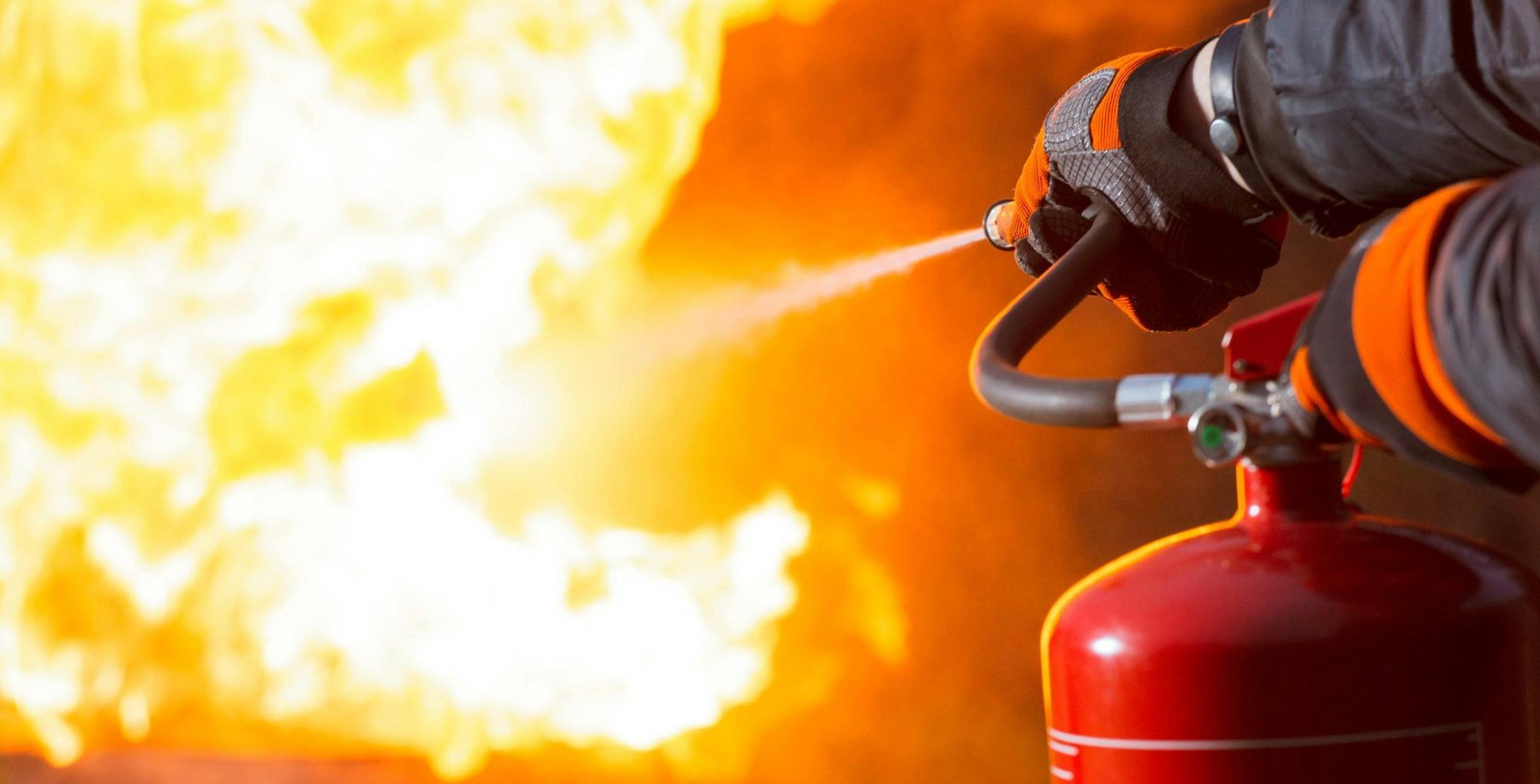
Fire safety is surrounded by many common beliefs that may sound reasonable but are not always correct. These myths can create confusion during an emergency and may cause people to underestimate a fire, delay evacuation, or rely on equipment incorrectly.
Understanding the facts is an important part of creating a safer home, workplace, commercial building, school, hospital, or industrial facility. A good fire protection plan combines prevention, early detection, alarm notification, safe evacuation, firefighting equipment, staff training, and regular maintenance.
In Pakistan, fire safety should also be considered in relation to applicable building and fire-safety requirements. The Pakistan Engineering Council lists the Building Code of Pakistan – Fire Safety Provisions 2016 among the country’s building codes and standards.
Here are ten common fire safety myths and the facts behind them.
1. Myth: Small Fires Are Always Safe to Handle
One common misconception is that a small fire is not dangerous. A fire can grow quickly, produce harmful smoke, and create conditions that become unsafe within a short period.
The safest response depends on the situation, the type of fire, the available equipment, and the person’s training. People should not put themselves in danger simply because a fire initially appears small.
A proper emergency plan should prioritize raising the alarm, alerting others, contacting the appropriate emergency services, and evacuating when required.
Fire extinguishers can be useful for suitable situations when they are provided, properly maintained, and used by people who have received appropriate instruction. They should never be treated as a replacement for evacuation or professional firefighting.
2. Myth: A Fire Alarm Is Only Necessary in Large Buildings
Some people believe that smaller businesses or buildings do not need sophisticated fire detection and alarm arrangements.
In reality, the need for fire detection and occupant notification depends on factors such as building size, occupancy, layout, use, and applicable requirements.
The Building Code of Pakistan’s Fire Safety Provisions states that fire alarm systems should be provided where necessary to warn occupants when a fire itself would not provide adequate warning.
This means businesses should not decide whether an alarm system is necessary simply by looking at the building’s size.
A properly planned fire alarm system in Pakistan can help provide early warning and support an organized emergency response.
3. Myth: Smoke Is Not as Dangerous as Fire
People sometimes focus entirely on flames and overlook smoke.
Smoke can reduce visibility and make it difficult for occupants to find their way to safety. It can also contain harmful combustion products. For this reason, smoke detection and appropriate evacuation procedures are important elements of fire safety.
Businesses should keep escape routes clear and ensure that occupants know how to respond when an alarm activates.
The Building Code of Pakistan includes provisions intended to protect occupants from the spread of fire, smoke, and fumes through building openings and escape routes.
4. Myth: Fire Alarms Never Need Testing
Installing an alarm system does not mean that it will automatically remain reliable forever.
Like other safety equipment, fire detection and alarm systems need inspection, testing, and maintenance. Components can develop faults, power supplies can experience problems, and equipment can become damaged or outdated.
The Building Code of Pakistan includes provisions concerning maintenance, inspection, and testing of fire protection systems.
Regular professional testing can help identify problems before an emergency occurs.
Businesses should keep appropriate records of inspections and maintenance and address faults promptly.
5. Myth: Every Fire Can Be Put Out With Water
Water is commonly associated with firefighting, but it is not appropriate for every type of fire.
Different fires can involve different materials and hazards. Using an inappropriate extinguishing method can make an emergency more dangerous.
For this reason, businesses should select firefighting equipment according to the hazards present in their premises. Staff should also receive suitable training so they understand their organization’s emergency procedures.
Fire protection equipment should be installed and maintained according to the manufacturer’s instructions and applicable requirements.
6. Myth: Fire Doors Are Just Normal Doors
Fire doors are an important part of passive fire protection. They are designed as part of a building’s fire-resistance strategy and can help limit the movement of fire and smoke when correctly installed and maintained.
A fire door should not simply be treated as an ordinary door.
Businesses should avoid wedging fire doors open unless the building’s approved system specifically permits an appropriate automatic arrangement. Damaged doors, faulty closers, unsuitable modifications, or other problems can affect their intended performance.
Fire protection is not only about alarms and extinguishers. The construction and compartmentation of a building can also play an important role.
7. Myth: Emergency Exits Can Be Used for Storage
Another dangerous misconception is that emergency exit routes can temporarily be used to store boxes, furniture, merchandise, or other items.
Escape routes should remain clear and accessible. The Building Code of Pakistan requires means of egress to be arranged or marked so that the way to a place of safety is clearly indicated, and it includes requirements concerning illumination of means of egress.
Even a temporary obstruction can create problems during an emergency.
Businesses should regularly inspect corridors, stairways, exit doors, and other designated escape routes. Staff should know that keeping these routes clear is a continuous responsibility.
8. Myth: Fire Safety Is Only the Building Owner’s Responsibility
Building owners have important responsibilities, but fire safety is not something that one person can manage alone.
Managers, employees, contractors, visitors, maintenance teams, and occupants can all contribute to a safer environment.
Employees should know basic emergency procedures, including:
- How to raise the alarm
- What to do when an alarm activates
- Where the designated exits are
- Where to assemble
- Who has specific emergency responsibilities
- How to report fire hazards
Training should be appropriate to the workplace and the responsibilities assigned to each person.
Professional installation and maintenance are also important. Pakistan Engineering Council records fire detection, alarm, and suppression installation, commissioning, and maintenance as a specialized engineering activity.
9. Myth: A Fire Drill Is Just a Formality
Some organizations conduct fire drills simply because they believe they are required to do so, without using the opportunity to evaluate their emergency plan.
A properly planned drill can reveal weaknesses that may otherwise remain unnoticed.
For example, a drill may show that:
- An exit is difficult to access.
- Employees are unsure about their responsibilities.
- People do not know the assembly location.
- Alarm signals cannot be heard clearly in some areas.
- Visitors need better evacuation guidance.
- Staff need additional training.
The purpose should be to improve preparedness rather than simply complete a checklist.
Businesses should plan drills carefully and make sure they do not create unnecessary risks for occupants.
10. Myth: Buying Good Equipment Is Enough
High-quality fire safety equipment is valuable, but equipment alone cannot create a complete fire safety program.
A reliable fire protection strategy requires several elements working together.
These may include:
Risk assessment: Identify potential fire hazards and understand how the building is used.
Prevention: Reduce avoidable ignition sources and maintain good housekeeping.
Detection: Use suitable detection equipment where required.
Notification: Ensure occupants can receive an appropriate warning.
Evacuation: Provide clear and accessible escape arrangements.
Firefighting equipment: Select appropriate equipment for the identified hazards.
Training: Make sure responsible staff understand emergency procedures.
Maintenance: Inspect, test, and maintain safety systems.
The Building Code of Pakistan emphasizes that fire protection systems and safeguards should be designed, installed, and approved according to applicable codes and standards.
Why Fire Safety Facts Matter in Pakistan
Fire safety is relevant to every type of property, from small offices and shops to factories, warehouses, schools, hospitals, hotels, and high-rise buildings.
Pakistan’s fire safety framework includes the Building Code of Pakistan Fire Safety Provisions 2016, while the Pakistan Engineering Council continues to list it among its building codes and standards.
However, requirements can vary depending on the building, occupancy, location, and relevant authority. Businesses should therefore seek advice from appropriately qualified fire safety professionals rather than relying on general assumptions or internet myths.
A fire alarm system in Pakistan should be selected and designed according to the actual requirements of the property. It should also be installed, commissioned, tested, and maintained appropriately.
How Businesses Can Avoid Fire Safety Myths
The best way to avoid misinformation is to rely on authoritative sources, qualified professionals, equipment manufacturers, and applicable building and fire safety requirements.
Businesses can take several practical steps:
Conduct Regular Fire Risk Reviews
Fire risks can change when a building’s layout, equipment, occupancy, or activities change. Reviewing the risks periodically can help identify new concerns.
Maintain Fire Protection Equipment
Fire alarms, detectors, extinguishers, emergency lighting, sprinkler systems, hydrants, and other equipment should receive appropriate inspection and maintenance.
Keep Evacuation Routes Clear
Storage should never interfere with designated escape routes.
Train Employees
Staff should understand their responsibilities and know what to do when an alarm activates.
Review Emergency Plans
An emergency plan should reflect the actual building rather than being a generic document.
Use Qualified Professionals
Complex fire detection, alarm, and suppression systems should be designed and maintained by appropriately qualified personnel.
The Importance of Reliable Fire Protection Equipment
Fire protection equipment is an important part of a broader safety strategy. Flame Defender provides fire safety products and solutions intended for different fire protection applications.
You can explore fire protection equipment and related solutions through the official website:
However, selecting equipment should always be based on the specific application, building requirements, applicable standards, and professional advice.
Conclusion
Fire safety myths can be dangerous because they create a false sense of security. Believing that a small fire is always safe, that alarms do not require maintenance, or that an exit can be used for storage can lead to poor decisions during an emergency.
The reality is much simpler: fire safety works best when prevention, detection, notification, evacuation, firefighting equipment, training, and maintenance are treated as parts of one complete system.
For businesses in Pakistan, understanding applicable fire safety requirements is an important part of responsible building management. The Building Code of Pakistan provides a framework covering areas such as occupant notification, means of egress, fire protection systems, and inspection and maintenance.
By replacing myths with reliable information and professional guidance, businesses can create safer environments for employees, customers, visitors, and emergency responders.
Frequently Asked Questions
1. Is a fire alarm system necessary for every business?
Requirements depend on the building’s size, occupancy, layout, use, and applicable regulations. Businesses should have their fire protection requirements assessed by qualified professionals and the relevant authority.
2. Can water be used to extinguish every type of fire?
No. Different fires involve different materials and hazards, so the appropriate extinguishing method depends on the type of fire. Businesses should select equipment based on their specific risks.
3. How often should fire alarm systems be tested?
Testing should follow the manufacturer’s instructions, the approved system design, and applicable fire safety requirements. Regular professional inspection and maintenance are important.
4. Why should emergency exits remain clear?
Clear escape routes allow occupants to move toward safety without unnecessary obstacles. Exit routes should be maintained and clearly identified according to applicable requirements.
5. What is the most important fire safety myth to avoid?
One of the most dangerous misconceptions is that having fire equipment automatically makes a building safe. Effective fire safety requires suitable equipment, proper design, training, evacuation planning, inspection, testing, and maintenance.