
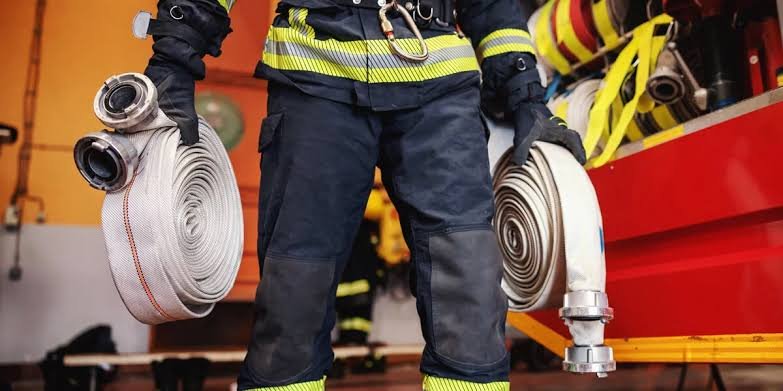
Fighting Fire: The Role of Fire HydrantsFire safety is a shared responsibility that involves prevention, early detection, warning, evacuation, and effective firefighting. Among the equipment used to protect buildings from fire, fire hydrants are an important part of many larger fire protection arrangements. They provide access to a water supply that trained firefighters or authorized emergency personnel can use to control and extinguish fires.A fire hydrant does not work alone. It is normally part of a broader water-based fire protection system that may include water storage tanks, pumps, pipework, valves, hose connections, sprinklers, and other equipment. It also works alongside detection and alarm equipment. A fire alarm system in Pakistan can provide an early warning, while hydrants can support firefighting operations after an emergency is identified.In Pakistan, fire protection requirements can vary according to building type, occupancy, size, location, and applicable regulations. The Building Code of Pakistan’s Fire Safety Provisions includes requirements covering fire department access and water supplies, including public and privately owned fire hydrant systems. What Is a Fire Hydrant?A fire hydrant is a connection point through which water can be supplied for firefighting. Hydrants may be installed outside a building or incorporated into an internal firefighting arrangement, depending on the building’s design and applicable requirements.An external hydrant is generally positioned where emergency responders can access it without unnecessary difficulty. Internal systems can provide firefighting connections within a building, allowing trained personnel or firefighters to access water closer to the affected area.A complete hydrant arrangement may involve more than the visible hydrant itself. Water tanks, pumps, pipes, valves, hose connections, and pressure-control equipment can all form part of the overall system.Why Are Fire Hydrants Important?Fire can spread quickly, particularly in buildings containing combustible materials or where occupants and emergency responders have limited access to the affected area. Fire hydrants provide an established firefighting water connection that can support emergency operations.Their importance can be understood through several key functions:1. Access to Firefighting WaterA hydrant provides a designated point for accessing water during firefighting operations. Having an organized water supply can be especially important for large buildings and properties where portable extinguishers alone may not be sufficient.2. Support for FirefightersFirefighters require reliable access to water when dealing with larger incidents. Properly designed hydrant infrastructure can help provide water at suitable locations around or within a property.3. Coverage of Large PropertiesFactories, warehouses, commercial complexes, and other large facilities can cover substantial areas. A properly planned hydrant network can provide strategically positioned firefighting connections.4. Integration With Other Fire Protection MeasuresHydrant systems are only one part of a broader fire safety strategy. Detection, alarms, sprinklers, extinguishers, emergency exits, fire pumps, and evacuation procedures can all contribute to overall protection.Punjab Civil Defence, for example, lists fire detection and alarm systems alongside firefighting arrangements such as extinguishers, hydrants, and sprinkler systems among fire safety measures inspected in relevant premises. Fire Hydrants and Fire Alarm SystemsIt is important to understand the difference between detection equipment and firefighting equipment.A fire alarm system is primarily intended to detect or receive information about a fire-related condition and provide warning. Depending on the design, it may also monitor suppression-system conditions and activate other emergency functions.A hydrant system, on the other hand, is primarily associated with supplying water for firefighting.These systems can therefore complement each other. An alarm can alert occupants and emergency personnel, while the firefighting infrastructure provides a means of applying water when appropriate.The Building Code of Pakistan’s Fire Safety Provisions addresses detection, alarm, communication, and suppression-related functions as parts of building fire protection. Main Components of a Hydrant SystemThe exact design depends on the property and applicable requirements, but a water-based hydrant arrangement may include several components.Water StorageA dedicated or appropriately designed water supply may be required to provide firefighting water. The capacity depends on the system design and applicable requirements.Fire PumpsPumps help provide the flow and pressure needed by the firefighting system. A properly designed system may use different pumps or arrangements depending on its requirements.Pipe NetworkPipes transport water from the source to the hydrant outlets. The network needs to be designed according to the required flow, pressure, building layout, and applicable standards.ValvesValves control sections of the water network and allow authorized personnel to manage the system during operation and maintenance.Hydrant OutletsThe hydrant outlet provides the connection point for firefighting hoses or other approved equipment.Hoses and NozzlesWhere provided as part of an approved system, hoses and nozzles allow firefighters to direct water toward the fire.Each component needs to be compatible with the overall system. A hydrant that is installed without an adequate water source or suitable pressure does not provide the same protection as a complete, properly engineered system.Internal and External Fire HydrantsHydrant arrangements can generally be considered in two broad categories: internal and external.Internal HydrantsInternal hydrants are located within a building or protected structure. They can be useful where firefighters need access to firefighting water inside the property.Their location should allow emergency personnel to reach them without unnecessary obstacles. Staircase areas, protected access routes, and other suitable locations may be considered during design.External HydrantsExternal hydrants are positioned outside buildings. They can provide firefighting access around the property and may be particularly relevant for larger industrial, commercial, storage, or high-risk premises.The Building Code of Pakistan specifically addresses public and privately owned fire hydrant systems and requires plans and specifications to be submitted to the relevant Authority Having Jurisdiction where applicable. Fire Hydrant Planning in PakistanWhen designing a fire protection system in Pakistan, there is no single arrangement that is appropriate for every building. The design should consider factors such as:Building size and heightOccupancy typeNumber of occupantsFire hazardsBuilding layoutAvailable water supplyAccess for emergency vehiclesRequired firefighting equipmentApplicable building regulationsLocal authority requirementsThe Building Code of Pakistan Fire Safety Provisions was developed to establish minimum requirements for fire and life safety and property protection and applies to new and existing buildings and building-like structures. For this reason, building owners should have fire protection systems designed and installed by appropriately qualified professionals.Hydrants in High-Rise BuildingsHigh-rise buildings present particular challenges because firefighters may have to operate over several floors and considerable distances from ground level.For such properties, fire protection can include a combination of detection, alarm, standpipe or hydrant arrangements, water supplies, pumps, emergency communication, and safe means of egress.The Building Code of Pakistan addresses fire alarm systems and standpipe systems as part of high-rise building fire protection requirements. A properly planned water-based firefighting system can therefore form an important part of high-rise fire safety.Fire Hydrants in Industrial FacilitiesIndustrial buildings may contain machinery, chemicals, electrical equipment, packaging, raw materials, or other materials that can increase fire risk.Hydrant systems can provide a dedicated firefighting water infrastructure for larger premises. The design should reflect the specific hazards present rather than simply installing a standard arrangement.Industrial facilities may also need fire detection, alarms, extinguishers, sprinklers, emergency exits, fire pumps, and emergency response procedures.Fire Hydrants in Commercial BuildingsShopping centers, offices, hotels, restaurants, and other commercial properties can have large numbers of occupants. A fire protection plan should therefore address both property protection and life safety.A properly designed system can combine early warning through detection and alarms with firefighting measures such as hydrants and sprinklers where required.Clear access to emergency equipment is also important. Equipment should not be blocked by storage, vehicles, construction materials, or other obstructions.Maintenance Is EssentialInstalling a hydrant system is only the beginning. Regular inspection and maintenance are necessary to help ensure that the system remains available when needed.Maintenance programs may include checking:Water availabilityPumpsValvesPipeworkHydrant outletsHosesPressure and flowSigns and accessibilityElectrical and mechanical equipmentGeneral system conditionAny problem discovered during inspection should be addressed by qualified personnel.The same principle applies to alarm systems. A fire alarm system in Pakistan should be regularly inspected and tested according to the applicable requirements and manufacturer’s instructions.Keeping Hydrants AccessibleAccessibility is a simple but important aspect of fire safety. Emergency equipment should be easy for authorized responders to locate and reach.Vehicles, construction materials, waste containers, landscaping, or other objects should not obstruct hydrant access.Clear identification can also help emergency personnel locate equipment quickly. The precise marking and placement requirements should follow the applicable code, authority requirements, and system design.Fire Safety Is More Than One Piece of EquipmentIt is tempting to think of fire protection as a collection of individual products. In reality, effective fire safety depends on how those products and procedures work together.A complete building strategy may involve:Fire detectionFire alarm systemsSmoke detectionManual alarm initiationFire extinguishersFire hydrantsAutomatic sprinklersFire pumpsEmergency lightingFire-rated constructionEmergency exitsEvacuation plansFire safety trainingRegular inspection and maintenanceThe Building Code of Pakistan recognizes multiple elements of fire and life safety rather than relying on one piece of equipment alone. Choosing Fire Protection EquipmentWhen selecting fire safety equipment, building owners should focus on suitability rather than simply choosing the cheapest option.Important considerations include:Compatibility: Equipment should work correctly with the rest of the system.Quality: Fire protection equipment should be appropriate for its intended application.Compliance: The design and equipment should meet applicable requirements and approvals.Professional installation: Fire protection systems should be installed by competent professionals.Maintenance support: Replacement parts, testing, servicing, and technical support should be considered throughout the equipment’s expected service life.For information about fire protection equipment and solutions, you can explore:[Flame Defender](https://flame-defender.com/?utm_source=chatgpt.com)The Role of Hydrants in a Modern Fire Safety StrategyModern fire safety is based on layers of protection. The first layer involves preventing fires where possible. The next involves detecting a fire early. Alarm systems then warn occupants and relevant personnel. Firefighting systems can help control the incident, while emergency exits and evacuation procedures protect people from exposure to danger.Fire hydrants fit into the firefighting layer of this strategy.They do not detect fires and they do not replace an alarm system. Instead, they provide an organized water connection that can support firefighting operations.This distinction helps building owners understand why a comprehensive fire safety plan is more effective than relying on a single device.ConclusionFire hydrants are an important component of water-based fire protection, particularly for larger, commercial, industrial, residential, and high-rise properties where dedicated firefighting water supplies may be required.In Pakistan, fire protection planning should take into account the Building Code of Pakistan, local authority requirements, building characteristics, occupancy, and the specific hazards present. The national Fire Safety Provisions include provisions covering fire hydrant systems, water supplies, fire department access, detection, alarms, and other life-safety measures. A hydrant system works best as part of a complete strategy that includes early detection, reliable alarms, suitable firefighting equipment, clear evacuation routes, trained personnel, and regular maintenance.For property owners and facility managers, the key lesson is simple: fire safety should be planned before an emergency occurs. A professionally designed and maintained system can provide valuable support to occupants and emergency responders when it matters most.Frequently Asked Questions1. What is the main purpose of a fire hydrant?A fire hydrant provides an established connection to a water supply that can be used for firefighting by trained firefighters or authorized emergency personnel.2. Are fire hydrants and fire alarm systems the same thing?No. A fire alarm system is primarily used to detect or communicate a fire-related condition and warn people. A hydrant is part of the firefighting infrastructure used to provide access to water.3. Where are fire hydrants commonly used?They may be used in residential complexes, commercial buildings, factories, warehouses, high-rise buildings, and other properties where a dedicated firefighting water supply is required by the applicable design or regulations.4. Do fire hydrants require regular maintenance?Yes. Hydrant systems should be inspected, tested, and maintained according to the applicable requirements, approved system design, and manufacturer’s instructions.5. What should be considered when installing a fire hydrant system in Pakistan?Building size, occupancy, fire hazards, water supply, pumps, pipework, access for emergency responders, applicable regulations, and local authority requirements should all be considered. A qualified fire protection professional should develop the system design.
Fighting Fire: The Role of Fire HydrantsFire safety is a shared responsibility that involves prevention, early detection, warning, evacuation, and effective firefighting. Among the equipment used to protect buildings from fire, fire hydrants are an important part of many larger fire protection arrangements. They provide access to a water supply that trained firefighters or authorized emergency personnel can use to control and extinguish fires.A fire hydrant does not work alone. It is normally part of a broader water-based fire protection system that may include water storage tanks, pumps, pipework, valves, hose connections, sprinklers, and other equipment. It also works alongside detection and alarm equipment. A fire alarm system in Pakistan can provide an early warning, while hydrants can support firefighting operations after an emergency is identified.In Pakistan, fire protection requirements can vary according to building type, occupancy, size, location, and applicable regulations. The Building Code of Pakistan’s Fire Safety Provisions includes requirements covering fire department access and water supplies, including public and privately owned fire hydrant systems. What Is a Fire Hydrant?A fire hydrant is a connection point through which water can be supplied for firefighting. Hydrants may be installed outside a building or incorporated into an internal firefighting arrangement, depending on the building’s design and applicable requirements.An external hydrant is generally positioned where emergency responders can access it without unnecessary difficulty. Internal systems can provide firefighting connections within a building, allowing trained personnel or firefighters to access water closer to the affected area.A complete hydrant arrangement may involve more than the visible hydrant itself. Water tanks, pumps, pipes, valves, hose connections, and pressure-control equipment can all form part of the overall system.Why Are Fire Hydrants Important?Fire can spread quickly, particularly in buildings containing combustible materials or where occupants and emergency responders have limited access to the affected area. Fire hydrants provide an established firefighting water connection that can support emergency operations.Their importance can be understood through several key functions:1. Access to Firefighting WaterA hydrant provides a designated point for accessing water during firefighting operations. Having an organized water supply can be especially important for large buildings and properties where portable extinguishers alone may not be sufficient.2. Support for FirefightersFirefighters require reliable access to water when dealing with larger incidents. Properly designed hydrant infrastructure can help provide water at suitable locations around or within a property.3. Coverage of Large PropertiesFactories, warehouses, commercial complexes, and other large facilities can cover substantial areas. A properly planned hydrant network can provide strategically positioned firefighting connections.4. Integration With Other Fire Protection MeasuresHydrant systems are only one part of a broader fire safety strategy. Detection, alarms, sprinklers, extinguishers, emergency exits, fire pumps, and evacuation procedures can all contribute to overall protection.Punjab Civil Defence, for example, lists fire detection and alarm systems alongside firefighting arrangements such as extinguishers, hydrants, and sprinkler systems among fire safety measures inspected in relevant premises. Fire Hydrants and Fire Alarm SystemsIt is important to understand the difference between detection equipment and firefighting equipment.A fire alarm system is primarily intended to detect or receive information about a fire-related condition and provide warning. Depending on the design, it may also monitor suppression-system conditions and activate other emergency functions.A hydrant system, on the other hand, is primarily associated with supplying water for firefighting.These systems can therefore complement each other. An alarm can alert occupants and emergency personnel, while the firefighting infrastructure provides a means of applying water when appropriate.The Building Code of Pakistan’s Fire Safety Provisions addresses detection, alarm, communication, and suppression-related functions as parts of building fire protection. Main Components of a Hydrant SystemThe exact design depends on the property and applicable requirements, but a water-based hydrant arrangement may include several components.Water StorageA dedicated or appropriately designed water supply may be required to provide firefighting water. The capacity depends on the system design and applicable requirements.Fire PumpsPumps help provide the flow and pressure needed by the firefighting system. A properly designed system may use different pumps or arrangements depending on its requirements.Pipe NetworkPipes transport water from the source to the hydrant outlets. The network needs to be designed according to the required flow, pressure, building layout, and applicable standards.ValvesValves control sections of the water network and allow authorized personnel to manage the system during operation and maintenance.Hydrant OutletsThe hydrant outlet provides the connection point for firefighting hoses or other approved equipment.Hoses and NozzlesWhere provided as part of an approved system, hoses and nozzles allow firefighters to direct water toward the fire.Each component needs to be compatible with the overall system. A hydrant that is installed without an adequate water source or suitable pressure does not provide the same protection as a complete, properly engineered system.Internal and External Fire HydrantsHydrant arrangements can generally be considered in two broad categories: internal and external.Internal HydrantsInternal hydrants are located within a building or protected structure. They can be useful where firefighters need access to firefighting water inside the property.Their location should allow emergency personnel to reach them without unnecessary obstacles. Staircase areas, protected access routes, and other suitable locations may be considered during design.External HydrantsExternal hydrants are positioned outside buildings. They can provide firefighting access around the property and may be particularly relevant for larger industrial, commercial, storage, or high-risk premises.The Building Code of Pakistan specifically addresses public and privately owned fire hydrant systems and requires plans and specifications to be submitted to the relevant Authority Having Jurisdiction where applicable. Fire Hydrant Planning in PakistanWhen designing a fire protection system in Pakistan, there is no single arrangement that is appropriate for every building. The design should consider factors such as:Building size and heightOccupancy typeNumber of occupantsFire hazardsBuilding layoutAvailable water supplyAccess for emergency vehiclesRequired firefighting equipmentApplicable building regulationsLocal authority requirementsThe Building Code of Pakistan Fire Safety Provisions was developed to establish minimum requirements for fire and life safety and property protection and applies to new and existing buildings and building-like structures. For this reason, building owners should have fire protection systems designed and installed by appropriately qualified professionals.Hydrants in High-Rise BuildingsHigh-rise buildings present particular challenges because firefighters may have to operate over several floors and considerable distances from ground level.For such properties, fire protection can include a combination of detection, alarm, standpipe or hydrant arrangements, water supplies, pumps, emergency communication, and safe means of egress.The Building Code of Pakistan addresses fire alarm systems and standpipe systems as part of high-rise building fire protection requirements. A properly planned water-based firefighting system can therefore form an important part of high-rise fire safety.Fire Hydrants in Industrial FacilitiesIndustrial buildings may contain machinery, chemicals, electrical equipment, packaging, raw materials, or other materials that can increase fire risk.Hydrant systems can provide a dedicated firefighting water infrastructure for larger premises. The design should reflect the specific hazards present rather than simply installing a standard arrangement.Industrial facilities may also need fire detection, alarms, extinguishers, sprinklers, emergency exits, fire pumps, and emergency response procedures.Fire Hydrants in Commercial BuildingsShopping centers, offices, hotels, restaurants, and other commercial properties can have large numbers of occupants. A fire protection plan should therefore address both property protection and life safety.A properly designed system can combine early warning through detection and alarms with firefighting measures such as hydrants and sprinklers where required.Clear access to emergency equipment is also important. Equipment should not be blocked by storage, vehicles, construction materials, or other obstructions.Maintenance Is EssentialInstalling a hydrant system is only the beginning. Regular inspection and maintenance are necessary to help ensure that the system remains available when needed.Maintenance programs may include checking:Water availabilityPumpsValvesPipeworkHydrant outletsHosesPressure and flowSigns and accessibilityElectrical and mechanical equipmentGeneral system conditionAny problem discovered during inspection should be addressed by qualified personnel.The same principle applies to alarm systems. A fire alarm system in Pakistan should be regularly inspected and tested according to the applicable requirements and manufacturer’s instructions.Keeping Hydrants AccessibleAccessibility is a simple but important aspect of fire safety. Emergency equipment should be easy for authorized responders to locate and reach.Vehicles, construction materials, waste containers, landscaping, or other objects should not obstruct hydrant access.Clear identification can also help emergency personnel locate equipment quickly. The precise marking and placement requirements should follow the applicable code, authority requirements, and system design.Fire Safety Is More Than One Piece of EquipmentIt is tempting to think of fire protection as a collection of individual products. In reality, effective fire safety depends on how those products and procedures work together.A complete building strategy may involve:Fire detectionFire alarm systemsSmoke detectionManual alarm initiationFire extinguishersFire hydrantsAutomatic sprinklersFire pumpsEmergency lightingFire-rated constructionEmergency exitsEvacuation plansFire safety trainingRegular inspection and maintenanceThe Building Code of Pakistan recognizes multiple elements of fire and life safety rather than relying on one piece of equipment alone. Choosing Fire Protection EquipmentWhen selecting fire safety equipment, building owners should focus on suitability rather than simply choosing the cheapest option.Important considerations include:Compatibility: Equipment should work correctly with the rest of the system.Quality: Fire protection equipment should be appropriate for its intended application.Compliance: The design and equipment should meet applicable requirements and approvals.Professional installation: Fire protection systems should be installed by competent professionals.Maintenance support: Replacement parts, testing, servicing, and technical support should be considered throughout the equipment’s expected service life.For information about fire protection equipment and solutions, you can explore:[Flame Defender](https://flame-defender.com/?utm_source=chatgpt.com)The Role of Hydrants in a Modern Fire Safety StrategyModern fire safety is based on layers of protection. The first layer involves preventing fires where possible. The next involves detecting a fire early. Alarm systems then warn occupants and relevant personnel. Firefighting systems can help control the incident, while emergency exits and evacuation procedures protect people from exposure to danger.Fire hydrants fit into the firefighting layer of this strategy.They do not detect fires and they do not replace an alarm system. Instead, they provide an organized water connection that can support firefighting operations.This distinction helps building owners understand why a comprehensive fire safety plan is more effective than relying on a single device.ConclusionFire hydrants are an important component of water-based fire protection, particularly for larger, commercial, industrial, residential, and high-rise properties where dedicated firefighting water supplies may be required.In Pakistan, fire protection planning should take into account the Building Code of Pakistan, local authority requirements, building characteristics, occupancy, and the specific hazards present. The national Fire Safety Provisions include provisions covering fire hydrant systems, water supplies, fire department access, detection, alarms, and other life-safety measures. A hydrant system works best as part of a complete strategy that includes early detection, reliable alarms, suitable firefighting equipment, clear evacuation routes, trained personnel, and regular maintenance.For property owners and facility managers, the key lesson is simple: fire safety should be planned before an emergency occurs. A professionally designed and maintained system can provide valuable support to occupants and emergency responders when it matters most.Frequently Asked Questions1. What is the main purpose of a fire hydrant?A fire hydrant provides an established connection to a water supply that can be used for firefighting by trained firefighters or authorized emergency personnel.2. Are fire hydrants and fire alarm systems the same thing?No. A fire alarm system is primarily used to detect or communicate a fire-related condition and warn people. A hydrant is part of the firefighting infrastructure used to provide access to water.3. Where are fire hydrants commonly used?They may be used in residential complexes, commercial buildings, factories, warehouses, high-rise buildings, and other properties where a dedicated firefighting water supply is required by the applicable design or regulations.4. Do fire hydrants require regular maintenance?Yes. Hydrant systems should be inspected, tested, and maintained according to the applicable requirements, approved system design, and manufacturer’s instructions.5. What should be considered when installing a fire hydrant system in Pakistan?Building size, occupancy, fire hazards, water supply, pumps, pipework, access for emergency responders, applicable regulations, and local authority requirements should all be considered. A qualified fire protection professional should develop the system design.