
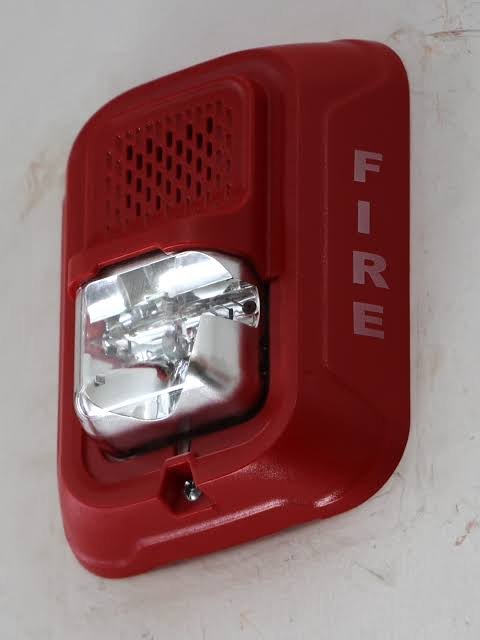
Fire safety is an important part of protecting homes, offices, factories, schools, shops, warehouses, hospitals, and other buildings. Yet fire alarm systems are sometimes treated as secondary equipment rather than an essential part of a complete safety plan. In reality, an effective alarm system can provide early warning and help people respond before a fire becomes more difficult to manage.
Pakistan Engineering Council (PEC) lists the Building Code of Pakistan Fire Safety Provisions 2016 among the country’s building codes and standards. The Building Code of Pakistan 2021 also states that fire alarm systems in high-rise buildings are to comply with the applicable fire-safety provisions.
A fire alarm does not prevent every fire, and it should never be considered a replacement for evacuation planning, fire protection equipment, safe electrical systems, or professional maintenance. Instead, it forms one important layer in a broader fire-safety strategy.
Here are five reasons fire alarm systems matter more than many people realize.
- Early Warning Can Save Valuable Time
The first and most important reason for having a fire alarm system is early warning.
A fire may begin in an area where nobody is present. If people do not notice smoke or heat immediately, valuable time can be lost before anyone raises an alarm. This is especially important in large buildings, warehouses, offices, factories, hotels, schools, and other premises with multiple rooms or floors.
A properly designed fire alarm system in Pakistan can detect signs of a developing fire through suitable detection devices and alert occupants using audible or visual notification.
The extra time provided by early warning can help people follow their emergency procedures and leave the building safely.
Flame Defender describes fire alarm systems as early-detection systems and provides conventional and addressable fire alarm solutions, including smoke detectors, heat sensors, control panels, testing, maintenance, and upgrades.
Why Every Second Matters
Fire conditions can change quickly. Smoke can spread beyond the room where a fire begins, while heat and flames can affect surrounding materials.
An alarm that identifies a potential emergency early can alert occupants before they become aware of the problem themselves.
This is particularly useful in buildings where:
- People work in different rooms.
- Several floors are occupied.
- Some areas are normally unattended.
- Machinery creates background noise.
- Visitors may not know the building layout.
- People may be sleeping or otherwise unable to notice a fire immediately.
The purpose is not to encourage anyone to approach a fire. Instead, the alarm provides an early signal so people can follow the building’s emergency and evacuation procedures.
- Fire Alarm Systems Help Protect People and Property
A fire can threaten both human safety and valuable property.
Businesses may have expensive machinery, computers, documents, inventory, electrical equipment, furniture, and other assets. A fire that goes unnoticed can cause extensive damage before anyone becomes aware of it.
Early notification can help reduce the amount of time between the beginning of an incident and the start of an emergency response.
However, a fire alarm is only one part of this protection. Depending on the building and its risks, other measures may include:
- Fire extinguishers
- Automatic suppression systems
- Hydrant systems
- Emergency lighting
- Exit signs
- Emergency communication
- Fire-resistant construction
- Evacuation procedures
- Regular inspections and maintenance
A layered approach is more reliable than depending on one piece of equipment.
Protecting Business Continuity
For a business, fire damage can have consequences that continue long after the fire itself.
A company may lose:
- Stock
- Equipment
- Production capacity
- Customer records
- Important documents
- Working space
- Revenue during closure
A reliable fire alarm can contribute to a broader strategy designed to limit the consequences of an emergency.
The goal is not simply to install equipment but to create a system that supports prevention, detection, notification, evacuation, and recovery.
- Different Buildings Need Different Fire Alarm Solutions
Another reason fire alarm systems matter is that there is no universal system that is perfect for every building.
A small office has different requirements from a large factory. A warehouse has different environmental conditions from a hotel. A school may have different evacuation and notification requirements from a shopping center.
This is why professional assessment is important before purchasing or installing a system.
Conventional Fire Alarm Systems
Conventional systems divide a building into zones. They can be suitable for certain smaller or simpler properties, depending on the building design and applicable requirements.
When an alarm is activated, the system can indicate the relevant zone so occupants and responsible personnel know where the event may be located.
Addressable Fire Alarm Systems
Addressable systems can identify individual devices or specific locations within a system. This can provide more detailed information and can be useful for larger or more complex properties.
Wireless Fire Alarm Systems
Wireless systems can be appropriate for some buildings where extensive cabling would be difficult or disruptive. Their suitability depends on the property, system design, environmental conditions, and applicable requirements.
Smoke and Heat Detection
Different areas may require different types of detection.
Smoke detectors can be useful where smoke is an appropriate early indicator of fire. Heat detection may be more appropriate in environments where smoke, steam, dust, or other conditions could affect the operation of smoke detectors.
The selection and placement of detection devices should therefore be based on the actual environment rather than simply installing the same device everywhere.
- Regular Maintenance Keeps the System Reliable
Installing a fire alarm system is only the beginning.
Like other safety equipment, fire alarm components can be affected by dust, humidity, environmental conditions, electrical problems, physical damage, aging, or general wear.
A system that worked correctly when installed may not perform as intended years later if it is not inspected and maintained.
Regular maintenance can include checking:
- Smoke detectors
- Heat detectors
- Manual call points
- Alarm sounders
- Visual notification devices
- Control panels
- Backup batteries
- Wiring and connections
- System fault indicators
- Communication equipment
Flame Defender states that its maintenance services include cleaning, testing, calibration, fault identification, and replacement or upgrading of components when necessary.
Testing Is Not Optional
Testing helps identify faults before an emergency occurs.
If a detector is not working, a battery has failed, a sounder is damaged, or the control panel shows a fault, the problem should be investigated promptly by appropriately qualified personnel.
Maintenance records should also be kept. These records can show when equipment was inspected, what problems were identified, and what corrective work was completed.
The Pakistan Engineering Council’s framework recognizes inspection, commissioning, installation, and maintenance of fire detection and alarm systems as a specialized engineering area. PEC’s ME02 category specifically covers installation, commissioning, and maintenance of fire detection, alarm, suppression systems, and related equipment.
- Fire Alarm Systems Support Better Emergency Planning
A fire alarm system becomes much more valuable when it is connected to a well-planned emergency response.
Employees, students, residents, customers, and visitors should know what to do when an alarm sounds.
An emergency plan can establish:
- Evacuation routes
- Emergency exits
- Assembly areas
- Responsibilities of staff
- Procedures for assisting visitors
- Emergency communication methods
- Procedures for contacting emergency services
- Methods for accounting for occupants
A fire alarm should trigger a clear response rather than confusion.
Staff Awareness Matters
In workplaces, employees should receive appropriate fire-safety awareness training. They should understand what the alarm means and know the building’s evacuation arrangements.
Training is particularly important for employees who have specific responsibilities during emergencies.
People should never be encouraged to take unnecessary risks or remain inside a dangerous building to investigate a fire. The priority during a serious emergency is to follow the established evacuation procedure and seek professional emergency assistance.
Emergency Communication
In larger or more complex buildings, an alarm may be combined with emergency voice or communication systems.
The Building Code of Pakistan 2021 identifies emergency voice/alarm communication systems as part of the emergency systems applicable to high-rise buildings.
Such systems can provide occupants with clearer instructions during an emergency, particularly where a building has multiple floors or large occupied areas.
What Should You Consider Before Buying a Fire Alarm System?
Buying a fire alarm system should begin with a site assessment rather than simply comparing equipment prices.
Important considerations include:
Building Size
The number of rooms, floors, occupants, and areas requiring detection can affect the system design.
Building Use
An office, warehouse, school, restaurant, factory, and residential building can have very different fire risks.
Environmental Conditions
Heat, humidity, dust, steam, machinery, and other environmental factors can affect the selection of detection devices.
Evacuation Requirements
The alarm should provide appropriate notification for the people who occupy the building.
Future Expansion
Businesses may expand or change their building layout. A system should be capable of being maintained or upgraded when appropriate.
Maintenance and Support
Ask about testing, servicing, replacement components, technical support, documentation, and future upgrades before making a purchase.
Professional Installation
Correct installation is just as important as choosing good equipment. A poorly designed or incorrectly installed system may not provide the expected level of protection.
Common Mistakes to Avoid
Several mistakes can reduce the effectiveness of a fire alarm system.
Choosing Only by Price
The cheapest equipment may not be appropriate for the building. Decisions should consider suitability, reliability, installation, maintenance, and long-term support.
Ignoring False Alarms
Frequent false alarms should not simply be accepted as normal. They can cause people to become less responsive to genuine alarms and may indicate an unsuitable detector, environmental issue, or system fault.
Blocking Detectors
Objects, equipment, storage, or building modifications can interfere with detection. Any changes to a property should be reviewed to ensure that detection coverage remains appropriate.
Skipping Maintenance
A system that is not tested and maintained can develop faults that remain unnoticed until an emergency occurs.
Forgetting About Building Changes
Renovations, new rooms, changes in occupancy, additional equipment, and extensions can alter fire risks. Fire protection should be reviewed when major changes are made.
Fire Alarm Systems and Other Fire Protection Measures
A fire alarm should not operate in isolation.
Depending on the building, it may form part of a wider fire-protection system that includes detection, notification, suppression, emergency communication, and other safety measures.
For example, a fire alarm may monitor or interact with certain fire-protection systems where the system design and applicable standards permit or require such integration.
Flame Defender also provides fire-suppression services that include risk assessment, system design, equipment supply, installation, commissioning, testing, and preventive maintenance.
The exact combination of systems should always be based on the building’s hazards and applicable requirements.
Why Professional Assessment Matters
A professional assessment can help identify risks that may not be obvious to a building owner.
An assessment can consider:
- Building layout
- Occupancy
- Fire hazards
- Existing equipment
- Detector locations
- Alarm coverage
- Electrical systems
- Emergency exits
- Potential changes to the property
- Maintenance requirements
The assessment should result in a system designed for the actual property rather than a generic package.
For businesses, professional planning can also make future maintenance and upgrades easier.
Fire Alarm Systems in Pakistan
Fire safety requirements in Pakistan are supported by building codes and fire-safety provisions developed through the relevant regulatory framework. PEC currently lists the Building Code of Pakistan Fire Safety Provisions 2016 among its developed building codes and standards.
The Building Code of Pakistan 2021 also contains provisions for fire alarm systems and emergency systems, including specific requirements for high-rise buildings.
Because requirements can depend on building type, occupancy, size, location, and applicable authority requirements, property owners should obtain professional advice for their particular premises.
For organizations looking for professional fire alarm services, “Flame Defender” (https://flame-defender.com/) offers fire alarm installation, testing, maintenance, and upgrades for properties in Pakistan.
A Simple Fire Alarm Safety Checklist
Before considering a fire alarm project complete, building owners and managers can review the following:
- Has the building received a fire-risk assessment?
- Are appropriate detectors installed?
- Are alarm devices audible or visible as required?
- Are emergency exits accessible?
- Is the control panel located appropriately?
- Are backup batteries maintained?
- Is the system regularly tested?
- Are faults repaired promptly?
- Are maintenance records kept?
- Do employees know what to do when the alarm sounds?
- Are evacuation procedures reviewed periodically?
- Has the system been reviewed after major building changes?
This checklist is a starting point, not a substitute for professional assessment or applicable regulations.
Final Thoughts
Fire alarm systems matter because fire safety depends heavily on early detection and effective notification.
The five key reasons are simple: they provide early warning, support the protection of people and property, can be designed for different building environments, require maintenance to remain reliable, and support organized emergency planning.
A fire alarm system in Pakistan should therefore be considered part of a complete fire-safety strategy rather than simply another piece of building equipment.
The most effective approach combines suitable detection, reliable notification, professional installation, regular testing, proper maintenance, clear evacuation procedures, and appropriate additional fire-protection measures.
For building owners and businesses, investing in a properly designed system is an investment in preparedness. The objective is straightforward: detect a potential fire as early as practical, alert people clearly, and support a safe and organized emergency response.
Frequently Asked Questions
- What is the main purpose of a fire alarm system?
The main purpose is to detect signs of fire and provide an early warning to people inside a building. This warning can support evacuation and other emergency procedures.
- Which type of fire alarm system is best for a building?
There is no single system that is best for every property. Conventional, addressable, wireless, smoke-detection, and heat-detection solutions may be suitable in different circumstances. The choice should be based on the building’s layout, occupancy, environmental conditions, risks, and applicable requirements.
- Does a fire alarm system need regular maintenance?
Yes. Regular inspection, testing, and maintenance are important for keeping detectors, control panels, batteries, notification devices, and other components operational.
- Can an existing building have a new fire alarm system installed?
Yes. Fire alarm systems can be designed for existing as well as new buildings. A professional site assessment can determine the appropriate system and installation approach.
- Is a fire alarm system enough to protect a building?
No. A fire alarm is one layer of protection. Depending on the building, a complete strategy may also include fire extinguishers, suppression systems, emergency lighting, clear exits, emergency communication, staff training, evacuation planning, and regular maintenance.