
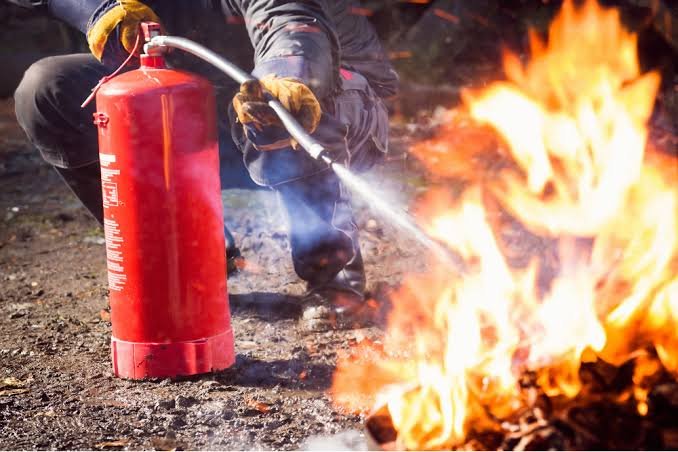
Fire safety is an important responsibility for homeowners, business owners, building managers, and industrial operators. Fire extinguishers, smoke detectors, fire alarms, sprinkler systems, and emergency lighting help protect people and property during emergencies. However, simply installing this equipment is not enough. It must be inspected, tested, and maintained to ensure it works when needed.
In Pakistan, buildings such as offices, shopping centres, schools, hospitals, factories, warehouses, and residential apartments may face different fire risks. Electrical faults, overloaded circuits, cooking accidents, gas leaks, and the improper storage of combustible materials can increase these risks. A suitable fire protection system can help people identify a fire early and respond safely.
A properly maintained fire alarm system in Pakistan can provide early warning, while other fire protection equipment can support evacuation and emergency response. Regular maintenance also helps identify faults before they become serious problems.
Here are ten important things everyone should know about fire equipment maintenance.
1. Understand Why Regular Fire Equipment Maintenance Matters
Fire equipment is designed to protect people during emergencies, but its effectiveness depends on its condition. A fire extinguisher may lose pressure, an alarm detector may become dirty, or a sprinkler valve may be accidentally closed. These problems can remain unnoticed without regular checks.
Maintenance helps identify faults, damaged components, missing equipment, and other issues that could affect performance.
The main benefits of regular maintenance include:
- Improved reliability: Equipment is more likely to operate as intended during an emergency.
- Early fault detection: Problems can be identified before they affect the entire system.
- Better emergency preparedness: Occupants can rely on warning systems and clearly accessible safety equipment.
- Reduced disruption: Planned maintenance can help avoid unexpected repairs and operational interruptions.
- Better recordkeeping: Inspection reports help building managers track faults and corrective actions.
The Building Code of Pakistan—Fire Safety Provisions 2016 addresses the ongoing maintenance of required fire and life-safety features. Building owners and managers should review the applicable requirements and consult the relevant local authority for their premises.
2. Inspect Fire Extinguishers Regularly
Fire extinguishers are common in homes, offices, shops, factories, and other buildings. However, their presence alone does not guarantee protection. Each extinguisher must be suitable for the potential fire hazards in its location and kept in serviceable condition.
During a routine visual inspection, an assigned and trained person should check:
- Whether the extinguisher is in its designated location.
- Whether access to it is clear and unobstructed.
- Whether the pressure indicator, where fitted, shows the acceptable range.
- Whether the safety pin and tamper seal appear intact.
- Whether the hose, nozzle, handle, and cylinder show visible damage.
- Whether the inspection label and service information are readable.
- Whether the extinguisher has been used or appears to have leaked.
Any damaged, discharged, corroded, or otherwise defective extinguisher should be assessed by a qualified service provider. Do not attempt to repair or pressure-test a cylinder yourself.
Inspection frequency and servicing requirements depend on the extinguisher type, manufacturer’s instructions, applicable standards, and local requirements. As one reference, the US Occupational Safety and Health Administration (OSHA) requires monthly visual inspections and annual maintenance checks for workplace extinguishers covered by its standard. These are US requirements, not automatically Pakistani legal requirements.
3. Keep Fire Alarm Systems in Working Condition
A fire alarm system provides an early warning that can give occupants time to respond and evacuate. Depending on the building, the system may include smoke detectors, heat detectors, manual call points, alarm sounders, visual warning devices, control panels, and backup power.
A faulty alarm system may fail to detect a fire, provide a warning, or communicate a fault correctly. This is why scheduled inspection and professional testing are essential.
Maintenance should cover the following areas:
Control panel: Check for fault indicators, warning messages, damaged components, and abnormal operating conditions.
Detection devices: Inspect detectors for dust, obstruction, physical damage, or environmental conditions that may interfere with detection.
Manual call points: Confirm that devices are accessible, clearly identified, and in suitable condition.
Alarm sounders and visual indicators: Test them using an approved procedure to verify that the warning can be noticed in relevant areas.
Backup power: Have batteries and power supplies checked according to manufacturer instructions and the system’s design.
System connections: Qualified technicians should inspect wiring, communication links, and connected equipment where applicable.
Testing can temporarily activate alarms or connected systems, so building managers should coordinate the work with occupants, monitoring services, and relevant personnel. A qualified technician should conduct system tests and restore the system to normal operation afterward.
When evaluating a fire alarm system in Pakistan, consider not only installation but also access to trained maintenance professionals, replacement parts, technical documentation, and long-term servicing.
4. Maintain Fire Sprinkler and Water-Based Systems
Automatic sprinkler systems can help control or suppress a fire when properly designed, installed, and maintained. Other water-based protection systems may include standpipes, hose reels, fire pumps, water tanks, and associated pipework.
These systems contain several components, and a problem with one part may affect overall performance.
Building managers should arrange inspections of:
- Valves and controls to confirm they remain in their required positions.
- Pipes and fittings for visible leaks, corrosion, or damage.
- Sprinkler heads for paint, obstruction, corrosion, or physical damage.
- Fire pumps and their power supplies.
- Water storage arrangements and required water availability.
- Pressure gauges and other monitoring devices.
- Hose reels, hose connections, and associated equipment.
Do not hang objects from sprinkler pipes or use sprinkler heads to support decorations, cables, or storage items. Keep the area around sprinkler heads clear so that heat and water distribution are not unnecessarily obstructed.
Fire pumps, valves, and other critical components should be tested by qualified personnel according to the approved system design and applicable maintenance requirements. Avoid closing valves, draining systems, or carrying out work that could reduce protection without an approved procedure and appropriate temporary safeguards.
5. Check Emergency Lighting and Exit Signs
Fire protection involves more than extinguishing a fire. People must also be able to find safe exit routes if normal lighting fails or smoke reduces visibility.
Emergency lighting and illuminated exit signs help occupants identify escape routes during a power failure or other emergency. These features are particularly important in large offices, apartment buildings, hospitals, shopping centres, factories, and public buildings.
Routine checks should confirm that:
- Exit routes remain clear of furniture, cartons, equipment, and stored materials.
- Exit signs are visible and correctly positioned.
- Emergency lights are not broken or obstructed.
- Backup batteries and power supplies receive the required testing.
- Lights operate for the duration specified by the system design and applicable requirements.
- Any failed light, damaged sign, or battery fault is reported and corrected.
A light that switches on during a brief test may not necessarily provide the required backup duration. Functional and duration testing should therefore follow the manufacturer’s instructions and relevant standards.
Building managers should also make sure that maintenance work does not block stairways, emergency exits, or access routes for emergency responders.
6. Inspect Fire Hoses, Hose Reels, and Hydrants
Fire hoses, hose reels, and hydrants provide access to water for firefighting. Their reliability depends on proper storage, accessibility, condition, and testing.
A routine inspection should look for visible damage, corrosion, missing components, leaks, and obstructions. Hose cabinets should be clearly identified and accessible. Hoses should be stored correctly to reduce the risk of damage, while nozzles and couplings should be present and in appropriate condition.
Hydrants and connected water supplies may require specialist checks to confirm that they are accessible and can deliver the required performance. These checks should be completed by competent personnel using approved procedures.
Important maintenance practices include:
- Keeping hydrants free from parked vehicles, rubbish, and stored materials.
- Checking cabinets, doors, couplings, and hose connections for visible damage.
- Recording missing or defective components.
- Following the manufacturer’s guidance for hose inspection and testing.
- Arranging required flow or pressure tests through qualified professionals.
Fire hoses and hydrants should not be treated as ordinary cleaning or gardening equipment. Their use and testing must follow the applicable safety procedures so that the equipment remains ready for an emergency.
7. Maintain Electrical Fire Protection and Safety Equipment
Electrical problems can contribute to fires in homes, offices, shops, and industrial buildings. Damaged cables, loose connections, overloaded circuits, unsuitable extension leads, and poorly maintained electrical equipment may create hazards.
Fire equipment maintenance should be supported by good electrical safety practices. This means inspecting electrical installations and protective devices as part of an appropriate building maintenance programme.
Qualified electricians should assess issues such as damaged wiring, overheated connections, defective circuit breakers, and unsuitable electrical installations. Building managers should also check that electrical rooms remain orderly and that access to distribution boards is not blocked.
Additional precautions include:
- Avoiding overloaded sockets and extension leads.
- Replacing damaged plugs and cables through qualified personnel.
- Keeping combustible materials away from electrical equipment.
- Ensuring electrical panels are appropriately identified and accessible.
- Arranging inspections of relevant protective devices.
- Reporting burning smells, unusual heat, sparking, or repeated circuit trips promptly.
Electrical faults should never be investigated by untrained people. If an electrical fire occurs, occupants should follow the emergency plan and evacuate when necessary. Never use water on energised electrical equipment.
Fire alarms and extinguishers are important parts of protection, but they cannot replace safe electrical installation, appropriate equipment selection, and preventive maintenance.
8. Follow a Written Inspection and Maintenance Schedule
Fire equipment maintenance becomes more reliable when responsibilities and deadlines are clearly defined. Without a written schedule, checks may be forgotten, defects may remain unresolved, and service dates can be missed.
A maintenance programme should identify each item of equipment, its location, the required inspection frequency, the person responsible, and the procedures to follow.
A simple maintenance register can include:
| Equipment | What to check | Record to keep |
|---|---|---|
| Fire extinguishers | Condition, accessibility, indicators, service status | Inspection and servicing records |
| Fire alarm system | Panel condition, detectors, alerts, backup power | Test results and fault reports |
| Sprinkler system | Valves, pipes, heads, pumps and water supply | Inspection and test reports |
| Emergency lighting | Operation, signs and backup performance | Functional and duration test results |
| Fire hoses and hydrants | Accessibility, visible condition and required tests | Inspection and test records |
The schedule should reflect manufacturer instructions, the building’s risk assessment, the system design, applicable standards, and local authority requirements. Not every component has the same inspection or testing interval.
A useful record should state the date, equipment identification, findings, defects, corrective actions, service provider where applicable, and the date when outstanding work was completed.
9. Use Qualified Professionals for Specialist Maintenance
Some routine visual checks can be assigned to trained building staff, but many maintenance tasks require specialist knowledge, tools, and test equipment.
Fire alarm systems, sprinkler installations, fire pumps, pressurised cylinders, and other critical equipment should be serviced by competent professionals familiar with the specific system. Incorrect repairs or testing can damage components, create new hazards, or leave the building without adequate protection.
When selecting a service provider, consider:
- Relevant training, experience, and qualifications.
- Familiarity with the installed equipment and its manufacturer.
- Availability of suitable replacement parts.
- Clear service reports and maintenance records.
- Ability to identify faults and explain corrective actions.
- Compliance with applicable standards and local requirements.
Do not assume that a system is fully operational simply because a technician visited the site. Review the service report, confirm that identified faults have been addressed, and ask for any required follow-up testing.
If critical fire protection equipment must be taken out of service, the building manager should follow an approved impairment procedure. This may require notifying relevant people, assessing the risk, arranging suitable temporary protection, and restoring the system promptly.
10. Train Occupants and Review the Entire Fire Safety Plan
Fire equipment works best when people know what it is for, where it is located, and what to do when an alarm sounds.
Staff, residents, security teams, and maintenance personnel should understand the building’s evacuation routes, assembly points, alarm signals, and emergency communication arrangements. Training should also explain when not to attempt firefighting and why evacuation must take priority when conditions are unsafe.
Only appropriately trained people should use fire extinguishers, and only when it is safe to do so, the fire is small and contained, the correct extinguisher is available, and a clear escape route remains behind them. If there is doubt, occupants should evacuate and contact emergency services.
Fire drills can help identify problems such as blocked exits, unclear instructions, inaccessible alarm call points, or confusion about responsibilities. After a drill, record the findings and make improvements.
The complete fire safety plan should be reviewed when a building changes its use, equipment is upgraded, new hazards are introduced, or an inspection identifies significant weaknesses.
In Pakistan, building owners and managers should consider the applicable provisions of the Building Code of Pakistan—Fire Safety Provisions 2016 and any relevant local rules. Requirements may differ according to the building, occupancy, and authority having jurisdiction.
Common Fire Equipment Maintenance Mistakes to Avoid
Even when a building has a maintenance plan, small oversights can weaken its effectiveness. Common mistakes include:
- Assuming that newly installed equipment does not need routine checks.
- Blocking access to extinguishers, hydrants, or alarm call points.
- Ignoring warning lights or fault messages on an alarm control panel.
- Missing scheduled professional servicing.
- Failing to document completed inspections and repairs.
- Allowing temporary repairs to remain in place indefinitely.
- Removing equipment for servicing without suitable temporary protection.
- Failing to confirm that a system has been returned to service after testing.
Preventing these problems requires clear responsibility, consistent records, prompt repairs, and regular review of the building’s fire safety arrangements.
Conclusion
Fire equipment maintenance is an essential part of protecting lives, property, and business operations. Extinguishers, alarm systems, sprinklers, emergency lights, fire hoses, and hydrants all need appropriate inspection and servicing to remain dependable.
For homes and workplaces in Pakistan, a practical maintenance programme should include scheduled checks, qualified professional servicing, accurate records, staff training, and compliance with applicable requirements. A reliable fire alarm system in Pakistan can help provide early warning, but it must operate alongside accessible escape routes, suitable firefighting equipment, and a well-practised emergency plan.
The most important principle is simple: installing fire safety equipment is only the beginning. Maintaining it properly helps ensure that it is ready when an emergency occurs.
Frequently Asked Questions (FAQs)
1. How often should fire equipment be inspected?
The frequency depends on the equipment type, manufacturer’s instructions, applicable standards, and local requirements. Some items need frequent visual checks, while other components require scheduled functional testing and professional servicing. Follow a documented maintenance plan rather than relying on a single annual visit.
2. Why is fire alarm system maintenance important?
Maintenance helps identify faulty detectors, damaged wiring, power-supply problems, control-panel warnings, and defective alarm devices. Regular testing by qualified personnel helps confirm that the system can provide the intended warning when needed.
3. Who is responsible for fire equipment maintenance in a building?
Responsibility commonly rests with the building owner, employer, facilities manager, or another designated person, depending on the building and applicable rules. Specific inspection and servicing tasks may be assigned to trained staff or qualified contractors, but responsibilities should be clearly documented.
4. What should be included in a fire equipment maintenance checklist?
A checklist should cover equipment location and accessibility, visible damage, service status, alarm and detection devices, emergency lighting, sprinkler components, fire hoses, and any required specialist tests. It should also record faults, corrective actions, inspection dates, and completed repairs.
5. Is fire equipment maintenance important for small businesses in Pakistan?
Yes. Small shops, offices, restaurants, workshops, and warehouses may face electrical, cooking, storage, or other fire hazards. Appropriate equipment, regular maintenance, clear escape routes, and basic emergency training can help reduce risks. The exact requirements depend on the premises and applicable local rules.