
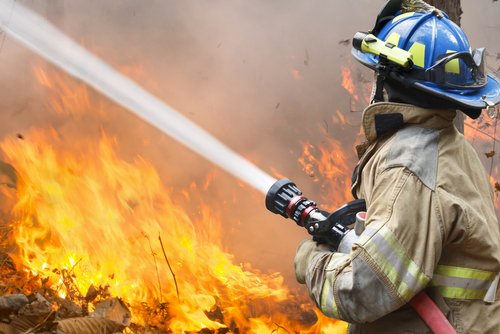
Summer brings high temperatures, dry weather, increased electricity consumption, and greater dependence on cooling appliances across Pakistan. While people focus on staying comfortable during hot weather, they may overlook the additional fire risks that can develop in homes, offices, shops, factories, and public buildings.
Heatwaves can increase pressure on electrical systems as air conditioners, fans, refrigerators, water pumps, and other appliances operate for longer periods. Dry vegetation can also make outdoor fires more likely to spread. In some areas, power interruptions lead people to depend on backup electricity, creating additional safety concerns when equipment is not properly maintained.
Understanding summer fire hazards is not only about preventing property damage. It is also about recognising danger early, responding responsibly, and helping people reach safety during an emergency. Awareness of common risks can save lives because people who understand potential hazards are more likely to recognise warning signs and follow appropriate emergency procedures.
A reliable Fire alarm system in Pakistan can support early detection and warning in residential and commercial buildings. However, alarms are only one part of an effective safety arrangement. Regular inspections, clear evacuation routes, professional equipment maintenance, and public awareness are equally important.
This article explains common summer fire hazards, why they become more concerning in Pakistan, and how households and organisations can improve their preparedness.
1. Why Summer Can Increase Fire Risks
Summer conditions can change the way people use buildings and electrical equipment. During extremely hot weather, cooling appliances may operate for much longer than usual. This increases electricity demand and can expose weaknesses in damaged or poorly maintained electrical installations.
Overloaded sockets, unsuitable extension leads, deteriorated cables, and loose electrical connections can create serious hazards. These problems are especially concerning in buildings where electrical systems have not received regular professional inspections.
Dry weather can also contribute to outdoor fire risks. Dry grass, leaves, rubbish, and other combustible materials may allow a small outdoor fire to spread more easily, particularly when conditions are hot and windy.
Businesses face additional challenges. Factories, warehouses, restaurants, shopping centres, and offices may contain electrical machinery, packaging, furniture, cooking equipment, or other combustible materials.
The important point is that summer does not automatically cause fires. Rather, seasonal conditions can increase existing risks when equipment, buildings, and safety arrangements are not properly maintained.
2. Electrical Overloading During Heatwaves
Electrical overloading is an important summer fire concern. Air conditioners, refrigerators, fans, and water pumps may operate simultaneously during periods of extreme heat. If the electrical installation is unsuitable for the demand, components can become damaged or unsafe.
Some warning signs include:
- Electrical sockets or plugs becoming unusually hot.
- Burning smells near switches or appliances.
- Repeated circuit breaker trips.
- Flickering lights or unexplained power interruptions.
- Discoloured outlets or damaged cables.
- Unusual sounds coming from electrical equipment.
These warning signs should never be ignored. A qualified electrician should inspect suspected electrical problems and recommend appropriate repairs.
Households should avoid connecting too many appliances to one socket or using damaged extension leads. Electrical equipment should be selected according to its intended use and manufacturer guidance.
Businesses should arrange professional inspections of their electrical installations, particularly before periods of high seasonal demand.
3. Air Conditioners and Cooling Appliances
Air conditioners provide comfort during Pakistan’s hot summers, but they require proper installation and maintenance.
Dust accumulation, damaged electrical connections, unsuitable installation, and neglected servicing can affect the safe operation of cooling equipment. Appliances that operate for long periods may also reveal problems that were not obvious during occasional use.
Property owners should arrange servicing through qualified technicians. The electrical supply, installation condition, and manufacturer-recommended maintenance should be reviewed as part of the process.
Other cooling appliances, including fans, refrigerators, and water coolers, also deserve attention. Damaged plugs, deteriorated cables, and unusual operating behaviour can indicate that professional inspection is needed.
Avoid placing electrical equipment where moisture or water can create additional hazards unless the appliance is specifically designed for that environment.
4. Generators and Backup Power Safety
Power interruptions can be particularly challenging during summer. Homes and businesses may depend on generators or other backup electricity arrangements to maintain cooling, lighting, and essential services.
However, backup equipment must be installed and maintained properly. Poor installation, damaged connections, and unsuitable fuel arrangements can create serious safety risks.
Generators must never be operated inside homes, garages, or enclosed living spaces. Their exhaust can produce dangerous gases, and the equipment may also create fire hazards.
Businesses should have backup-power arrangements assessed by qualified professionals. Equipment location, ventilation, electrical connections, and maintenance requirements should all be considered.
Households should not attempt electrical or mechanical repairs to generators themselves. Installation and servicing should be handled by trained technicians.
5. Kitchen and Cooking-Related Fire Hazards
Summer temperatures can make kitchens uncomfortable, but cooking activities must still receive proper attention. Busy households, restaurants, and catering businesses may experience additional risks when cooking areas become crowded or poorly organised.
Common concerns include unattended cooking, damaged appliances, combustible materials near heat sources, and inadequate maintenance.
Families can improve kitchen safety by following these practices:
- Keep paper, packaging, cloth, and other combustible materials away from cooking appliances.
- Maintain clean and organised cooking areas.
- Keep children away from hot equipment.
- Follow appliance operating instructions.
- Arrange professional maintenance when equipment develops faults.
- Keep kitchen exits and access routes clear.
Restaurants and commercial kitchens should maintain suitable fire safety arrangements and ensure employees understand the building’s emergency procedures.
6. Dry Vegetation and Outdoor Fire Risks
Summer can bring dry conditions in gardens, fields, parks, roadside areas, and open spaces. Dry grass, leaves, branches, and rubbish can contribute to the spread of outdoor fires.
The risk may become more serious during hot and windy weather. Outdoor fires can affect nearby homes, farms, roads, businesses, and natural environments.
Property owners and local communities should keep outdoor spaces appropriately maintained and follow local guidance about fire prevention. Waste should be managed responsibly, and potential fire hazards should be reported to the relevant authorities.
Children should never play with flames or investigate smoke in outdoor areas. If they notice a fire, they should alert a responsible adult and move to a safe place.
The National Disaster Management Authority’s Summer Hazards Contingency Plan 2026 highlights forest-fire preparedness and the importance of public awareness, early detection, and coordination among relevant departments.
7. The Importance of Early Fire Detection
A fire can develop before people fully understand what is happening. Smoke detectors and fire alarm systems help occupants receive an early warning, which can provide valuable time to evacuate.
A suitable Fire alarm system in Pakistan should be selected according to the building’s size, layout, occupancy, and fire risk.
Different buildings may need different detection arrangements. A small home, a multi-storey office, a school, and a large industrial facility do not necessarily require identical systems.
A professionally designed system may include suitable detection devices, alarm notification equipment, control panels, and other components appropriate to the premises.
Installation should be completed by competent professionals. Testing and maintenance should follow manufacturer instructions and applicable safety requirements.
An alarm should never be treated as a substitute for an evacuation plan. Occupants must know what the warning means and how to leave the building safely.
8. Fire Safety in Homes During Summer
Homes contain many potential fire hazards, including electrical appliances, cooking equipment, furniture, curtains, and stored household materials.
Families can reduce risk by reviewing their surroundings and developing simple safety habits.
Important precautions include:
- Arrange professional inspection of damaged electrical installations.
- Avoid overloading sockets and extension leads.
- Keep combustible materials away from heat sources.
- Maintain cooling appliances according to manufacturer guidance.
- Install suitable smoke alarms and check their condition.
- Keep doors, corridors, and exits clear.
- Discuss an emergency evacuation plan with everyone in the household.
Parents and guardians should explain fire safety to children in age-appropriate language. Children should know how to recognise an alarm, alert an adult, and follow evacuation instructions.
They should never be expected to investigate a fire or operate firefighting equipment.
9. Fire Safety in Offices, Shops, and Commercial Buildings
Commercial premises often contain electrical equipment, furniture, stock, packaging, and other materials that can contribute to a fire.
During summer, increased use of cooling systems and other appliances may place additional pressure on electrical installations.
Business owners and building managers should arrange professional inspections and maintain appropriate fire safety arrangements.
A commercial fire safety plan should consider:
- Fire detection and alarm arrangements.
- Emergency exits and evacuation routes.
- Emergency lighting and exit signs.
- Suitable fire safety equipment.
- Staff responsibilities and training.
- Visitor and customer evacuation arrangements.
- Inspection and maintenance records.
Storage areas should be organised so that combustible materials do not obstruct escape routes or create unnecessary hazards.
Managers should also ensure that contractors and maintenance workers understand relevant safety requirements before carrying out work on the premises.
10. Fire Safety in Factories and Warehouses
Factories and warehouses can contain machinery, electrical installations, packaging, raw materials, finished products, and storage systems. The type and quantity of materials present can affect the building’s fire risk.
Summer conditions may increase the use of cooling equipment and place additional demands on electrical systems. Industrial operations may also involve equipment that requires regular inspection and maintenance.
Management should arrange a suitable fire risk assessment and ensure that the building has appropriate detection, warning, and evacuation arrangements.
Important considerations include:
- Professional inspection of electrical equipment.
- Suitable storage arrangements for combustible materials.
- Clear access to emergency exits.
- Appropriate fire detection and alarm systems.
- Maintenance of relevant safety equipment.
- Staff awareness and evacuation training.
- Regular review of emergency procedures.
Employees should know how to recognise an alarm and follow the site’s evacuation plan. They should not be expected to deal with a fire unless they are appropriately trained, authorised, and acting within established safety procedures.
11. Why Fire Alarm Maintenance Matters
Installing an alarm is an important step, but it does not guarantee that the system will remain reliable indefinitely.
Dust, environmental conditions, component faults, power problems, and poor maintenance can affect performance. During summer, buildings may experience increased dust or changing environmental conditions that make regular inspection especially important.
Property owners and facility managers should:
- Follow the manufacturer’s testing and maintenance schedule.
- Arrange inspections by competent service providers.
- Keep records of inspections and identified faults.
- Address faults without unnecessary delay.
- Make sure occupants understand alarm signals.
- Review the system when the building layout or occupancy changes.
A properly maintained Fire alarm system in Pakistan can support an effective building safety strategy by helping people become aware of danger earlier.
For commercial and industrial buildings, maintenance responsibilities should be clearly assigned to a responsible person or management team.
12. Create a Clear Emergency Evacuation Plan
An evacuation plan explains how occupants can leave a building safely during an emergency. It should be based on the building’s actual layout and the needs of the people who use it.
Every household should identify suitable exits and agree on an outdoor meeting point. Businesses and public buildings should have clearly communicated evacuation arrangements.
A practical plan should include:
- Primary and alternative escape routes.
- Clearly identified exits.
- An outdoor meeting point.
- Emergency contact information.
- Arrangements for visitors.
- Assistance for people with disabilities or mobility difficulties.
- Responsibilities for staff members where appropriate.
Escape routes should remain clear at all times. Doors, corridors, staircases, and emergency exits should not be used for storage.
Children should be taught to leave with a responsible adult and never return inside to collect personal belongings.
13. What to Do When a Fire Emergency Occurs
During a fire emergency, people may feel confused or frightened. Knowing the basic priorities beforehand can help them respond more safely.
The most important priority is to protect human life.
If a fire or smoke is detected:
- Alert people in the building.
- Activate the alarm if it is safe and appropriate to do so.
- Leave using a safe available exit.
- Avoid lifts during a building fire.
- Follow the building’s evacuation instructions.
- Contact the local emergency service from a safe location.
- Do not return inside until the responsible authorities confirm that it is safe.
Children should immediately follow a responsible adult’s instructions. They should not investigate the source of smoke, attempt to control a fire, or delay leaving to collect belongings.
If an exit is blocked or the planned route is unsafe, occupants should follow the building’s emergency instructions and seek help from emergency responders.
14. Fire Safety Awareness in Schools and Public Places
Schools, shopping centres, hospitals, hotels, and other public buildings may contain large numbers of people who are unfamiliar with the premises.
These locations need suitable safety arrangements that consider visitors, employees, students, patients, and people who may require additional assistance.
Schools should teach age-appropriate fire awareness and conduct supervised evacuation practice. Teachers and staff should understand their responsibilities and know how to guide students towards safe locations.
Shopping centres and other public venues should provide suitable alarms, clear exit signs, accessible escape routes, and organised emergency procedures.
Building managers should review their arrangements regularly and make sure that changes to the building or its use are reflected in the evacuation plan.
Punjab Rescue 1122’s Community Safety Programme highlights the value of public education, school safety programmes, and evacuation drills in developing safer communities.
15. Fire Safety Regulations and Responsibilities in Pakistan
Fire safety requirements in Pakistan depend on the building type, location, occupancy, and relevant authority.
The Building Code of Pakistan Fire Safety Provisions 2016 is an important national reference for building fire safety. Provincial and local authorities may also have inspection procedures and requirements that apply to particular premises.
For example, Punjab Civil Defence identifies several fire safety measures within its inspection mandate, including fire detection and alarm systems, firefighting arrangements, fire safety plans, emergency control rooms, emergency exits, and evacuation plans.
Building owners, employers, developers, and facility managers should confirm which requirements apply to their premises. They should not assume that a safety arrangement designed for one type of building will automatically be suitable for another.
Professional assessment can help identify the appropriate systems and responsibilities.
16. Build a Summer Fire Safety Checklist
A checklist makes it easier to identify problems before they become emergencies.
For households:
- Check electrical appliances and visible cables for damage.
- Avoid overloading sockets and extension leads.
- Arrange professional servicing of air conditioners and other cooling equipment.
- Keep combustible materials away from heat sources.
- Check smoke alarms according to manufacturer guidance.
- Keep exits and corridors clear.
- Discuss the family evacuation plan.
- Make sure children know how to respond to an alarm.
For businesses:
- Review the building’s fire risk assessment.
- Arrange professional electrical inspections.
- Maintain cooling and backup-power equipment.
- Inspect fire detection and alarm arrangements.
- Keep emergency exits accessible.
- Review staff training and evacuation procedures.
- Maintain inspection and maintenance records.
- Confirm applicable local fire safety requirements.
These checks should be repeated when equipment, building conditions, or business operations change.
17. Make Summer Fire Prevention a Community Responsibility
Fire prevention is more effective when households, businesses, schools, and public authorities work together.
Residents can help by reporting visible hazards, maintaining their properties, and learning about local emergency arrangements. Businesses can contribute by maintaining equipment and training staff. Schools can help children understand how to recognise danger and follow evacuation instructions.
Community awareness also supports faster recognition of outdoor fires and other developing hazards.
The National Disaster Management Authority encourages public awareness, early warning, and coordinated preparedness as part of its summer hazard planning. These measures demonstrate that fire safety is not solely the responsibility of emergency services. Prevention and preparedness begin with everyday decisions made by individuals and organisations.
Conclusion
Summer fire hazards in Pakistan can affect homes, offices, factories, schools, and public spaces. High electricity demand, damaged wiring, poorly maintained cooling equipment, unsafe backup-power arrangements, and dry outdoor vegetation can all contribute to seasonal risks.
Understanding these hazards helps people recognise warning signs, improve their surroundings, and prepare for emergencies. Professional inspections, suitable detection systems, clear escape routes, and regular safety education can make buildings safer.
A properly selected and maintained Fire alarm system in Pakistan can provide an important early warning, but it should always be supported by a complete fire safety plan.
The most important lesson is that preparation saves valuable time. When people understand the risks, know how to respond to alarms, and follow clear evacuation procedures, they are better prepared to protect themselves and others during a summer fire emergency.
Frequently Asked Questions
1. What are the most common summer fire hazards in Pakistan?
Common summer fire hazards include overloaded electrical outlets, damaged wiring, poorly maintained air conditioners, unsafe generator arrangements, unattended cooking, and fires involving dry grass or vegetation.
2. Why can electrical fires become more concerning during summer?
Cooling appliances and other electrical devices may operate for longer periods during hot weather. This can increase electricity demand and expose weaknesses in damaged or unsuitable electrical installations.
3. How does a fire alarm system help during a summer emergency?
A fire alarm system can detect signs of fire and alert building occupants. Early warning can provide valuable time for people to follow the evacuation plan and reach a safe location.
4. How can families prepare their homes for summer fire safety?
Families should arrange professional inspection of electrical installations, maintain cooling appliances, avoid overloaded sockets, check smoke alarms, keep exits clear, and discuss an emergency evacuation plan.
5. What should people do if they notice a fire in a building?
They should alert others, leave using a safe exit, avoid lifts, and contact the local emergency service from a safe location. Children should follow a responsible adult’s instructions and never attempt to investigate or control the fire.