
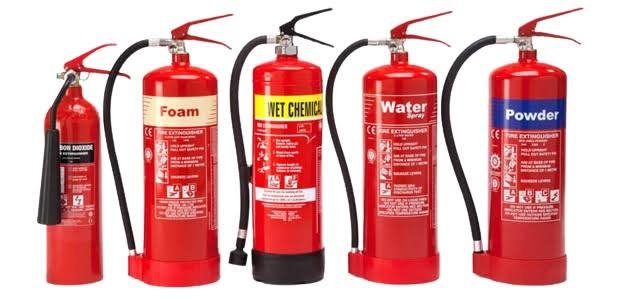
Fire safety equipment plays an important role in protecting homes, offices, factories, hospitals, schools, shopping centres, and other buildings. However, purchasing fire protection equipment is only one part of maintaining a safe environment. Fire extinguishers, alarm systems, smoke detectors, hydrants, emergency lighting, and other safety installations must also receive regular inspection and maintenance.
Equipment that looks perfectly normal may not work correctly when an emergency occurs. A fire alarm could have a faulty connection, an extinguisher may have an expired service date, or a fire pump may not operate as expected. Regular professional maintenance helps identify these problems before they become serious safety concerns.
For property owners and facility managers in Pakistan, finding a reliable maintenance provider is therefore an important responsibility. The right service company should have trained personnel, relevant technical knowledge, suitable equipment, and a clear maintenance process.
This guide explains where to find fire equipment maintenance services in Pakistan, what services to look for, how to assess a provider, and why regular maintenance matters. It also discusses the role of a reliable fire alarm system in Pakistan as part of a complete fire protection programme.
1. Why Fire Equipment Maintenance Is Important
Fire protection equipment is designed to support people during emergencies. However, its effectiveness depends on its condition, installation, and maintenance.
Dust, moisture, physical damage, ageing components, poor storage, and electrical faults can affect equipment performance. In busy buildings, equipment may also be moved, obstructed, or overlooked during routine facility management.
Professional maintenance helps building owners:
- Identify damaged or deteriorating equipment.
- Confirm that safety systems remain in suitable working condition.
- Find faults before they become more serious.
- Maintain records of inspections and repairs.
- Support compliance with applicable fire safety requirements.
- Improve confidence in emergency preparedness.
Maintenance should not be treated as an optional expense. It is part of responsible building management. A planned service programme can also help organisations manage repair costs by identifying problems before they lead to major equipment failure.
2. Where to Find Fire Equipment Maintenance Services in Pakistan
Fire equipment maintenance is a specialist service. Property owners should look for providers with relevant experience and the technical ability to work on the particular equipment installed at their premises.
There are several ways to identify suitable service providers in Pakistan.
Professional fire safety companies
Specialist fire safety companies may provide inspection, testing, repair, and preventive maintenance for different types of fire protection equipment.
Depending on their expertise, services may cover fire alarm systems, smoke detectors, fire extinguishers, hydrants, pumps, sprinklers, emergency lighting, and related installations.
When contacting a company, ask which equipment categories it supports. Not every provider has the same technical capabilities.
Equipment manufacturers and authorised service partners
Another option is to contact the manufacturer or supplier of the equipment. Some manufacturers provide maintenance directly or can refer customers to authorised service partners.
This can be particularly useful for specialised alarm panels, detection equipment, and integrated fire protection systems. Manufacturer guidance may also help identify compatible replacement components and appropriate maintenance requirements.
Before appointing a service partner, confirm its relationship with the manufacturer rather than relying only on verbal claims.
Building management and facility maintenance companies
Large commercial buildings, factories, hospitals, and residential complexes may already work with facility management companies.
Some facility management providers coordinate fire equipment inspections through specialist contractors. Building owners should confirm that the actual maintenance work is performed by competent personnel with experience in the relevant equipment.
Public-sector procurement platforms
Organisations can also review public procurement notices to understand the types of fire maintenance services being contracted in Pakistan.
For example, government procurement information published through the e-Pak Acquisition and Disposal System (EPADS) has included fire-fighting system maintenance requirements. Such notices can help organisations understand typical service categories and documentation expectations. They are procurement records, not endorsements of individual contractors.
Local fire safety authorities
Relevant authorities can provide information about fire safety inspections and applicable requirements. In Punjab, the Civil Defence Department identifies inspection of fire safety measures in industrial, commercial, and high-rise premises among its responsibilities.
An authority’s inspection role should not be confused with a commercial maintenance service. Property owners should ask the relevant department about compliance requirements and separately appoint an appropriately qualified service provider where maintenance is needed.
3. What Equipment Should Be Included in a Maintenance Plan?
A building’s maintenance requirements depend on its design, size, occupancy, hazards, and installed systems. A professional assessment can help determine which equipment needs inspection and how frequently it should be serviced.
Fire alarm systems
Fire alarm systems help provide early warning when a fire-related condition is detected. They may include a control panel, smoke detectors, heat detectors, manual call points, sounders, visual indicators, and standby power arrangements.
Maintenance should be carried out by competent technicians familiar with the installed system. The work may include inspection of components, review of fault indications, appropriate functional testing, and examination of standby power arrangements.
A properly maintained fire alarm system in Pakistan can support emergency awareness in buildings where early warning is essential. Its maintenance schedule should follow the applicable requirements, system design, and manufacturer’s instructions.
Fire extinguishers
Fire extinguishers must be appropriate for the hazards in the building and maintained according to relevant requirements.
A maintenance provider should check matters such as physical condition, identification, accessibility, service status, and other requirements relevant to the extinguisher type.
Building staff should report missing, damaged, obstructed, or apparently defective equipment. Any servicing, recharging, or specialist examination should be handled by competent personnel.
Fire hydrants and hose systems
Hydrants and hose systems are important parts of fire protection arrangements in many commercial and industrial premises.
Their maintenance may involve professional inspection of visible components, valves, hoses, connections, pressure-related performance, and associated equipment. The maintenance provider should document findings and report defects that require attention.
Fire pumps
Fire pumps support water-based fire protection systems where installed. Their condition is important because a failure may affect the wider system.
A planned maintenance programme should be based on the pump design, manufacturer’s instructions, applicable standards, and the building’s fire protection requirements. Testing and servicing should be conducted by trained specialists.
Smoke and heat detectors
Smoke and heat detectors are designed to identify conditions associated with a possible fire. Dust, environmental conditions, ageing, unsuitable placement, or component faults may affect their performance.
A professional technician should assess their condition and carry out appropriate testing and maintenance according to the installed system’s requirements.
Emergency lighting and exit signs
Emergency lighting and exit signs help people identify escape routes when normal lighting or power is affected.
Maintenance should consider the condition, visibility, power arrangements, and functional performance of the equipment. Defective or poorly positioned signs should be reported for correction.
4. How to Choose a Reliable Maintenance Provider
Selecting a service provider requires more than comparing prices. Fire protection systems are important safety installations, so technical competence and service quality should be major considerations.
Check experience and technical knowledge
Ask how long the company has worked with the equipment installed in your building. Experience with fire extinguishers does not automatically mean a provider is qualified to service addressable fire alarm systems or specialised suppression equipment.
Request details of the technicians’ relevant training and experience.
Confirm the scope of services
A quotation should clearly explain what is included. For example, does it cover inspection only, or does it also include testing, preventive maintenance, repairs, and reporting?
The provider should identify any services that require separate approval or additional charges.
Ask about manufacturer compatibility
Some equipment requires specialist knowledge or manufacturer-approved components. Confirm that the service provider understands the installed brand and model.
Where required, ask for evidence of authorisation or relevant technical training.
Review documentation
A professional provider should be able to produce appropriate service records. These may include inspection reports, test records, identified defects, repair details, replacement information, and recommendations.
Documentation makes it easier for building managers to track the condition of equipment over time.
Check customer references
For large or complex projects, ask for relevant examples of previous work. References from similar buildings may help establish whether a provider has experience with comparable equipment and operational conditions.
Understand emergency support arrangements
Ask how the company handles urgent service requests, equipment faults, and planned visits. A clear communication process can help building managers respond when a problem is identified.
Do not assume that every provider offers round-the-clock support. Confirm availability and response arrangements in writing.
5. Questions to Ask Before Hiring a Service Company
Before signing a maintenance agreement, building owners and facility managers should obtain clear answers to important questions.
Consider asking:
- Which types and brands of fire equipment can your technicians maintain?
- What technical qualifications or training do your technicians have?
- Do you follow manufacturer recommendations and applicable standards?
- What is included in the inspection and maintenance quotation?
- Will you provide written inspection and service reports?
- How are defective components and replacement parts handled?
- Are emergency support services available?
- How will maintenance visits be scheduled?
- Will you inform building management about equipment that is not operational?
- Can you provide references for similar projects?
A trustworthy provider should explain its work clearly. If a company cannot describe what it will inspect, how it will document the work, or which equipment it can service, building management should seek further clarification before making a decision.
6. Understand Maintenance Costs and Quotations
The cost of fire equipment maintenance in Pakistan varies according to the building and the services required. A small office with a limited number of extinguishers will have different requirements from a hospital, factory, or multi-storey commercial building.
Factors that can affect the quotation include:
- Number and type of equipment units.
- Building size and layout.
- Equipment brand and technical complexity.
- Frequency of scheduled visits.
- Inspection and testing requirements.
- Availability of replacement parts.
- Travel and service arrangements.
- Repair work outside the agreed maintenance scope.
A low quotation is not always the best option. If it excludes important inspections, testing, or documentation, the apparent saving may leave the building with maintenance gaps.
Compare quotations based on their scope rather than the final price alone. Ask providers to separate routine maintenance charges from repair costs and replacement parts.
7. How Often Should Fire Equipment Be Maintained?
There is no single maintenance schedule suitable for every building and every piece of equipment. The appropriate frequency depends on the equipment type, applicable standards, manufacturer’s instructions, local requirements, and the building’s risk profile.
A maintenance plan should distinguish between routine visual checks, scheduled professional inspections, functional testing, and more extensive servicing.
For example, a maintenance schedule published by the National Electric Power Regulatory Authority (NEPRA) for its own fire and safety arrangements describes monthly inspections of fire alarm components and firefighting equipment, quarterly inspection and testing activities, and six-monthly preventive maintenance work. This is an example of an organisational schedule, not a universal timetable for every Pakistani building.
Building owners should ask a qualified professional to prepare a schedule for their particular premises. The schedule should be reviewed whenever equipment is changed, a fault is identified, or building conditions are significantly altered.
8. Why Fire Alarm System Maintenance Deserves Special Attention
Fire alarm systems are made up of connected components. A problem with one part may affect how the wider system communicates or responds.
For example, a detector may develop a fault, a control panel may display an error, or standby power arrangements may require attention. These issues should be assessed by a technician who understands the installed system.
A maintenance programme for a fire alarm system should consider:
- The condition of the control panel.
- Smoke and heat detection devices.
- Manual alarm call points.
- Audible and visual warning devices.
- Power supplies and standby batteries.
- System fault indications.
- Relevant monitoring and communication arrangements.
- Records of testing, servicing, and repairs.
Testing should be planned and communicated so that occupants are not confused by scheduled alarms. Building management should also know how to respond when the system indicates a fault or becomes unavailable.
The Building Code of Pakistan Fire Safety Provisions 2016 addresses fire alarm system maintenance and impairment. It places importance on notifying the relevant authority when a required system is impaired in the circumstances described by the provisions.
This is another reason to avoid ignoring alarm faults or postponing necessary professional attention.
9. Keep Proper Fire Equipment Maintenance Records
Maintenance records help organisations understand whether their fire protection equipment is being inspected and serviced as planned.
A useful record system should include:
Equipment identification: Record the type, location, manufacturer, and model where relevant.
Inspection dates: Document when routine inspections and professional maintenance visits take place.
Service findings: Record the condition of the equipment and any faults identified.
Repairs and replacements: Note what work was completed and which components were replaced.
Outstanding issues: Keep a record of defects that still require attention and the person responsible for following them up.
Next service date: Include the planned date or period for the next inspection or maintenance activity.
These records can help building managers coordinate contractors, prepare for inspections, and identify recurring equipment problems.
Digital records may be useful for large properties with many equipment locations. Smaller organisations can also maintain a structured register, provided it is kept accurate and accessible to responsible staff.
10. Common Fire Equipment Maintenance Mistakes to Avoid
Even organisations that own suitable fire protection equipment can make mistakes in managing it.
Choosing a provider based only on price
A cheap service may not include the necessary inspection, testing, or reporting. Always compare the work included in each quotation.
Ignoring manufacturer recommendations
Different products have different maintenance requirements. A generic approach may not be suitable for every system.
Delaying repairs
A fault that remains unresolved can reduce confidence in the equipment’s readiness. Defects should be reported, assessed, and addressed through an appropriate process.
Failing to maintain records
Without documentation, it can be difficult to establish when equipment was last inspected or whether identified problems were corrected.
Blocking access to equipment
Fire extinguishers, alarm call points, hydrants, and emergency exits should remain accessible. Storage and building activities should not obstruct them.
Treating all equipment as identical
Fire alarms, extinguishers, pumps, detectors, and suppression systems have different technical requirements. Maintenance should be performed by people competent in the relevant equipment.
11. Fire Equipment Maintenance in Different Pakistani Buildings
Different buildings have different fire protection needs. A maintenance programme should reflect how the premises are used and the people who occupy them.
Commercial buildings: Offices, shopping centres, and business premises may need coordinated maintenance for alarms, extinguishers, emergency lighting, and evacuation arrangements.
Factories and warehouses: Industrial premises may have specialised equipment, large storage areas, machinery, and additional fire hazards. Maintenance planning should reflect the site’s processes and risk assessment.
Hospitals and healthcare facilities: Fire safety arrangements must consider patients, visitors, staff, and people who may need assistance during evacuation. Maintenance should be coordinated carefully to avoid unnecessary disruption to essential services.
Schools and educational institutions: Equipment should remain accessible and suitable for the building. Staff should understand reporting procedures and emergency arrangements.
Residential buildings: Apartment blocks and housing complexes may need maintenance of shared alarms, extinguishers, hydrants, emergency lighting, and other common-area safety equipment.
In each case, a professional assessment can help determine the appropriate maintenance scope.
12. The Role of Fire Safety Companies in Pakistan
Professional fire safety companies can help organisations manage the technical side of fire protection. Depending on their capabilities, they may provide equipment inspections, preventive maintenance, repairs, system testing, installation support, and technical reports.
When selecting a provider, property owners should look for a company that communicates clearly, understands the equipment, and provides transparent documentation.
For organisations reviewing their fire protection arrangements, it is also useful to consider whether alarm maintenance, firefighting equipment inspections, and emergency planning are being coordinated as part of one wider safety programme.
Flame Defender’s website can be used as a starting point for exploring fire safety information and services. Before appointing any provider, confirm the exact maintenance services offered, technical qualifications, equipment compatibility, and service terms directly with the company.
13. A Practical Fire Equipment Maintenance Checklist
Building managers can use the following checklist as a starting point for reviewing their maintenance arrangements:
- [ ] A complete register of installed fire equipment is available.
- [ ] Each item has a known location and identification.
- [ ] A suitable maintenance schedule has been prepared.
- [ ] A competent service provider has been appointed.
- [ ] Fire alarm components are included in the maintenance plan where installed.
- [ ] Extinguishers are accessible and receive appropriate inspections.
- [ ] Hydrants, hoses, and pumps are included where installed.
- [ ] Emergency lighting and exit signs are checked.
- [ ] Identified faults are recorded and followed up.
- [ ] Maintenance reports are retained.
- [ ] Staff know how to report damaged or missing equipment.
- [ ] Maintenance arrangements are reviewed when building conditions change.
This checklist is not a substitute for a professional inspection or the applicable technical requirements. It can, however, help organisations identify missing parts of their maintenance programme.
Conclusion
Finding reliable fire equipment maintenance in Pakistan is an important step towards keeping buildings prepared for emergencies. Property owners should look beyond the initial service price and consider technical experience, equipment compatibility, inspection procedures, maintenance schedules, and written reports.
Fire alarms, extinguishers, detectors, hydrants, pumps, emergency lighting, and other safety installations all have different maintenance requirements. Their condition should be reviewed by competent professionals according to applicable standards, manufacturer instructions, and local requirements.
A properly maintained fire protection programme is not simply about keeping equipment on the premises. It is about ensuring that the equipment remains suitable, accessible, and ready to perform its intended role.
By selecting a qualified service provider, keeping accurate records, and addressing faults promptly, organisations can improve fire safety management and protect the people who use their buildings.
Frequently Asked Questions (FAQs)
1. Where can I find fire equipment maintenance services in Pakistan?
You can look for specialist fire safety companies, manufacturer-authorised service partners, and qualified facility maintenance contractors. You can also review relevant public procurement notices to understand service requirements. Always verify a provider’s technical experience and service scope before hiring.
2. What equipment is included in fire equipment maintenance?
Depending on the building, maintenance may cover fire alarm systems, smoke and heat detectors, extinguishers, hydrants, hoses, fire pumps, sprinklers, emergency lighting, and exit signs. A professional assessment helps identify the equipment that requires servicing.
3. How often should fire equipment be inspected?
Inspection and maintenance frequency depends on equipment type, manufacturer recommendations, applicable standards, local requirements, and building risks. A competent professional should prepare a suitable schedule rather than relying on one timetable for every building.
4. Why is professional fire alarm system maintenance important?
Professional maintenance helps identify faults in control panels, detectors, warning devices, wiring, and standby power arrangements. It also supports proper documentation and helps ensure that the system remains suitable for its intended purpose.
5. What should I check before hiring a fire equipment maintenance company?
Check the company’s relevant experience, technician qualifications, equipment compatibility, maintenance procedures, service coverage, written reporting, and emergency support arrangements. Ask for a clear quotation that explains which inspections, tests, repairs, and replacement parts are included.