
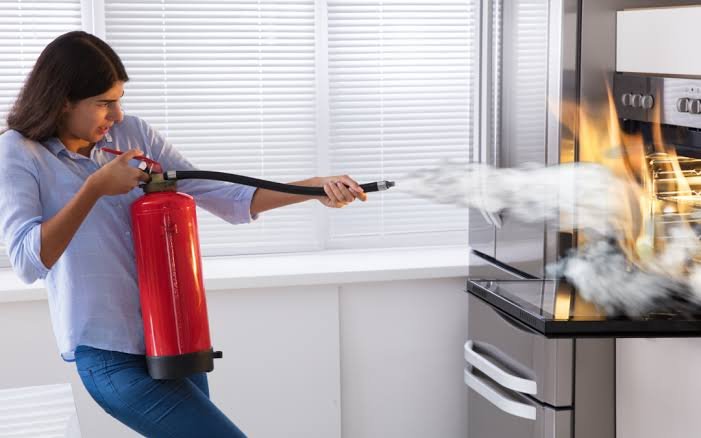
Renting a house, apartment, room, or portion comes with responsibilities that go beyond paying rent and maintaining the property. Fire safety is one of the most important considerations for anyone living in rented accommodation. Although tenants may not own the building or control its permanent installations, they still have an important role in identifying hazards, reporting problems, keeping exits clear, and understanding emergency procedures.
In Pakistan, rental properties vary considerably. Some tenants live in independent houses, while others occupy apartments, hostels, shared buildings, or portions of larger homes. Each type of accommodation has different safety requirements. A small house may have a simple smoke alarm, whereas a multi-storey residential building may require a coordinated fire detection and alarm arrangement.
Understanding basic fire safety can help renters make informed decisions before moving in and throughout their tenancy. The following ten points explain what every renter should know.
1. Inspect Fire Safety Before Renting a Property
Before signing a rental agreement, take time to observe the property’s general safety condition. People often focus on rent, location, water supply, parking, and room size, but overlook important fire safety features.
Look at the condition of electrical switches, sockets, doors, windows, and visible wiring. Check whether the main entrance can be opened normally and whether corridors are free from unnecessary obstructions.
If you are considering an apartment, ask about shared building facilities. Find out whether smoke detectors, fire alarms, emergency lighting, and designated escape routes are available where required.
It is also sensible to ask the landlord or property manager:
- Are smoke alarms installed and maintained?
- Is there a building-wide fire alarm?
- Are emergency exits accessible?
- Who handles repairs to electrical installations?
- What should residents do if an alarm sounds?
- Is there an established evacuation arrangement?
Do not assume that a freshly renovated property is automatically safe. Electrical installations and shared emergency facilities deserve attention even when the interior looks modern.
If you notice serious safety concerns, raise them before moving in and request appropriate professional assessment or repairs.
2. Understand Smoke Alarms and Fire Alarm Systems
Smoke alarms provide an early warning when smoke is detected. They can help residents recognise a developing emergency and leave the property promptly.
A standalone smoke alarm generally alerts people within its immediate area. A larger building may have a connected fire alarm system that uses detectors, control panels, manual call points, sounders, and visual warning devices.
A suitable fire alarm system in Pakistan should reflect the building’s size, layout, occupancy, and fire risks. The arrangements needed for an independent house may differ considerably from those required in a high-rise apartment building.
Renters do not need to understand the technical design of the equipment. However, they should know what the alarm sounds like, how to report a fault, and what evacuation instructions apply.
If an alarm is missing, damaged, disconnected, or repeatedly malfunctioning, notify the landlord or building management. Do not cover, remove, disconnect, or interfere with the equipment.
Regular testing and maintenance should follow the manufacturer’s instructions and applicable requirements. Building management should arrange technical work through competent professionals.
3. Learn the Available Escape Routes
Knowing how to leave a property safely is an essential part of being prepared.
When you move into a rented home or apartment, identify the normal exit and any alternative designated escape route. In a multi-storey building, learn where the appropriate staircases are located and how to reach them.
Do not assume that lifts will be available during a fire emergency. Follow the building’s evacuation instructions and use designated escape routes.
Pay attention to:
- Clearly visible exit signs.
- Accessible doors and corridors.
- Staircases that are not blocked.
- Emergency lighting where required.
- Doors that can be opened properly.
- The building’s designated assembly area.
If an exit is locked, damaged, or obstructed, inform building management promptly.
Tenants should also avoid storing personal belongings in shared corridors or stairways. Shoes, bicycles, boxes, furniture, and other objects can make evacuation more difficult.
Everyone living in the property should understand the escape arrangement, including children, older residents, and people who may need assistance.
4. Take Electrical Safety Seriously
Electrical problems are an important fire risk in residential properties. Damaged cables, loose connections, overloaded sockets, and faulty appliances can create dangerous conditions.
Renters should look for visible warning signs, including:
- Cracked or damaged electrical sockets.
- Exposed or deteriorating cables.
- Burn marks around switches.
- Repeated circuit-breaker trips.
- Unusual buzzing sounds.
- Burning smells near electrical equipment.
If you notice a problem, stop using the affected equipment or outlet if it is safe to do so and inform the landlord. Do not attempt to repair fixed wiring or electrical installations yourself.
Avoid connecting several high-power appliances to one extension board. Use suitable electrical accessories and follow appliance instructions.
In Pakistan, voltage fluctuations and power interruptions can also affect household equipment. Electrical installations should be suitable for the local supply and checked by qualified professionals when concerns arise.
Keeping electrical equipment in good condition is a shared safety priority, but technical inspection and repairs should be handled by competent people.
5. Follow Safe Cooking Practices
Cooking is a regular activity in most homes, but kitchens can contain several potential fire hazards.
Never leave cooking unattended, especially when using gas appliances or other heat-producing equipment. Keep paper, plastic bags, cloth, packaging, and other combustible materials away from cooking areas.
Kitchen appliances should be maintained according to their manufacturer’s instructions. Damaged electrical appliances should not continue to be used.
Renters should also pay attention to gas connections and ventilation. If a hose, regulator, or appliance appears damaged, report it and arrange for an appropriate professional inspection.
If you suspect a gas leak, treat it as an emergency. Avoid flames and do not operate electrical switches in the affected area. Move away to a safe location and contact the relevant emergency or gas service provider.
Shared accommodation requires additional cooperation. Residents should agree on basic kitchen rules, keep the area reasonably clean, and avoid leaving cooking equipment unattended.
If a fire develops, prioritise getting everyone to safety and contacting emergency services. Do not put yourself at risk by attempting to deal with a spreading fire.
6. Understand Gas and Heating Hazards
Many homes in Pakistan use gas appliances, room heaters, and other equipment for cooking and warmth. These appliances require proper installation, ventilation, and maintenance.
Renters should make sure that ventilation openings are not blocked and that heating equipment is used according to its manufacturer’s instructions.
Never use a cooking appliance as an improvised room heater. Keep portable heaters away from curtains, bedding, clothes, and furniture. Do not use heating equipment to dry laundry.
Carbon monoxide is another important concern where fuel-burning appliances are used. It is a poisonous gas that cannot be reliably detected by smell. Where appropriate, a suitable carbon monoxide alarm can provide an additional warning.
Ask the landlord or a qualified professional about the condition and maintenance of gas appliances. Do not attempt to repair gas equipment yourself.
If you notice an unusual gas smell, move away from the affected area and contact the relevant service provider from a safe location.
7. Keep Shared Areas and Exits Clear
In apartment buildings, hostels, and shared houses, fire safety depends on the condition of common areas as well as individual rooms.
Corridors, staircases, lobbies, and entrance areas may be used by many residents. Obstructions can make it difficult for people to leave during an emergency.
Tenants should avoid using common escape routes as storage areas. Personal belongings should remain inside designated spaces rather than being placed in corridors or stairways.
Fire doors also play an important role in many buildings. They are designed to help restrict the movement of smoke and fire when properly installed and maintained.
Do not wedge fire doors open or interfere with their closing mechanisms. If a door appears damaged or does not close correctly, report it to building management.
Management should arrange suitable inspections of shared spaces and emergency facilities. Residents can contribute by following building rules and reporting problems rather than ignoring them.
8. Know Your Responsibilities as a Tenant
Fire safety is a shared responsibility between property owners, building managers, and occupants. However, their responsibilities are not necessarily identical.
Landlords and building managers generally control major building maintenance, permanent installations, and shared safety equipment. Tenants are responsible for using the property sensibly, avoiding unnecessary hazards, and reporting problems.
Before moving in, discuss the maintenance arrangements with the landlord. Ask who is responsible for smoke alarms, electrical faults, gas appliances, and shared building facilities.
Keep written records of important maintenance requests. A clear message describing the problem can help the responsible person understand what needs attention.
Avoid making unauthorised changes to fixed electrical systems, fire alarms, emergency lighting, fire doors, or other safety installations. These systems should be inspected and repaired by competent professionals.
The Building Code of Pakistan Fire Safety Provisions 2016 provides an important national reference for fire and life safety. It addresses responsibilities involving building owners, operators, lessees, and occupants. Actual requirements depend on the building, its use, and the authority responsible for enforcement.
9. Prepare a Household Fire Emergency Plan
An emergency plan helps residents understand what to do before a stressful situation occurs.
Everyone living in the property should know the main exit, an alternative safe route where available, and the location of the designated assembly point.
A household plan should include:
- The main exit and alternative escape arrangements.
- The nearest appropriate staircase.
- A safe outdoor meeting point.
- Important family contact numbers.
- The building management contact.
- Arrangements for children and people needing assistance.
Children should know how to alert a responsible adult and follow evacuation instructions. They should never be expected to handle fire equipment or investigate an emergency.
During an evacuation, residents should leave promptly, avoid collecting belongings, and follow instructions from emergency personnel. Do not return to the building until authorities confirm that it is safe.
In shared accommodation, all residents should understand the building’s emergency arrangements. New tenants should receive relevant information when they move in.
10. Report Hazards and Maintain Good Safety Habits
Fire safety does not end after the initial property inspection. Conditions can change as tenants bring in appliances, move furniture, or use different rooms for new purposes.
Renters should regularly observe the condition of their living space and report problems when they appear.
Useful habits include:
- Keeping electrical cables and appliances in good condition.
- Following smoke alarm testing instructions.
- Keeping exits and corridors clear.
- Storing combustible materials away from heat sources.
- Keeping matches and lighters away from children.
- Reporting damaged alarms or emergency lights.
- Following building safety instructions.
- Avoiding unsafe temporary electrical connections.
A written maintenance record can help tenants and landlords track reported concerns and completed repairs.
If a serious safety issue remains unresolved, renters may need to seek guidance from the relevant local authority or an appropriate tenant-support service.
Fire Safety Requirements for Rental Properties in Pakistan
Fire safety requirements can vary according to the property’s location, size, building type, and occupancy.
The Building Code of Pakistan Fire Safety Provisions 2016 provides an important national reference for matters such as fire detection, alarm arrangements, escape routes, and fire protection. It should be considered alongside applicable local and provincial requirements.
Punjab Civil Defence identifies fire detection and alarm systems, firefighting arrangements, fire safety plans, and emergency exits among the measures inspected in relevant industrial, commercial, and high-rise premises.
These inspection requirements should not be interpreted as identical legal obligations for every small rented house throughout Pakistan.
For example, a multi-storey apartment building may have different safety requirements from an independent residential property. Tenants should ask landlords or building management about the arrangements applicable to their premises.
The practical goal is to ensure that appropriate safety measures are available, maintained, and understood by occupants.
A Simple Fire Safety Checklist for Renters
Before moving into a property and throughout your tenancy, consider these points:
- [ ] Check whether suitable smoke alarms are installed.
- [ ] Ask about alarm testing and maintenance.
- [ ] Identify the main exit and alternative escape routes.
- [ ] Check that corridors and staircases are accessible.
- [ ] Look for visible damage to electrical fittings.
- [ ] Ask about gas appliance maintenance.
- [ ] Understand the building’s emergency arrangements.
- [ ] Save landlord and building management contact details.
- [ ] Report safety concerns promptly.
- [ ] Make sure everyone understands the household evacuation plan.
This checklist is a general awareness guide. It does not replace a professional inspection or advice about the legal requirements applicable to a particular property.
Conclusion
Renters may not own the property, but they still have an important role in maintaining a safe living environment. Understanding smoke alarms, recognising electrical and gas hazards, keeping escape routes clear, and preparing an emergency plan can help reduce risks.
Landlords and property managers must also take safety concerns seriously and arrange appropriate maintenance of building systems.
For rental properties in Pakistan, a reliable fire alarm system, suitable electrical installations, accessible exits, and clear emergency procedures are important parts of a wider safety approach.
By following these ten points, renters can make better decisions before moving in, communicate effectively with property owners, and help protect everyone living in the building.
Frequently Asked Questions
1. What should renters check before moving into a property?
Renters should check smoke alarms, electrical fittings, gas appliances, doors, corridors, and available escape routes. Apartment residents should also identify emergency staircases and ask about shared fire safety arrangements.
2. Are landlords responsible for fire alarms in rental properties in Pakistan?
Responsibilities depend on the property type, applicable regulations, and local authority requirements. Tenants should discuss alarm installation, testing, and maintenance with their landlord or property manager.
3. What should a tenant do if a smoke alarm is not working?
Inform the landlord or building management promptly and request an inspection by a competent person. Do not remove, cover, disconnect, or interfere with the alarm.
4. How can renters reduce electrical fire risks?
Avoid overloaded sockets, damaged extension leads, and faulty appliances. Report exposed wiring, loose switches, unusual smells, and repeated electrical faults. Fixed electrical repairs should be handled by qualified professionals.
5. What should renters do during a fire emergency?
Follow the building’s evacuation instructions, leave using a safe exit, and contact emergency services from a safe location. Avoid lifts, do not delay to collect belongings, and do not return until authorities confirm that the building is safe.