
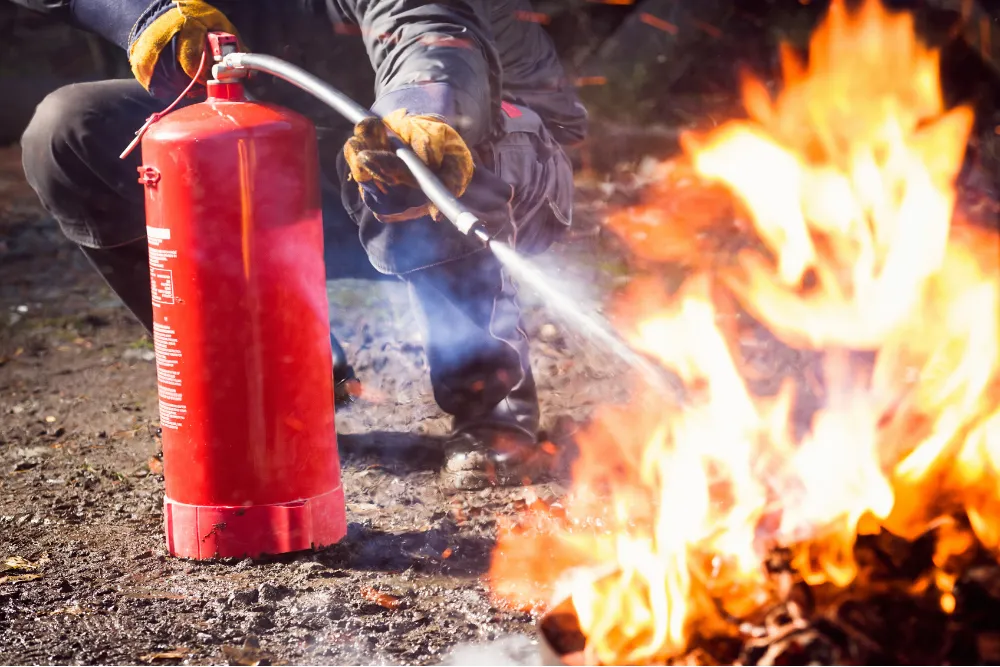
Factories provide jobs, produce essential goods, and support families and communities. However, industrial workplaces can contain fire hazards that require careful management. Electrical equipment, heating systems, combustible materials, chemicals, machinery, and storage areas can all contribute to workplace risks if they are not properly controlled.
Factory fire safety is not only a concern for business owners and workers. It also matters to families because a workplace emergency can affect employees, their loved ones, nearby residents, and the wider community.
In Pakistan, factories operate in many sectors, including textiles, garments, food processing, chemicals, engineering, packaging, and manufacturing. Each industry has different hazards, but all workplaces need suitable prevention measures, early warning systems, clear evacuation arrangements, and regular safety checks.
This article explains ten important aspects of factory fire safety, why they matter to families, and how workplaces can create a safer environment.
1. Understand Why Factory Fire Safety Matters
A factory can contain several activities and materials that increase fire risk. Machinery may generate heat, electrical systems supply power to production equipment, and some processes involve flammable substances. Packaging, fabric, paper, wood, and other combustible materials may also be present.
A fire can interrupt production, damage buildings, destroy equipment, and affect workers’ livelihoods. More importantly, it can put human lives at risk.
Factories often have large workforces, multiple departments, storage rooms, and production floors. If workers do not understand the emergency arrangements, confusion may delay evacuation.
Fire safety should therefore be treated as an essential part of workplace management rather than an occasional inspection task.
Families can support workplace safety by encouraging relatives to take training seriously, follow workplace rules, and report hazards to the appropriate supervisor. However, the responsibility for providing a safe factory environment rests with the employer and relevant management.
2. Identify Common Fire Hazards Inside Factories
The first step towards preventing workplace fires is understanding where hazards may exist. Different factories have different operations, but several risks are common across industrial environments.
Electrical equipment: Damaged wiring, poorly maintained machinery, overloaded circuits, and faulty electrical connections can create fire hazards.
Combustible materials: Paper, cardboard, textiles, wooden products, packaging, and certain stored goods can contribute to fire spread.
Heating equipment: Industrial heaters, ovens, boilers, and other heat-producing equipment require suitable installation, supervision, and maintenance.
Flammable liquids and gases: Some manufacturing processes use substances that need controlled storage, handling, and ventilation.
Dust accumulation: Certain industrial dusts can create serious fire and explosion hazards under particular conditions. Workplaces handling combustible dust need specialist risk assessments and suitable controls.
Waste materials: Accumulated packaging, production waste, and discarded materials can increase the amount of combustible material in a workplace.
Management should arrange professional fire risk assessments to identify hazards specific to the factory’s operations. Workers should receive clear information about the risks relevant to their departments.
3. Recognise the Importance of Fire Detection and Alarm Systems
Early warning is a major part of factory fire protection. A fire detection and alarm system helps alert people when a potential emergency is identified.
Depending on the building and industrial activity, a system may include smoke detectors, heat detectors, manual alarm call points, control panels, sounders, visual warning devices, and communication links.
Different detection devices serve different purposes. Smoke detectors respond to smoke, while heat detectors respond to temperature conditions. The appropriate selection and placement depend on the environment, including dust, humidity, ventilation, and normal production activity.
A suitable fire alarm system in Pakistan should be designed according to the factory’s building layout, occupancy, hazards, and applicable standards. It should not be selected only because it is inexpensive or commonly used elsewhere.
A system is useful only when it is maintained and understood. Factory management should arrange professional inspection, testing, repairs, and maintenance according to the applicable requirements and manufacturer’s instructions.
Workers should know what the alarm sounds or signals mean and what action they are expected to take. They should never ignore an alarm simply because it turns out to be a false warning on another occasion.
4. Keep Emergency Exits and Escape Routes Accessible
A factory’s evacuation arrangements should allow workers to leave the building safely during an emergency.
Every worker should know the designated exits and the route from their normal work area. Exit signs should be visible, and routes should remain free from stored goods, machinery, waste, and other obstructions.
This is particularly important in factories where production equipment, shelves, and materials can change the layout of work areas.
Management should make sure that:
- Emergency routes are clearly identified.
- Exit doors and stairways are maintained.
- Doors are not blocked by stock or equipment.
- Emergency lighting is available where required.
- Evacuation information is displayed in suitable locations.
- Workers know the designated assembly point.
Employees should not use lifts during a fire evacuation unless emergency personnel specifically instruct them to do so. They should leave promptly and avoid returning to collect personal belongings.
A clear evacuation plan can make a major difference when people need to respond quickly.
5. Maintain Electrical Equipment and Machinery
Electrical installations and industrial machinery require regular professional maintenance. A fault that goes unnoticed may create risks for workers and the building.
Factories should have suitable inspection and maintenance arrangements for electrical panels, wiring, motors, production machinery, and other equipment.
Workers should report warning signs such as damaged cables, unusual smells, visible damage, repeated electrical interruptions, or equipment that appears to be overheating. Only qualified and authorised personnel should investigate and repair electrical faults.
Management should also ensure that machinery is used according to its operating instructions and that maintenance records are kept.
Temporary electrical arrangements should not become permanent substitutes for properly designed installations. Changes to production equipment or building services should be assessed by competent professionals.
Good electrical maintenance supports both fire prevention and reliable factory operations.
6. Store Materials and Chemicals Responsibly
Factories may store raw materials, finished products, packaging, cleaning products, and substances used in manufacturing. Poor storage arrangements can increase fire risks and make emergency response more difficult.
Materials should be stored according to their properties and relevant safety information. Flammable substances require appropriate storage arrangements, suitable ventilation, and access controls based on the hazards involved.
Factories should maintain accurate inventories and ensure that workers understand the safety information relevant to materials they handle. Containers should be properly labelled, and damaged or unidentified containers should be reported to responsible personnel.
Combustible waste should not be allowed to accumulate unnecessarily. Storage areas and waste collection arrangements should be included in routine safety inspections.
Where a factory uses chemicals or combustible dust-producing processes, specialist assessment is particularly important. General housekeeping alone cannot replace the technical controls needed for these hazards.
7. Provide Fire Safety Training for Workers
Fire safety equipment cannot protect people effectively if workers do not know how to respond to an emergency.
Training should explain how to recognise hazards, report unsafe conditions, understand alarms, follow evacuation routes, and reach the assembly point.
Workers should also understand their responsibilities during an emergency. For example, designated safety personnel may help communicate instructions, account for employees, or coordinate with emergency responders, depending on the factory’s plan.
Training should be suitable for different groups, including:
- New employees.
- Production workers.
- Supervisors and department managers.
- Maintenance personnel.
- Security staff.
- Contractors and temporary workers.
Workers should receive information in languages and formats they can understand. Visual signs can help communicate important information in busy industrial environments.
Children and other family members should not be brought into production or hazardous areas unless the premises have an authorised arrangement that meets relevant safety requirements. Factory safety is a workplace responsibility, not something families should be expected to manage.
8. Conduct Regular Inspections and Emergency Drills
Fire safety arrangements need ongoing attention. Equipment can become damaged, storage patterns can change, and production processes may introduce new hazards.
Regular inspections help identify problems before they become serious. These checks should cover relevant detection and alarm equipment, emergency lighting, exits, electrical installations, housekeeping, and other fire protection measures.
Inspections should be documented, and identified problems should be assigned to responsible people for correction.
Emergency drills are also important. They allow workers to become familiar with the evacuation plan and help management identify weaknesses.
A drill may reveal that an exit sign is difficult to see, an assembly point is unsuitable, or workers are unfamiliar with the alarm signal. Management can then improve the arrangements.
Drills should be organised by trained and responsible personnel. They should be suitable for the workplace and should not expose workers to unnecessary risks.
9. Understand Pakistan’s Factory Fire Safety Requirements
Factories in Pakistan must consider national building safety provisions and the occupational safety and labour requirements applicable to their location and industry.
The Building Code of Pakistan Fire Safety Provisions 2016, issued through the Pakistan Engineering Council, provides a national reference covering fire prevention, building safety, fire protection systems, means of escape, and other life-safety matters. PEC +1
Provincial rules may add requirements. For example, Sindh’s Occupational Safety and Health Rules 2019 include provisions relating to factory fire safety, including fire alarms, fire equipment maintenance, and access to stairs in relevant workplaces. These are Sindh-specific rules and should not be presented as applying identically throughout Pakistan. Sindh Laws
In Punjab, Civil Defence identifies fire detection and alarm systems, firefighting arrangements, fire safety plans, emergency control rooms, and evacuation arrangements among the measures it inspects in relevant industrial and commercial premises. Punjab Civil Defence
Punjab also has a building safety framework under the Punjab Community Safety Act 2021 and its associated regulations. Rescue
Factory owners should confirm the current requirements with the relevant provincial departments, building authorities, and competent fire safety professionals. Compliance should be based on the factory’s location, building classification, occupancy, and actual operations.
10. Understand How Factory Emergencies Can Affect Families
Factory fire safety is not limited to the people inside the building. An industrial emergency can affect workers’ families, nearby homes, businesses, and the surrounding community.
When a worker is involved in an emergency, family members may worry about their safety or struggle to find reliable information. Having a workplace emergency communication plan can help reduce confusion.
Factories should maintain appropriate arrangements for communicating with emergency services and notifying relevant people when necessary. Employees should understand the workplace’s procedures for reporting an emergency and sharing accurate information.
Families can also take a few sensible steps:
- Know the name and location of the workplace.
- Keep important family contact numbers available.
- Discuss how family members will communicate during an emergency.
- Encourage workers to attend safety training and evacuation drills.
- Avoid spreading unverified information during an incident.
- Follow instructions from emergency services and local authorities.
People living near industrial areas should pay attention to official safety announcements. They should not approach an emergency scene or enter a factory to look for relatives. Emergency responders and factory personnel need clear access to carry out their responsibilities.
A workplace that takes emergency planning seriously protects not only its employees but also the people who depend on them.
The Role of Factory Management in Fire Prevention
Strong fire safety depends on management commitment. A factory cannot rely entirely on workers to identify problems or respond correctly if the organisation has not provided suitable safety arrangements.
Management should appoint responsible personnel to coordinate fire safety activities. These individuals can help organise inspections, maintain records, communicate safety information, and coordinate training.
A written fire safety plan should reflect the actual building and production activities. It should identify important hazards, emergency arrangements, evacuation routes, assembly areas, and responsibilities.
Management should also make sure that contractors and visitors understand the safety requirements that apply to them. Temporary work, construction, maintenance, and changes to production processes may introduce additional risks that need assessment.
A factory’s safety arrangements should be reviewed when there are significant changes to the building, equipment, workforce, or materials. Regular reviews help ensure that the plan remains suitable rather than becoming an outdated document.
How Families Can Encourage a Safer Working Environment
Families may not have direct control over factory operations, but they can encourage a positive attitude towards workplace safety.
A family member can ask whether their relative has received basic safety information and understands the workplace’s evacuation arrangements. They can also encourage them to report unsafe conditions through the appropriate workplace channels.
It is important not to put workers in a difficult position or encourage them to investigate hazards themselves. Employees should report concerns to supervisors, safety officers, or the relevant authorities.
Families should understand that fire prevention requires professional planning, suitable equipment, and responsible management. It should never depend on an individual worker taking unnecessary risks.
A Practical Factory Fire Safety Checklist
Factory owners and managers can use this general checklist as a starting point for reviewing workplace arrangements:
- Identify and assess fire hazards in all relevant work areas.
- Maintain suitable fire detection and alarm arrangements.
- Arrange professional inspection and testing of safety equipment.
- Keep emergency exits and escape routes accessible.
- Maintain electrical installations and production equipment.
- Store materials according to their safety requirements.
- Remove unnecessary combustible waste through suitable procedures.
- Provide appropriate training to workers.
- Display clear emergency information and exit signs.
- Conduct suitable evacuation drills.
- Maintain inspection, testing, and training records.
- Review the emergency plan after significant workplace changes.
This checklist is a general awareness tool, not a substitute for a professional risk assessment or legal compliance inspection.
Conclusion
Factory fire safety is a shared concern for employers, workers, families, and communities. Industrial workplaces can contain electrical equipment, combustible materials, machinery, and other hazards that require proper assessment and control.
A safer factory needs more than firefighting equipment. It requires reliable detection and alarm systems, accessible escape routes, professional maintenance, suitable storage, employee training, and a clear emergency plan.
In Pakistan, factory owners should understand the Building Code of Pakistan Fire Safety Provisions 2016 and the additional provincial requirements that apply to their premises. They should also work with competent safety professionals and relevant authorities to maintain suitable arrangements.
Families can contribute by encouraging safety awareness and supporting relatives in following workplace procedures. Ultimately, protecting workers means protecting the families and communities who depend on them.
Frequently Asked Questions
1. Why is fire safety important in factories?
Factories may contain machinery, electrical equipment, combustible materials, and industrial processes that create fire risks. Effective safety arrangements help protect workers, visitors, buildings, equipment, and nearby communities.
2. What are the most common causes of factory fires?
Potential causes include electrical faults, poorly maintained machinery, unsafe heating equipment, improper storage of flammable materials, and inadequate control of industrial processes. The risks vary according to the type of factory.
3. Why does a factory need a fire alarm system?
A fire alarm system provides an early warning so people can respond to an emergency and evacuate. Its design should reflect the factory’s layout, occupancy, and hazards, and it needs regular professional testing and maintenance.
4. What should workers do when a factory fire alarm sounds?
Workers should follow the workplace emergency plan, leave using the designated safe exit, and proceed to the assigned assembly point. They should not use lifts or return to collect belongings. They should follow instructions from trained personnel and emergency responders.
5. Which fire safety regulations apply to factories in Pakistan?
The Building Code of Pakistan Fire Safety Provisions 2016 is an important national reference. Provincial occupational safety laws and other local building or industrial requirements may also apply. Factory management should confirm the rules relevant to its location and type of operation.