
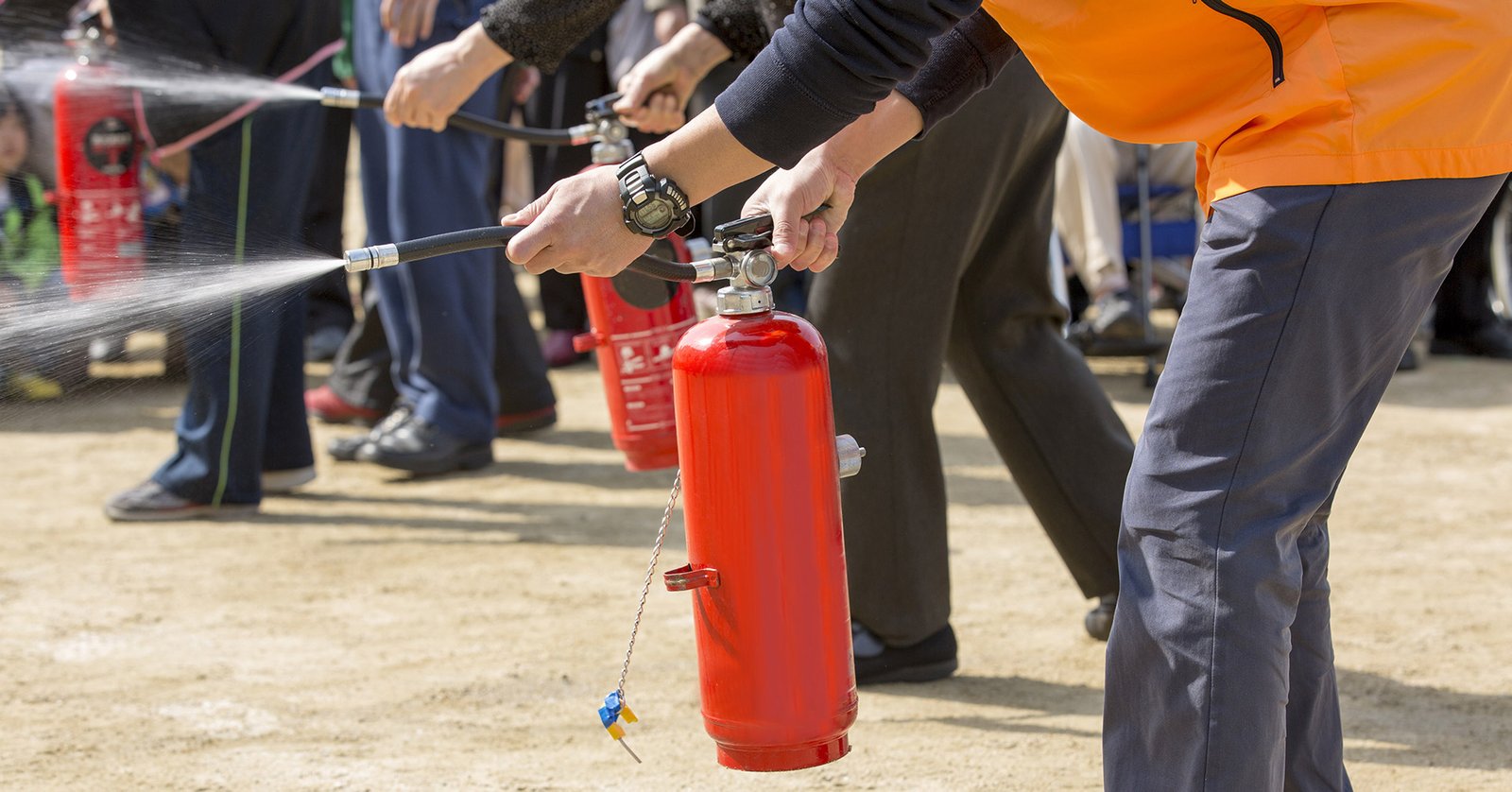
Fire safety training is an essential part of creating safer homes, workplaces, schools, factories, and commercial buildings. Fire alarms, extinguishers, emergency exits, and other protective equipment play important roles, but people also need to understand how to respond when an emergency occurs. Without proper awareness, even well-maintained safety equipment may not be used effectively.
In Pakistan, fire safety training is important for organisations of all sizes. Offices, shopping centres, hospitals, educational institutions, restaurants, and industrial facilities have different risks and responsibilities. Employees, visitors, students, and building managers should know the basic emergency procedures that apply to their surroundings.
Effective training is not simply a presentation or a one-time meeting. It is an organised learning process that helps people recognise hazards, understand warning systems, follow evacuation arrangements, and communicate concerns to responsible personnel.
This guide explains the importance of fire safety training, the subjects it should cover, and how organisations can develop a practical programme.
What Is Fire Safety Training?
Fire safety training teaches people how to recognise fire hazards, understand prevention measures, respond to alarms, and follow emergency procedures.
The content depends on the building, the activities carried out there, and the responsibilities of the participants. General employees usually need to understand evacuation procedures and reporting arrangements. Designated safety personnel may require additional training appropriate to their assigned roles.
A basic programme may cover:
- Common causes of workplace and household fires
- Fire prevention and good housekeeping
- Understanding fire alarms and warning signals
- Emergency exits and evacuation routes
- Assembly points and headcounts
- Responsibilities of designated fire wardens
- General awareness of fire protection equipment
- Emergency communication and reporting
- Relevant first-aid awareness
- Inspection, maintenance, and reporting procedures
The purpose is to help people make informed, safe decisions rather than encourage them to take unnecessary risks.
Why Fire Safety Training Matters in Pakistan
Buildings across Pakistan vary significantly in design, occupancy, and construction. A small office may have only a few employees, while a shopping centre, hospital, or factory may accommodate hundreds of people.
These differences affect how emergencies should be managed. A suitable training programme considers the building’s layout, potential hazards, number of occupants, and available emergency arrangements.
Training can help organisations:
- Improve awareness of fire hazards
- Encourage safer everyday practices
- Help employees recognise alarms
- Reduce confusion during evacuation
- Clarify individual responsibilities
- Support compliance with relevant safety requirements
- Identify weaknesses in emergency procedures
The Securities and Exchange Commission of Pakistan reported in November 2025 that it organised fire safety and emergency evacuation training in collaboration with Rescue 1122. The session included fire safety awareness, emergency management, and evacuation-related learning. This demonstrates the relevance of organised training in institutional workplaces.
1. Begin with Fire Prevention Awareness
The first part of effective fire safety training should explain how fires can start and how everyday practices can contribute to safer surroundings.
People often associate fire safety only with emergencies. However, prevention is equally important. Employees should understand that housekeeping, equipment maintenance, and responsible reporting can help reduce avoidable risks.
Recognising common fire hazards
Training should introduce common hazards that may be present in different environments, including:
- Damaged electrical equipment
- Poorly maintained machinery
- Unsafe storage of combustible materials
- Unattended cooking activities
- Accumulated waste
- Blocked ventilation areas
- Inadequate maintenance of electrical installations
The examples should relate to the actual building. A restaurant may need particular attention to kitchen safety, while a warehouse may need to review storage arrangements and access routes.
Encouraging safer daily habits
Employees should understand the importance of following workplace procedures, reporting damaged equipment, keeping designated routes clear, and avoiding unauthorised changes to safety arrangements.
Training should also explain who receives safety reports and how concerns are recorded.
The aim is to make fire prevention part of everyday responsibility rather than an occasional topic discussed during an annual meeting.
2. Teach People How to Recognise and Respond to Fire Alarms
A fire alarm system is an important part of a building’s fire protection arrangements. Its purpose is to warn occupants when a possible fire emergency has been detected.
However, an alarm provides a warning; people still need to understand what the warning means and what action the building’s emergency plan requires.
Understanding alarm signals
Training should explain:
- What the building’s alarm sounds or visual signals mean
- Which areas are covered by the warning system
- What occupants should do when the alarm activates
- How to report a suspected fault
- Where to find the building’s evacuation information
People should never assume that an alarm is only a routine test unless an authorised person has clearly communicated that information.
The role of a fire alarm system in Pakistan
When selecting or maintaining a fire alarm system in Pakistan, property owners should consider the building’s size, layout, occupancy, applicable requirements, and professional recommendations.
Training should help occupants understand the system’s purpose without encouraging unqualified people to adjust, repair, or interfere with alarm equipment.
Technical inspection, installation, testing, and maintenance should be handled by appropriately qualified professionals.
Responding to an alarm
A training programme should reinforce the building’s approved emergency procedure. In general, occupants should:
- Treat an unexpected fire alarm as a genuine warning.
- Follow the designated evacuation route.
- Use stairs rather than lifts during a fire evacuation unless the building’s approved emergency arrangements specifically provide otherwise.
- Avoid collecting belongings or delaying departure.
- Proceed to the designated assembly point.
- Follow instructions from authorised emergency personnel.
People should not re-enter the building until the responsible authorities have confirmed that it is safe.
3. Make Evacuation Training a Priority
Evacuation training helps occupants understand how to leave a building safely during an emergency.
A building may have several exits, stairways, corridors, and designated assembly areas. People should become familiar with the arrangements before an emergency occurs.
Explain the building’s escape routes
Training should introduce the approved evacuation map and explain the location of:
- Main emergency exits
- Alternative escape routes
- Stairways
- Exit signs
- Emergency lighting
- Assembly points
Routes should remain accessible and should not be used for routine storage.
People should also know what to do if their usual route is unavailable. They should follow the alternative arrangements communicated by building management rather than attempt to move through unsafe areas.
Consider people who need assistance
Not every occupant can evacuate in the same way. Children, older adults, visitors, people with disabilities, and individuals with temporary mobility limitations may need additional support.
Training should explain how the organisation’s evacuation plan addresses these needs. Responsibilities should be assigned in advance, and arrangements should respect the dignity and safety of the people receiving assistance.
Explain assembly points and accountability
After leaving the building, occupants should proceed to the designated assembly point.
Responsible personnel may use an attendance list, visitor register, or another suitable method to identify who has reached the safe area.
Employees should understand that they must not leave the assembly point or return inside without permission from the authorised emergency team.
4. Provide Role-Based Training for Employees and Safety Personnel
Not everyone in a building has the same fire safety responsibilities. A good training programme recognises these differences.
General employees need to understand the emergency procedures relevant to their work. Designated fire wardens and safety personnel may require additional instruction based on their assigned responsibilities.
General employee training
All employees should receive information about:
- Common workplace fire hazards
- Alarm recognition
- Emergency exits
- Evacuation procedures
- Assembly arrangements
- Reporting safety concerns
- Following instructions during emergencies
This knowledge helps create a shared understanding of workplace safety.
Fire warden responsibilities
Where an organisation appoints fire wardens, their duties should be clearly defined.
Depending on the building’s emergency plan, responsibilities may include:
- Sharing evacuation information
- Helping communicate instructions
- Reporting blocked exits or other hazards
- Supporting orderly evacuation
- Reporting relevant information to emergency personnel
- Assisting with accountability at assembly points
Fire wardens should not be expected to perform duties beyond their training or place themselves in danger.
Management responsibilities
Managers and building owners should ensure that emergency procedures are documented, relevant personnel receive suitable training, and identified safety issues are addressed.
They should also arrange appropriate professional support for technical equipment and specialist training.
5. Explain Fire Protection Equipment Responsibly
Fire safety training should introduce the equipment installed in a building and explain its purpose.
However, general awareness training is not the same as specialist firefighting instruction. Occupants should understand when equipment is present, where it is located, and who is responsible for its maintenance.
Fire extinguishers
Training can explain that extinguishers are designed for particular types of fires and that selecting the wrong equipment can create additional danger.
Only people who have received suitable instruction should consider using an extinguisher, and only when the situation is appropriate, their safety is not at risk, and an escape route remains available.
Evacuation and calling emergency services should take priority. People should never be pressured to fight a fire.
Other installed equipment
Depending on the property, training may introduce:
- Fire detection and alarm systems
- Sprinkler systems
- Fire hydrants
- Hose reels
- Emergency lighting
- Fire doors
- Smoke-control arrangements
- Safety signs
Participants should understand what these systems are intended to do and how to report visible problems.
Technical work should remain the responsibility of qualified professionals.
How to Organise an Effective Fire Safety Training Programme
A successful programme needs planning, suitable instructors, clear learning objectives, and regular review.
Step 1: Understand the building’s risks
Begin by reviewing the building’s purpose, occupancy, layout, equipment, and activities.
Identify the areas and procedures that participants need to understand. A hospital, school, restaurant, office, and factory will not require identical training content.
Step 2: Set clear learning objectives
Decide what participants should know after the session.
For example, employees may need to identify the alarm signal, explain the evacuation route, locate the assembly point, and understand how to report a hazard.
Objectives should be realistic and relevant to the participants’ responsibilities.
Step 3: Select suitable trainers
Training should be delivered by people with appropriate knowledge and experience.
For technical subjects, specialist instruction may be necessary. Organisations can seek support from qualified fire safety professionals and relevant emergency or Civil Defence authorities.
Step 4: Use clear and accessible material
Training material should use straightforward language, diagrams, building maps, and examples that participants can understand.
Where appropriate, organisations should consider the languages spoken by their employees and provide accessible information for people with different communication needs.
Step 5: Explain emergency procedures
Participants should be shown the building’s approved evacuation arrangements, assembly point, communication procedures, and relevant responsibilities.
Information should be consistent with the building’s documented emergency plan.
Step 6: Review understanding
Trainers can use questions, short discussions, and supervised learning activities to check whether participants understand the information.
The purpose is to identify areas that need clarification, not simply to record attendance.
Step 7: Keep training records
Organisations should maintain suitable records showing:
- Training dates
- Topics covered
- Trainer or provider details
- Departments or groups involved
- Attendance
- Any follow-up training required
Records make it easier to review the programme and identify employees who need additional instruction.
The Importance of Fire Drills and Refresher Training
A single training session is rarely enough to maintain awareness indefinitely. Employees may forget procedures, new staff may join, and building arrangements may change.
Refresher training helps keep information current.
Fire drills provide an opportunity to review whether occupants understand the evacuation plan. They should be organised responsibly and according to applicable requirements, with attention to accessibility and the needs of all occupants.
After a drill, management can review:
- Whether the alarm was understood
- Whether routes were accessible
- Whether instructions were clear
- Whether assembly arrangements worked
- Whether everyone was accounted for
- Whether any part of the plan needs improvement
Drills should be supervised and should not create unnecessary panic or unsafe conditions.
The National Disaster Management Authority’s Pakistan School Safety Framework also emphasises training, assigned responsibilities, and regular mock exercises as part of school safety planning.
Fire Safety Training in Different Types of Buildings
Training should reflect the activities and occupants of each property.
Offices
Office training should cover electrical safety awareness, alarm signals, exit routes, assembly points, and reporting procedures.
Schools
School programmes should use age-appropriate explanations and clear responsibilities for teachers and staff. Plans should consider children who may need additional assistance.
Hospitals
Healthcare facilities need arrangements that consider patients, visitors, medical staff, and people who may not be able to move independently.
Factories and warehouses
Industrial training should reflect the site’s activities, machinery, storage arrangements, and emergency procedures. Specialist instruction may be needed for designated safety personnel.
Hotels and shopping centres
These buildings may contain visitors who are unfamiliar with the layout. Staff should understand how to communicate emergency information and direct people towards designated exits.
Fire Safety Training and Regulations in Pakistan
Organisations in Pakistan should review the requirements applicable to their location and building type.
The Building Code of Pakistan – Fire Safety Provisions 2016 is an important national reference for building fire safety. Provincial and local authorities may also have additional rules, inspection procedures, and requirements.
For example, Punjab Civil Defence identifies fire detection and alarm systems, firefighting arrangements, fire safety plans, emergency control rooms, and emergency exits and evacuation plans among the measures considered for relevant premises.
The Directorate General of Civil Defence publishes training schedules that include fire prevention and safety courses, workplace safety, and related subjects. These programmes demonstrate the availability of formal training through public institutions.
Property owners should consult the relevant authority and qualified professionals to establish which requirements apply to their premises. A general training session should not be treated as proof of regulatory compliance.
Common Fire Safety Training Mistakes to Avoid
Even well-intentioned organisations can make mistakes when planning training.
Treating training as a one-time activity: Procedures and building conditions change, so training should be reviewed periodically.
Ignoring building-specific risks: General information is useful, but participants also need to understand their actual workplace arrangements.
Focusing only on equipment: Alarms and extinguishers matter, but evacuation planning and communication are equally important.
Using complicated language: Training should be understandable to everyone who needs it.
Ignoring visitors and contractors: Organisations should consider how temporary occupants receive essential emergency information.
Failing to follow up: Problems identified during training or drills should be recorded and addressed.
Expecting untrained people to fight fires: The priority for ordinary occupants should be safe evacuation and alerting emergency services.
Conclusion
Fire safety training helps people understand how to prevent hazards, recognise warnings, follow evacuation procedures, and support a safer environment. It is an important responsibility for homes, workplaces, schools, factories, and commercial buildings throughout Pakistan.
A fire alarm system in Pakistan can provide an essential warning, but people must also understand what to do when it activates. Clear evacuation plans, accessible exits, suitable training, regular reviews, and professional equipment maintenance all contribute to an effective fire safety programme.
The right approach is practical, consistent, and appropriate to the building. When organisations invest in awareness and preparation, they help people make safer decisions and respond more confidently during emergencies.
Frequently Asked Questions
1. What is the main purpose of fire safety training?
The main purpose is to help people recognise fire hazards, understand warning systems, follow emergency procedures, and know how to evacuate safely. It also helps employees understand their responsibilities.
2. Who should receive fire safety training?
Employees, managers, safety personnel, teachers, and other people who regularly occupy a building should receive training appropriate to their roles. Organisations should also consider visitors, contractors, and people who may need additional assistance during evacuation.
3. How often should fire safety training be conducted?
Training should be provided when people join an organisation and refreshed according to the building’s risks, applicable requirements, and changes to emergency procedures. Drills and reviews can help identify when further instruction is needed.
4. What topics should a basic fire safety training session cover?
A basic session should cover fire prevention, common hazards, alarm recognition, emergency exits, evacuation routes, assembly points, emergency communication, and reporting procedures. Equipment awareness should also be included where relevant.
5. Is fire safety training important for small businesses in Pakistan?
Yes. Small businesses also need to understand fire prevention, warning systems, evacuation arrangements, and applicable safety responsibilities. Training can help employees respond appropriately and support a safer working environment.