
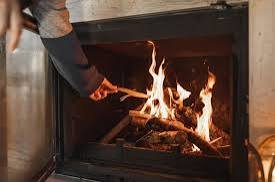
Winter brings colder temperatures and an increased need for heating in homes, offices, shops, schools, and commercial buildings. In Pakistan, many households and businesses use gas heaters, electric heaters, geysers, generators, and other appliances to stay warm. Although these devices provide comfort, careless use and poor maintenance can create serious fire and safety risks.
During winter, windows and doors are often kept closed to retain warmth. Electrical appliances may also operate for longer periods, while heating equipment is sometimes placed close to curtains, furniture, bedding, and other combustible materials. These conditions can increase the likelihood of fire incidents and other heating-related emergencies.
Winter fire safety is not limited to preventing flames. It also involves reducing electrical hazards, maintaining heating appliances, ensuring suitable ventilation, and preparing occupants to respond to emergencies.
For homes and businesses in Pakistan, a properly selected fire alarm system in Pakistan can form an important part of a wider fire protection arrangement. Smoke detection and alarm equipment can provide an early warning when smoke is detected, giving occupants an opportunity to follow their emergency plan.
This guide explains common winter fire hazards, practical prevention measures, and the importance of maintaining suitable fire safety equipment throughout the colder months.
1. Why Fire Hazards Increase During Winter
Winter changes how people use heating and electrical equipment. Appliances that may remain unused during warmer months are switched on more frequently, and some operate for extended periods.
Several factors can contribute to winter fire risks:
- Increased use of gas and electric heaters.
- Greater electricity demand from heating appliances.
- Damaged wiring and overloaded electrical connections.
- Poor maintenance of heating equipment.
- Combustible materials placed close to heat sources.
- Unsafe use of generators and fuel-powered equipment.
- Accumulation of dry waste near heating appliances.
- Lack of awareness about emergency procedures.
Pakistan’s National Disaster Management Authority and local emergency services have repeatedly highlighted the importance of safe heating practices, proper ventilation, and awareness during colder weather.
The main lesson is simple: heating equipment should be selected, installed, operated, and maintained carefully. A warm room should never come at the expense of household or workplace safety.
2. Understand the Risks of Gas Heaters
Gas heaters are commonly used in many parts of Pakistan during winter. However, faulty equipment, damaged connections, poor ventilation, and improper operation can create serious hazards.
Gas-related incidents may involve fire, explosions, or carbon monoxide exposure. Carbon monoxide is a poisonous gas that cannot be detected by smell or sight, making suitable prevention and detection especially important.
Maintain heating appliances
Gas heaters should be inspected and serviced by qualified professionals. Damaged components, faulty connections, or unusual operation should never be ignored.
Use appliances according to the manufacturer’s instructions and applicable safety requirements. Avoid makeshift repairs or modifications.
Ensure suitable ventilation
Fuel-burning appliances require appropriate ventilation. Using them in tightly closed rooms can create dangerous indoor air conditions.
Follow the appliance manufacturer’s ventilation requirements and guidance from relevant authorities. Never assume that a room is safe simply because a heater appears to be operating normally.
Keep combustible materials away
Curtains, clothing, bedding, paper, furniture, and other combustible items should be kept away from heating equipment.
Do not use heaters as clothes-drying stands or place household materials directly against them.
Avoid unattended operation
Heating equipment should not be left operating without appropriate supervision. Follow manufacturer instructions regarding when appliances must be switched off, particularly before sleeping or leaving the premises.
These precautions are consistent with safety advice issued by Pakistani emergency services and the Oil and Gas Regulatory Authority. <Cite refs={[“turn413761search0″,”turn413761search1″,”turn413761search2”]}/>
3. Prevent Electrical Fires During Winter
Electric heaters, room warmers, geysers, electric blankets, and other appliances can increase the electrical load in a building.
If wiring or electrical connections are unsuitable, damaged, or overloaded, they may become hazardous.
Inspect electrical wiring
Check for visible damage to cables, plugs, sockets, and electrical connections. Signs such as unusual heating, discoloration, sparks, or repeated circuit interruptions should be assessed by a qualified electrician.
Do not continue using damaged equipment.
Avoid overloading sockets
Connecting several high-power appliances to one socket or extension board may exceed its safe capacity.
Use electrical equipment according to its rated load and manufacturer instructions. If additional outlets are needed, arrange suitable installation through a qualified professional.
Choose suitable electrical heaters
Use approved appliances designed for their intended purpose. Follow installation and operating instructions, and ensure that the electrical supply is suitable for the heater.
Portable heaters should be positioned on stable surfaces and kept away from combustible materials.
Maintain electrical equipment
Before winter, arrange appropriate inspection of frequently used electrical appliances. Replace damaged plugs and cables, and have defective equipment repaired by qualified personnel.
The Building Code of Pakistan – Fire Safety Provisions 2016 includes requirements concerning heating appliances and electrical safety. <Cite refs={[“turn413761search12″,”turn413761search16”]}/>
4. Keep Combustible Materials Away from Heating Equipment
One common but avoidable winter hazard is placing combustible items too close to heat-producing appliances.
Curtains, blankets, clothes, newspapers, cardboard, and upholstered furniture can contribute to fire development if exposed to excessive heat or an ignition source.
Homeowners and business managers should review the placement of heaters in every occupied area.
Keep heating equipment away from:
- Curtains and window coverings.
- Beds, mattresses, and blankets.
- Sofas and upholstered furniture.
- Paper, cardboard, and packaging.
- Cleaning products and other combustible materials.
- Clothing and laundry.
Never place objects directly on top of a heater unless the manufacturer specifically permits it.
In offices, shops, and warehouses, staff should also avoid storing stock or packaging beside heating appliances.
5. Understand the Dangers of Carbon Monoxide
Carbon monoxide is a poisonous gas that can be produced when fuel-burning appliances do not operate correctly or when ventilation is inadequate.
It is particularly concerning during winter because people may use heating appliances in enclosed spaces.
Carbon monoxide cannot be seen or smelled. Exposure can cause symptoms such as headache, dizziness, weakness, nausea, and confusion. Severe exposure can be life-threatening.
Reduce the risk
- Have fuel-burning appliances inspected by qualified professionals.
- Follow ventilation requirements.
- Do not use appliances intended for outdoor use inside a building.
- Avoid operating faulty heaters.
- Follow manufacturer instructions and official safety advice.
- Consider suitable carbon monoxide detection equipment where appropriate.
A smoke alarm does not necessarily detect carbon monoxide. These devices serve different purposes, so households should understand which type of detection equipment they have installed.
If carbon monoxide exposure is suspected, move everyone to fresh air and seek emergency assistance. Do not re-enter the affected area until it has been assessed and declared safe by qualified personnel.
6. Maintain Safe Generator Arrangements
Generators may be used during winter power interruptions, but incorrect operation can introduce fire, electrical, and carbon monoxide hazards.
Generators should be installed and operated according to manufacturer instructions and applicable requirements. Fuel-powered generators must be positioned outdoors in a suitable location away from doors, windows, and ventilation openings.
They should never be operated inside homes, garages, enclosed balconies, or other enclosed spaces.
Fuel storage should follow the manufacturer’s instructions and relevant safety requirements. Refuelling should only be carried out when the equipment is switched off and has cooled as specified by the manufacturer.
Electrical connections should be handled by qualified professionals. Improvised connections can create dangerous conditions for occupants and electrical workers.
Regular maintenance is also important. Damaged cables, fuel leaks, unusual noises, or other signs of malfunction should be assessed before the generator is used again.
7. Follow Safe Practices in Kitchens
Cooking remains an important source of household fire risk throughout the year, including winter.
People may prepare more hot meals and beverages during colder weather, increasing the use of stoves, ovens, and other kitchen appliances.
To reduce kitchen fire hazards:
- Do not leave active cooking unattended.
- Keep towels, paper, and packaging away from cooking surfaces.
- Maintain cooking equipment according to manufacturer instructions.
- Keep kitchen ventilation systems clean and maintained.
- Avoid placing combustible objects beside gas burners.
- Ensure that suitable fire safety equipment is available.
If a cooking fire develops, occupants should follow their emergency plan and avoid unsafe attempts to control it. Never use water on a burning cooking-oil fire.
Employees working in commercial kitchens should receive appropriate training on kitchen fire hazards and emergency procedures.
8. Install Suitable Fire Detection and Alarm Equipment
Early warning is an important part of fire safety. A fire may begin in a kitchen, electrical room, storeroom, or another area before occupants notice it.
Smoke detection and alarm equipment can alert people when smoke is detected, depending on the system design and conditions.
A fire alarm system in Pakistan may include different components depending on the type of building and its fire risks.
Smoke detectors
Smoke detectors identify smoke in suitable locations and can provide an early warning of a developing fire.
Heat detectors
Heat detectors respond to temperature conditions and may be appropriate in locations where smoke detection is unsuitable.
Manual call points
Manual call points allow occupants to activate an alarm when they discover a fire, where these devices are included in the system design.
Audible and visual alarms
Notification devices communicate warnings to occupants. Visual notification may be particularly useful in areas where background noise makes an audible warning difficult to hear.
Control panels and backup arrangements
Larger buildings may use a central control panel to monitor detectors and alarm devices. Suitable backup power may be required to maintain operation during interruptions to the normal electricity supply.
The correct system should be selected according to the building’s layout, occupancy, hazards, and applicable requirements. Installation, testing, and maintenance should be carried out in accordance with the system design and relevant standards.
Smoke alarms and fire alarm systems are not substitutes for safe heating practices. They are additional protection measures that support an overall fire safety plan.
9. Maintain Fire Extinguishers and Other Safety Equipment
Fire extinguishers may help control certain small fires when the equipment is appropriate and the situation is safe for a trained person to respond.
Different fires require different types of extinguishing equipment. Businesses and homeowners should not assume that one extinguisher is suitable for every hazard.
Fire safety arrangements may include:
- Suitable portable fire extinguishers.
- Fire blankets for appropriate applications.
- Fire hose reels and hydrants where installed.
- Automatic sprinkler systems where required.
- Emergency lighting.
- Clearly visible exit signs.
Equipment should be selected according to the property’s risk assessment and applicable requirements.
Regular inspections should confirm that equipment is accessible, maintained, and ready for use. Keep extinguishers and other firefighting equipment clear of furniture, stored goods, and other obstructions.
Occupants should only attempt to use firefighting equipment when they are trained, the fire is manageable, and a safe escape route remains available. Evacuation and personal safety must always come first.
10. Prepare a Winter Fire Emergency Plan
A fire emergency plan helps household members and employees understand what to do when an alarm sounds or a fire is discovered.
A suitable plan should identify escape routes, emergency exits, assembly points, and communication arrangements.
For homes, families should:
- Identify safe exits from commonly occupied rooms.
- Establish a meeting point outside the building.
- Make sure everyone understands how to respond to a smoke alarm.
- Keep exits and corridors clear.
- Consider the needs of children, older adults, and people requiring assistance.
- Practise the evacuation procedure.
Businesses should also assign suitable responsibilities to designated staff, train employees, and communicate procedures to visitors where appropriate.
The National Disaster Management Authority’s safety guidance emphasizes preparing household escape routes, maintaining smoke detection, checking electrical equipment, and keeping combustible materials away from heating appliances. <Cite refs={[“turn413761search13”]}/>
A plan should be reviewed whenever the building layout, occupancy, or safety arrangements change.
11. Check Fire Safety Equipment Before Winter
Before the colder season begins, homeowners and business managers should review the condition of their fire safety arrangements.
A seasonal inspection can help identify problems before heating equipment is used more frequently.
Consider checking:
Heating appliances: Confirm that heaters and related equipment are suitable, properly maintained, and used according to their instructions.
Electrical installations: Arrange inspection of wiring, sockets, plugs, and high-load appliances where needed.
Smoke alarms: Test alarms according to manufacturer instructions and address any faults.
Fire alarm systems: Arrange required testing and professional maintenance.
Fire extinguishers: Confirm that extinguishers are suitable, accessible, and within their service requirements.
Emergency exits: Check that escape routes and exit doors remain clear and usable.
Emergency lighting: Verify that installed emergency lighting is maintained and tested appropriately.
Staff awareness: Make sure employees understand winter hazards and workplace emergency procedures.
Keep records of inspections, repairs, and maintenance. Documentation helps building managers track safety issues and confirm that corrective actions have been completed.
12. What to Do If You Suspect a Gas Leak
A suspected gas leak requires immediate caution. Do not attempt to identify the source by using a flame or operating electrical switches.
If you smell gas indoors:
- Do not light matches, cigarettes, or any other flame.
- Do not switch electrical appliances or lights on or off.
- Move people away from the affected area.
- If it is safe to do so without delaying evacuation, allow fresh air to enter by opening doors or windows.
- Move to a safe location and contact the relevant gas emergency service or emergency responders.
- Do not return until the area has been declared safe.
Do not attempt repairs yourself. A qualified person should inspect the appliance and gas connections before they are used again.
Rescue 1122 has specifically warned about winter gas-related incidents involving faulty appliances, unattended heaters, and inadequate ventilation. <Cite refs={[“turn413761search0″,”turn413761search7”]}/>
13. Build a Workplace Winter Fire Safety Routine
Commercial properties may face additional challenges because many people use the building, equipment operates for long periods, and combustible materials may be stored on-site.
Managers should make winter fire safety part of routine workplace operations.
Useful measures include:
- Inspecting heating and electrical equipment.
- Keeping corridors and exits clear.
- Maintaining suitable storage arrangements.
- Checking alarm and detection systems.
- Providing employee training.
- Reviewing emergency procedures.
- Monitoring contractors carrying out maintenance.
- Recording faults and corrective actions.
Factories, warehouses, restaurants, hotels, and offices may have different hazards. Their fire prevention procedures should reflect the actual activities carried out on the premises.
Managers should also consult relevant building and workplace safety requirements and arrange professional assessments when necessary.
14. Follow Official Fire Safety Guidance in Pakistan
Fire safety responsibilities vary according to the building, its use, and the applicable local regulations.
The Building Code of Pakistan – Fire Safety Provisions 2016 provides guidance and requirements relating to building fire protection, including heating appliances and electrical installations. <Cite refs={[“turn413761search12”]}/>
The National Disaster Management Authority publishes public safety guidance, while local emergency services such as Rescue 1122 provide awareness and emergency response information.
For commercial and industrial premises, owners and managers should consult the relevant Civil Defence department, building-control authority, fire service, and qualified fire safety professionals.
Do not rely on general online advice as a substitute for a site-specific safety assessment.
Conclusion
Winter fire hazards can affect homes, offices, shops, factories, and other buildings when heating appliances, electrical equipment, and combustible materials are not managed properly.
Safe heating practices, suitable ventilation, regular equipment maintenance, and responsible electrical use can reduce many avoidable risks. Households and businesses should also maintain clear escape routes, prepare emergency plans, and make sure occupants understand how to respond to a fire warning.
A properly selected fire alarm system in Pakistan can strengthen a building’s fire protection arrangements by providing an early warning when smoke or another fire-related condition is detected. However, alarms work best as part of a wider approach that includes prevention, inspection, training, and emergency preparedness.
Taking these precautions before and throughout winter can help create safer homes and workplaces for everyone.
Frequently Asked Questions (FAQs)
1. What are the most common winter fire hazards in Pakistan?
Common winter hazards include faulty gas heaters, damaged electrical wiring, overloaded sockets, poorly maintained appliances, unsafe generator arrangements, and combustible materials placed near heating equipment. Poor ventilation can also increase the risk of carbon monoxide exposure.
2. How can I reduce the risk of a heater-related fire?
Use suitable heating appliances according to manufacturer instructions, arrange regular maintenance, keep combustible materials away, and ensure appropriate ventilation for fuel-burning equipment. Do not ignore unusual appliance behaviour or damaged connections.
3. Why is a fire alarm system important during winter?
Heating equipment and increased electricity use can introduce additional fire hazards during winter. A suitable fire alarm system can provide an early warning when smoke or another fire-related condition is detected, helping occupants follow their emergency procedures.
4. Does a smoke alarm detect carbon monoxide?
A standard smoke alarm is designed to detect smoke, not necessarily carbon monoxide. Carbon monoxide requires a suitable dedicated detector. Households should understand the purpose of each device and maintain it according to the manufacturer’s instructions.
5. What should I do if I smell gas inside my home?
Do not operate electrical switches, light matches, or use open flames. Move everyone away from the affected area, ventilate it only if safe to do so, and contact the relevant gas emergency service or emergency responders from a safe location. Do not re-enter until the area has been declared safe.