
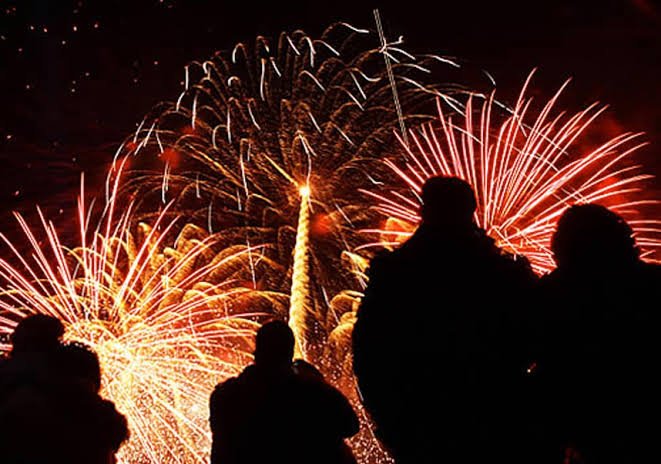
Fireworks are often associated with celebrations, weddings, festivals, national occasions, and family gatherings. Their bright colours and loud sounds can make an event memorable, but fireworks also create serious fire and injury risks when safety is overlooked. A small mistake can cause a fire, damage property, disrupt a public event, or put people at risk.
In Pakistan, where celebrations may take place in residential streets, marriage halls, parks, commercial areas, and open venues, fireworks safety deserves careful attention. Crowded surroundings, electrical cables, dry materials, parked vehicles, and nearby buildings can increase the potential consequences of an incident.
Fireworks safety should not be treated as an unnecessary expense. It is an investment in human life, property protection, and responsible event management. A complete safety plan includes prevention, suitable fire protection equipment, clear emergency exits, trained staff, and reliable warning systems.
A properly maintained fire alarm system in Pakistan can be an important part of a building’s overall fire protection arrangements. Although an alarm system does not prevent every fire or make fireworks safe, it can help occupants recognise a fire emergency and respond sooner.
This guide explains the importance of fireworks safety, common hazards, preventive measures, emergency planning, and the role of fire protection systems in homes, businesses, and public events.
1. Why Fireworks Safety Matters
Fireworks involve combustible materials and can produce heat, sparks, smoke, and loud explosions. Even when an event appears carefully organised, unexpected conditions can create hazards.
For example, a celebration held near a building may expose nearby combustible decorations, dry vegetation, temporary structures, or other materials to ignition. A crowded venue may also make it harder for people to move away from danger quickly.
The main reasons fireworks safety matters include:
- Protecting people: Burns, eye injuries, hearing damage, and other injuries may occur during fireworks-related incidents.
- Preventing fires: Sparks or hot debris can ignite combustible materials.
- Protecting buildings: Residential properties, shops, offices, and event venues may suffer fire damage.
- Reducing disruption: An emergency can interrupt a celebration, business operation, or public gathering.
- Protecting vulnerable people: Children, older adults, and people with disabilities may need additional support during an evacuation.
- Reducing environmental impact: Fireworks can contribute to smoke, air pollution, noise, and waste.
The consequences can extend beyond the immediate location. A fire near a commercial building, market, or residential area may affect neighbouring properties and complicate emergency response.
Planning ahead is therefore much more effective than relying on people to react after an incident begins.
2. Understanding Common Fireworks Hazards
Recognising potential hazards is an essential part of responsible event planning. The specific risks depend on the type of fireworks, the surroundings, weather conditions, and the number of people present.
Fire and ignition hazards
Fireworks can produce hot particles that may ignite dry leaves, paper decorations, fabric, packaging, or other combustible materials. Temporary event decorations and accumulated waste can increase the amount of material available to burn.
Buildings with poor housekeeping or obstructed emergency routes may face additional difficulties if a fire develops.
Burns and other injuries
Fireworks can cause serious injuries when people are too close to an active display or approach an item that has failed to operate as expected. Children may not fully understand these risks, which is why they should never be allowed to handle or ignite fireworks.
Smoke and reduced visibility
Smoke can irritate the eyes and respiratory system. In enclosed or poorly ventilated locations, it may also reduce visibility and make evacuation more difficult.
Fireworks should never be used indoors or in enclosed spaces where smoke and heat could accumulate.
Noise-related concerns
Loud explosions may frighten children, disturb older adults, and cause distress to people with sensory sensitivities. Pets and other animals can also become frightened and behave unpredictably.
Electrical and property hazards
Outdoor celebrations may take place near overhead electrical lines, temporary lighting, generators, or other electrical equipment. These surroundings can create additional risks and should be considered during event planning.
Understanding these hazards helps organisers make informed decisions about whether fireworks are appropriate at all. A professional light display or another non-pyrotechnic activity may be a safer alternative.
3. Make Prevention the First Priority
The safest approach to fireworks is to avoid handling or igniting them yourself. Fireworks displays should be left to appropriately qualified professionals operating within applicable laws and safety requirements.
Before approving a celebration, organisers should consider the location, crowd size, nearby structures, weather conditions, emergency access, and the availability of trained personnel.
Important preventive principles include:
- Follow applicable local restrictions and official instructions.
- Do not allow children to handle fireworks.
- Keep fireworks away from homes, crowds, vehicles, and combustible materials.
- Avoid fireworks in enclosed spaces or locations where smoke may accumulate.
- Do not proceed when conditions create an unacceptable fire risk.
- Keep emergency exits and access routes clear.
- Ensure emergency responders can reach the venue if necessary.
- Consider safer alternatives where the environment is unsuitable.
These principles are relevant to weddings, community celebrations, school events, public festivals, and private gatherings.
Prevention also includes checking the venue before an event begins. Decorations, rubbish, temporary structures, electrical equipment, and storage areas should be assessed for potential hazards.
A written safety plan can help organisers identify responsibilities before guests arrive, rather than trying to make decisions under pressure.
4. Fireworks Safety at Homes and Residential Buildings
Residential areas can present particular challenges because houses, apartments, balconies, parked vehicles, and electrical installations may be close together.
A fireworks-related fire in one property can potentially spread to neighbouring buildings, especially where combustible materials are stored or access is restricted.
Families should establish clear boundaries that prevent children from approaching fireworks. Adults should also avoid treating fireworks as toys or allowing inexperienced people to participate in their use.
Residents can improve general fire safety by:
- Keeping balconies, corridors, stairways, and entrances free from unnecessary combustible clutter.
- Ensuring smoke alarms are installed in suitable locations and maintained according to the manufacturer’s instructions.
- Keeping appropriate fire protection equipment available where required.
- Checking that household members know the safest way to leave the building.
- Establishing a family meeting point outside the building.
- Ensuring doors and escape routes can be opened without delay.
- Teaching children to move away from an emergency and alert a responsible adult.
Apartment residents should understand the building’s evacuation arrangements and avoid using lifts during a fire unless emergency personnel specifically direct otherwise.
Homeowners should also remember that fire safety is not limited to the day of a celebration. Electrical maintenance, safe storage practices, and functioning smoke alarms provide protection throughout the year.
5. Fireworks Safety at Weddings and Public Events
Weddings and public celebrations in Pakistan may involve large guest lists, decorative lighting, temporary stages, sound equipment, generators, and catering facilities. When fireworks are also part of an event, these factors require careful coordination.
Venue managers should assess whether the proposed display is compatible with the building layout, crowd arrangements, nearby properties, and local requirements.
A responsible event safety plan should identify:
A designated safety coordinator: One person or team should oversee safety arrangements and communicate with venue management and relevant emergency services.
Clear evacuation routes: Guests should be able to identify exits without having to pass through a hazardous area.
Emergency communication: Staff should know how to alert guests and request emergency assistance.
Crowd management: People should not be encouraged to gather around a hazardous display area or block emergency access.
First-aid arrangements: Event organisers should know how to obtain appropriate medical assistance quickly.
Weather monitoring: Wind and other changing conditions should be assessed by the responsible professionals before any display is approved.
Coordination with authorities: Organisers should confirm which permissions and restrictions apply to their venue and event.
Event managers should not assume that a large open space automatically makes a display safe. Nearby buildings, trees, power lines, traffic, and the movement of guests can all affect the risk assessment.
Where a safe arrangement cannot be established, cancelling the fireworks is a responsible decision.
6. The Role of Fire Alarm Systems in Fireworks Safety
A fire alarm system is an important part of a building’s wider fire protection strategy. It can provide an early warning when a fire or smoke condition is detected by compatible equipment.
The Pakistan Engineering Council publishes the Building Code of Pakistan: Fire Safety Provisions 2016, which addresses fire protection and life safety in buildings. Punjab Civil Defence also lists fire detection and alarm systems among the fire safety measures considered during inspections. Applicable requirements vary according to the building, location, and relevant authority. Pakistan Engineering Council | Punjab Civil Defence
A suitable fire alarm arrangement may include detectors, a control panel, audible or visual warning devices, and other components selected for the building’s requirements.
Early warning for occupants
When a fire is detected, a functioning alarm system can help notify occupants so that they can begin following the emergency plan.
Early warning is especially valuable in hotels, shopping centres, offices, marriage halls, and other buildings where people may be unfamiliar with the layout.
Supporting evacuation
An alarm does not evacuate people automatically in every building. Its value depends on whether occupants understand the warning, know where to go, and can reach a safe location.
Alarm arrangements should therefore work alongside clear exit signage, emergency lighting where required, staff training, and regular evacuation exercises.
Integrating fire protection measures
Fire alarms are only one part of a complete system. Depending on the building and its risk assessment, other measures may include fire extinguishers, sprinkler systems, hydrants, fire doors, and designated emergency control arrangements.
Maintaining system reliability
An alarm that is disconnected, poorly maintained, or affected by a power problem may not perform as intended. Building managers should arrange appropriate inspection, testing, servicing, and backup power in line with the system design and applicable requirements.
For anyone researching a fire alarm system in Pakistan, the important consideration is whether the equipment and installation are suitable for the building, correctly maintained, and consistent with applicable safety requirements.
A fire alarm cannot make an unsafe fireworks display acceptable. Its role is to support early warning and emergency response if a fire occurs.
7. Fire Extinguishers and Other Fire Protection Equipment
Fire protection equipment can help control certain fires when it is suitable for the hazard and used by appropriately trained people. However, not every fire can be safely tackled with a portable extinguisher.
The choice and placement of equipment should reflect the building’s fire risks and applicable requirements.
Common elements of a building’s fire protection arrangements include:
- Suitable portable fire extinguishers.
- Fire detection and alarm equipment.
- Sprinklers or hydrants where required.
- Clearly identified emergency exits.
- Emergency lighting where needed.
- Fire-resistant doors and protected escape routes.
- Emergency communication arrangements.
Equipment should be accessible, maintained, and inspected according to the manufacturer’s guidance and relevant standards.
People should never put themselves at risk attempting to fight a growing fire. If fireworks ignite nearby materials, the priority is to move away from danger, alert others, activate the alarm if it is safe to do so, and contact emergency services.
Water or an extinguisher should not be applied indiscriminately. Electrical equipment and other specialised hazards may require different measures, and an appropriate response depends on the circumstances.
For public events, the organiser should ensure that designated staff understand their responsibilities and know when evacuation is necessary.
8. What to Do if a Fireworks-Related Fire Occurs
A calm, prompt response can reduce the chance of additional injuries. Every venue should have an emergency procedure appropriate to its layout and the people who use it.
If a fire or dangerous fireworks incident occurs:
- Move away from the hazard. Do not approach active fireworks or attempt to inspect a suspicious item.
- Warn people nearby. Alert others without creating unnecessary panic.
- Raise the alarm. Activate the building’s fire alarm if it is safe and appropriate to do so.
- Evacuate using a safe route. Follow the venue’s emergency arrangements and stay clear of smoke and the affected area.
- Contact emergency services. Provide the location and a clear description of the incident.
- Avoid returning to the building. Wait in a safe place until authorised personnel confirm that it is safe to return.
Never attempt to relight a firework that has failed to operate. Do not approach unexploded fireworks or attempt to handle damaged items. Keep others away and follow instructions from the relevant authorities.
If someone is injured, seek appropriate medical assistance. For burns, move the person away from the source of danger and obtain emergency medical guidance. Do not apply household remedies or interfere with injuries in ways that could make them worse.
If a person’s clothing catches fire, they need immediate help from a responsible adult or trained responder. Follow recognised emergency guidance and seek urgent medical care.
The most important rule is to prioritise human safety over possessions, event schedules, or the cost of cancelling a celebration.
9. Fireworks Safety and Legal Responsibilities in Pakistan
Fireworks-related restrictions and fire safety requirements can differ by province, district, venue, and type of event. Organisers should not assume that permission granted for one location automatically applies elsewhere.
Pakistan’s Building Code of Pakistan Fire Safety Provisions 2016 provides a national reference for building fire safety, while provincial and local authorities may impose additional requirements or issue event-specific restrictions. The code should be consulted alongside the rules that apply to the actual site. Pakistan Engineering Council
Before arranging a display, organisers should confirm:
- Whether fireworks are permitted at the proposed location and on the intended date.
- Whether a licence, permit, or other authorisation is required.
- Whether the venue’s building and fire safety arrangements meet applicable requirements.
- Whether crowd management and emergency access plans are adequate.
- Whether qualified professionals and relevant emergency personnel are needed.
- Whether temporary restrictions or official safety advisories apply.
Business owners and venue managers should retain relevant safety records, maintenance documentation, and event plans where required.
For commercial buildings, a fire safety inspection can help identify weaknesses in alarms, escape routes, firefighting equipment, and emergency arrangements.
Compliance is not simply a paperwork exercise. It helps establish clear responsibilities and reduces the likelihood that important safety measures will be overlooked.
10. Fireworks Safety as a Long-Term Investment
The cost of prevention should be considered alongside the potential consequences of an emergency. A fire may lead to property damage, medical expenses, cancelled events, business interruption, legal complications, and lasting harm to people.
Investing in safety does not mean purchasing equipment without assessing the actual risks. It means selecting appropriate measures, maintaining them, and ensuring people know what to do during an emergency.
A practical investment strategy includes:
Risk assessment: Identify the hazards associated with the building, event, and surrounding environment.
Suitable equipment: Provide the fire protection systems required for the premises and ensure they remain operational.
Staff training: Make sure responsible personnel understand evacuation procedures, alarm arrangements, and emergency communication.
Regular maintenance: Arrange inspection and servicing of alarms and other equipment according to applicable requirements.
Emergency exercises: Practise evacuation procedures so that occupants are more familiar with the safest routes.
Safer alternatives: Consider activities that provide a celebratory atmosphere without the additional risks associated with fireworks.
Continuous improvement: Review incidents, inspections, and changes to the venue or event plan.
For businesses, these measures can also demonstrate a responsible approach to employee welfare, visitor safety, and property management.
A reliable fire alarm system in Pakistan may form part of this investment, but its effectiveness depends on correct design, installation, maintenance, and integration with the wider safety plan.
11. Building a Fire-Safe Celebration Culture
Fire safety becomes more effective when it is treated as a shared responsibility. Families, venue managers, business owners, event organisers, and local authorities all have a role in reducing preventable risks.
Parents can teach children to stay away from fireworks and immediately inform an adult about dangerous situations. Schools can explain the importance of following official safety advice. Businesses can train staff and maintain emergency equipment. Event organisers can choose venues and activities that prioritise guest welfare.
Public awareness should also challenge the belief that fireworks-related injuries are simply part of a celebration. Many risks can be reduced through prevention, responsible decisions, and prompt emergency action.
Celebrations do not need dangerous activities to be memorable. Decorative lighting, music, cultural performances, and professionally organised alternatives can create enjoyable experiences while reducing fire risks.
The strongest safety culture is one in which people are willing to postpone or cancel an activity when conditions are unsuitable. Responsible decisions protect not only participants but also neighbours, emergency responders, and the wider community.
Conclusion
Fireworks safety is an essential investment because it protects lives, reduces property risks, and supports responsible celebrations. In Pakistan, effective planning requires awareness of local restrictions, suitable venues, clear evacuation arrangements, appropriate fire protection equipment, and trained personnel.
Fire alarm systems can provide important early warnings, while extinguishers, emergency exits, lighting, and evacuation plans support a broader approach to building safety. However, no single device can eliminate every hazard or replace prevention.
Whether planning a wedding, managing a commercial building, or organising a public gathering, safety should come before entertainment and convenience. Avoiding unsafe fireworks use, following official instructions, and maintaining reliable fire protection arrangements can help make celebrations safer for everyone.
Frequently Asked Questions (FAQs)
1. Why is fireworks safety important?
Fireworks safety helps prevent fires, burns, eye injuries, property damage, and other emergencies. Responsible planning also protects guests, nearby residents, and emergency responders.
2. How can fireworks cause a fire?
Fireworks can produce heat, sparks, and hot debris that may ignite combustible materials. The risk depends on the surroundings, weather, nearby structures, and other conditions.
3. What is the role of a fire alarm system in Pakistan?
A suitable fire alarm system can detect certain fire or smoke conditions and warn building occupants. Its effectiveness depends on proper design, installation, maintenance, and an appropriate evacuation plan.
4. What should someone do if a firework fails to operate?
Do not approach, relight, or handle it. Keep other people away and follow instructions from the responsible professionals or relevant authorities.
5. How can event organisers improve fireworks safety in Pakistan?
Organisers should check applicable local restrictions, assess the venue, use appropriately qualified professionals where permitted, maintain clear evacuation routes, arrange suitable fire protection measures, and prepare an emergency plan. If the risks cannot be managed adequately, they should choose a safer alternative.